Do You Need Gap Coverage on a Motorcycle?
You've just bought that dream machine, maybe a shiny new Harley-Davidson Street Glide or a sleek Yamaha R7, and you’re riding high on exhilaration. But then the paperwork comes, and you’re faced with all these insurance options, including something called "gap coverage." It can feel like a jargon-filled maze, especially when you're financing a significant investment like a motorcycle and wondering if you're truly protected. This guide is here to cut through the confusion and help you understand if gap insurance is a necessary shield for your motorcycle, explaining exactly what it is, when you need it, and how it can save you from a major financial headache.
Understanding Gap Insurance for Your Motorcycle
Let's be honest, the moment you ride a new motorcycle off the dealership lot, its value drops. It's a tough pill to swallow, but it's a reality for nearly any new vehicle, including our beloved bikes. This rapid depreciation is exactly where the concept of gap insurance comes into play, aiming to protect you from a potentially massive financial burden should the worst happen.
What is Gap Coverage and How Does It Work?
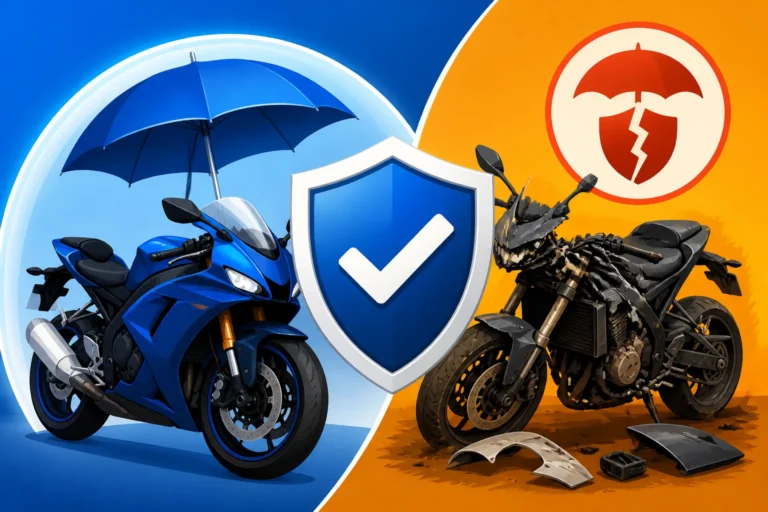
At its core, Guaranteed Asset Protection (GAP) insurance is designed to cover the "gap" between what you owe on your motorcycle loan and what your standard collision or comprehensive insurance policy will pay out if your bike is declared a total loss. Imagine you financed your new Honda CBR600RR for $15,000. Six months later, you still owe $14,000 on the loan, but a fender bender at a traffic light, while not your fault, causes enough damage that the insurance company deems your bike a total loss. Your comprehensive or collision coverage will typically pay out the motorcycle's actual cash value (ACV) at the time of the loss. Due to depreciation, that ACV might only be $11,000. See the problem? You're left owing $3,000 to the lender, even though you no longer have a bike to ride. This is a classic example of what happens when your motorcycle is totaled and you don't have gap coverage.
Gap coverage steps in to bridge that $3,000 difference. It pays the remaining balance on your loan that your primary insurance policy doesn't cover, essentially bringing your loan balance to zero. This means you won't be stuck making payments on a motorcycle you no longer own, which is a huge relief for many riders. It’s important to remember that gap coverage isn't meant to replace your collision or comprehensive insurance; rather, it complements them, providing an extra layer of financial security, particularly when you're still early in your loan term.
Why Motorcycles are Prone to Depreciation (and the Gap)
Motorcycles, much like cars, start losing value the second they become "used." Several factors contribute to this rapid depreciation, making gap coverage a critical consideration for many riders. Firstly, the sheer act of ownership means it's no longer "new" in the eyes of the market. Mileage adds up quickly, and even minor cosmetic wear and tear can impact resale value.
Secondly, specific types of motorcycles can depreciate at different rates. For instance, high-performance sport bikes often see a steeper initial drop due to their specialized nature and the typical rider demographic that tends to upgrade frequently. On the other hand, classic cruisers or certain touring models from brands like Harley-Davidson or Indian might hold their value a bit better, but they still depreciate significantly in the first few years.
Finally, aftermarket modifications, while often increasing a bike's personal appeal, don't always translate to increased insurance payout values or resale value. While you can get Accessories & Custom Parts Coverage Explained to protect those investments in an accident, they won't necessarily stop the initial depreciation that leads to a loan-to-ACV gap. The faster your bike's market value drops relative to your outstanding loan balance, the larger the potential gap you face, making the financial hit even harder if your bike is stolen or totaled. For a deeper understanding of coverage types, you might want to explore Types of Motorcycle Insurance Coverage Explained.
When is Motorcycle Gap Coverage Truly Necessary?
Deciding whether gap coverage is right for you often boils down to a few key financial factors related to your motorcycle purchase and current equity. It's not a one-size-fits-all solution, but for certain scenarios, it's almost indispensable.
Financing a New or Nearly New Motorcycle
This is arguably the most common and compelling reason to consider gap coverage. When you finance a brand-new motorcycle, or even a pre-owned one that's only a year or two old, you're usually looking at a significant loan amount.
Here’s why it's so important in these cases:
- High Loan-to-Value Ratio: If you made a small down payment, or no down payment at all, your loan balance will be very close to, or even exceed, the motorcycle's purchase price. Given the immediate depreciation mentioned earlier, you'll quickly owe more than the bike is worth.
- Longer Loan Terms: Spreading your payments out over 60 or even 72 months might make monthly payments more affordable, but it also means you'll pay down the principal slower. This prolongs the period where your loan balance outstrips your bike's actual value.
- Rapid Depreciation: The first 1-3 years of a motorcycle's life see the steepest depreciation. If your bike is totaled during this period, the difference between what your insurer pays (ACV) and your loan payoff amount can be substantial, leaving you underwater.
For example, if you bought a new Kawasaki Ninja 650 for $9,000 with only $500 down and a 60-month loan, you'd quickly find yourself in a negative equity position. Should that Ninja get totaled in an accident a year later, your insurance might offer $6,500, but you could still owe $8,000. That $1,500 difference is what gap coverage saves you from. It’s a common pitfall that riders face, and understanding your options for Motorcycle Insurance Requirements for Financed Bikes is crucial.
Specific Scenarios Where Gap Coverage Shines
Gap coverage isn't just for accidents. It's a crucial safeguard in any situation where your bike becomes a total loss and your standard insurance payout falls short of your loan balance.
Consider these scenarios:
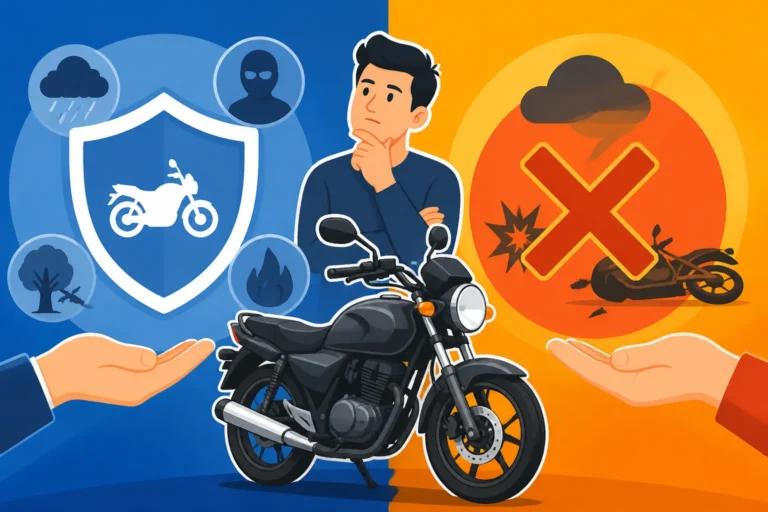
- Total Loss Due to an Accident: This is the most straightforward scenario. Whether it's a collision with another vehicle or a single-vehicle accident, if your motorcycle is damaged beyond economic repair, your insurer will declare it a total loss. Without gap coverage, if your outstanding loan is higher than the Actual Cash Value vs Stated Value vs Agreed Value payout, you're on the hook for the remainder.
- Theft: Unfortunately, motorcycle theft is a real concern. If your prized possession is stolen and not recovered, or recovered in such a condition that it's deemed a total loss, your comprehensive coverage will typically pay out its ACV. If you're still financing the bike and owe more than its ACV, gap coverage will kick in. This is why it's important to know Does Motorcycle Insurance Cover Theft?
- Natural Disasters: Fires, floods, hurricanes, and even severe hail can render a motorcycle a total loss. In these catastrophic events, your comprehensive coverage would typically apply. Again, if the damage is extensive enough to total the bike, gap coverage protects you from owing more than the insurance company pays out.
In essence, gap coverage acts as a financial safety net, ensuring that you're not left with a debt payment for a motorcycle you no longer possess. It’s an added layer of peace of mind, especially when you're thinking about the unfortunate possibility of how to file a motorcycle insurance claim.
Here's a quick table to illustrate how gap coverage works in different total loss scenarios:
| Scenario | Loan Balance | Motorcycle ACV | Standard Insurance Payout | Gap Coverage Payout | Your Out-of-Pocket |
|---|---|---|---|---|---|
| Example 1: No Gap Coverage | $12,000 | $9,000 | $9,000 | $0 | $3,000 |
| Example 2: With Gap Coverage | $12,000 | $9,000 | $9,000 | $3,000 | $0 |
| Example 3: Low Gap Risk (High Down Payment) | $7,000 | $9,000 | $9,000 | $0 | $0 |
As you can see, in a total loss situation where you owe more than your bike's actual cash value, gap coverage makes all the difference between walking away debt-free and being saddled with a significant financial burden.
How to Get Motorcycle Gap Coverage
Once you understand the value of gap coverage, the next logical step is to figure out how to actually acquire it. There are a few avenues you can explore, and it pays to shop around to find the best deal.
Options for Purchasing Gap Insurance
You generally have three main routes to secure gap insurance for your motorcycle, each with its own pros and cons:
- Dealerships: This is often the most common place where riders are offered gap insurance. When you're finalizing your financing at the dealership, they'll typically present it as an add-on to your loan.
- Pros: It's convenient, bundled directly into your financing, and you can get it all done in one place.
- Cons: Dealerships often mark up the price of gap insurance significantly. While convenient, it might not be the most cost-effective option. Plus, adding it to your loan means you're paying interest on the gap insurance itself over the life of the loan.
- Insurance Companies: Many major motorcycle insurance providers offer gap coverage as an optional add-on to your existing comprehensive and collision policy. Companies like Progressive, Geico, or Dairyland might have this option available.
- Pros: It's often much cheaper to purchase gap coverage directly from your insurance provider than through a dealership. It's usually a one-time fee or a small addition to your monthly premium, not subject to loan interest. This method can be integrated seamlessly with your What Does Full Coverage Motorcycle Insurance Mean?
- Cons: Not all insurers offer it, so you might need to confirm with your specific provider.
- Third-Party Providers: There are also independent companies that specialize in gap insurance, often working directly with consumers or through credit unions.
- Pros: Can sometimes offer competitive rates, especially if your primary insurer doesn't offer gap or if the dealership quote is too high.
- Cons: Requires an extra step to research and purchase separately from your primary insurance and loan.
When you're looking for motorcycle insurance, remember to How to Compare Motorcycle Insurance Quotes across different providers. Using an aggregator site like The Zebra can be incredibly helpful here. They allow you to compare multiple quotes, including options for gap coverage, side-by-side, potentially saving you a good chunk of change. This allows you to see how much different companies like Progressive or Dairyland might charge for this essential protection, and can give you a better overall picture of How Much Is Motorcycle Insurance? 2026 Cost Guide.
Key Considerations Before Buying
Before you commit to gap coverage, take a moment to weigh a few important factors. It’s not just about the cost, but also about truly understanding your financial situation and needs.
- Review Your Loan Terms: Look closely at your financing agreement. What's your interest rate? How long is your loan term? What was your down payment? These details will directly influence how quickly you build equity in your motorcycle and, by extension, how long you're in a "gap" situation. A small down payment and a long loan term make gap coverage much more appealing.
- Understand Your Existing Policy's Payouts: Make sure you know how your current comprehensive and collision policies work. They almost always pay out the Actual Cash Value (ACV) of your motorcycle at the time of the loss, which accounts for depreciation. Knowing this helps you estimate the potential gap.
- Cost vs. Benefit Analysis: While it's an extra cost, evaluate it against the potential financial hit you could take without it. If a $200-$300 gap policy saves you from paying $3,000 out of pocket after a total loss, it's a wise investment. If your loan balance is very low relative to your bike's value, or if you're close to paying it off, the benefit might diminish.
- Read the Fine Print: As with all insurance, understand the specific terms and conditions of your gap policy. Are there limits to the payout? Are there any exclusions? For instance, some policies might have a cap on how much they'll pay over the ACV, like 125% or 150% of the value.
- When to Cancel: If you do decide to get gap coverage, remember to keep an eye on your loan balance and your bike's market value. Once you owe less than your motorcycle is worth, or once you've paid off your loan entirely, you no longer need gap coverage. Many riders forget to cancel it, continuing to pay for a protection they no longer require. You can easily cancel it by contacting your provider.
Alternatives and When You Might Not Need It
While gap coverage offers invaluable protection for many riders, it's not universally necessary. Understanding when you might be able to forgo this extra cost is just as important as knowing when to get it.
Larger Down Payments and Shorter Loan Terms
One of the most effective ways to mitigate the risk of a "gap" is to structure your motorcycle purchase more conservatively upfront.
- Making a Substantial Down Payment: If you put down a large percentage of the motorcycle's purchase price – say, 20% or more – you significantly reduce the initial loan-to-value ratio. This means you start building equity much faster. In many cases, with a healthy down payment, your loan balance might never dip below the bike's actual cash value, or at least the period where it does will be very short. For example, if you pay for a good chunk of your bike upfront, you might not have to worry about How Much Is Motorcycle Insurance for a Financed Bike as much, as you'll already have more equity.
- Opting for Shorter Loan Terms: A 24-month or 36-month loan term, while resulting in higher monthly payments, ensures you pay down the principal much quicker. This rapid principal reduction means you're less likely to be "underwater" on your loan, as your equity will catch up to, or surpass, your outstanding balance faster than the rate of depreciation.
- Buying a Less Expensive Motorcycle: Naturally, if your motorcycle is less expensive to begin with, the loan amount will be smaller, and the potential gap will also be smaller. This makes the financial risk less severe.
By combining a significant down payment with a shorter loan term, you can often reach a point where the value of your motorcycle outstrips your loan balance relatively quickly, making gap insurance unnecessary or needed for only a brief period. This proactive financial planning can save you money in the long run.
Having Sufficient Savings or an Older, Paid-Off Bike
There are also situations where your personal financial standing or the nature of your motorcycle itself might mean gap coverage isn't a wise investment.
- Self-Insuring the Gap: If you have a healthy emergency fund or significant savings that you could comfortably use to cover a potential loan deficiency, you might choose to "self-insure" the gap. This means you're confident that if your motorcycle is totaled and your insurance payout falls short, you have the financial resources to pay off the remaining loan balance without hardship. This approach is usually only recommended for those with robust financial reserves.
- Riding an Older, Paid-Off Motorcycle: If your motorcycle is older, has been fully paid off, or was purchased outright without a loan, then gap insurance is completely unnecessary. There's no loan balance to create a "gap" between the ACV and what you owe. In these cases, your only concern would be the ACV payout from your comprehensive or collision coverage, or whether you need Do You Need Full Coverage on a Paid-Off Motorcycle?
- Motorcycle's Value Exceeds Loan Balance: Even if you financed your bike, if enough time has passed, or if the market value of your specific model has held up exceptionally well (which is rare for new bikes but can happen with certain classics or collectible models), you might find that you owe less than the bike is currently worth. In this scenario, there's no "gap" to protect, and you could consider canceling your gap coverage if you have it. You would simply be paid the ACV, and that would cover your loan with money left over.
Ultimately, the decision to get gap coverage on your motorcycle is a personal one, influenced by your financial situation, the specifics of your loan, and your comfort level with risk. For many new bikes with low down payments, it offers invaluable peace of mind. For others, smart financial planning or an already paid-off bike makes it redundant. Always assess your individual circumstances before making a choice.
Disclaimer
This article is for general informational purposes only and does not constitute professional advice. Laws, prices and regulations vary by location and change over time. Consult a qualified professional for guidance on your specific situation.