What to Do After Motorcycle Theft Recovery for Insurance
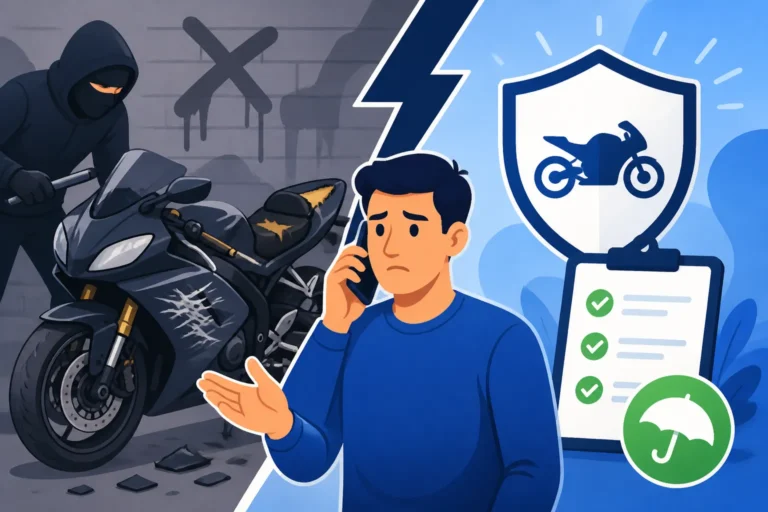
Finding your motorcycle has been stolen is a gut-wrenching experience that no rider ever wants to face. But what happens when, against all odds, your beloved bike is actually recovered? The initial wave of relief is quickly followed by a whole new set of questions and anxieties about its condition, what the insurance company will do, and how to get it back to normal. This comprehensive guide will walk you through every step of the process after your motorcycle theft recovery, ensuring you're prepared to navigate the complexities with your insurer and get your two-wheeled companion sorted out.
The Initial Shock and Relief: What Happens Immediately After Recovery
That phone call from the police, telling you they've found your bike, is a mix of pure joy and instant dread. Is it okay? Is it trashed? The uncertainty is immense. Your first instinct might be to rush down and see it, but there are a few crucial steps to take right away to protect your interests and your potential insurance claim.
Verifying Your Motorcycle's Identity
Before you even think about laying hands on it, you need to be absolutely certain it's your motorcycle. Thieves are known for swapping parts, disguising bikes, or even trying to sell stolen bikes with altered identification. The police will usually handle the primary verification, but it's good to know what to look for yourself.
When you're finally able to view the recovered motorcycle, don't just look for the paint job or obvious customizations. Take a moment to locate and verify the Vehicle Identification Number (VIN) on the frame, usually stamped into the steering head, and the engine number. Compare these directly to your registration documents and the records you have from when you reported the theft. If your bike had any specific, unique aftermarket parts or subtle modifications, like a particular exhaust system, a custom paint stripe, or even a unique wear mark on the seat, check for those too. This meticulous verification helps confirm to both you and your insurer that it's truly your property and not a look-alike or a "chop shop special" pieced together from various bikes. It sounds basic, but in the chaos of recovery, overlooking this detail could lead to bigger headaches later.
Notifying Law Enforcement and Your Insurer
The police are the ones who typically recover your bike, so they'll initiate the notification process. However, your involvement is crucial for the next steps, especially with your insurance company.
Once you've confirmed it's your bike with law enforcement, your very next call should be to your insurance provider. Remember, you likely already filed a "Motorcycle Theft Claim: How It Works" the moment your bike went missing. This recovery changes the entire dynamic of that claim. You need to inform them immediately that the motorcycle has been found. Provide them with the police department's contact information, the case number, and any details the officers shared about the recovery, such as where it was found and its apparent condition. The insurance company will need this information to transition your claim from a "stolen, unrecovered" status to a "stolen, recovered" one. They'll also provide guidance on what to do next, which will almost always involve arranging for an adjuster to inspect the bike. This prompt communication is vital to ensure there's no delay in processing your claim and getting the damage assessment underway. Delaying this notification could complicate your claim or even, in rare cases, raise red flags.
Assessing the Damage and Next Steps with Your Insurance Company
Okay, the initial relief has settled, and you've done the basic notifications. Now comes the potentially disheartening part: a thorough inspection of your recovered ride. It's rare for a stolen motorcycle to be returned in pristine condition. More often than not, there's damage, missing parts, or signs of neglect.
Documenting the Condition of Your Recovered Bike
This step cannot be stressed enough: document everything. Before any repair shop or even your insurance adjuster touches your motorcycle, you need to create a detailed record of its condition. This is your leverage and proof.
Use your smartphone or a camera to take a huge number of photos and videos from every conceivable angle. Capture close-ups of specific damage, such as scratches, dents, broken lights, cut wires, or bent levers. Don't forget to photograph the ignition area – often, thieves will try to hotwire the bike, leaving behind evidence of tampering. Document any missing components, from your cherished aftermarket exhaust to saddlebags, mirrors, or even simple items like tool kits. If your riding gear was stored on the bike and is now gone, note that too; some policies cover "Accessories & Custom Parts Coverage Explained" or even personal belongings. Create a written list of every single item of damage or missing part. Be as specific as possible, detailing location, severity, and any estimated values for missing aftermarket items. This comprehensive documentation will be invaluable when the insurance adjuster arrives and helps prevent any disputes over the extent of the damage or loss. Think of it like building a case; the more evidence you have, the stronger your position.
Understanding the Claims Process After Recovery
With your documentation in hand, it's time to officially engage your insurance company. The claim you filed initially will now be revised based on the recovery.
Your insurer will assign an adjuster to assess the motorcycle. This professional's job is to inspect the damage, determine the cause (was it related to the theft, or pre-existing?), and estimate the cost of repairs. They will compare your documentation with their findings. Be prepared to provide them with your detailed list and photos. For instance, if you have Progressive as your insurer, they'll likely have a specific process and preferred repair shops they work with. Don't hesitate to ask questions about the process, what your policy covers, and what you can expect next. They'll need to know if the damage is cosmetic, mechanical, or both. If the bike was recovered far from where it was stolen, transportation fees might also be part of the claim. This is a crucial phase, as the adjuster's report will heavily influence whether your bike is repaired or declared a total loss. Make sure you understand how your deductible applies in this scenario.
Navigating Repair, Valuation, and Potential Total Loss
This is where things can get really tricky. Recovered bikes often come with a hefty repair bill, and sometimes, that bill can exceed the bike's value, leading to a "total loss" declaration.
Deciding Between Repairs and a Total Loss Declaration
Once the adjuster has completed their assessment, you'll get an estimate for repairs. This estimate is the critical factor in determining the future of your motorcycle.
The insurance company will compare the cost of repairing the damage, plus any salvage value, to the actual cash value (ACV) of your motorcycle before it was stolen. Each state has a different "What Is the Motorcycle Total Loss Threshold?" or formula for determining a total loss. If the repair costs, often including fees like towing and storage, meet or exceed a certain percentage (e.g., 75% in some states) of the bike's pre-theft value, the insurer will likely declare it a total loss. At this point, you're faced with a decision. If it's a total loss, the insurance company will pay you the ACV (minus your deductible), and they will take possession of the damaged motorcycle. If the repairs are less than the total loss threshold, the insurer will pay for the repairs, and you get your bike back. Sometimes, especially with older or highly customized bikes, you might want to repair it even if it's declared a total loss. In such cases, you might be able to buy the bike back from the insurer at its salvage value, but it will come with a "What Is a Salvage Title After a Total Loss?" which can complicate future registration and resale.
Handling Valuation and Payouts
The valuation process can be one of the most contentious parts of a theft recovery claim, especially if your bike is declared a total loss.
Insurance companies typically use the Actual Cash Value (ACV) when determining the payout for a total loss. ACV is essentially the replacement cost minus depreciation. This means an older bike, even if meticulously maintained, might have a lower ACV than you think it's worth. This is where options like "Agreed Value vs Stated Value vs Actual Cash Value" policies come into play; if you had an agreed value policy, your payout would be the pre-determined amount. If you have a standard ACV policy and disagree with the insurer's valuation, you can "How to Negotiate a Motorcycle Total Loss Settlement". This usually involves presenting your own evidence of value, such as comparable sales in your area, maintenance records, and receipts for upgrades. Tools from sites like The Zebra can sometimes give you a sense of market value for comparable bikes, which can be useful in negotiations. If your bike was financed, any payout for a total loss will first go to your lienholder. If the payout is less than what you owe, you could be on the hook for the difference, which is why "Do You Need Gap Insurance on a Motorcycle?" is so important for financed bikes.
Here's a quick table to help understand the outcomes:
| Recovery Outcome | Insurance Action | Rider's Responsibility | Key Considerations |
|---|---|---|---|
| Minor Damage | Insurer pays for repairs (minus deductible). | Choose repair shop, pay deductible. | Ensure all damage is covered; get a reliable repair shop. |
| Significant Damage (Below Total Loss) | Insurer pays for repairs (minus deductible). | Choose repair shop, pay deductible. | Monitor repair quality, check for hidden damage. |
| Total Loss Declared | Insurer pays ACV (minus deductible). Takes bike. | Accept payout, seek new bike. | Negotiate ACV if too low; understand salvage title if buying back. |
| Bike Not Found (After Initial Claim) | Insurer pays ACV (minus deductible). | Accept payout, seek new bike. | Initial claim usually becomes final; no recovery means no further steps for this bike. |
Getting Your Bike Back on the Road (or Moving On)
Whether your bike is repaired or you're starting fresh, there are final steps to consider to ensure you're safe and secure.
Essential Steps for a Safe Return to Riding
If your motorcycle is repaired, the journey isn't quite over once it leaves the shop. You'll want to ensure it's truly roadworthy and that you're prepared.
First, always get a thorough mechanical inspection from a trusted mechanic, even if the insurance company's chosen shop did the repairs. Thieves can be rough, and hidden damage, electrical issues, or shoddy repair work could pose a safety risk. Check all fluids, brakes, lights, and tire pressure. If your helmet or other riding gear was stolen with the bike, ensure you replace it before riding again. Safety gear is paramount, and your insurance might have covered its replacement under certain "Types of Motorcycle Insurance Coverage Explained" like accessories coverage. You'll also need to ensure your registration and title documents are in order, especially if the bike had to be re-titled or if a salvage title was issued and then cleared. Make sure your insurance policy is active and updated to reflect the repaired or new motorcycle. Don't skip any of these steps; rushing back onto the road without proper checks could put you, and others, at risk.
The Emotional and Practical Aftermath
Beyond the mechanical and financial aspects, dealing with a stolen and recovered motorcycle can take an emotional toll. It's an invasion, a violation of your personal space and passion.
It's completely normal to feel a mix of relief, anger, and even distrust. Take some time to process these feelings. Practically, now is the time to review your security measures. Invest in better locks, an alarm system, or a GPS tracker. Consider a secure garage or storage unit if you don't have one. Re-evaluate your insurance policy. Having comprehensive coverage made a huge difference here, but you might want to look into other add-ons or increased limits for your custom parts. Shopping around for a new policy, perhaps through a platform like The Zebra, or checking for discounts with your current provider like Progressive, can ensure you're getting the best rates and coverage moving forward. Your rates might even go up slightly depending on the nature of the theft claim, so understanding "What Affects Your Motorcycle Insurance Rate?" is key. Learn from the experience, but don't let it steal your joy of riding.
Disclaimer
Please remember that this article provides general information and guidance regarding motorcycle theft recovery and insurance claims. Insurance policies and state laws vary significantly. It is crucial to consult directly with your insurance provider and, if necessary, legal counsel, for advice specific to your situation and policy terms.