Motorcycle Stolen: What to Do Step by Step
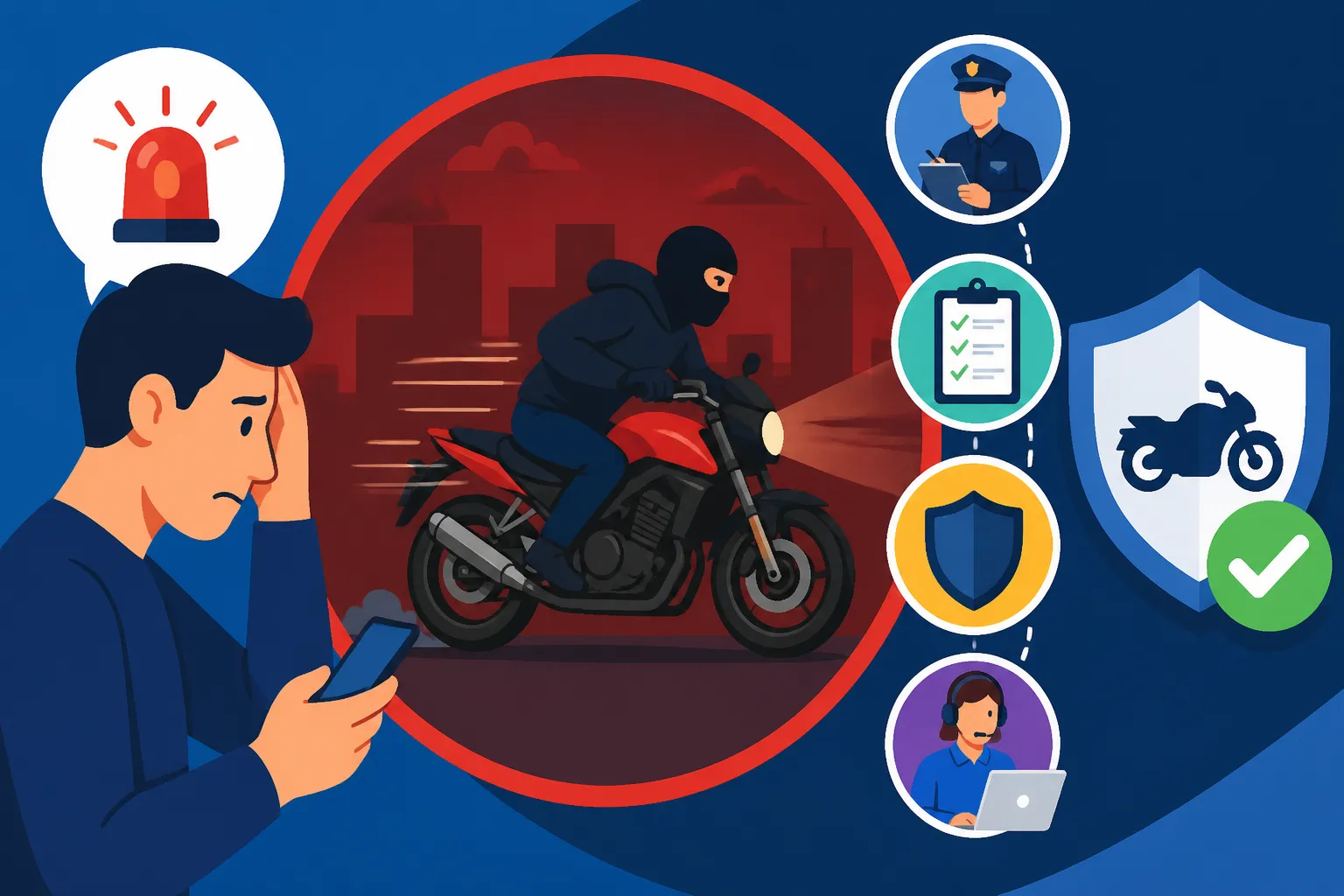
That gut-wrenching moment when you walk out and realize your motorcycle isn't where you left it can send a wave of panic and despair through you. It's not just a vehicle; it's a part of your passion, your freedom, maybe even your daily commute. The thought of it being gone, possibly forever, is truly devastating. This guide is here to walk you through the immediate, critical steps to take if your motorcycle is stolen, from notifying the authorities to navigating the complex world of insurance claims, helping you understand your options and maximize your chances of recovery or a fair settlement.
The Immediate Aftermath: When You Realize Your Bike is Gone
The initial shock of discovering your motorcycle missing is a terrible feeling. Your mind races, cycling through disbelief, anger, and a desperate hope that you've just misplaced it. It’s crucial to act swiftly and methodically to improve your chances of recovery and ensure your insurance claim goes smoothly.
Confirming the Theft, Not Just Misplaced
Before you jump to conclusions and panic, take a deep breath and conduct a thorough check. It might sound silly, but in the heat of the moment, it's easy to overlook simple explanations. Did you park it on a different block than usual? Did a friend or family member borrow it without telling you, perhaps to move it for street cleaning or a quick errand? Sometimes, a neighbor might have asked it to be moved for temporary access.
Walk around the immediate area. Check any garages, carports, or hidden parking spots you might occasionally use. Ask household members, roommates, or even nearby neighbors if they've seen it or know anything about its whereabouts. This brief verification process helps ensure you’re not reporting a "stolen" bike that's actually just around the corner. Once you’ve exhausted these possibilities and the reality sinks in that your bike truly isn't there, it's time to move to the next critical step.
Securing the Scene Even If It’s Gone
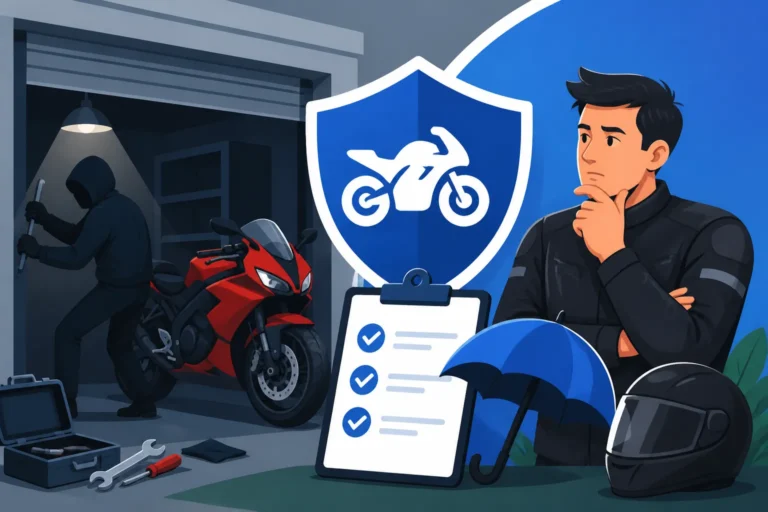
While your motorcycle is gone, the scene of the theft might still hold valuable clues. Before calling the police, take a moment to observe your surroundings without touching anything. Look for any signs of forced entry where your bike was parked or stored. Were locks cut or tampered with? Are there any tire tracks, dropped tools, or unusual debris? If your bike was parked in a garage, check windows, doors, and any surveillance cameras in the vicinity.
Even though the bike is no longer there, these details can be incredibly useful for law enforcement. Photographing any remaining evidence, like a cut chain or a pry mark on a garage door, can provide critical context to the police and your insurance company. This step is about preserving potential evidence that could aid in the investigation, making sure you don't inadvertently contaminate or remove anything that could help track down your stolen ride.
Your First Call: Contacting the Police
Once you've confirmed the theft, the very first, non-negotiable step is to contact your local law enforcement agency. This isn't just a formality; it's the official starting point for any chance of recovering your motorcycle and the essential prerequisite for filing an insurance claim. Delaying this call can complicate everything, so don't hesitate.
What Information the Police Will Need
When you call 911 (for emergencies) or your local police department's non-emergency line, be prepared to provide a detailed account. The dispatcher will likely ask for:
- Your Personal Information: Name, address, phone number.
- Location of Theft: The precise address or intersection where the motorcycle was last seen or parked.
- Time Frame: Your best estimate of when the motorcycle was stolen. For example, "between 8 PM last night and 7 AM this morning."
- Motorcycle Details: This is where specifics are crucial. Have your vehicle identification number (VIN), license plate number, make (e.g., Harley-Davidson, Honda), model (e.g., Sportster, CBR), year, and color readily available. Don't forget any unique identifiers like custom paint jobs, aftermarket exhaust systems, specific decals, or damage marks. The more descriptive you can be, the better. If you have photos, mention it; they might be requested later.
- Security Measures: What kind of locks, alarms, or tracking devices were on the bike? Were they defeated? This information helps the police understand the method of theft.
Providing clear, concise, and accurate information will help the police create a comprehensive report and disseminate the information quickly. They'll enter your motorcycle's details into national databases like the National Crime Information Center (NCIC), which law enforcement agencies across the country use to identify stolen vehicles.
The Importance of a Police Report Number
After you’ve given your statement, the police department will issue a case number, also known as a police report number. This number is absolutely vital. You might not get it immediately, but make sure to ask for it and note it down as soon as you receive it.
Why is it so important? This unique identifier serves multiple critical functions:
- Insurance Claim Prerequisite: Your insurance company will require this number to process your theft claim. Without an official police report, they simply won't open a claim, as it's their proof that a crime officially occurred.
- Tracking and Follow-Up: It allows you and your insurance company to track the progress of the investigation. You can reference this number if you need to provide additional information or check for updates.
- Legal Documentation: It's a formal record of the crime, which can be essential if the motorcycle is recovered, involved in another crime, or if you need to deal with future legal issues related to the theft.
Think of it as the official stamp of approval that your motorcycle has indeed been stolen. Don't underestimate its significance; without it, you're essentially in a bureaucratic limbo regarding your stolen bike.
Notifying Your Insurance Company
Once the police report is filed and you have that all-important case number, your next immediate call should be to your motorcycle insurance provider. This step is as crucial as calling the police, as it initiates the process for financial recovery.
Gathering Your Policy Information
Before you pick up the phone, take a moment to gather all your relevant insurance documents. You'll want to have your:
- Policy Number: This is the primary identifier for your insurance contract.
- Insurance Company Contact Information: The direct claims line or customer service number, typically found on your insurance card or policy declaration page.
- Vehicle Information: Have the VIN, make, model, and year of your stolen motorcycle handy, even though you already gave it to the police. The insurance company will also need this for their records.
- Date and Time of Theft: Be ready to provide the exact date and estimated time frame you reported to the police.
- Police Report Number: As discussed, this is non-negotiable. Don't call your insurance company without it.
Having all this information at your fingertips will make the claims reporting process much smoother and faster. It shows the insurer you're organized and serious, which can help prevent unnecessary delays. Many companies, including Progressive, offer convenient mobile apps or online portals where you can initiate a claim and upload documents directly, often even before you speak to a representative. This can be a useful way to get the ball rolling, especially outside of business hours.
Understanding Your Comprehensive Coverage
When you report a stolen motorcycle, the type of coverage that kicks in is typically your comprehensive coverage. This is separate from liability or collision coverage and is specifically designed to protect your vehicle from non-accident related damages and losses, including theft.
Here's how it generally works:
- What it Covers: Comprehensive coverage pays for damages to your motorcycle that are not caused by a collision with another vehicle or object. This includes theft, vandalism, fire, natural disasters (like floods or hail), and even hitting an animal. For a stolen motorcycle, this is the policy component that will pay out if your bike is not recovered.
- Deductible: Like collision coverage, comprehensive coverage usually has a deductible. This is the amount you are responsible for paying out-of-pocket before your insurance company starts to pay for the loss. For instance, if your deductible is $500 and your stolen bike is valued at $10,000, the insurer would pay $9,500 after you cover the deductible. It's important to remember this amount will be subtracted from any settlement you receive.
- Actual Cash Value (ACV) vs. Agreed Value: Most standard comprehensive policies pay out the Actual Cash Value (ACV) of your motorcycle at the time of theft. This means depreciation is factored in. If you have a custom or classic bike, you might have opted for "agreed value" or "stated value" coverage, which can offer a better payout by setting an agreed-upon value at the start of the policy. Make sure you understand which type of valuation applies to your policy. Understanding these nuances is crucial for managing your expectations for a settlement. For more details on the different types of protection, you might want to review our guide on Types of Motorcycle Insurance Coverage Explained. If you're wondering, Does Motorcycle Insurance Cover Theft?, the answer is usually yes, through comprehensive coverage.
Knowing the specifics of your comprehensive policy will help you navigate the claims process with greater confidence and allow you to ask informed questions about your potential payout.
The Claims Process: What to Expect
Once you've formally reported the theft to your insurance company, you've entered the claims process. This isn't always a fast or straightforward journey, but knowing what to expect can help you prepare for the various steps involved.
Documentation and Information for Your Claim
Your insurance adjuster will likely request a significant amount of documentation to support your claim. The more thoroughly you can provide this information, the smoother the process will be. Expect to provide:
- Official Police Report Number: We've stressed this enough, but it bears repeating. Your claim will not move forward without it.
- Vehicle Identification Number (VIN): This unique 17-character code identifies your specific motorcycle.
- Motorcycle Title and Registration: Proof of ownership is essential. If your title is held by a lender, you'll need to provide their information.
- All Sets of Keys: Insurers often require all original keys (e.g., both ignition keys) for the stolen motorcycle. This is a crucial step in preventing fraudulent claims, as it proves you haven't simply "lost" the bike with keys in it. If you only have one set, be prepared to explain why.
- Maintenance and Service Records: These can help establish the bike's condition and value prior to the theft.
- Photographs of the Motorcycle: Any pictures you have of your bike, especially recent ones, can help verify its condition and any custom features.
- Receipts for Aftermarket Parts and Modifications: If you have custom chrome, an upgraded exhaust, or expensive luggage, separate coverage for accessories and custom parts is vital. Providing receipts for these additions proves their value and ensures they are included in your payout. This is why having proper Accessories & Custom Parts Coverage Explained is so important.
- Loan Information (if applicable): If your motorcycle is financed, you'll need to provide your lender's name and account information. The insurance payout will typically go directly to the lender first.
Gathering all these documents can feel like a scavenger hunt, but it's a critical part of substantiating your claim and ensuring you receive a fair settlement. Be proactive in providing information, and don't hesitate to ask your adjuster if you're unsure what they need.
The Waiting Game: Investigation and Valuation
After submitting your documentation, you’ll likely enter a waiting period while your insurance company investigates. This isn't usually a quick process, and it can feel agonizing when you're just wanting answers.
-
Investigation Period: Insurance companies typically have a waiting period, often 30 days, before they will process a total loss claim for a stolen vehicle. This is because many stolen motorcycles are recovered within this timeframe. During this period, the insurer will work with law enforcement to see if the bike turns up. They might also conduct their own internal investigation, reviewing the details of your claim, verifying the police report, and assessing the likelihood of recovery. Patience is key here, though it's perfectly acceptable to follow up periodically for updates. If you're wondering How Long Does a Motorcycle Insurance Claim Take?, it can vary, but for theft, expect at least a few weeks or even a month or more.
-
Motorcycle Valuation: If your motorcycle isn't recovered within the waiting period, your insurance company will begin the process of valuing it for a potential total loss settlement. They will use various methods to determine your bike’s Actual Cash Value (ACV), which is its fair market value factoring in depreciation, mileage, and condition at the time of theft. They might consult industry guides like the National Automobile Dealers Association (NADA) Guides, look at comparable sales in your area, or use appraisal services. This is where having documented maintenance records, photos, and receipts for custom parts can significantly impact the valuation. If you have "agreed value" coverage, the process is simpler as the payout amount was already determined when you bought the policy. However, with ACV, it’s a negotiation, and understanding Agreed Value vs Stated Value vs Actual Cash Value will help you advocate for a fair price. Don't be afraid to do your own research on comparable bikes for sale to support your valuation.
What Happens Next: Recovery or Settlement
The period after filing your claim is often a tense one. Will your beloved motorcycle be found, or will you have to come to terms with its permanent loss? Either scenario brings its own set of challenges and insurance implications.
If Your Motorcycle is Recovered
Sometimes, luck is on your side, and your motorcycle is recovered. While this is great news, it doesn't always mean a simple return to normal. The condition in which your bike is found can drastically impact the next steps.
-
Condition of the Recovered Bike: If your motorcycle is recovered, the police will notify you and your insurance company. An adjuster will then assess the bike's condition. It might be perfectly fine, or it could be damaged, stripped of parts, or even vandalized. If the damage is extensive, the insurance company will determine if the cost to repair it exceeds a certain percentage of its value, at which point it might be declared a total loss. This threshold varies by state and insurer. It’s a bitter pill to swallow to have your bike back but find it declared a total loss. You can learn more about this in our article What Happens When Your Motorcycle Is Totaled?.
-
Impact on Your Claim: If your bike is recovered with minor damage, your insurer will cover the repair costs, minus your comprehensive deductible. If it’s recovered in pristine condition, your claim will likely be closed, and you'll get your bike back, possibly having to reimburse any advanced funds from the insurer. If it's declared a total loss, the process moves toward a settlement, similar to if it was never recovered. Be aware that even a recovered bike can sometimes affect your insurance rates, depending on the damage and if a payout was made. Understanding What Happens to My Rate After a Motorcycle Claim? can help you prepare for potential premium adjustments.
If Your Motorcycle is Not Recovered: Total Loss Settlement
If your motorcycle is not recovered after the investigation period (typically 30 days), your insurance company will usually declare it a total loss. This means they'll move forward with a cash settlement.
- Payout Calculation: As discussed earlier, the settlement amount will be based on the Actual Cash Value (ACV) of your motorcycle at the time of theft, minus your deductible. This amount aims to put you in the same financial position you were in just before the theft, allowing you to purchase a comparable replacement. If you had Agreed Value coverage, the settlement will be the predetermined amount, minus your deductible.
- Dealing with a Financed Bike: If your motorcycle is financed, the insurance payout will first go to your lender to pay off the remaining loan balance. If the payout is less than what you owe (you're "upside down" on your loan), you’ll be responsible for the difference. This is where Gap Insurance can be a lifesaver, covering that difference between the ACV and your loan balance. If the payout is more than what you owe, the remaining funds will be paid to you. It's a tough situation, but knowing What Happens if You Total a Financed Motorcycle? can help you understand the financial implications.
- Negotiating the Settlement: Don't just accept the first offer if you believe it's too low. You have the right to negotiate. Gather your own evidence of your bike's value, such as comparable sales listings from reputable sources like CycleTrader, NADA guides, or even local dealerships. Highlight any recent upgrades or maintenance. A fair settlement is crucial for moving forward, and our guide on How to Negotiate a Motorcycle Total Loss Settlement offers great tips on how to approach this discussion effectively. Remember, the goal is to get enough to replace your lost ride with something similar.
| Step | Action | Key Information/Documents Required | Notes |
|---|---|---|---|
| 1. Confirm Theft | Double-check all usual parking spots, ask family/neighbors. | None immediately. | Avoid panicking. Ensure it's not just misplaced. |
| 2. Secure the Scene | Look for signs of forced entry, broken locks, tools. Do NOT touch anything. | Photos of damage/evidence at the scene (e.g., cut lock). | Preserves potential evidence for police. |
| 3. Contact Police | Call 911 (emergency) or non-emergency line immediately. File a police report. | VIN, license plate, make, model, year, color, unique features, location & time of theft, security measures. | Crucial first step. Obtain a Police Report Number for insurance. |
| 4. Notify Insurance Company | Call your motorcycle insurance provider. Inform them of the theft and provide police report details. | Policy number, VIN, make/model, date/time of theft, Police Report Number. | Initiate the claims process. Understand your comprehensive coverage and deductible. Many insurers like Progressive have online portals for initial reporting. Consider using a comparison tool like The Zebra when shopping for new policies to ensure robust theft coverage. |
| 5. Gather Documentation | Collect all requested documents for your claim adjuster. | Motorcycle title/registration, all sets of keys, maintenance records, photos, receipts for custom parts, loan info (if financed). | The more thorough you are, the smoother the claim will be. |
| 6. Await Investigation/Valuation | Cooperate with the adjuster, provide additional info as requested. Wait for recovery or total loss declaration. | Your own research on comparable bike values (if disputing ACV). | Expect a waiting period (often 30 days) for potential recovery. If unrecovered, the insurer will value your bike, typically at Actual Cash Value (ACV). |
| 7. Resolve Claim | If recovered: Assess damage, proceed with repairs or total loss. If unrecovered: Negotiate settlement. | Damage assessment reports (if recovered). | If recovered, assess if it's a total loss. If unrecovered, negotiate a fair settlement based on ACV or agreed value, minus your deductible. If financed, payout goes to lender first. |
Protecting Against Future Theft
Losing a motorcycle to theft is a traumatic experience that no rider ever wants to repeat. While no method is 100% foolproof, there are many proactive steps you can take to significantly reduce the risk of your bike being targeted by thieves.
Best Practices for Securing Your Ride
Implementing multiple layers of security can deter thieves and make your motorcycle a less appealing target. Think of it as creating obstacles that take too much time or make too much noise.
- Physical Locks: Don't rely solely on your ignition lock. Invest in high-quality disc locks, especially those with built-in alarms, that attach to your brake rotor. A heavy-duty chain and padlock, ideally anchored to an immovable object like a ground anchor or a sturdy lamppost, can also be a significant deterrent. Always try to thread the chain through the frame or wheel to prevent easy removal.
- Alarms and Immobilizers: Many modern motorcycles come with factory-installed alarms and engine immobilizers, but aftermarket systems offer enhanced protection. Look for alarms with motion sensors, tilt sensors, and loud sirens. An immobilizer prevents the engine from starting without the correct key or transponder, making hot-wiring virtually impossible.
- GPS Trackers: These devices are becoming increasingly popular and can be incredibly effective. Hidden GPS trackers allow you to monitor your motorcycle's location in real-time via a smartphone app. If your bike is stolen, you can provide law enforcement with its exact location, significantly increasing the chances of recovery. Companies like LoJack have specialized in vehicle recovery for decades using these types of systems.
- Smart Parking Choices: This might seem obvious, but where you park your bike makes a huge difference. Avoid dark, secluded areas. Opt for well-lit, high-traffic spots, ideally where there are security cameras. If you have a garage, use it and keep it locked. Consider parking your motorcycle amongst cars, making it less conspicuous to potential thieves. At home, consider securing it inside your garage, using ground anchors, or parking a car in front of it to block it in.
- Cover Your Bike: A motorcycle cover isn't just for weather protection; it also acts as a visual deterrent. It hides your bike's make and model, making it less attractive to opportunistic thieves who might be looking for a specific type of motorcycle. It also makes it harder for them to quickly assess your security measures.
Many of these security enhancements can actually qualify you for discounts on your motorcycle insurance. Our guide on Motorcycle Insurance Discounts You're Missing provides more insights into how to save money while keeping your bike safe.
Reviewing Your Insurance Coverage Annually
Protecting your motorcycle isn't just about physical deterrents; it's also about ensuring you have the right financial safety net in place. Your bike's value can change, your modifications can add up, and your personal needs might evolve.
- Custom Parts and Accessories: If you've invested in aftermarket parts, custom paint, or expensive gear like saddlebags and fairings, make sure your insurance policy covers these additions adequately. Standard comprehensive policies often have limited coverage for custom parts unless you specifically add an endorsement for them. Review your policy's stated limits for accessories and ensure it reflects the true value of your customizations. Otherwise, you might find yourself underinsured if your bike is stolen.
- Agreed Value vs. Actual Cash Value: Revisit your policy's valuation method. For older, classic, or heavily customized motorcycles, an "agreed value" policy can offer more peace of mind, as it sets the payout amount upfront, avoiding disputes over depreciation if your bike is stolen. If you have a newer, high-value bike, ensure your ACV is realistic.
- Regular Policy Check-Ups: Don't just set and forget your insurance policy. Life changes, and so should your coverage. Annually, or whenever you make significant modifications to your bike, take the time to review your policy with your agent. This ensures your coverage limits are adequate, you're taking advantage of all possible discounts, and you're not paying for coverage you no longer need. This proactive approach ensures that if the worst happens, you're financially protected. For a broader look at what you really need, check out What Motorcycle Coverage Do You Actually Need?. Shopping around annually using comparison sites like The Zebra can help you ensure you're getting the best rates and coverage tailored to your needs, including robust theft protection.
Disclaimer
Please remember that this article provides general information and guidance regarding motorcycle theft and insurance claims. Insurance policies and laws can vary significantly by state and individual circumstances. It is always recommended to consult directly with your insurance provider and local law enforcement for specific advice pertaining to your situation.