How to File a Motorcycle Insurance Claim in Missouri
Getting into a motorcycle accident is one of the most jarring and stressful experiences a rider can face, especially when you're hurt or your bike is damaged, and then the daunting task of figuring out insurance claims in a state like Missouri looms over your head. It's a confusing, often overwhelming process that leaves many feeling lost and frustrated. This comprehensive guide is here to walk you through exactly how to file a motorcycle insurance claim in Missouri, ensuring you understand each step and what to expect so you can navigate this challenging time with confidence.
Taking Immediate Action After a Motorcycle Accident in Missouri
The moments right after an accident are critical, not just for your safety, but for the success of your insurance claim down the road. It’s easy to feel disoriented and stressed, but taking a few key steps can make a massive difference. Remember, Missouri operates under an "at-fault" system, meaning the person responsible for the accident typically pays for the damages and injuries. Your actions at the scene will heavily influence how that fault is determined and how your claim proceeds.
Prioritizing Safety and Seeking Medical Attention
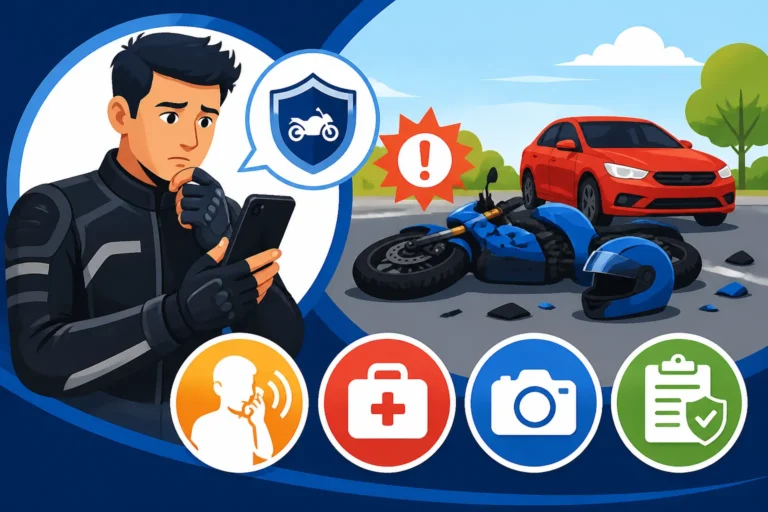
First and foremost, check for injuries. Your well-being is paramount. Even if you feel okay, adrenaline can mask pain, and some injuries might not manifest immediately. If you or anyone else is hurt, call 911 immediately. Don't try to move if you suspect a serious injury. Once medical professionals are on the way or you've assessed immediate threats, try to move yourself and your motorcycle to a safe location, away from traffic, if it's safe to do so. On a busy highway, this might mean getting to the shoulder. In a parking lot, it could be moving to an empty space.
When emergency services arrive, cooperate fully. EMTs will check you over, and it's vital to be honest about any discomfort or pain, no matter how minor. Refusing medical evaluation at the scene could be detrimental to your claim later if injuries surface. Even if you're not transported by ambulance, make sure to see a doctor within 24-48 hours. A medical record created shortly after the incident serves as crucial documentation linking your injuries to the accident. This is especially important in Missouri, where proving injury directly related to the accident is key for compensation.
Documenting the Scene and Gathering Information
Once safety is addressed, it's time to become a detective. Start documenting everything you can. Use your phone to take photos and videos of the accident scene from multiple angles. Capture damage to your motorcycle, the other vehicles involved, any road hazards, traffic signs, skid marks, and even the weather conditions. Take pictures of debris on the road and where the vehicles ultimately came to rest. The more visual evidence you have, the better.
Next, exchange information with everyone involved. This includes other drivers, passengers, and even witnesses. Get their full names, contact information (phone and email), insurance company names, and policy numbers. Note the year, make, model, and license plate number of all vehicles involved. If a witness is hesitant, remind them that their statement could be invaluable in ensuring an accurate account of what happened. This information forms the bedrock of your claim, providing the necessary details for your insurance company to start their investigation. Don't forget to note the responding police officer's name, badge number, and the report number – this police report will be a critical piece of evidence. Understanding What to Do After a Motorcycle Accident Insurance Steps can provide even more detailed guidance.
Notifying Your Insurance Provider
After you've taken care of immediate safety and gathered initial information, notify your own motorcycle insurance company as soon as possible. Most policies require prompt notification of an accident. Delaying could potentially complicate your claim. When you call, be factual and stick to the verifiable details. You don't need to speculate or admit fault. Simply state where and when the accident occurred, who was involved, and the extent of the damage or injuries you're aware of.
Your insurer, whether it's Progressive or another provider, will assign an adjuster to your case. This adjuster will be your main point of contact and will guide you through the claims process. They will ask for the information you collected at the scene, so have it ready. Remember, while your insurance company is there to help, they also represent their own interests. Be cooperative, but also be mindful of what you say. It's often advisable to speak with an attorney before giving a recorded statement, especially if injuries are involved or fault is contested.
Understanding Missouri's Motorcycle Insurance Landscape
Navigating a motorcycle insurance claim in Missouri means you need a solid grasp of the state’s specific laws and how they impact your policy and payout. Missouri isn't like every other state, and knowing the nuances can empower you throughout the claims process.
Missouri's At-Fault System Explained
As mentioned, Missouri is an "at-fault" or "tort" state. This means that after an accident, the insurance company of the driver who caused the accident is generally responsible for covering the damages and injuries of the other parties. This is different from "no-fault" states, where your own insurance would pay for your medical expenses regardless of who caused the accident. Because Missouri is an at-fault state, determining who is at fault is a central part of every claim, and it's why collecting thorough evidence at the scene is so crucial.
The concept of "comparative fault" is also important in Missouri. This means that if you are found partially at fault for the accident, your compensation could be reduced by your percentage of fault. For example, if you sustained $10,000 in damages but were found 20% at fault, you would only be eligible to recover $8,000 from the other driver's insurance. This system means that insurance adjusters will meticulously investigate all aspects of the accident to determine each party's contribution.
Minimum Motorcycle Insurance Requirements
Every rider in Missouri needs to carry minimum liability insurance. These numbers are often expressed as 25/50/25, which stands for:
- $25,000 for bodily injury liability per person
- $50,000 for total bodily injury liability per accident
- $25,000 for property damage liability per accident
This minimum liability coverage is what pays for the other person's bodily injuries and property damage if you are found at fault for an accident. It does not cover your own injuries or damages to your motorcycle. For your own protection, especially on a motorcycle, additional coverages are almost always a good idea. You can dive deeper into these specifics by reading our guide on Minimum Liability Insurance Explained The Three Numbers.
Here's a quick look at Missouri's minimum requirements:
| Coverage Type | Minimum Requirement (per accident) |
|---|---|
| Bodily Injury Liability (per person) | $25,000 |
| Bodily Injury Liability (per accident) | $50,000 |
| Property Damage Liability (per accident) | $25,000 |
| Uninsured Motorist Bodily Injury (per person) | $25,000 |
| Uninsured Motorist Bodily Injury (per accident) | $50,000 |
It's also worth noting that Missouri law also mandates that motorcycle insurance policies include Uninsured Motorist Bodily Injury (UMBI) coverage, which mirrors the liability limits at 25/50. This is a lifesaver if you're hit by a driver who doesn't have insurance or in a hit-and-run scenario. Knowing How to File a Claim When Hit by an Uninsured Driver is crucial in such situations. Many riders find that comparing policies through a service like The Zebra helps them understand these requirements and choose coverage beyond the bare minimum.
Important Coverage Types for Riders in Missouri
While liability coverage is mandatory, a comprehensive policy offers crucial protection for your bike and yourself.
- Collision Coverage: This pays for damages to your motorcycle resulting from a collision with another vehicle or object, regardless of who is at fault. If your bike is totaled after a crash on I-70 near St. Louis, this coverage would kick in.
- Comprehensive Coverage: This protects your motorcycle from non-collision incidents like theft, vandalism, fire, natural disasters (hail, floods), or hitting an animal. Imagine your bike being stolen from outside your home in Kansas City – comprehensive coverage would be your saving grace.
- Uninsured/Underinsured Motorist (UM/UIM) Coverage: We touched on UMBI, but UIM is equally important. This covers your medical expenses and property damage if you're hit by a driver who either has no insurance or not enough insurance to cover your costs. Given the number of uninsured drivers on the road, this coverage is extremely valuable in Missouri.
- Medical Payments (MedPay) or Personal Injury Protection (PIP): While not always mandatory, these cover medical expenses for you and your passengers, regardless of fault. This can be critical for immediate medical costs, especially considering the high cost of healthcare.
- Custom Parts and Equipment Coverage: If you've invested in aftermarket parts, custom paint, or performance upgrades, standard policies might not cover them. This add-on ensures your unique customizations are protected.
Understanding these options is key to building a robust policy. When talking to agents, whether from Progressive or another provider, ask detailed questions about what is and isn't covered under various scenarios.
The Nitty-Gritty of Filing Your Motorcycle Insurance Claim
Once the initial shock wears off and you've gathered your information, the actual process of filing the claim begins. This can feel like a bureaucratic maze, but breaking it down into manageable steps makes it less intimidating.
Initiating the Claim with Your Insurer
As soon as possible, you'll officially file the claim with your insurance company. This usually involves providing them with the incident date, time, location, a brief description of what happened, and all the information you collected from other parties and the police report. Many insurers, like Progressive, allow you to start a claim online, through their app, or over the phone. Make sure to get a claim number – this will be your reference for all future communications.
The adjuster assigned to your case will then take over. Their job is to investigate the accident, determine fault, assess damages, and facilitate the payout process. They will likely interview you, the other driver, and any witnesses. They'll also review the police report and any photos or videos you provided. Be prepared for them to ask detailed questions. Respond factually and calmly. If you have retained legal counsel, your attorney will handle communication with the insurance companies on your behalf.
Documenting Damages and Injuries
This step is continuous and crucial. For your motorcycle, get a professional estimate for repairs from a reputable shop. If your bike is severely damaged, the adjuster will likely send their own appraiser to inspect it and determine if it's repairable or a total loss. Keep detailed records of all repair estimates, invoices, and any rental costs if your policy includes rental reimbursement. It can be devastating to have your bike declared a total loss, so understanding What Happens When Your Motorcycle Is Totaled is important.
For injuries, continue all recommended medical treatment. Keep meticulous records of every doctor's visit, prescription, therapy session, and any other medical bills. Track lost wages if you're unable to work due to your injuries. Gather all medical records and bills, as these will be submitted to the insurance company to support your injury claim. In Missouri, thorough documentation of your medical journey is paramount for recovering compensation for your personal injuries.
Responding to Information Requests
During the investigation, adjusters often request additional information. This could include further statements, medical authorizations, or even asking you to obtain more documentation. Respond promptly and completely to all legitimate requests. However, be cautious about signing anything that releases medical records or information beyond what's directly relevant to the accident. If you have concerns, consult with an attorney. Remember, their primary goal is to resolve the claim for their company, which might not always align perfectly with your best interests.
What Happens After You File: Settlement and Beyond
The claims process doesn't end with filing. The subsequent steps, from damage assessment to potential negotiations and settlement, can be just as complex and require careful attention.
Damage Assessment and Repair or Total Loss
Once your insurance company has all the necessary information, they'll move to assess the damage to your motorcycle. An adjuster, or an independent appraiser, will inspect the bike. Based on this inspection and repair estimates, they will determine if your motorcycle can be repaired or if it is a "total loss." In Missouri, a vehicle is usually declared a total loss if the cost of repairs exceeds a certain percentage of its actual cash value (ACV). This threshold can vary, but generally, if repairs are more than 70-75% of the ACV, it's totaled.
If your bike is repairable, the insurance company will approve the repair costs, and you can proceed with getting it fixed at your chosen shop, or a shop recommended by your insurer. If it's deemed a total loss, the insurance company will offer you a settlement based on its actual cash value, minus your deductible. This amount can sometimes feel low, and you have the right to negotiate if you believe their valuation is unfair. Providing documentation of your bike's condition, mileage, and recent upgrades can help support a higher valuation. For custom bikes, having Accessories & Custom Parts Coverage Explained is vital for a fair payout.
Negotiating a Settlement
Whether you're dealing with property damage or personal injury claims, negotiation is a common part of the process. For property damage, if you disagree with the insurer's total loss offer, you can present counter-evidence, such as sales listings for similar motorcycles in your area, expert appraisals, or documentation of recent maintenance and upgrades that increase its value.
For personal injury claims, negotiations are often more involved. Your attorney, if you have one, will compile all your medical bills, lost wages, and documentation of pain and suffering, and present a demand to the at-fault driver's insurance company. The initial offer from the insurance company might be lower than what you're seeking. This is where negotiation comes in. It's a back-and-forth process where both sides present their arguments until a mutually agreeable settlement is reached. Be patient; How Long Does a Motorcycle Insurance Claim Take can vary significantly, especially with injury claims.
Potential Legal Action and Litigation
Most motorcycle insurance claims, particularly those involving property damage, are settled out of court. However, if negotiations fail to produce a fair settlement, or if liability is hotly contested, you may need to consider legal action. This means filing a lawsuit against the at-fault driver. In Missouri, the statute of limitations for personal injury and property damage claims is generally five years from the date of the accident, but it's always best to act quickly.
Litigation can be a long and complex process, often involving discovery, depositions, and potentially a trial. While it's a significant step, a skilled attorney can guide you through it and represent your interests aggressively to ensure you receive the compensation you deserve. Knowing What Happens If You Ride Without Insurance is a whole other level of headache that you absolutely want to avoid by having proper coverage.
Understanding the Impact on Your Rates
After filing a claim, many riders worry about their insurance rates increasing. Whether your rate goes up depends on several factors, including whether you were at fault, the severity of the accident, your claims history, and even your specific insurance company's policies. If you were not at fault, your rates are less likely to be significantly impacted. However, any claim, even not-at-fault, can sometimes lead to a slight increase, as insurance companies might see you as being in more "high-risk" situations.
It's a good idea to discuss this with your agent or to shop around for new quotes after a claim, especially if your rates see a substantial jump. Companies like Progressive can provide insights into how a claim might affect your future premiums. Understanding What Happens to My Rate After a Motorcycle Claim can help you prepare for these potential changes.
Filing a motorcycle insurance claim in Missouri can be a tough road, but by being informed, meticulous, and proactive, you can navigate the process effectively. Remember to prioritize your safety, document everything, understand Missouri's specific laws, and don't hesitate to seek professional advice when needed.
Disclaimer
Please note that this article is intended for informational purposes only and does not constitute legal or insurance advice. Motorcycle insurance laws and regulations are subject to change, and individual circumstances can vary greatly. Always consult with a qualified insurance professional or legal expert for advice tailored to your specific situation in Missouri.