How to File a Motorcycle Insurance Claim in Indiana
So, you've been in a motorcycle accident in Indiana. It’s a moment nobody ever wants to experience – that sudden jolt, the immediate adrenaline, and then the sinking feeling of realizing your bike, and maybe even you, are in trouble. Dealing with the aftermath can feel overwhelming, especially when you're hurt or shaken, and the thought of navigating insurance paperwork just adds another layer of stress. This guide is here to cut through that confusion, walking you through the precise steps to file a motorcycle insurance claim in Indiana, ensuring you know exactly what to do to protect yourself and your ride.
Immediate Steps After a Motorcycle Accident in Indiana
The moments right after an accident are crucial, not just for your safety, but for the success of any insurance claim you'll file later. While it's tempting to focus solely on the damage or your injuries, taking methodical steps can make a world of difference.
Prioritizing Safety and Calling for Help
First and foremost, your safety and the safety of others involved is paramount. If you can move your motorcycle, get it to the side of the road, out of the flow of traffic. However, if there are injuries or significant damage, it's often best to leave everything as is until law enforcement arrives, especially if it’s safe to do so. In Indiana, just like anywhere else, if someone is injured, or if there's significant property damage, you are legally obligated to stop and render aid, if possible, and exchange information. Don't hesitate to call 911 immediately. Emergency services will dispatch police and paramedics, who can assess injuries and create an official accident report. This report is a critical piece of evidence for your insurance claim, detailing initial observations, witness statements, and any citations issued. Even if you feel fine initially, always get checked out by medical professionals; some injuries, like whiplash or internal bruising, might not manifest until hours or even days later.
Gathering Critical Information at the Scene
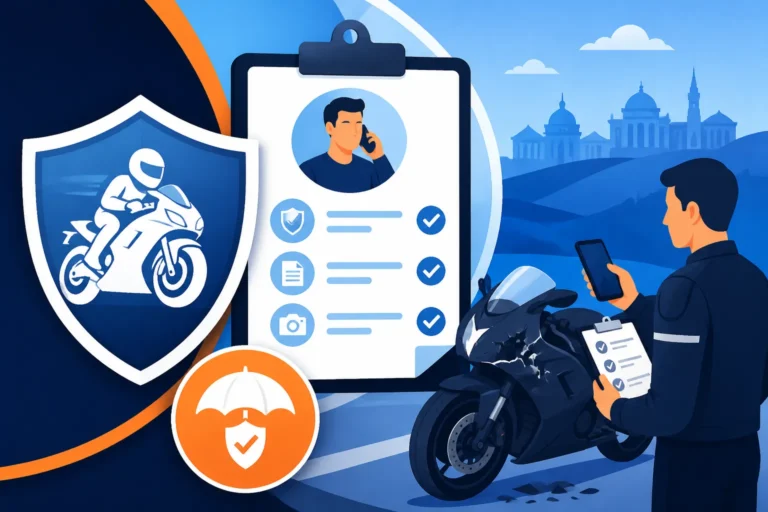
Once safety is secured and emergency services are en route, shift your focus to documentation. This is where you can truly help yourself later on. Grab your phone and start taking photos and videos of everything. Don't just focus on your bike; capture the entire scene. Get wide shots showing the position of all vehicles involved, road conditions, traffic signals, and any relevant landmarks. Then, get close-up shots of all damage to your motorcycle, the other vehicle(s), and any property damage. Include pictures of skid marks, debris, and license plates. The more visual evidence you have, the stronger your claim.
Next, collect information from everyone involved. This includes:
- Other Driver(s): Name, contact number, driver's license number, license plate number, and their insurance company name and policy number.
- Witnesses: Names and contact information. Independent witnesses can provide invaluable unbiased accounts.
- Police Officers: Officer's name, badge number, and the incident report number. Find out how you can obtain a copy of the official report later.
It's natural to want to apologize or admit fault, but please, resist the urge. Stick to the facts. Simply exchange information and state what happened without speculation. Remember, Indiana operates under a "fault" system, which we'll discuss more in a bit, and any statements made at the scene can impact liability. For a more detailed guide on initial actions, check out our resource on What to Do After a Motorcycle Accident (Insurance Steps).
Notifying Your Insurance Company and Starting the Claim
Once the immediate chaos of the accident scene has subsided, the next critical step is to formally notify your insurance company. This is the official start of your motorcycle insurance claim process.
Understanding Indiana's "Fault" System
Indiana is what's known as an "at-fault" or "tort" state for auto and motorcycle insurance. This means that after an accident, the person determined to be at fault for causing the collision is responsible for paying for the damages and injuries of the other parties involved. Unlike "no-fault" states where your own insurance pays for your medical bills regardless of who caused the accident, in Indiana, you typically file a claim against the at-fault driver's liability insurance.
However, it's not always black and white. Indiana also follows a "modified comparative fault" rule. This means if you are found to be partially at fault for the accident, your compensation for damages will be reduced by your percentage of fault. For example, if you sustained $10,000 in damages but were found 20% at fault, you would only be able to recover $8,000. If you are found to be more than 50% at fault, you generally cannot recover any damages from the other party. This is why gathering detailed evidence at the scene is so important, as it helps establish who was truly responsible. Understanding Minimum Liability Insurance Explained (The Three Numbers) can help you grasp the coverage limits that typically apply in these scenarios.
What Information Your Insurer Will Need
As soon as reasonably possible after the accident, you need to contact your own insurance provider. Most major insurers, like Progressive, offer 24/7 claims hotlines or convenient online portals to report an accident. Even if you believe the other driver is 100% at fault, you should still inform your own company. They can guide you through the process, especially if you need to utilize your own coverage (like collision or medical payments) or if the other driver's insurance proves difficult to deal with.
When you call, be prepared to provide:
- Date, time, and location of the accident.
- Details of the incident: A concise, factual description of how the accident occurred. Again, stick to what you know, not what you assume.
- Information about other parties involved: Names, contact details, vehicle information, and insurance details of the other driver(s).
- Police report number: If a report was filed.
- Details of injuries and damages: A preliminary assessment of damage to your motorcycle and any injuries you or your passenger sustained.
- Witness information: If you collected any.
Your insurance company will open a claim and assign a claims adjuster to your case. They will be your primary point of contact moving forward. This is also a good time to review your own policy's coverage details, perhaps looking into Types of Motorcycle Insurance Coverage Explained to refresh your memory on what specific protections you have.
Navigating the Claims Process in Indiana
Once your claim is officially opened, you'll enter the more formal phase of the insurance process. This involves working directly with adjusters, getting your bike assessed, and ultimately, reaching a settlement.
Working with the Adjuster and Vehicle Inspection
The claims adjuster's role is to investigate the accident, determine fault, assess damages, and facilitate the settlement of the claim. If you're filing through the other driver's insurance, their adjuster will be working to minimize their company's payout, so it’s important to be factual and firm. If you're working with your own insurer (e.g., for collision coverage or if the other party is uninsured), your adjuster will help you understand your policy's benefits.
The adjuster will likely want to inspect your motorcycle to assess the extent of the damage. This inspection might happen at your home, a tow yard, or a repair shop. It’s a good idea to have your own photos and any repair estimates you've already obtained ready for their review. Don't feel pressured to accept the first estimate, especially if it seems low or doesn't account for all damages. You have the right to get your bike repaired at a shop of your choosing. Ensure the repair shop is reputable and has experience with motorcycles. They can also help advocate for a fair repair estimate.
If your bike is significantly damaged, the adjuster might declare it a total loss. This typically happens if the cost to repair the bike exceeds a certain percentage of its actual cash value (ACV). When that happens, understanding What Happens When Your Motorcycle Is Totaled? becomes crucial.
Understanding Your Settlement Options
After the adjuster has completed their investigation and assessed the damages, they will present a settlement offer. This offer will depend on various factors:
- Liability: The determined percentage of fault for each party.
- Coverage Limits: The maximum amount of money your or the other party's policy will pay out. For example, the other driver's bodily injury liability and property damage liability limits will dictate how much you can recover from them. In Indiana, the minimum liability coverage is 25/50/25, meaning $25,000 for bodily injury per person, $50,000 for bodily injury per accident, and $25,000 for property damage.
- Damage Assessment: The estimated cost of repairs or the actual cash value (ACV) of your motorcycle if it's totaled. This is where topics like Agreed Value vs Stated Value vs Actual Cash Value come into play, especially for classic or highly customized bikes.
- Medical Bills: For any injuries sustained, this would include medical treatments, lost wages, and pain and suffering.
Review the settlement offer carefully. If it's for repairs, ensure it covers all necessary work, including parts and labor. If your bike is totaled, ensure the ACV offered is fair. You can dispute an offer if you believe it's too low, presenting your own research on your bike's value or additional repair estimates. Keep a detailed record of all communications, documents, and expenses related to the claim. The process can sometimes take a while, so being organized will save you a lot of headaches later. For insights into how long this process might take, consider reading about How Long Does a Motorcycle Insurance Claim Take?.
Common Challenges and How to Overcome Them
Even with all the right steps, filing a motorcycle insurance claim can present unexpected hurdles. Knowing what to look out for and how to respond can significantly ease the burden.
Dealing with Uninsured Motorists in Indiana
One of the most frustrating scenarios is being involved in an accident with an uninsured motorist. Despite laws requiring insurance, it happens more often than we'd like to admit. In Indiana, if the at-fault driver doesn't have insurance, your options are limited unless you've taken proactive steps. This is where Uninsured & Underinsured Motorist Coverage (UM/UIM) becomes your hero. If you have UM/UIM coverage on your own policy, it will kick in to cover your medical expenses, and in some cases, your motorcycle's damage, up to your policy limits.
Without UM/UIM coverage, you might have to pay out-of-pocket for your damages and injuries, or pursue a lawsuit against the uninsured driver personally. However, even if you win a judgment, collecting from someone with no assets can be very difficult. This underscores the importance of carrying adequate UM/UIM coverage, as it acts as a vital safety net against irresponsible drivers. Many riders choose to add this coverage as a standard part of their policy from providers like Progressive or when comparing options through platforms like The Zebra.
When to Seek Legal Counsel
While not every motorcycle accident claim requires a lawyer, there are situations where legal representation can be immensely beneficial:
- Serious Injuries: If you've sustained significant injuries that require extensive medical treatment, result in lost wages, or cause long-term pain and suffering, a personal injury attorney can help calculate and fight for the full compensation you deserve.
- Disputed Fault: If the insurance companies dispute who was at fault, or try to place a high percentage of blame on you, an attorney can gather evidence, interview witnesses, and present your case effectively.
- Low Settlement Offers: If the insurance company makes an offer that doesn't adequately cover your medical bills, lost wages, or motorcycle repairs, a lawyer can negotiate on your behalf.
- Complex Cases: Accidents involving multiple vehicles, commercial vehicles, or unclear circumstances can become complicated quickly. An attorney can navigate these complexities.
- Uninsured/Underinsured Motorists: If you're dealing with a claim against an uninsured or underinsured driver, especially if you have UM/UIM coverage, a lawyer can ensure your own insurance company fulfills its obligations.
Ultimately, if you feel overwhelmed, confused, or that your rights are not being protected, consulting with a personal injury attorney specializing in motorcycle accidents in Indiana is a wise move. Many offer free initial consultations, allowing you to understand your options without commitment.
Motorcycle Insurance Claim Process in Indiana: A Quick Overview
| Step | Description | Key Considerations |
|---|---|---|
| 1. Secure the Scene & Call 911 | Move to safety if possible. Check for injuries. Call emergency services for police and medical assistance, especially if there are injuries or significant damage. | Your safety is priority one. Do not admit fault. Obtain police report number. |
| 2. Gather Information | Collect details from all parties: names, contact info, insurance details, license plates. Get witness contacts. Take comprehensive photos/videos of the scene, vehicles, and damage. Note specific location, time, and road conditions. | Evidence is crucial in Indiana's "at-fault" system. The more detail, the better. |
| 3. Notify Your Insurer | Contact your own motorcycle insurance company as soon as possible, regardless of who you believe is at fault. Provide them with all the details you've collected. | Even if you plan to file with the other party's insurance, informing your own is a good practice. They can advise on policy benefits like What Is Medical Payments MedPay for Riders?. |
| 4. Work with Adjuster & Assess Damage | Your assigned claims adjuster will investigate, determine fault, and arrange for your motorcycle's damage assessment (inspection). Provide all requested documentation and evidence. | Be honest but stick to facts. You have the right to get your bike repaired at a shop of your choosing. Understand what Agreed Value vs Stated Value vs Actual Cash Value means for your bike's payout if totaled. |
| 5. Review Settlement Offer | The adjuster will present a settlement offer for repairs or for your totaled motorcycle, and potentially for medical bills and other losses. | Carefully review the offer. Ensure it covers all costs. If your bike is totaled, verify the fair market value. You can dispute the offer if it's insufficient. Be mindful of How Much Does SR-22 Increase Motorcycle Insurance? if you have a history of violations impacting your rates. |
| 6. Seek Legal Counsel (If Needed) | Consider consulting an attorney for serious injuries, disputed fault, lowball offers, or complications with uninsured motorists. | An attorney can advocate for your rights and help secure fair compensation, especially in complex cases or if you're dealing with Penalties for Riding Without Insurance due to a lapse. |
Navigating a motorcycle insurance claim in Indiana doesn't have to be an impossible task. By understanding your responsibilities, knowing what information to collect, and being aware of Indiana's specific insurance laws, you can confidently steer through the process. Ride safe out there, and remember, preparation is key for both preventing and handling unforeseen incidents.
Disclaimer
Please remember that this information is intended for general guidance only and does not constitute legal or financial advice. Insurance policies and state laws can change, and your specific situation will dictate the best course of action. Always consult with your insurance provider or a qualified legal professional for advice tailored to your individual circumstances.