Can I File a Claim for Laying My Bike Down?
It’s a gut-wrenching moment that most riders dread but many eventually experience: the slow-speed tip-over, the unexpected slide-out on gravel, or just a moment of imbalance in a parking lot. You lay your bike down, and your heart sinks as you see the scrape on the fairing, the bent lever, or worse. Immediately, your mind jumps to the damage, the cost, and then, inevitably, to insurance. Can you actually file a claim for something like this? This comprehensive guide will walk you through the nuances of what happens when you lay your bike down and how your motorcycle insurance policy might — or might not — come to your rescue.
Understanding What "Laying Your Bike Down" Means for Insurance
When we talk about "laying a bike down," it's often a euphemism for an accident that wasn't necessarily a high-speed crash with another vehicle. It could be a simple, avoidable incident, but the damage can still be significant, leaving you with repair bills that sting. Insurance companies have specific ways of categorizing these events, and understanding that language is key to knowing if you have coverage.
The Common Scenarios and the Impact
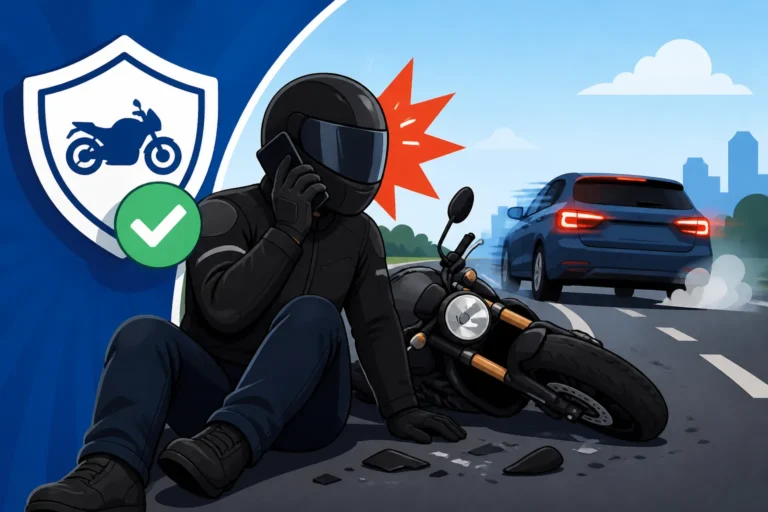
Let's be real, it happens. Maybe you were making a tight turn in a parking lot, hit an unexpected patch of sand, and before you knew it, your beautiful machine was resting on its side. Or perhaps you braked a little too hard on wet pavement, and the front wheel tucked. These aren't typically the dramatic, multi-car pile-ups you see on the news, but they can still result in bent handlebars, scratched paint, broken mirrors, or damaged engine covers. Even a low-speed tip-over can easily rack up hundreds, if not thousands, of dollars in repairs, especially with modern motorcycles that often have delicate fairings and complex components. It's a frustrating situation because, more often than not, it feels like a solitary mistake rather than an external force.
Why It's Not Always a "Crash" in the Traditional Sense
From an insurance perspective, laying your bike down can indeed be considered a type of "accident" or "incident," even if no other vehicles or people were involved. The key distinction isn't always about the speed or severity, but about the cause of the damage. If your bike collides with the ground, a curb, a guardrail, or any stationary object because you lost control, that's generally considered an impact event. The insurance world doesn't differentiate as much between "low-side" or "high-side" slides as it does between what caused the damage and what type of coverage applies. It’s crucial to remember that even if it doesn't feel like a major crash, the damage to your motorcycle is real, and it may trigger certain aspects of your policy.
What Types of Coverage Respond to a Laid-Down Bike?
This is where the rubber meets the road, so to speak. Not all motorcycle insurance policies are created equal, and whether you can file a claim for laying your bike down depends entirely on the specific coverages you've purchased. Most riders think primarily of liability, but that won't help you when it's just your bike that's hurt. You really need to understand the different Types of Motorcycle Insurance Coverage Explained to know if you're protected.
Collision Coverage: The Most Common Responder
Collision coverage is typically your primary go-to for situations where you lay your bike down. This part of your policy is designed to pay for damage to your motorcycle resulting from a collision with another vehicle or object, regardless of who is at fault. And yes, the ground counts as an "object."
For example, if you're riding through a winding back road, misjudge a corner, and slide into a ditch or simply drop the bike on the asphalt, your collision coverage would kick in. It covers the repair costs, minus your deductible. If the damage is extensive enough that your bike is deemed a total loss, collision coverage would help with the payout. This is why having adequate collision coverage is so important, especially for newer or more valuable motorcycles. Without it, you'd be footing the entire repair bill yourself, which could easily be thousands of dollars for even minor cosmetic damage if fairings need replacing and repainting.
Comprehensive Coverage: When It Might Apply
While collision covers impacts, comprehensive coverage is for those "other" unexpected events. Think of things that are generally out of your control. This includes theft, fire, vandalism, falling objects, and animal strikes. It also covers weather-related damage, like hail or flood.
So, could comprehensive coverage apply if you lay your bike down? Generally, no, if the act of laying it down was due to a loss of control on your part (which falls under collision). However, there are very specific, less common scenarios where it might. For instance, if you swerved to avoid an animal, lost control, and laid the bike down because of the animal, some insurers might categorize that under comprehensive. Similarly, if a tree branch suddenly fell and caused you to swerve and drop the bike, comprehensive might be applicable for the direct cause. It's always best to clarify the specific circumstances with your insurance provider, but for a standard tip-over or slide, collision is almost always the relevant coverage.
Accessories and Custom Parts Coverage: Don't Forget Your Mods!
Many riders invest heavily in making their bikes their own, adding everything from aftermarket exhaust systems and custom paint jobs to upgraded suspension and navigation units. If you've laid your bike down, it's not just the stock parts that might be damaged; those expensive accessories are also at risk.
Standard collision or comprehensive policies often have limited coverage for aftermarket parts and accessories. This is where Accessories & Custom Parts Coverage Explained comes in. If you've added this endorsement to your policy, it will specifically cover the repair or replacement of those custom items up to a certain limit. For instance, if your beautifully chromed engine guard gets scratched or your custom saddlebags are ripped, this additional coverage would be invaluable. Without it, you might find that your insurance only covers the cost of replacing the standard factory parts, leaving you out of pocket for all your personal touches. Make sure to regularly update your insurer about any significant modifications to ensure they are adequately covered.
Personal Injury Protection (PIP) or Medical Payments MedPay
While the focus of "laying your bike down" is often on the motorcycle itself, let's not forget about the rider. Even a low-speed tip-over can result in scrapes, bruises, sprains, or even broken bones. Your bodily well-being is paramount, and your policy might offer some protection here.
What Is Medical Payments MedPay for Riders? coverage (sometimes called Personal Injury Protection or PIP in certain states) is designed to help with your medical expenses resulting from an accident, regardless of who caused it. This can cover hospital visits, ambulance rides, X-rays, and even rehabilitation costs. It’s important to note that these coverages have limits and may not be available in all states or for all types of policies. If you have this coverage, it would apply to your injuries sustained during the incident of laying your bike down. This is separate from your health insurance and can be a lifesaver, especially if you have a high deductible on your primary health plan or if the injury doesn't warrant a full health insurance claim. Companies like Progressive often recommend MedPay due to the inherent risks associated with riding.
The Claim Process After Laying Your Bike Down
So, you've determined you likely have the right coverage. Now what? Filing a claim can seem daunting, but it's a straightforward process if you know the steps. Being prepared and organized can make a huge difference in how smoothly things go. If you're unsure about how to proceed, reviewing a guide on How to File a Motorcycle Insurance Claim can be really helpful.
Assessing the Damage and Documenting the Scene
The moment your bike is down, your first priority is safety—yours and anyone else around. Once you've ensured no one is seriously injured and the area is safe, it's time to assess the damage.
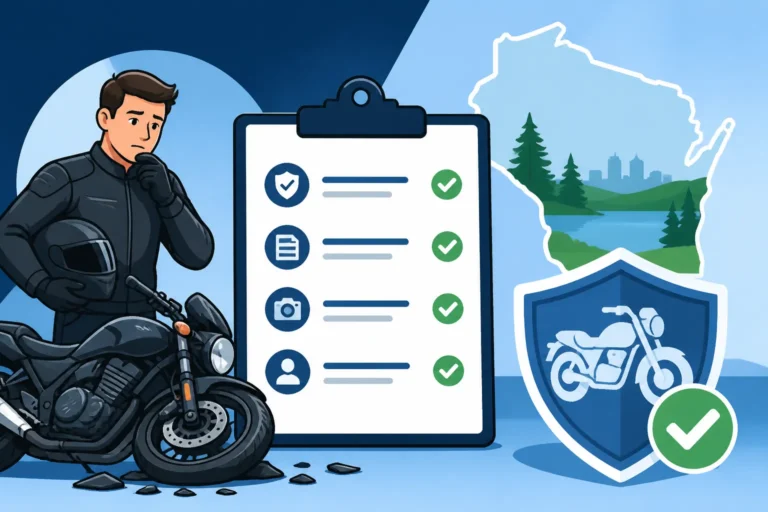
- Take Photos and Videos: Get out your phone and document everything. Take pictures from multiple angles of your bike, the surrounding area, and any visible damage. Zoom in on scratches, dents, bent parts, and fluid leaks. This visual evidence is crucial for your claim.
- Note the Location and Conditions: Where did it happen? Was it a residential street, a parking lot, or a rural road? What were the road conditions—wet, dry, gravel, potholes? Note the time of day and any witnesses.
- Identify Damaged Parts: Make a mental or written list of everything that looks broken or scratched. This initial assessment will help you when speaking with your insurance company and getting repair estimates. Don't touch or move anything more than necessary before documenting it, if possible.
This step is critical, as it provides verifiable evidence for your insurance claim, especially since there's no other vehicle involved to corroborate your story.
Contacting Your Insurance Company
Once you've safely assessed the situation and documented everything, the next step is to contact your insurance provider. You don't have to do it from the side of the road, but aim to do it as soon as reasonably possible.
- Be Clear and Concise: Explain exactly what happened. Don't embellish or minimize. Stick to the facts you gathered. For instance, "I was turning left at a low speed, hit a patch of loose gravel, and the front wheel slid out, causing the bike to drop on its left side."
- Provide Details: Have your policy number, the date and time of the incident, and your documentation ready. They'll ask about the damage and potentially any injuries.
- Ask About Your Deductible: Confirm your collision deductible. This is the amount you'll need to pay out-of-pocket before your insurance coverage kicks in.
- Understand Next Steps: The representative will explain the claims process, including how an adjuster will be assigned and what information they'll need from you. Companies like The Zebra can help you understand these details, offering resources that explain the process in simple terms.
Be prepared for a conversation, and don't hesitate to ask questions if anything is unclear. They are there to guide you through the process, but you're your own best advocate.
What to Expect from the Adjuster and Repairs
After you initiate the claim, an insurance adjuster will be assigned to your case. Their job is to assess the damage, determine the cost of repairs, and ensure the claim aligns with your policy's terms.
- Damage Assessment: The adjuster will likely want to inspect your motorcycle in person or review the photos and videos you provided. They might also ask you to take it to an approved repair shop for an estimate. Be ready to share your documentation and your personal account of the incident.
- Repair Estimates: You might be asked to get one or more repair estimates from certified motorcycle repair shops. The adjuster will compare these estimates to ensure they are fair and reasonable.
- Negotiation (if necessary): If the initial offer for repairs seems too low, don't be afraid to discuss it with your adjuster. Provide your own research or additional estimates if you believe they've missed something. For significant damage, you'll want to ensure all aspects are covered.
- Total Loss Scenario: In some cases, especially with extensive damage to a less expensive or older bike, the repair costs might exceed a certain percentage of the bike's actual cash value (ACV). If this happens, the insurance company might declare your motorcycle a total loss. Understanding What Happens When Your Motorcycle Is Totaled? is crucial in this situation, as the payout process differs.
- Deductible Application: Remember, once the repair costs are approved, you'll pay your deductible directly to the repair shop, and your insurance company will cover the rest, up to your policy limits.
Factors Affecting Your Claim and Future Rates
Filing a claim, even for a simple tip-over, has implications beyond just getting your bike fixed. It can affect your out-of-pocket costs now and potentially your premiums down the road. Understanding these factors will help you make an informed decision about whether to file a claim.
Deductibles and Payouts
Your deductible is the amount you agree to pay yourself before your insurance coverage begins. If your deductible is $500 and the damage to your bike is $800, your insurance company will pay $300, and you'll pay the $500 deductible. If the damage is only $400, which is less than your $500 deductible, there's no financial benefit to filing a claim, as the insurance company won't pay anything, and you'll still have a claim on your record.
It’s a balancing act. Choosing a higher deductible often means lower monthly premiums, but it also means you pay more out-of-pocket when an incident occurs. Conversely, a lower deductible means higher premiums but less expense during a claim. When you lay your bike down, you need to quickly assess the estimated repair costs against your deductible. For minor cosmetic damage, sometimes it's simply not worth involving insurance. Consider the guide on deductibles and payouts for a more in-depth look.
Impact on Future Premiums and Your Driving Record
This is often the biggest concern for riders: will filing a claim make my rates skyrocket? The honest answer is, it might. Insurance companies look at your claims history when determining your risk profile and, consequently, your premiums.
- At-Fault Claims: When you lay your bike down due to your own error (e.g., misjudging a turn, hitting gravel, dropping it in a parking lot), it's generally considered an "at-fault" incident. At-fault claims typically have a greater impact on your premiums than non-at-fault incidents (like an animal strike covered by comprehensive).
- Rate Hikes: After an at-fault claim, your insurer might increase your premium at renewal time. The exact increase varies widely based on your insurer, your claims history, your driving record, and even your state's regulations. Some companies, like Progressive, offer "accident forgiveness" programs, but these often come with specific eligibility requirements and might not cover your very first claim.
- Duration of Impact: A claim can stay on your insurance record for several years, typically three to five years, potentially affecting your rates during that period.
Before filing, it’s wise to consider the potential long-term cost of increased premiums versus the immediate cost of repairs. Sometimes paying for small repairs out-of-pocket can save you money in the long run. Learn more about What Happens to My Rate After a Motorcycle Claim? to understand the full implications.
When Not to File a Claim
Given the potential impact on your premiums and the existence of a deductible, there are definitely times when filing a claim for laying your bike down might not be in your best financial interest.
- Damage Below or Slightly Above Your Deductible: If the repair estimate for your bike is less than or only slightly more than your deductible, paying out of pocket is often the smarter move. For instance, if your deductible is $1,000 and the repair bill is $1,100, your insurance would only pay $100. Is that $100 worth a potential rate increase that could cost you hundreds over the next few years? Probably not.
- Minor Cosmetic Damage: A small scratch on the fairing or a scuff on the exhaust pipe might be annoying, but if it doesn't impair the bike's function or safety, consider living with it or paying for a localized repair out of pocket. Many riders embrace the "character" of a few battle scars.
- Fear of Rate Hikes: If you have a clean driving and claims record and want to keep it that way, avoiding a claim for a minor incident can prevent your premiums from rising. This is especially true if you are a younger rider or a new rider, as your rates might already be higher. Reviewing guides on How to Lower Your Motorcycle Insurance Premium can also offer strategies to offset potential increases.
Weighing the Pros and Cons of Filing a Claim
Deciding whether to file a claim after laying your bike down is a personal choice, but it should be an informed one. You need to balance the immediate financial relief against the potential long-term consequences.
Financial Recovery vs. Potential Rate Hikes
On one hand, your insurance exists for exactly these kinds of unexpected events. If you've invested in comprehensive and collision coverage, you've been paying premiums with the expectation that it will protect your investment. When a significant incident occurs, filing a claim allows you to recover most of the repair costs, alleviating a potentially heavy financial burden. This is especially true if the damage is substantial, running into thousands of dollars.
On the other hand, the financial relief might come at a cost in the form of increased premiums. As discussed, an at-fault claim can signal to insurers that you're a higher risk, leading to higher rates for several years. This trade-off needs careful consideration. If the repairs are, say, $2,000 and your deductible is $500, your insurer pays $1,500. But if your rates go up by $200 a year for three years, you'll have paid an additional $600 in premiums. In this scenario, the net benefit from the claim shrinks considerably. It becomes a matter of assessing your individual financial situation and risk tolerance. Many providers, including The Zebra and Progressive, allow you to get quick quotes to see how a hypothetical claim could impact your premiums, which might help inform your decision.
The Long-Term View
Think beyond just the immediate repair bill. What are your plans for the bike? Are you thinking of selling it soon? A visible repair from an accident, even if minor, could affect its resale value. While insurance helps cover repair costs, it doesn't erase the history of the incident.
Also, consider your overall insurance profile. If this is your first minor incident in a long, otherwise spotless riding career, the impact might be less severe than if you've had multiple claims in recent years. Maintaining a clean claims history can qualify you for valuable discounts in the long run. Sometimes, for minor damage, it's about preserving your clean record and taking the hit yourself to maintain a lower long-term premium. It’s a strategic choice that every rider faces at some point. Remember, you can always get How to Compare Motorcycle Insurance Quotes after a few years to see if switching companies can help mitigate any rate increases.
Disclaimer
This article is for general informational purposes only and does not constitute professional advice. Laws, prices and regulations vary by location and change over time. Consult a qualified professional for guidance on your specific situation.