How to Add a New Motorcycle to Your Policy
So, you've done it! You found that perfect new bike, maybe a sleek sportbike you've been eyeing or a comfortable cruiser for those long-haul trips. The excitement is real, but then a familiar little voice creeps in: "What about the insurance?" It’s easy to get caught up in the thrill of a new set of wheels and forget the nitty-gritty, but getting your new motorcycle properly covered is crucial. This guide is here to walk you through exactly how to add that shiny new motorcycle to your existing insurance policy, covering all the details you need to know to ride legally and confidently.
Understanding the Urgency: Why Timeliness Matters
It's tempting to think you can just buy the bike, ride it home, and deal with insurance later, especially if you already have a policy. But that's a risky gamble. Every state has specific Motorcycle Insurance Requirements by State (2026 Guide), and driving uninsured, even for a short trip, can lead to serious headaches and financial penalties.
The "Grace Period" Myth and Reality
Many riders assume there's a universal "grace period" for adding a newly acquired vehicle to an existing policy. While this isn't entirely a myth, its reality is far more nuanced and often misunderstood. Most auto insurance policies do offer a short grace period, usually between 7 to 30 days, to add a new vehicle and have it covered under the same terms as your existing vehicle. However, this isn't always the case for motorcycles, and even when it is, it typically only extends to liability coverage, not necessarily comprehensive or collision, which are often what you need most for a brand new bike.
For instance, if you have liability-only coverage on your current motorcycle, that's likely the only coverage that will extend to your new bike during the grace period. This could leave your beautiful new machine vulnerable to theft, damage, or other non-collision incidents if you don't act swiftly. It's also critical to understand that this grace period often only applies if you already have an active policy with the insurer. If you're buying your very first motorcycle or switching carriers, this grace period concept likely won't apply at all. Always, always check with your specific insurance provider – like Progressive or The Zebra – to understand their exact terms.
Risks of Delayed Coverage
The dangers of delaying coverage go far beyond just a lapse in protection. Imagine this scenario: you just bought a pristine Harley-Davidson, you're riding it home, feeling the wind in your hair, and then boom—a deer jumps out, or worse, you're involved in a collision that's your fault. Without proper coverage, you're not just looking at repair costs for your new motorcycle; you could be on the hook for significant medical bills for yourself or others, property damage, and potentially legal fees.
Furthermore, state laws are strict. If you're pulled over without proof of insurance, even if you were planning to add it the next day, you could face hefty fines, points on your license, vehicle impoundment, and even license suspension. These penalties can also lead to higher insurance rates in the future, possibly requiring an SR-22 filing depending on the severity of the offense. In some states, riding without insurance is a criminal offense, not just a traffic violation. It's simply not worth the risk. Make it a priority to sort out your insurance before you even think about hitting the open road with your new acquisition.
Gathering Your Intel: What You'll Need Before You Call
Before you even pick up the phone or open your insurer's app, arm yourself with all the necessary details. Having this information handy will make the process much smoother and quicker, preventing frustrating callbacks or delays. Think of it as your pre-flight checklist before taking off on a new insurance journey.
New Bike Specifics: VIN, Make, Model, Year
This is perhaps the most crucial information you'll need. Your insurance company will use these details to accurately identify the motorcycle and calculate your premium. Every bike is unique, and its characteristics directly influence the cost of coverage.
- Vehicle Identification Number (VIN): This 17-character code is your motorcycle's fingerprint. It uniquely identifies your specific bike, including its manufacturer, year, model, and even the plant where it was built. You'll find it stamped on the steering neck or frame, and it should also be on the title and registration documents. The VIN is essential for your insurer to pull up all the relevant specifications and ensure you're getting a quote for the correct machine.
- Make and Model: Is it a Honda Rebel, a Kawasaki Ninja, or an Indian Scout? The make and model tell your insurer a lot about the bike's class, performance, and general risk profile. For example, Sport Bike Insurance Cost Why So High is often higher than for a cruiser due to performance capabilities and repair costs.
- Year of Manufacture: The year helps determine the bike's age, its current market value, and the availability of parts for repair. Newer bikes, especially high-value ones, often warrant more comprehensive coverage, while older, vintage models might be covered differently.
- Odometer Reading: While not always required for the initial quote, having the current odometer reading can sometimes influence usage-based discounts or help in valuation, especially for custom or collector bikes.
Your Rider Profile and History
While the new bike itself is a big factor, your personal riding history and profile play an equally significant role in determining your insurance rates. Insurers assess risk based on who you are as a rider.
- Riding Experience: How long have you been riding? Are you a seasoned veteran or a newer rider still gaining experience? Often, the longer you've held a motorcycle endorsement and maintained a clean record, the better your rates. For example, Motorcycle Insurance Cost for a Beginner is often higher than for an experienced rider.
- Driving Record: Any past accidents, traffic violations, or DUIs/DWIs on your record (car or motorcycle) will impact your premium. A clean driving history is your best friend when it comes to affordable insurance.
- Age and Gender: While less impactful than your driving record, age and, to a lesser extent, gender can still factor into actuarial tables, especially for younger riders.
- Motorcycle Safety Course Completion: Many insurers, including large providers, offer discounts for riders who complete an approved motorcycle safety course. This demonstrates a commitment to safe riding practices. Make sure you have proof of completion!
- Current Insurance Information: Your policy number, the types of coverage you currently have, and your existing deductibles will all be necessary.
Financing and Lienholder Information
If you've financed your new motorcycle, there's another crucial piece of the puzzle: your lender. They have a financial interest in your bike, and they'll require specific coverages to protect their investment.
- Lienholder's Name and Address: This is the bank, credit union, or financial institution that holds the loan on your motorcycle. Your insurer will need their full legal name and mailing address.
- Required Coverage Levels: Lienholders almost always require "full coverage," which typically means you'll need collision and comprehensive coverage in addition to your state's minimum liability requirements. They might also specify certain deductible limits (e.g., no higher than $500 or $1,000) or even require additional coverages like gap insurance to protect against the difference between the bike's value and what you still owe if it's totaled.
- Proof of Insurance: Your lender will want proof that you've insured the motorcycle to their specifications, and your insurance company will send them a certificate of insurance directly. It's a standard procedure to protect both you and the lender.
By having all these details organized before you even contact your insurer, you'll be able to breeze through the process and get your new bike covered quickly and correctly.
The Step-by-Step Process: Adding Your New Ride
Adding a new motorcycle to your policy might seem like a daunting task, but it’s usually quite straightforward when you know the steps. With your information ready, you'll be surprised how quickly you can get everything sorted.
Contacting Your Current Insurer
The first and most direct route is to get in touch with your existing motorcycle insurance provider. Since you already have a relationship with them, they'll have most of your personal information on file, which simplifies the process significantly.
- Phone Call: This is often the quickest and most personal way to add a new bike. You can speak directly with an agent who can answer any questions, explain your options, and update your policy in real-time. Make sure to have your policy number handy when you call. Companies like Progressive offer 24/7 customer service, which can be a lifesaver if you're bringing home a new bike outside of typical business hours.
- Online Portal/App: Many insurers now offer robust online portals or mobile apps that allow you to manage your policy, get quotes, and even add new vehicles. This can be very convenient if you prefer a self-service approach or need to do it after hours. Just log in, navigate to your policy, and look for an option to "add a vehicle" or "make a policy change."
- Local Agent: If you work with a local insurance agent, reach out to them. They can provide personalized advice, help you compare different coverage options, and often handle all the paperwork for you. They're also great resources for bundling discounts or other ways to save on your premium.
When you contact them, be clear that you want to add a new motorcycle to your existing policy. Provide all the specific details you gathered earlier—the VIN, make, model, year, and any lienholder information. They will then generate a new quote for you based on the additional motorcycle.
Deciding on Coverage Levels for the New Bike
This is where you make critical decisions about how much protection you want for your new investment. It's not just about meeting legal requirements; it's about safeguarding your financial well-being. Understanding the Types of Motorcycle Insurance Coverage Explained is crucial here.
- Minimum Liability: At the very least, you'll need to meet your state's minimum liability requirements. This coverage pays for damages and injuries you cause to other people and their property if you're at fault in an accident. Remember, liability doesn't cover your own bike or your own injuries. You can find detailed breakdowns of these minimums in articles like Motorcycle Insurance Minimums: 25/50/25 Meaning.
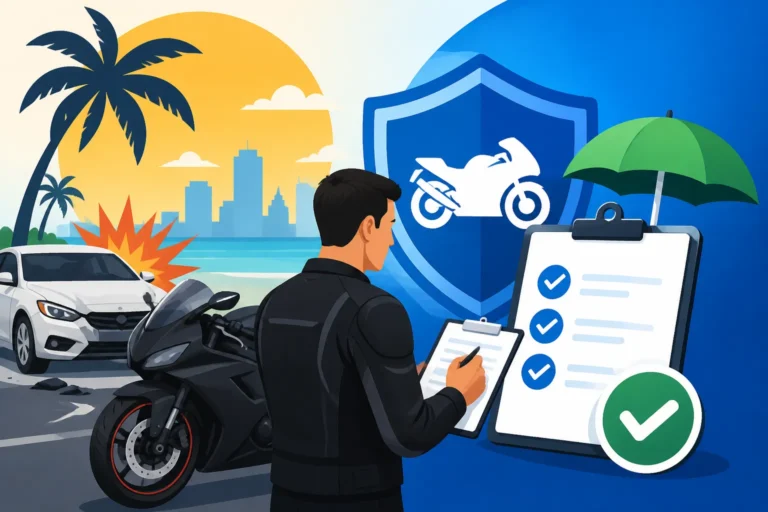
- Collision Coverage: This pays for damages to your motorcycle if it collides with another vehicle, an object (like a tree or a guardrail), or if it overturns. This coverage is usually mandatory if you have a loan on your bike.
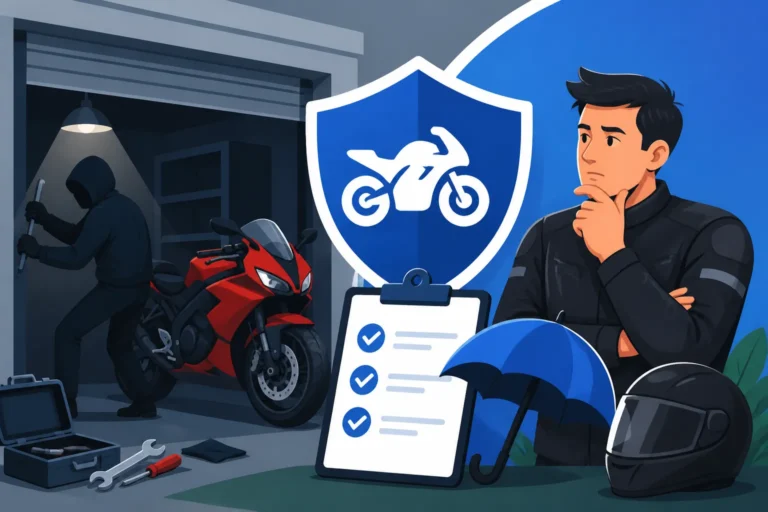
- Comprehensive Coverage: This is your protection against non-collision incidents such as theft, vandalism, fire, natural disasters (like hail or floods), or hitting an animal. It's also often required by lenders for financed motorcycles.
- Uninsured/Underinsured Motorist (UM/UIM): Given the number of uninsured drivers on the road, UM/UIM coverage is incredibly valuable. It protects you if you're hit by a driver who has no insurance or not enough insurance to cover your damages and medical bills.
- Medical Payments (MedPay) or Personal Injury Protection (PIP): These cover medical expenses for you and your passengers, regardless of who is at fault for the accident. The availability and specifics of these coverages vary by state.
- Accessories and Custom Parts Coverage: If your new bike has custom paint, aftermarket exhaust, or expensive accessories like saddlebags, make sure to add this specific coverage. Standard policies usually only cover factory parts up to a certain limit.
Consider the value of your new bike, your financial situation, and your riding habits when choosing your coverage. While full coverage for motorcycles might seem like a lot, it often provides the most peace of mind, especially for newer or high-value bikes.
Reviewing and Finalizing the Policy
Once you've discussed coverage options and received your new quote, take a moment to review everything carefully before agreeing.
- Understand the New Premium: Your total premium will likely increase because you're adding another vehicle. Understand how the new bike, coverage choices, and any applicable discounts have influenced the new cost. Don't be afraid to ask for a breakdown.
- Confirm Effective Date: Ensure the coverage for your new motorcycle starts on the exact day you need it, ideally the day you take possession.
- Check for Discounts: Ask your insurer if adding a second bike qualifies you for any multi-vehicle or multi-policy discounts. Many companies offer incentives for insuring more than one motorcycle or bundling your auto and motorcycle policies. You might also ask about discounts for taking a motorcycle safety course or being a member of a riding organization.
- Receive Proof of Insurance: Once the policy is finalized, your insurer will issue updated proof of insurance. This could be a new ID card, an updated policy declaration page, or digital proof accessible via an app. Ensure you have this documentation with you whenever you ride your new motorcycle, especially if you're heading out to destinations where Riding Across State Lines: Insurance & Helmet Rules might apply.
By following these steps, you'll ensure your new motorcycle is fully protected and you're compliant with all legal requirements, allowing you to enjoy your new ride without unnecessary worries.
Navigating the Change: What Happens to Your Existing Policy
Adding a new motorcycle isn't just about the new bike; it also impacts how your existing policy functions, especially if you're still holding onto your old ride or planning to sell it soon. Understanding these dynamics is key to avoiding coverage gaps or overpaying.
If You're Keeping Both Bikes
Congratulations, you're now a multi-bike owner! This is a common scenario, and most insurance companies are set up to handle it seamlessly. When you add a second motorcycle, your insurer will essentially update your existing policy to reflect both vehicles.
- Consolidated Policy: Instead of having two separate policies, your insurer will typically consolidate them into one master policy. This makes management easier, as you'll have one renewal date, one bill, and one point of contact for all your insured motorcycles.
- Multi-Bike Discounts: One of the biggest perks of having multiple bikes on one policy is the potential for significant discounts. Insurers love it when you keep all your business with them, and they often reward loyalty. This is a great opportunity to ask about a Multi-Bike Discount: Insuring More Than One Motorcycle if it hasn't been automatically applied. These savings can sometimes make the cost of insuring a second bike surprisingly affordable.
- Reviewing Coverage for Both: This is a fantastic time to review the coverage levels for both your motorcycles. Perhaps your old bike, now relegated to occasional rides or a backup, doesn't need the same comprehensive collision coverage as your brand new, high-value machine. You might consider adjusting the coverage on the older bike to liability-only or comprehensive-only if it's stored for long periods, potentially lowering your overall premium. Conversely, if your older bike has sentimental value or custom modifications, ensure it's still adequately protected.
- Impact on Deductibles: Clarify how deductibles apply across multiple bikes. Some policies might have a per-occurrence deductible, while others might apply it per vehicle in certain situations. Make sure you understand how much you'd pay out-of-pocket if both bikes were involved in separate incidents or if one incident affected both.
If You're Selling or Trading In Your Old Bike
Often, a new bike means the old one is moving on. If you're selling or trading in your previous motorcycle, the process of updating your policy will involve removing the old bike and adding the new one. This needs to be handled carefully to avoid lapses or unnecessary charges.
- Timing is Everything: Coordinate the removal of your old bike and the addition of your new one precisely. Ideally, you want to remove the old bike from your policy after it's officially sold and transferred to the new owner, and add the new bike before you take possession. This ensures there's no gap in coverage for either vehicle. Check out our guide on Selling or Buying a Motorcycle: Insurance Steps for more detailed advice on this transition.
- Refund for Unused Premium: If you've paid your policy premium in advance (e.g., for six months or a year), and you remove a vehicle mid-term, you should be entitled to a pro-rated refund for the unused portion of the premium associated with that motorcycle. Don't forget to inquire about this.
- Proof of Sale: Keep a record of the sale or trade-in, including the date and the new owner's information. This is important for your own records and can be helpful if any questions arise later regarding the old bike's insurance status.
- Policy Adjustments: Your overall premium will adjust based on the net change in risk. If your new bike is more expensive to insure than your old one, your premium will likely go up. If it's less expensive, or if you're replacing a high-risk bike with a lower-risk model, your premium could potentially decrease. This is also a good opportunity to re-evaluate your What Affects Your Motorcycle Insurance Rate and see if any other factors have changed that could lead to further adjustments.
By thinking through these scenarios, you can manage your motorcycle insurance effectively, whether you're expanding your fleet or simply upgrading your ride.
Impact on Your Wallet: Factors Affecting Your New Premium
One of the first questions on every rider's mind when adding a new motorcycle is, "How much is this going to cost me?" The truth is, there's no single answer because so many variables come into play. Your new premium isn't just a simple add-on; it's a recalculation based on a combination of factors related to the bike itself, you as the rider, and even where you live. For a general overview, you can explore our guide on How Much Is Motorcycle Insurance? 2026 Cost Guide.
The New Bike's Influence: Type, CCs, Value
The characteristics of your new motorcycle are perhaps the most significant drivers of its insurance cost. Insurers look at how likely a bike is to be involved in an accident, how much it would cost to repair or replace, and its theft risk.
- Motorcycle Type: Is it a sportbike, a cruiser, a touring bike, or something else? Generally, sportbikes, with their high performance and often higher accident rates, tend to have the highest insurance premiums. Cruisers and touring bikes, designed for more relaxed riding, typically fall in the middle. Dirt bikes and scooters usually have lower premiums because they are considered lower risk. We dive deeper into this in our Motorcycle Insurance Cost by Bike Type article.
- Engine Size (CCs): Larger, more powerful engines often mean higher speeds and, statistically, a higher risk of accidents. So, a 1000cc superbike will almost certainly cost more to insure than a 250cc beginner bike. Even within the same class, a higher displacement engine typically translates to a higher premium.
- Value and Repair Cost: A brand new, top-of-the-line motorcycle with advanced electronics and specialized parts will cost significantly more to repair or replace than an older, more basic model. This higher potential payout directly impacts your comprehensive and collision premiums. Custom modifications and accessories also increase the value, and thus the cost, often requiring special add-on coverage to ensure they are fully protected.
- Theft Rates: Certain makes and models are more frequently targeted by thieves. If your new bike is on a high-theft list in your area, your comprehensive coverage premium might be higher to reflect that increased risk. For example, some Harley-Davidson models are popular targets, influencing their insurance rates.
Your Evolving Rider Profile and Discounts
While the bike is a big piece of the puzzle, you remain a crucial factor. Your driving history and how you've matured as a rider (or potentially picked up a new ticket!) will always impact your rates.
- Recent Claims or Tickets: If you've had an accident or received a speeding ticket since your last policy review, your rates will likely increase when you add the new bike, as you're now perceived as a higher-risk rider.
- Age and Experience Milestones: Sometimes, simply getting older (especially passing the 25-year mark) can lead to slight decreases in rates, assuming a clean record. Conversely, if you're a new rider, your rates might be higher regardless of the bike you choose.
- Motorcycle Safety Course: As mentioned before, completing a certified motorcycle safety course is a proven way to reduce your risk and, consequently, your premium. If you recently took one, ensure your insurer knows about it!
- New Discounts: When you add a new bike, ask about new discounts you might now qualify for. Perhaps you can now get a multi-bike discount, a multi-policy discount (if you bundle with auto or home insurance), or even an anti-theft device discount if your new bike comes with one. Even if you're staying with the same insurer, it's worth reviewing all potential savings. Don't forget to ask your agent for a list of all available discounts to see How to Lower Your Motorcycle Insurance Premium.
Geographic and Usage Considerations
Where you live and how you plan to use your new motorcycle also play a role in your premium. Insurance rates are highly localized.
- Location: Living in an urban area with higher traffic density, crime rates, or more reported accidents will typically result in higher premiums than living in a rural area. Even moving to a different zip code within the same city can affect your rates.
- Storage: Where do you store your motorcycle? In a locked garage? A shared parking lot? A secure garage is generally seen as lower risk than street parking, which can lead to lower comprehensive coverage rates.
- Annual Mileage: If you plan to ride your new bike significantly more than your old one, or if your overall annual mileage increases, your risk exposure goes up, potentially affecting your rates. Some insurers offer "low mileage" discounts.
- Seasonal Riding: If you only ride seasonally, some insurers, like Dairyland, offer options like a lay-up period or seasonal policies where you can reduce coverage during the off-season, saving you money. However, remember that you'll still need comprehensive coverage to protect against theft or damage while stored.
By understanding these multifaceted factors, you can anticipate how adding your new motorcycle will impact your overall insurance costs and be better prepared to discuss options with your insurer.
Smart Moves: Tips for a Seamless Transition
Adding a new motorcycle to your policy shouldn't be a source of stress. With a little foresight and strategic thinking, you can make the process smooth and potentially even save some money. Here are some pro tips from a veteran rider and blogger.
Shopping Around Even with an Existing Policy
Just because you have a great relationship with your current insurer for your old bike doesn't mean they'll automatically offer you the best deal for your new one, especially if the new bike is a different type or significantly more valuable. It's always a smart move to shop around, even when adding to an existing policy.
- Compare Quotes: Don't just settle for the first quote your current insurer gives you. Take the information you've gathered (VIN, desired coverage levels, rider history) and get quotes from at least three to five other reputable motorcycle insurance companies. Websites like The Zebra can be incredibly helpful for quickly comparing multiple quotes from different providers side-by-side, saving you a ton of time and effort. You might be surprised at the difference in pricing for the exact same coverage.
- Leverage Competition: If you find a significantly better quote from another insurer, don't be afraid to go back to your current provider and see if they're willing to match or beat it. Loyalty can sometimes be rewarded, but only if they know they have competition.
- Consider a New Home for All Your Policies: If a new insurer offers a fantastic rate for your new motorcycle, check their rates for your existing motorcycle, car insurance, or even home insurance. You might find that moving all your policies to a new carrier results in substantial multi-policy discounts, making the switch even more worthwhile. Our guide on How to Compare Motorcycle Insurance Quotes provides an excellent framework for this process.
Leveraging Discounts and Bundling Options
Discounts are your best friend when it comes to keeping insurance costs down. When adding a new motorcycle, it's the perfect time to explore every possible saving opportunity.
- Multi-Vehicle Discount: As mentioned, if you're keeping both bikes, this is a no-brainer. Make sure it's applied.
- Multi-Policy/Bundling Discount: This is one of the most powerful ways to save. If you have auto insurance, home insurance, or even renters insurance with another company, ask if bundling everything with your motorcycle insurer can lead to savings. Companies like Progressive are known for offering competitive bundling options. It’s definitely worth seeing if Bundling Motorcycle and Auto Insurance: Worth It? for your specific situation.
- Rider Training Discount: If you've taken a motorcycle safety course, make sure it's reflected in your rates. Even if you took one years ago, confirm it's still noted.
- Anti-Theft Device Discount: Does your new bike have an alarm, GPS tracker, or immobilizer? These can often qualify for a discount on your comprehensive coverage.
- Storage or Lay-Up Discounts: If you only ride seasonally and store your bike for several months of the year, ask about options to reduce your coverage (while maintaining comprehensive) during the off-season. This can save you a good chunk of change.
- Group Affiliation Discounts: Are you part of a motorcycle club, a military veteran, or an alum of a certain university? Many insurers offer discounts for various affiliations.
- Good Rider/Driver Discount: A clean driving record (no accidents or tickets) often translates to lower premiums. Keep that record pristine!
Confirming All Details Before You Ride Off
The last thing you want is to think you're covered, only to find out there was a miscommunication or an overlooked detail when you really need it.
- Get it in Writing: Always request confirmation of your updated policy in writing (email, mail, or accessible through your online portal). This document should clearly list both motorcycles, their coverage levels, effective dates, and your new premium. Review it meticulously to ensure everything is correct.
- Understand Your Deductibles: Make sure you're clear on the deductibles for each type of coverage (collision, comprehensive) and how they apply to each bike.
- Review All Endorsements: If you added special coverages like accessories, roadside assistance, or trip interruption, confirm they are explicitly listed on your policy.
- Proof of Insurance is Key: Ensure you have physical or digital proof of insurance for your new motorcycle before you leave the dealership or take it for its first real spin. Many states now accept digital proof on your smartphone, but it’s always wise to have a physical copy too, just in case. Don't forget that different states have different requirements for proof, so it’s good to be aware, especially if you plan on Riding Across State Lines: Insurance & Helmet Rules.
By being proactive, detail-oriented, and not afraid to shop around, you can make adding your new motorcycle to your insurance policy a smooth, stress-free experience, leaving you more time to enjoy the open road.
Disclaimer
Please remember that insurance policies, laws, and rates can change. This information is intended for general guidance only and does not constitute professional insurance advice. Always consult with a licensed insurance professional to discuss your specific needs and review your policy details. State-specific laws and requirements vary, and your personal circumstances will dictate the best coverage for you.