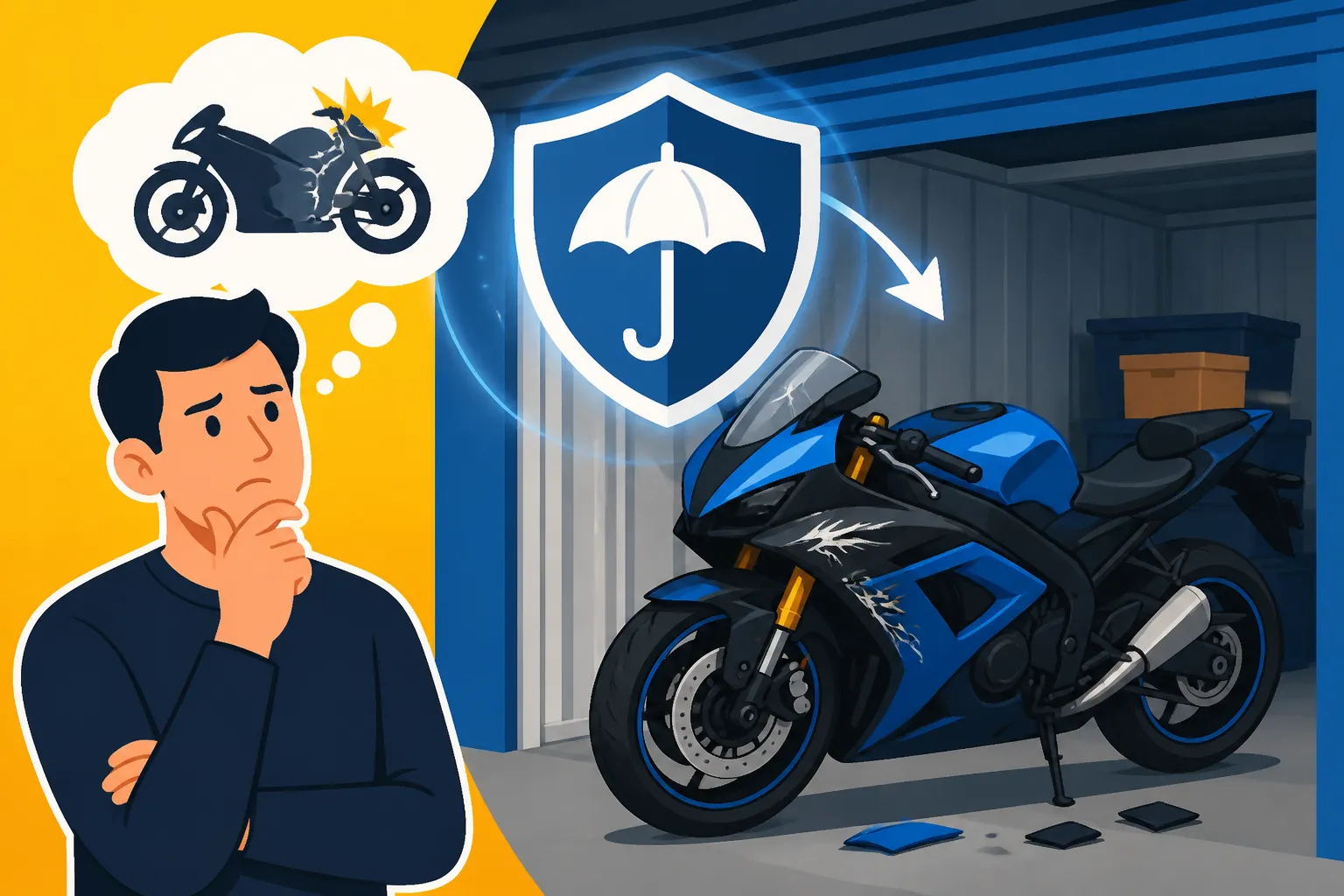
What if My Motorcycle Is Damaged While in Storage?
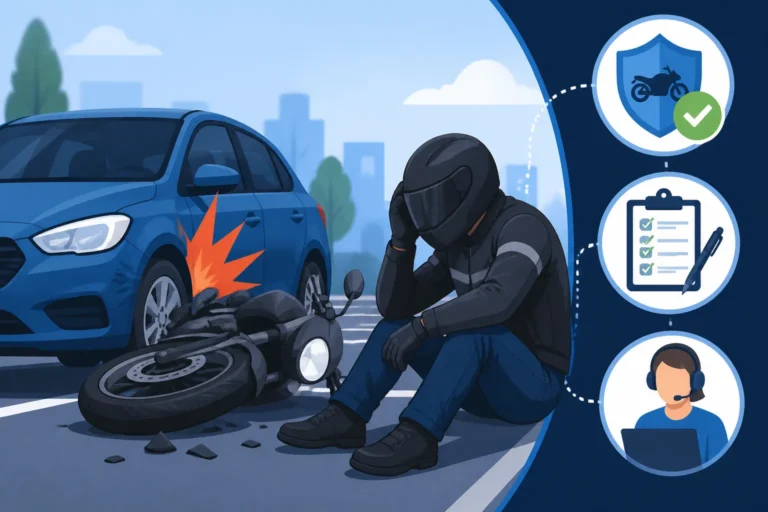
It’s a feeling no rider wants to experience: you head out to the garage, shed, or storage unit, full of anticipation for a ride, only to find your beloved motorcycle damaged. Whether it's been knocked over, vandalized, or caught in a natural disaster, finding your bike harmed while it’s tucked away for safekeeping can be incredibly frustrating and confusing. This guide will walk you through what to do if your motorcycle is damaged in storage, what your insurance policy might cover, and how to best protect your bike in the off-season.
Understanding Your Policy: What Covers Storage Damage?
The type of insurance coverage you carry is the absolute first thing to understand when your motorcycle suffers damage while stored. Many riders mistakenly assume their basic policy will cover everything, but that's often not the case. Different types of coverage kick in for different kinds of incidents, especially when your bike isn't actively on the road.
Comprehensive Coverage: Your Best Friend
When it comes to damage that occurs while your motorcycle is in storage, comprehensive coverage is usually the hero you're looking for. This isn't about accidents you cause or other vehicles hitting you – that's collision or liability. Instead, comprehensive steps in for events largely outside your control. Think of things like theft, vandalism, fire, falling objects, severe weather (like hail or floods), and even animal damage.
For example, imagine a scenario where a brutal winter storm rolls through, and a tree limb breaks off, crashing through your shed roof and onto your parked Harley-Davidson. Or perhaps a pipe bursts in your garage over the winter, flooding the area and damaging your Triumph Bonneville. These are exactly the kinds of incidents comprehensive coverage is designed to handle. Without it, you'd be footing the bill for repairs or replacement entirely out of your own pocket, which can be a devastating financial hit. It’s worth noting that even if your bike is simply sitting there, hazards can find it. You can learn more about Types of Motorcycle Insurance Coverage Explained to get a full picture of what’s available.
The Limitations of Basic Coverage
Many riders, especially those with older bikes or who ride infrequently, opt for minimum liability coverage to save money. While liability insurance is crucial for protecting you financially if you cause an accident that injures others or damages their property, it offers absolutely no protection for your own motorcycle. If your bike is stolen from your locked garage with only liability coverage, you're out of luck.
Similarly, collision coverage, while important for on-road accidents, doesn't typically apply to damage that occurs while your bike is parked and not involved in a collision with another vehicle or object in motion. If your motorcycle tips over in your garage because you accidentally bumped it, or if it falls over in a strong gust of wind while parked, collision coverage generally won't come into play. It's specifically for those moments of impact on the road. This distinction is critical because many storage incidents aren't "collisions" in the traditional sense, highlighting why comprehensive is so vital.
Specialized Storage Coverage Options
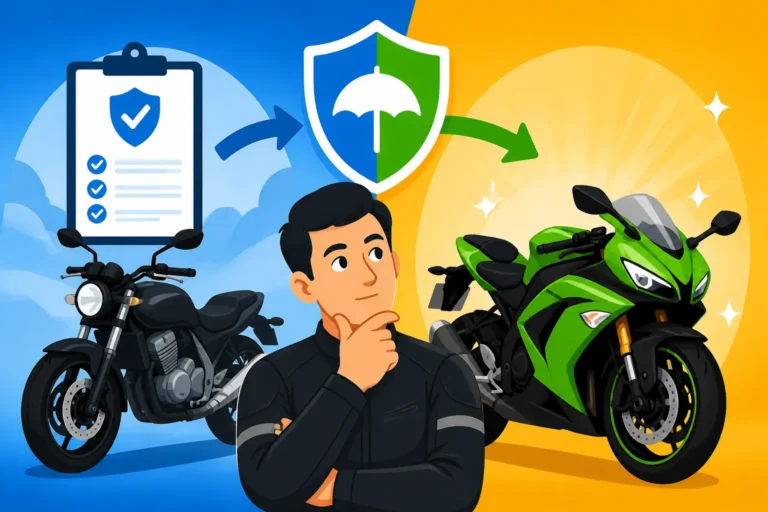
Did you know that some insurers offer specific coverage options tailored for motorcycles in storage? It’s true! These policies, sometimes called "seasonal lay-up" or "storage insurance," are designed for riders who put their bikes away for extended periods, usually during colder months. The beautiful part is they can often save you money on premiums while still providing essential protection. Since you're not riding, the risk of a collision is zero, so you don't need to pay for that part of your policy.
With a seasonal lay-up policy, you effectively pause your liability and collision coverages but maintain comprehensive coverage. This means your motorcycle remains protected against theft, fire, vandalism, and other non-collision damages while it's safely tucked away. Once the riding season returns, you simply reactivate your full policy. It's a smart way to lower your annual insurance costs without leaving your valuable asset completely exposed. Before making changes, you might want to look into Do You Need Insurance to Store a Motorcycle? to understand the nuances of storage-specific coverage.
Common Scenarios: How Motorcycles Get Damaged in Storage
It’s easy to think your bike is impervious to harm once it’s in a garage or storage unit, but unfortunately, that’s not always the case. Damage can strike in numerous ways, some of which are surprisingly common.
Theft and Vandalism
This is a nightmare scenario for any rider. Even a locked garage or a seemingly secure storage facility isn't always enough to deter determined thieves. Motorcycles are often targeted because they can be more easily transported than a car, sometimes even lifted into the back of a van. Imagine coming home to find your garage door pried open and your custom-built Indian Chief gone. Or, perhaps, a less severe but equally disheartening situation where your bike is still there, but someone has scratched the paint, slashed the tires, or stolen valuable accessories like your aftermarket exhaust or GPS unit.
Vandalism, unfortunately, doesn't always involve outright theft. It could be targeted malice or simply random acts of destruction. Whether it's a stolen component or deliberate defacement, these incidents fall squarely under comprehensive coverage. Having detailed records and photos of your bike, especially any custom parts or expensive additions, can be incredibly helpful when filing a Motorcycle Theft Claim: How It Works.
Fire, Flood, and Natural Disasters
These are the types of events that remind us just how vulnerable our possessions can be to forces beyond our control. A devastating garage fire, perhaps caused by an electrical short or a forgotten heat source, can reduce your motorcycle to a charred wreck in minutes. Likewise, flooding, whether from a severe weather event like Hurricane Ian in Florida or a mundane burst pipe in your home, can submerge and ruin electrical systems, engines, and finishes.
Natural disasters are another significant threat. Hail storms can dent bodywork and crack fairings. Strong winds can cause debris to strike your storage area, or even cause your bike to tip over if not properly secured. Earthquakes, while less frequent, can also lead to catastrophic damage. These situations are often covered by comprehensive insurance, offering a crucial safety net when nature unleashes its fury.
Accidental Damage and Mechanical Issues
Not all damage comes from external threats or malicious intent. Sometimes, accidents happen in the most unexpected places – your own garage. Picture this: you're moving some boxes around your garage, lose your footing, and accidentally knock over your parked Kawasaki Ninja, resulting in a bent lever, a cracked fairing, or a scraped tank. Or maybe a shelf collapses, sending tools tumbling onto your seat. These "self-inflicted" or accidental damages while stationary are generally not covered by collision unless specifically stated, and definitely not by liability. Comprehensive coverage might step in for falling objects if they're not directly caused by your own negligence.
Then there are the insidious issues like rodent damage. Mice and rats love to chew through wiring, build nests in airboxes, and generally wreak havoc in tucked-away vehicles. This type of damage, if it compromises the functionality or safety of your motorcycle, can also be covered by comprehensive insurance, as it's considered an external, unforeseen event. Rust and corrosion, however, typically aren't covered as they're usually a result of neglect or improper storage, which insurance policies generally exclude.
Steps to Take When Your Stored Motorcycle is Damaged
Discovering your motorcycle damaged while in storage can be a shock, but taking the right steps immediately can make a huge difference in the outcome of your insurance claim. Panic is natural, but clear, methodical action is what's needed.
Prioritizing Safety and Documentation
First and foremost, assess the situation for any immediate dangers. Is there a fire hazard, exposed wiring, or structural instability? Your safety comes before anything else. Once you've determined the area is safe, resist the urge to clean up or move anything significant. The most critical step now is thorough documentation. Grab your phone or a camera and start taking photos and videos from every angle. Capture wide shots of the overall scene, close-ups of specific damages, and any identifiable cause (e.g., a broken window, a fallen tree limb, floodwaters).
Don't just photograph the bike; document the surrounding storage area too. Are there signs of forced entry? Is the roof compromised? Did another object fall onto it? The more evidence you collect, the stronger your claim will be. Gather any receipts for custom parts, maintenance records, and proof of ownership. This detailed evidence will be invaluable when you speak with your insurance company and will help establish the extent of the damage and the value of your motorcycle. This helps to accurately determine the actual cash value versus an agreed value for your bike, which is important to understand when dealing with a potential total loss. You can explore Agreed Value vs Stated Value vs Actual Cash Value for more insights on how your bike's value is assessed.
Notifying Your Insurance Company
Once you've documented everything, it's time to contact your insurance provider. Do this as soon as possible – delays can sometimes complicate the claims process. Have your policy number, the date of the incident, and all your documentation ready. Be prepared to explain exactly what happened, providing as much detail as you can. The representative will likely give you a claim number, which you should keep handy for all future communications.
Many major insurers, like Progressive and The Zebra, offer convenient online portals or mobile apps for initiating claims, in addition to their phone lines. Even if you start online, a follow-up call is often a good idea to ensure all details are clear. They'll guide you through the next steps, which typically involve an insurance adjuster reviewing the damage. Remember, honesty is key; provide accurate information about the circumstances of the damage. For a more detailed guide on the process, check out How to File a Motorcycle Insurance Claim.
Working with the Adjuster and Repairs
After you've filed your claim, your insurance company will assign an adjuster to evaluate the damage. This person's job is to assess the extent of the damage, determine what caused it, and verify that it's covered under your policy. They might want to inspect your motorcycle in person, so ensure it's accessible and that you have all your documentation ready to share. Be polite but firm in presenting your case and evidence.
Once the adjuster completes their assessment, they will provide an estimate for repairs. You might also want to get your own estimates from a trusted mechanic or dealership. If the repair costs exceed a certain percentage of your motorcycle's value (known as the total loss threshold), the insurer might declare your motorcycle a total loss. In that scenario, they'll pay you the actual cash value of the bike (minus your deductible), or if you have agreed value coverage, the agreed-upon amount. Navigating a total loss can be tough, so understanding What Happens When Your Motorcycle Is Totaled? is crucial. Don't hesitate to ask questions if anything is unclear about the repair process, payout, or your deductible.
Preventing Storage Damage and Smart Insurance Choices
While we can't always predict every mishap, there's a lot you can do to reduce the risk of your motorcycle being damaged in storage, and ensure you have the right insurance safety net if something unforeseen still occurs. A little proactive effort goes a long way in protecting your two-wheeled investment.
Best Practices for Safe Storage
Securing your motorcycle properly for storage is paramount. If it's in a garage, make sure your garage door is in good working order and consider adding extra locks or an alarm system, especially if you have a high-value bike. For sheds or standalone storage units, robust locks and strong construction are vital. If you’re storing your bike seasonally, like many riders do through the cold months in states like New York or Michigan, consider proper winterization. This includes things like adding fuel stabilizer, changing the oil, checking tire pressure, connecting a battery tender, and covering the bike with a breathable cover.
Keeping the storage area tidy and free of clutter can also prevent accidental damage – fewer things to fall on your bike! If possible, try to store your bike in a climate-controlled environment to prevent rust, corrosion, and damage to rubber and plastic components from extreme temperature fluctuations. Even simple measures, like parking it away from potential hazards or using a wheel chock to prevent accidental tip-overs, can offer significant peace of mind.
Reviewing Your Policy Annually
Your life changes, and so should your insurance policy. Don't just set it and forget it! Make it a habit to review your motorcycle insurance policy at least once a year, or whenever you make significant changes to your bike or living situation. Did you add expensive custom parts, like a new exhaust system or upgraded suspension? Ensure your Accessories & Custom Parts Coverage Explained is sufficient. Did you move to a new neighborhood? Your risk factors might have changed.
This annual check-up is the perfect time to confirm that your comprehensive coverage limits are appropriate for your bike's current value. If your bike has depreciated significantly, you might be overpaying; if you've done extensive upgrades, you could be underinsured. Use this opportunity to ask your insurance agent about any available discounts you might be missing, like those for a good driving record, completing a motorcycle safety course, or bundling policies. Online comparison tools, like those offered by The Zebra, can also help you quickly compare options and see if your current policy is still competitive.
Considering "Lay-Up" or "Storage Only" Coverage
For riders who genuinely store their bikes for several months out of the year, especially in regions with long, harsh winters, "lay-up" or "storage-only" insurance can be a fantastic way to save money while maintaining crucial protection. As we discussed, this type of policy allows you to suspend the portions of your insurance that cover on-road risks (like liability and collision) while keeping comprehensive coverage active.
This means you’re not paying for coverage you don’t need when your bike is stationary, but it's still protected against theft, fire, vandalism, and natural disasters. When spring rolls around and you're ready to hit the pavement, you simply contact your insurer, like Progressive, to reinstate your full policy. It's a savvy financial move that protects your asset without unnecessary expenses. Make sure to understand the specific terms and conditions of such policies, including the exact dates for suspension and reinstatement, to avoid any gaps in coverage. Dive deeper into this option by reading about Seasonal Lay-Up & Winter Storage Insurance.
Coverage Comparison for Stored Motorcycles
To help you visualize how different coverages protect your bike while it's in storage, here's a quick comparison:
Coverage Type What it Covers (Relevant to Storage) What it Doesn't Cover (Relevant to Storage) Why it Matters for Stored Bikes B.U.S.H. Motorcycle Insurance Requirements by State (2026 Guide)] to help you understand the minimum requirements.
Liability Damage to other people/property (bodily injury, property damage) Damage to your own motorcycle, theft, fire, natural disasters, vandalism Absolutely no help for your bike if it's damaged while stored.
Collision N/A (Only covers impact with another vehicle or object in motion) Damage from fire, theft, vandalism, natural disasters, non-collision tip-overs Irrelevant for static storage damage.
Comprehensive Theft, vandalism, fire, flood, hail, falling objects, animal damage Wear and tear, mechanical breakdown, damage from improper maintenance Crucial for protecting your bike from most common storage damages.
Seasonal Lay-up Theft, vandalism, fire, flood, hail, falling objects, animal damage Liability, collision (while suspended) Provides comprehensive protection at a reduced cost during off-season.
Disclaimer
The information provided in this article is for general informational purposes only and does not constitute financial, legal, or insurance advice. While we strive to provide accurate and up-to-date content, insurance policies and regulations can vary significantly by state, insurer, and specific policy terms. Always consult with a licensed insurance professional to discuss your individual needs and to obtain precise information regarding your motorcycle insurance coverage.