What Happens to My Insurance When I Buy a New Motorcycle?
Alright, you've done it! You've found that perfect new ride – maybe it’s a sleek sport bike, a rumbling cruiser, or a nimble adventure tourer. The smell of new leather, the shine of chrome, the promise of open roads… it’s an exhilarating feeling. But then, as the paperwork starts piling up, a little question pops into the back of your mind: "What about my motorcycle insurance?" It's a common hurdle, and honestly, navigating the insurance changes when you upgrade your bike can feel like hitting a patch of unexpected gravel. This guide is here to smooth out that ride, explaining exactly what you need to know to ensure your new machine is properly covered from day one.
The Grace Period: Your Immediate Breathing Room
One of the first things riders wonder about is whether they're instantly covered when they roll off the dealership lot or pull a new-to-them bike home from a private sale. The answer, thankfully, often leans towards "yes," but with some crucial caveats.
Understanding How It Works
Many insurance companies offer a "grace period" for newly acquired vehicles. This means that if you already have an active motorcycle insurance policy with them for another bike, your new acquisition might be automatically covered, at least for a short time. This grace period usually extends your existing coverage types (liability, collision, comprehensive) to the new motorcycle for a specific number of days, typically ranging from 7 to 30 days. For example, if you're a long-time customer with Progressive and you trade in your old bike for a new one, they might automatically extend coverage to your new bike for a two-week window, giving you time to officially update your policy. This is incredibly helpful because it means you're not riding uninsured the moment you take possession.
However, it's not a free pass to delay. This grace period is primarily there to bridge the gap between purchase and official notification, ensuring you don't face immediate legal issues. It’s a temporary safety net, not a long-term solution. If you get into an accident during this period without having officially notified your insurer, they should still cover you based on your old policy's terms, but you'll have to provide all the details of the new bike at that point. It's much less stressful to take care of it proactively. Remember, the idea isn't to exploit the grace period, but to use it wisely as you transition your coverage.
Checking Your Current Policy's Terms
Now, here's the critical part: never assume you have a grace period, or that it covers everything you expect. Grace period terms vary wildly from one insurer to another and even between different policy types. Some companies might offer a grace period for liability coverage only, which wouldn't protect your shiny new bike from physical damage if you're involved in a collision or if it gets stolen. Others might only offer it if the new vehicle is a replacement for an existing insured vehicle, not an additional one.
The best course of action is to grab your current policy documents or, better yet, pick up the phone and call your insurance provider before you even start serious shopping. Ask them directly about their policy for newly acquired motorcycles. What is the grace period duration? What types of coverage are extended? What information will they need when you do purchase a new bike? This proactive step can save you a world of headache and potential financial disaster. You want to understand fully if your new motorcycle insurance requirements by state (2026 Guide) will be met during this interim period. If you're planning to switch insurers entirely or this is your very first motorcycle, you likely won't have a grace period at all, meaning you absolutely need to secure a new policy before you hit the road.
Notifying Your Insurer and Updating Your Policy
Once the excitement of the new bike settles a bit, or even before it arrives, getting your insurance ducks in a row is paramount. This isn't just about legal compliance; it's about protecting your investment and your financial well-being.
Essential Information You'll Need
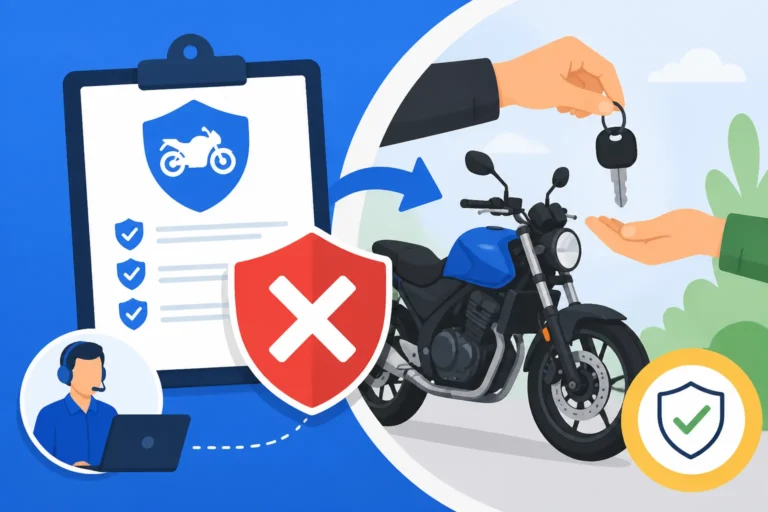
When you call your insurance company to add your new motorcycle, they're going to ask for a bunch of details. It's not just to be nosy; it's so they can accurately assess the risk and properly cover your new machine. You'll need the Vehicle Identification Number (VIN), which is like the bike's fingerprint. You'll also need the make, model, and year of the motorcycle. The odometer reading at the time of purchase is also typically required, along with the exact purchase date. If you financed the bike, your insurance company will need the name and address of your lienholder (the bank or credit union that lent you the money), as they'll likely require specific coverage levels.
Beyond the basic identifying details, be prepared to discuss any aftermarket parts or customizations you've added or plan to add. Standard policies often only cover the bike's factory value, so if you've put on a custom exhaust, fancy paint, or upgraded suspension, you might need specific accessories & custom parts coverage explained. For example, if you just dropped a few grand on a Yoshimura exhaust and Ohlins suspension for your new sport bike, you'll want to make sure those investments are protected. The characteristics of the new bike itself—its engine size, its classification (cruiser, sport bike, touring), and its market value—will all play a significant role in determining your new premium.
Adjusting Coverage for Your New Ride
Here's where many riders make a common and potentially costly mistake: they simply transfer their old policy's coverage levels to their new bike without a second thought. While this might be sufficient for liability, it often falls short when it comes to protecting the bike itself, especially if you've upgraded significantly. For a new motorcycle, especially one that's a considerable investment, you'll almost certainly want to review and likely beef up your physical damage coverages.
This typically means ensuring you have robust collision vs comprehensive motorcycle coverage. Collision covers damage resulting from an accident with another vehicle or object (like a guardrail), while comprehensive covers non-collision incidents such as theft, vandalism, fire, or hitting an animal. If you have a loan on your bike, your lender will require both of these. You might also want to consider additional coverages like roadside assistance, which can be a lifesaver if you have a breakdown far from home, or even new bike replacement coverage, which can help you replace your bike with a brand new one if it's totaled within a certain timeframe after purchase. It's also a good idea to revisit your uninsured & underinsured motorist coverage (UM/UIM), because unfortunately, not everyone on the road is as responsible as you are about insurance. Taking the time to tailor your policy to your new motorcycle's value and your riding needs is one of the smartest things you can do.
Factors That Change Your Insurance Cost
Moving to a new motorcycle isn't just about updating a VIN; it's about reassessing risk, and that almost always means a change in your insurance premium. Several factors come into play, some directly related to the bike and others to you as a rider.
The New Motorcycle Itself
The type of motorcycle you buy is probably the biggest determinant of your new insurance cost. Think of it this way: an insurance company assesses risk based on how likely a bike is to be in an accident, how expensive it is to repair or replace, and how attractive it is to thieves.
- Bike Type: Sport bikes, with their high performance and higher accident rates among younger riders, tend to be the most expensive to insure. A Kawasaki Ninja or a Yamaha R6 will almost certainly cost more to cover than a more sedate cruiser like a Honda Rebel or a touring bike like a Harley-Davidson Street Glide. Adventure bikes or dual-sports typically fall somewhere in the middle.
- Engine Size: Generally, the larger and more powerful the engine (measured in cubic centimeters, or CCs), the higher the premium. A 1000cc superbike carries more risk than a 300cc beginner bike.
- Value and Repair Cost: A more expensive motorcycle means higher payouts for comprehensive and collision claims. Bikes with exotic parts or specialized repair needs will also see higher premiums. For example, a custom-built chopper or a limited-edition European model will likely have higher repair costs than a mass-produced standard model, driving up insurance rates.
- Safety Features & Theft Rates: Some bikes come with advanced safety features like ABS or traction control, which can sometimes lead to small discounts. Conversely, if a particular model is a high target for theft in your area, your comprehensive coverage premium could be higher.
It's a complex equation, but essentially, the more expensive or "risky" your new bike is perceived to be, the more you'll pay to insure it. This is why a new rider buying their first sport bike often faces significantly higher rates than an experienced rider buying a similar machine, or anyone opting for a cruiser, for instance.
Your Personal Profile and Riding Habits
While the bike is a huge factor, you, the rider, still play a central role in your insurance rates. Your personal profile and riding history are just as important as the machine itself.
- Age and Experience: Insurers love experience. Riders under 25 or those with a brand-new motorcycle endorsement will almost always pay more. The longer you've been riding safely, the lower your risk profile typically becomes.
- Driving Record: A clean driving record, both for cars and motorcycles, is your best friend when it comes to insurance. Accidents, speeding tickets, or DUIs will significantly increase your premiums and might even require you to get an SR-22 for motorcycles, which comes with its own added costs.
- Claims History: If you've filed multiple claims in the past, insurers will see you as a higher risk.
- Location: Where you live and store your bike matters. Urban areas with higher traffic density and theft rates typically have higher premiums than rural areas.
- Discounts: Don't forget to ask about discounts! Many insurers offer discounts for completing a motorcycle safety course, being a member of a riding club (like H.O.G. for Harley owners), having multiple policies (bundling motorcycle and auto insurance is often worth it), or even for being a responsible, experienced rider. Even having an anti-theft device on your new bike can sometimes net you a small discount. All these factors contribute to what affects your motorcycle insurance rate. Make sure your insurer knows about any Motorcycle Safety Course you've completed to secure potential savings.
The Logistics of Moving Your Policy
Deciding whether to simply transfer your policy or shop around is a crucial step when you buy a new motorcycle. It's not always a straightforward choice.
When to Transfer vs. Get a New Policy
The easiest option, of course, is to simply call your current insurer and have them update your policy to reflect your new motorcycle. This is often the quickest way to ensure continuous coverage, especially if you're happy with your current provider and their rates. If you've had a long, good relationship with an insurer like Progressive and they offered competitive rates on your previous bike, it might make sense to stick with them. They already have your history, and the process is usually seamless. You can often handle it with a quick phone call or even online. This method is essentially how to add a new motorcycle to your policy.
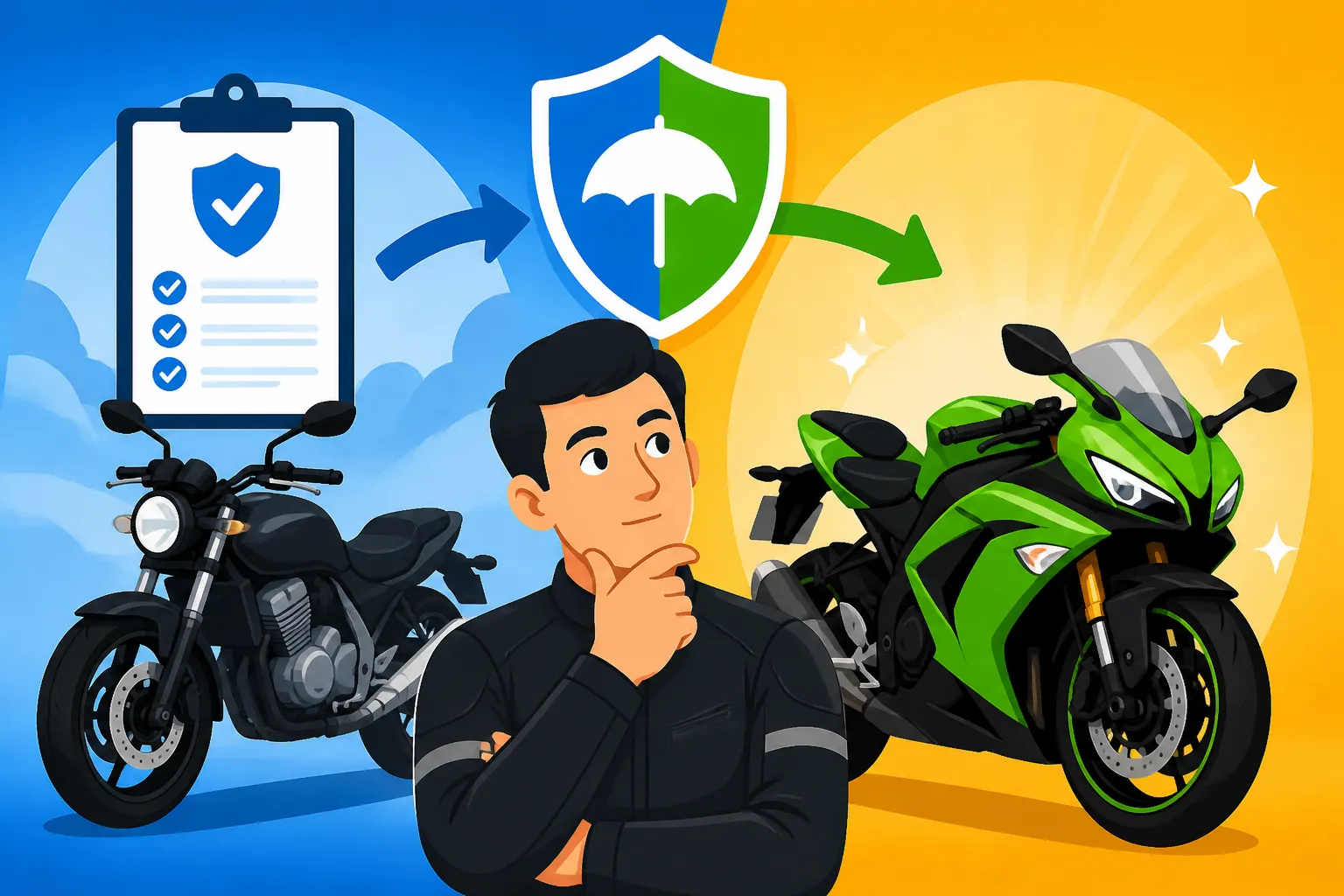
However, sometimes sticking with your old insurer isn't the best financial move. This is especially true if your new bike is drastically different from your old one. For example, if you're upgrading from a modest cruiser to a high-performance sport bike, your current insurer might not offer the most competitive rates for that specific category of motorcycle. Some companies specialize or are more aggressive with pricing for certain types of bikes or riders. This is when it's absolutely essential to compare motorcycle insurance quotes from multiple providers. Online comparison tools like The Zebra can be incredibly useful for this, allowing you to quickly get quotes from various companies side-by-side. Don't be afraid to shop around – you might find that a different insurer, perhaps one you hadn't considered before, offers significantly better rates for your new ride.
Avoiding Lapses in Coverage
Under no circumstances should you allow a lapse in your motorcycle insurance coverage, even for a single day. The consequences of riding without insurance can be severe and far-reaching. If you're caught without proof of insurance, you could face hefty fines, suspension of your license, impoundment of your motorcycle, and even jail time in some states. And if you're involved in an accident while uninsured, you'll be personally responsible for all damages and medical bills, which could easily run into tens or hundreds of thousands of dollars. This is why knowing what happens if you ride without insurance is so critical.
To avoid a lapse, plan your insurance transition carefully. If you're staying with your current insurer, make sure you notify them and confirm the new policy is active before you take possession of the new bike or, at the very least, well within the grace period. If you're switching to a new insurer, ensure the new policy is officially effective and you have proof of insurance before cancelling your old policy or letting its coverage expire. You don't want to be in a situation where you cancel your old policy on a Friday, thinking your new one starts Monday, and then decide to take a celebratory ride on your new bike over the weekend. That's a huge risk. The goal is a smooth, continuous transition, ensuring you're always covered. Read more about how to switch motorcycle insurance companies to avoid any gaps.
Here's a quick comparison of how a new bike might impact your policy:
| Feature | Old Motorcycle (e.g., 2010 Honda Shadow 750) | New Motorcycle (e.g., 2024 Kawasaki Ninja 650) | Potential Insurance Impact |
|---|---|---|---|
| Type | Cruiser | Sport Bike | Higher risk profile, likely higher premiums for collision/comprehensive. |
| Value | $4,000 (Actual Cash Value) | $8,000 (New Purchase Price) | Higher replacement cost means higher comprehensive/collision premiums. |
| Engine Size | 750cc | 650cc | While 650cc might seem smaller, the sport bike nature often overrides simple CC comparison. |
| Physical Damage | Liability only (paid off, low value) | Full Coverage (Collision & Comprehensive) | Mandatory for financed bikes, significantly higher cost to protect investment. |
| Lienholder | None | Yes (financed) | Lender requires specific coverage, typically full coverage, listed as loss payee. |
| Add-Ons | Basic | Accessories, Gap, Roadside Assistance | Increased coverage means increased overall premium. |
| Theft Risk | Moderate | Higher (sport bikes often targeted) | Can increase comprehensive portion of premium. |
Special Considerations for Financed or Leased Motorcycles
Buying a new motorcycle with a loan or lease adds another layer of complexity to the insurance equation. It's not just about protecting yourself and your bike; it's about meeting the requirements of the party who technically owns a significant chunk of your ride.
Lender Requirements
When you finance or lease a motorcycle, the lender (whether it's a bank, credit union, or the dealership's financing arm) has a vested interest in that vehicle. After all, they’re the ones on the hook if something happens to it and you can't pay them back. Because of this, they will always require you to carry certain types and levels of insurance coverage. This almost universally means you'll need full coverage motorcycle insurance, which includes both collision and comprehensive coverage, often with specific deductible limits they deem acceptable. They might even specify minimum liability limits, like the minimum liability insurance explained (the three numbers) commonly seen.
Beyond the types of coverage, your lender will also require that they be listed on your policy as an "additional insured" or "loss payee." This means that in the event of a total loss, the insurance company will directly pay the lender first for any outstanding loan balance, before you receive any remaining funds. It's a standard practice, and your insurance company will handle this once you provide them with the lender's details. Failure to meet these requirements can lead to serious consequences, including the lender forcing you to purchase their own, often more expensive, "force-placed" insurance, or even repossessing your motorcycle.
Protecting Your Investment
Even if your lender didn't require comprehensive coverage, getting robust insurance is simply smart financial planning when you have a financed bike. A new motorcycle is a significant investment, and without adequate coverage, you could find yourself in a very difficult position if it's damaged or stolen. Imagine buying a brand new Indian Chief, financing it for five years, and then it's totaled a year later in an accident that's your fault. If you only had liability coverage, you'd be stuck paying off a loan for a bike you no longer own, and you'd have no motorcycle to show for it.
This is where understanding options like gap insurance on a motorcycle becomes crucial. Gap insurance covers the "gap" between what your motorcycle is worth (its actual cash value at the time of loss) and the outstanding balance on your loan. New vehicles depreciate quickly, and it's common for your loan balance to be higher than the bike's market value, especially in the first few years. Gap insurance protects you from owing money on a totaled bike. While it's an additional cost, for many riders with new, financed motorcycles, it offers invaluable peace of mind. It’s a small price to pay to avoid potentially thousands of dollars in debt for a motorcycle that’s no longer in your garage.
Disclaimer
Please note that this article provides general information about motorcycle insurance. Insurance policies, laws, and regulations vary by state and individual circumstances. It is crucial to consult with a licensed insurance professional and review your specific policy documents to understand your coverage options and requirements. This content is not intended as legal or financial advice.