Do I Need to Insure a Motorcycle I’m Storing for Winter?
It's that time of year again for many of us riders. The air turns crisp, the days get shorter, and the thought of slick roads and freezing temperatures makes us reluctantly tuck our beloved motorcycles away for the winter. But as you roll your bike into the garage, a common question pops up: do you really need to keep insuring it when it's not even on the road? It feels like an unnecessary expense, and you're probably wondering how to save a few bucks. This guide will walk you through the ins and outs of motorcycle insurance during the off-season, helping you understand your options and avoid costly mistakes.
The Core Question: Do You Really Need Insurance for a Stored Motorcycle?
The short answer is: probably, yes, but what kind of insurance is the key. It's a common misconception that once your bike is parked for the winter, you can just cancel your policy entirely and pick it back up in the spring. While that sounds like a great way to save money, it often comes with significant risks and potential legal headaches you might not anticipate.
The "Why" Behind Suspending Coverage
Let's be real, the main reason any of us think about suspending our motorcycle insurance for winter is to save money. We're already shelling out for car insurance, home insurance, maybe even boat insurance if you're really living the dream. Adding a motorcycle that's just sitting there, not racking up miles, can feel like throwing money away. Riders often see their bike as perfectly safe once it's locked in the garage, thinking it's immune to the perils of the open road, so why pay for coverage designed for active riding? This desire to reduce monthly expenses during the non-riding season is perfectly understandable, especially with the rising cost of living. Many policies are annual, and you might feel like you're paying for protection you don't need for several months.
The Risks of No Coverage Even When Stored
However, the "perfectly safe" assumption can be a dangerous one. Even when your motorcycle is nestled in your garage, shed, or a storage unit, it's still exposed to a surprising number of risks that standard liability-only policies (or no policy at all) won't cover. Think about it: a fire could break out in your garage, a pipe could burst and flood your storage unit, or the unthinkable could happen and your prized possession could be stolen right from under your nose. If you've completely canceled your policy, you'd be left footing the entire bill for repairs or replacement.
Beyond property damage, there's also the legal side. In most states, if your motorcycle is registered, it's legally required to have at least minimum liability insurance coverage, regardless of whether you're riding it. Canceling your policy could lead to your registration being suspended, fines, or even more severe penalties if you're found to be in violation of Financial Responsibility Laws for Riders. Some states require proof of insurance to maintain your registration, and a lapse in coverage could flag your vehicle with the DMV. Even if you're not riding, letting your insurance lapse can also result in higher premiums when you try to reinstate coverage in the spring, as insurers view a gap in coverage as a higher risk. This is why understanding What Happens if You Let Coverage Lapse Then Restart? is so important.
Understanding Seasonal Motorcycle Insurance Options
Thankfully, insurers understand that motorcycles are often seasonal vehicles for many riders. They've developed specific types of coverage designed to protect your bike during its off-season hibernation without breaking the bank. It's not about canceling, but rather about adjusting your policy strategically.
Comprehensive-Only Coverage: Your Winter Lifeline
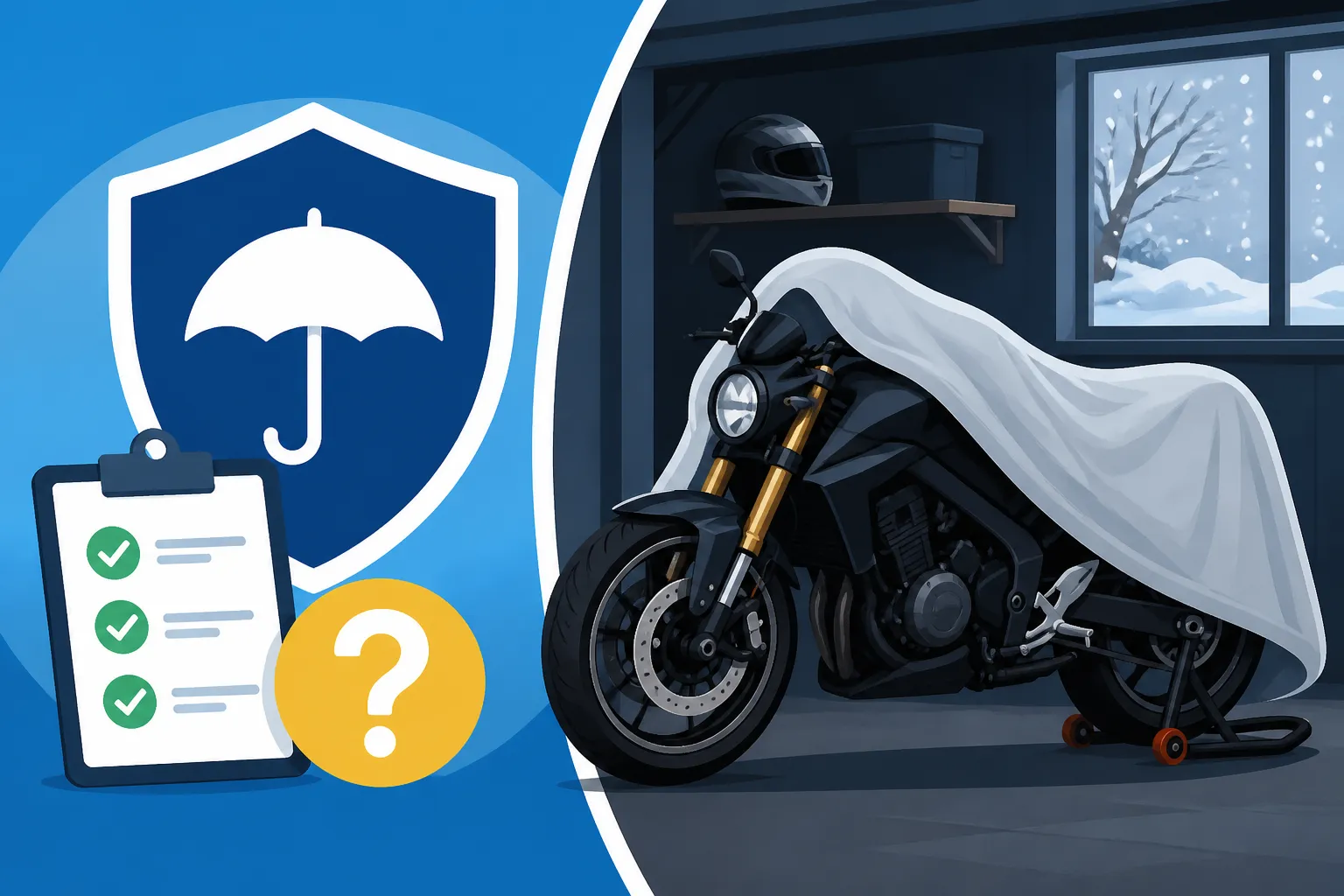
For most riders, the smart move during winter storage is to switch their policy to comprehensive-only coverage. This isn't just a fancy term; it's a specific type of protection that covers a wide range of non-collision related incidents. When your bike is parked and not being ridden, it's primarily exposed to risks that comprehensive coverage addresses. This includes things like theft, vandalism, fire, natural disasters (think floods, hailstorms, falling trees), and even damage from striking an animal (though hopefully, no deer are crashing into your garage!).
What comprehensive-only coverage doesn't include is liability or collision coverage. Collision insurance is what pays for damage to your bike if you hit something, or if another vehicle hits you. Liability insurance covers damage and injuries you might cause to other people or their property if you're at fault in an accident. Since you won't be riding, these coverages become largely unnecessary for the bike itself, allowing you to significantly reduce your premium while still protecting your asset. Many riders choose this option as a cost-effective way to protect their investment without paying for coverage they won't use for several months. To learn more about how this differs, check out Collision vs Comprehensive Motorcycle Coverage.
"Lay-Up" or "Storage" Coverage Explained
Some insurance providers offer specific "lay-up" or "storage" riders, which are essentially specialized comprehensive-only policies tailored for motorcycles. These policies recognize the seasonal nature of riding and are designed to provide robust protection against non-collision incidents when your bike is not in use. For example, a company like Progressive might offer a specific "storage" option that allows you to pause certain coverages, while keeping crucial ones active.
These lay-up policies are fantastic because they're often significantly cheaper than full coverage, yet they still safeguard your bike from the most common winter risks. If your garage floods, or a thief manages to get past your security measures, your lay-up policy would typically cover the damages or replacement cost, subject to your deductible. This type of coverage is often discussed in detail when you look into Seasonal Lay-Up & Winter Storage Insurance. It's a smart choice for peace of mind, knowing that your bike is protected even when it's not out on the open road.
Practical Steps for Winterizing Your Insurance
Making the switch to winter coverage isn't complicated, but there are a few things you should consider and steps to take to ensure a smooth transition and avoid any hiccups. Communication with your insurer is key here.
Before You Call Your Insurer: What to Consider
Before you pick up the phone, do a quick mental inventory of your situation. First, check your registration status. Is your bike currently registered? If so, most states require continuous liability coverage. Switching to comprehensive-only might satisfy this if your state's DMV considers it a valid form of continuous insurance for a non-operational vehicle, but it's crucial to confirm this with both your insurance company and your state's Department of Motor Vehicles. For instance, in some states, any registered vehicle must carry minimum liability, even if stored. If you intend to cancel registration for the winter, that might be an option, but then you'd have to re-register in spring. This is where researching your specific state's requirements, like Motorcycle Registration Without Insurance: Possible?, becomes very important.
Secondly, think about where your bike will be stored. Is it a secure, locked garage? A public storage unit? Your driveway under a tarp? The security of the storage location can impact your risk and, potentially, your premiums. The more secure the location, the better. Consider any valuable accessories or custom parts you have on your bike; make sure your comprehensive coverage includes adequate protection for them, as standard policies might have limits. Many riders consult comparison tools like The Zebra to understand how different coverage types and storage options might affect their rates before making a call.
Reinstating Coverage for Riding Season
Just as important as putting your bike into winter storage mode is bringing it back to full coverage when riding season returns. Don't make the mistake of thinking you can just jump on your bike the first warm day of spring without updating your insurance. You need to contact your insurance provider before you take your bike out of storage for its first ride. This ensures that your liability and collision coverages are reinstated and active.
It's usually a simple phone call or a few clicks online to reactivate your previous full coverage policy. Your insurer will update your policy, and you'll typically start paying your full premium again. It's wise to do this a few days before you plan to ride, just to make sure everything is processed and there's no lapse in coverage. Imagine the frustration of getting pulled over for no insurance on that first sunny day! Plan ahead, and make sure your policy is fully active to avoid any issues like Penalties for Riding Without Insurance as soon as your wheels hit the pavement. For a full rundown, look into How to Reinstate Coverage After Lay-Up Season.
Cost-Benefit Analysis: Saving vs. Risk
When it comes to motorcycle insurance for winter storage, it's really about balancing the potential savings against the potential risks. While cutting costs is tempting, the consequences of inadequate coverage can be far more expensive in the long run.
Potential Savings from Seasonal Coverage
Switching to a comprehensive-only or lay-up policy can lead to noticeable savings during the winter months. Since you're dropping the most expensive parts of your policy – collision and liability – your monthly premium can drop significantly. For example, if your full coverage policy costs $100 a month, a comprehensive-only policy might only be $20-$30 a month. Over three to five months of winter storage, that's a saving of $210-$400. While not a fortune, it's definitely enough to cover some winter maintenance, a new helmet, or maybe even a weekend getaway once spring rolls around. Many riders find that these savings make the administrative effort of adjusting their policy well worth it. Companies like Progressive and Dairyland are known for offering flexible coverage options, so it’s always worth checking with them.
Here's a quick comparison of potential costs:
| Coverage Type | Riding Season (Example Monthly Cost) | Winter Storage (Example Monthly Cost) | Covered Risks (Winter) | Not Covered Risks (Winter) |
|---|---|---|---|---|
| Full Coverage | $100-$250+ | $100-$250+ | All risks, including riding | None (most comprehensive) |
| Comprehensive-Only | N/A (not for riding) | $20-$50 | Theft, fire, vandalism, natural disaster, animal strike | Collision (while moving), liability (at-fault accidents) |
| Liability-Only | $30-$80 | $30-$80 | Damage to others only | Damage to your own bike from any cause |
| No Insurance | $0 | $0 | None | All damages, theft, legal penalties for unregistered bikes |
Note: These are example costs only; actual premiums vary widely based on location, bike type, rider history, and specific insurer.
The True Cost of a Winter Mishap
Now, let's consider the alternative. Imagine you decide to cancel your policy completely to save those $200-$400 over the winter. Then, in January, a severe ice storm hits your area, and a large branch from your oak tree crashes through your garage roof, crushing your motorcycle. Or, even worse, a thief breaks in and makes off with your pride and joy. Without comprehensive coverage, you're looking at a complete loss. A $10,000 bike would mean a $10,000 hit to your wallet, not including any damage to your garage.
That immediate, unexpected cost far outweighs any perceived savings from going without coverage. It's not just the financial loss; it's the emotional impact of losing something you cherish and the frustration of knowing it could have been prevented with a relatively small investment in comprehensive coverage. Furthermore, if your registration lapses or you face fines because of an insurance gap, the combined cost of those penalties and higher future premiums can quickly erase any savings. It's generally much more sensible to maintain at least some form of protection, like the dedicated Do You Need Insurance to Store a Motorcycle? options, rather than taking the gamble.
Disclaimer
Please remember that this article provides general information and guidance. Insurance laws and requirements vary significantly by state and even by individual policy. It is crucial to consult directly with your insurance provider and your state's Department of Motor Vehicles or equivalent authority to understand the specific rules and options that apply to your situation. This content is not a substitute for professional legal or financial advice.