How Do I Cancel Motorcycle Insurance When I Sell My Bike?
Selling your beloved motorcycle is a bittersweet moment. You're likely excited about what's next, but the administrative tasks, especially dealing with your insurance, can feel like a heavy burden. Nobody wants to pay for insurance on a bike they no longer own, but prematurely canceling could leave you, or even the new owner, in a tough spot. This guide will walk you through the precise steps to cancel your motorcycle insurance when you've sold your bike, ensuring a smooth process and protecting you from unnecessary costs or unexpected liabilities.
The Critical Timing of Your Insurance Cancellation
It’s tempting to cancel your insurance the moment you shake hands on the deal, but timing is everything when it comes to motorcycle insurance. Canceling too early can expose you to risk, while canceling too late means you're just throwing money away. Finding that sweet spot is crucial for every rider.
Why You Shouldn't Cancel Too Soon
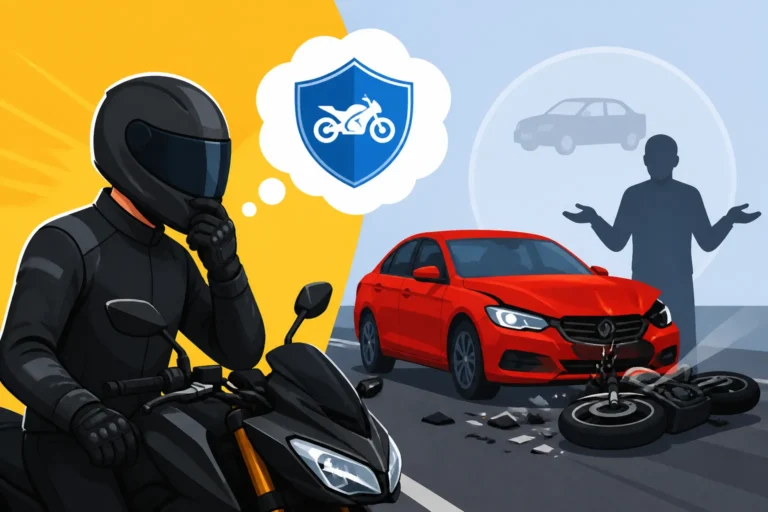
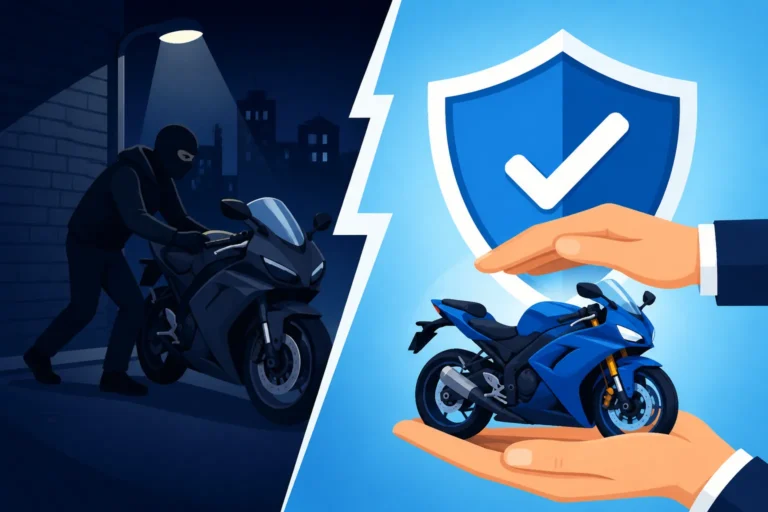
Imagine this scenario: you've agreed to sell your bike to a private buyer, but they're taking a few days to arrange pickup or complete the title transfer. During this interim period, if something were to happen to the motorcycle – say, it gets stolen from your garage, or the buyer takes it for a final test ride and has an accident before the title is officially theirs – who is liable? If your insurance is already canceled, you could find yourself in a very precarious position. Even if the buyer has their own coverage, your policy might still be considered primary until ownership is fully transferred and recorded. This grey area is exactly what you want to avoid. You don't want to be caught in a situation where you're responsible for damages or injuries without any coverage, leading to significant out-of-pocket expenses or even legal headaches.
Furthermore, some states have "financial responsibility laws" that require continuous coverage, and a sudden lapse, even for a few days, could trigger penalties or even affect your future insurance rates. It’s always safer to wait until the deed is done, the funds are in your account, and the title is officially out of your name. This ensures that any last-minute mishaps are still covered by your policy, giving you peace of mind.
The Ideal Window for Cancellation
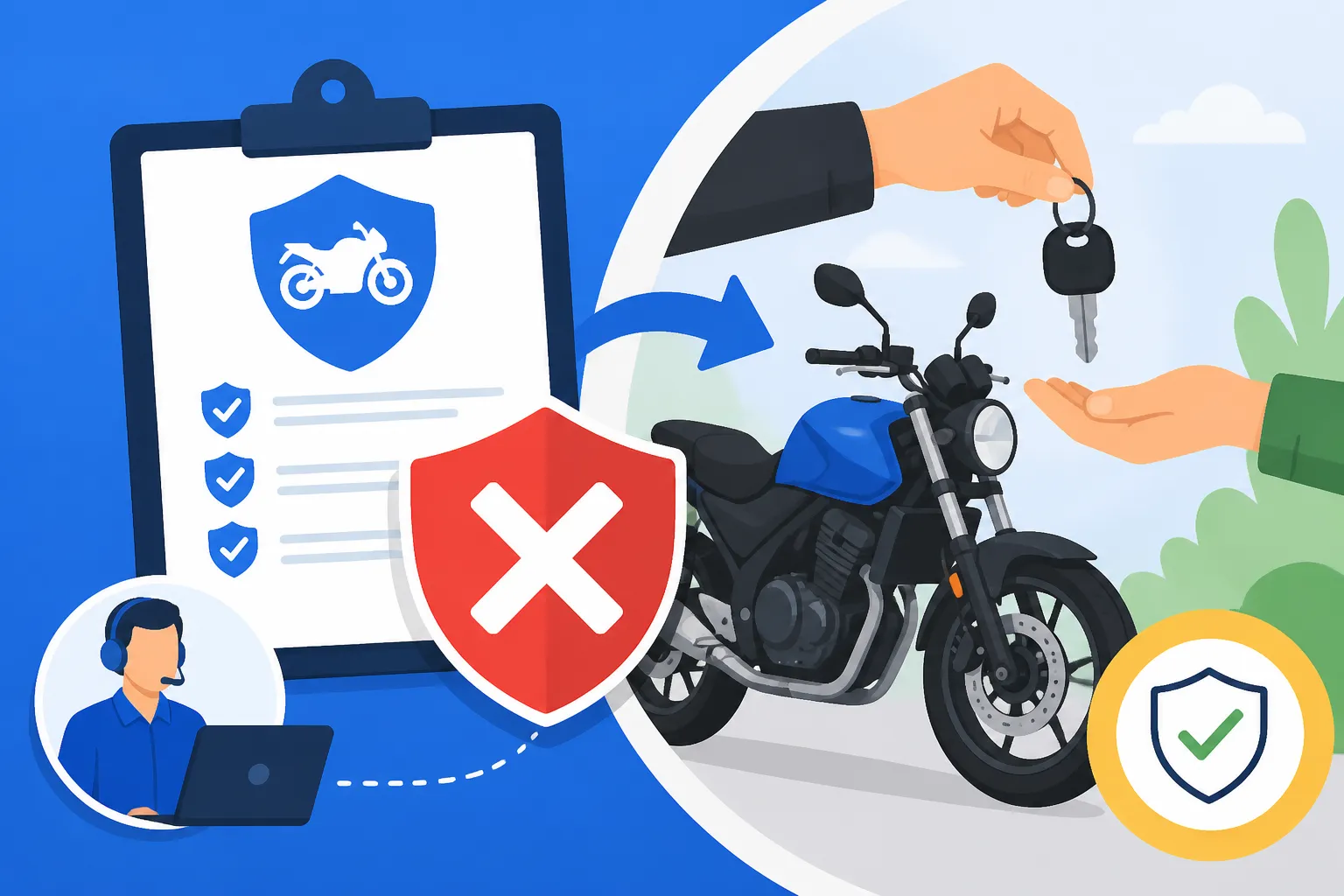
The absolute best time to cancel your motorcycle insurance policy is the day the motorcycle's title is officially transferred to the new owner. This means the bill of sale is signed, the funds have cleared, and the legal ownership has changed hands. In many states, this is the point when the new owner becomes responsible for the vehicle, including insuring it. Until that precise moment, it's generally recommended to keep your policy active.
If you're selling to a private party, ensure you have a signed bill of sale with the date and time of sale clearly stated. This document is your proof of transfer. If you're trading in your bike at a dealership, the transfer usually happens instantly when you sign the paperwork for your new ride or the trade-in. Once you have confirmation that the title is no longer in your name, that's your cue. Many insurance companies, like Progressive, are accustomed to these scenarios and can process cancellations effectively, often backdating them slightly to the exact transfer date if you call within a day or two. This prevents you from paying for coverage you don't need while still ensuring no gaps in your liability.
Step-by-Step Guide to Canceling Your Policy
Canceling your motorcycle insurance might seem like a hassle, but if you follow a clear process, it can be surprisingly straightforward. Having all your ducks in a row makes the call to your insurance provider much smoother.
Gathering Necessary Information
Before you even pick up the phone or log onto your insurer's portal, make sure you have all the relevant information at hand. This will expedite the process immensely. You'll need:
- Your Policy Number: This is your primary identifier with the insurance company.
- Your Motorcycle's VIN: The Vehicle Identification Number confirms exactly which bike is being removed from your policy.
- Date and Time of Sale/Transfer: Be precise. This is the crucial moment your liability officially ended.
- New Owner's Information (Optional but Helpful): While not strictly required for your cancellation, having the new owner's name and contact information can sometimes be useful for your insurer, especially if they need to verify the transfer or ensure no gap in coverage exists for the vehicle itself. However, only share this if you're comfortable and it's relevant to your insurer's process.
- Proof of Sale: A copy of the signed bill of sale or the trade-in agreement with the dealership. This document serves as undeniable proof that you no longer own the motorcycle.
Having these details ready prevents a frustrating back-and-forth and demonstrates that you've completed the transfer responsibly.
Contacting Your Insurance Provider
Once you have your information ready, it's time to reach out to your insurance company. Most companies offer a few ways to do this, but calling is often the most direct and recommended for cancellations, especially if you want to ensure proper documentation and discuss any potential refunds.
- Phone Call: This is generally the fastest and most secure method. Call your insurer's customer service line. Be prepared to state your intent clearly: "I need to cancel my motorcycle insurance policy for a bike I have sold." They will then ask for your policy number and the VIN. Be ready to provide the exact date and time of the sale. Ask for a confirmation number or an email confirming the cancellation. Some companies, like Progressive, have very efficient phone systems for this type of request.
- Online Portal/App: Many modern insurance providers allow you to manage your policy online. You might be able to remove the motorcycle from your policy through their web portal or mobile app. However, if this is your first time doing it, or if you have any doubts, a phone call is still advisable to ensure everything is processed correctly and you understand any implications, such as prorated refunds.
- Mail/Email: While possible, sending a written request by mail or email is usually slower and less reliable for time-sensitive cancellations. If you choose this method, send it well in advance and make sure to request a confirmation of cancellation. Always keep copies of any correspondence.
When speaking with your representative, reiterate the effective date of the cancellation to match your sale date. Don't be shy about asking about any prorated refunds you might be due – we'll get into that next.
Requesting Confirmation
This step is absolutely vital and often overlooked. After you've spoken with your insurance agent or submitted your request online, always ask for written confirmation of your cancellation. This could be an email, a letter mailed to your address, or even a screenshot of a confirmation page if you canceled online. This documentation serves as your proof that you followed the correct procedure and that your policy for that specific motorcycle is officially terminated as of the agreed-upon date.
This confirmation is your safeguard against future disputes, such as if an error occurs and you are billed again, or if there's any confusion about the date of coverage termination. Should any questions arise down the line about a potential lapse in coverage or mistaken billing, this document will be your strongest ally. Keep it with your other important financial and vehicle records.
Understanding Refunds and Potential Penalties
One of the pleasant surprises of canceling your motorcycle insurance mid-term is often a refund. However, it's not always a straightforward calculation, and sometimes, unexpected charges can crop up.
Prorated Refunds Explained
When you pay for your motorcycle insurance, you typically pay for a policy term, often six months or a year, in advance. If you cancel your policy before that term is up because you've sold your bike, your insurance company owes you back the money for the unused portion of your premium. This is known as a prorated refund.
For example, if you paid for a six-month policy at $600 (that’s $100 per month) and you cancel it exactly halfway through the term, you would be due a refund of $300 for the remaining three months. The calculation is usually fairly simple, based on the number of days or months left on your policy from the effective cancellation date. Most reputable insurance companies, including those found through comparison sites like The Zebra, will process these refunds automatically. The money can be sent via check or deposited directly back into the account you used for payments, depending on your insurer's policies and your preference. Always confirm how and when you can expect your refund to arrive during your cancellation call.
Early Cancellation Fees and Pitfalls
While prorated refunds are common, there are a few situations where you might not get a full refund or could even incur a small fee.
- Short-Rate Cancellation: Some insurance companies have a "short-rate" cancellation penalty. This means instead of a full prorated refund, they might keep a small percentage of the premium for administrative costs associated with early termination. This isn't universal, but it's worth asking your insurer about their specific policy.
- Lapse in Coverage: If you cancel your insurance without immediately replacing it with a new policy (for a different vehicle) and you still own another vehicle, your insurer might flag this as a lapse. A lapse can sometimes lead to higher premiums when you seek new insurance in the future. However, if you're selling your only vehicle, this isn't usually an issue for the lapse itself, though it could impact multi-vehicle discounts if you had them.
- Unpaid Premiums or Fees: If you have any outstanding premiums, late fees, or other charges on your account, your insurance company will deduct these from any refund you're due. In some cases, if the fees exceed your refund, you might even owe a small amount. Ensure your account is squared away before expecting a refund.
It’s always a good idea to confirm with your insurance agent if any fees apply to your specific cancellation scenario. This avoids any unwelcome surprises when you receive your final statement or refund check.
What to Do If You're Buying Another Motorcycle
The selling of one bike often signals the arrival of another. If you’re trading up, or simply getting a different ride, your insurance needs will change, but you want to avoid any gaps in coverage during the transition.
Seamlessly Transferring Coverage
If you're selling one motorcycle and immediately buying another, you generally don't want to "cancel" your policy outright. Instead, you'll want to transfer your coverage from the old bike to the new one. Most insurance companies, including large carriers like Progressive, understand this common scenario and make it quite simple.
When you purchase your new motorcycle, often from a dealership, they will typically ask for proof of insurance before you can ride it off the lot. In many cases, your existing policy for your old bike might offer a short grace period (e.g., 7-30 days) during which your new vehicle is automatically covered by your existing policy, up to a certain limit. This is usually for liability coverage, but it's crucial to confirm with your insurer before you take possession of the new bike. As soon as you have the VIN for your new motorcycle, contact your insurance provider. You'll inform them you've sold your old bike and are replacing it with the new one. They will then update your policy, adjusting your premiums based on the new motorcycle's make, model, year, and value. This process ensures you maintain continuous coverage and avoids any potential penalties for a lapse. For more details on this, check out guides on How to Add a New Motorcycle to Your Policy.
Adjusting Your Policy for a New Bike
When you switch from one bike to another, your insurance premium will almost certainly change. The cost of motorcycle insurance is heavily influenced by the type of motorcycle you ride. For instance, a high-performance sport bike will typically cost more to insure than a cruiser or a standard touring bike due to its higher theft risk, repair costs, and potential for speed-related accidents.
Your insurance company will take into account several factors for your new bike:
- Make, Model, and Year: Newer, more expensive bikes usually cost more to insure.
- Engine Size (CC): Larger, more powerful engines often lead to higher premiums.
- Safety Features: Some bikes come with advanced safety features that could qualify you for discounts.
- Theft Deterrents: Factory-installed alarms or immobilizers can also help lower rates.
- Coverage Type: You might need different types of coverage for a new bike, especially if it's financed. Motorcycle Insurance Requirements for Financed Bikes often mean you'll need comprehensive and collision coverage.
Don't hesitate to shop around when you get a new bike. Even if you've been happy with your current insurer, the rates for your new motorcycle might be more competitive elsewhere. Comparison tools, like those offered by The Zebra, can quickly show you quotes from multiple providers, ensuring you're still getting the best deal for your updated coverage needs.
Common Mistakes to Avoid When Canceling
It’s easy to get caught up in the excitement of a new purchase or the finality of a sale, but a few missteps in your insurance cancellation can lead to bigger headaches down the road.
Assuming Automatic Cancellation
This is perhaps the biggest and most common mistake. Many riders assume that because they've sold their bike, or because the registration has changed, their insurance will automatically cancel. This is not true. Your insurance policy is a contract between you and your insurer, and it requires an active step from you to terminate it.
If you don't explicitly cancel your policy, your insurer will continue to bill you, and your premiums will continue to accrue. This can lead to unexpected charges, collection notices, and a negative impact on your credit score if left unpaid. Even if the bike is gone, the policy remains active until you tell them otherwise. Always make that call or go through the official online cancellation process yourself.
Prematurely Canceling Before Title Transfer
We touched on this earlier, but it bears repeating. Canceling your insurance before the title is legally transferred out of your name is a risky game. During that interim period, you could still be held liable for an accident or damage, and without insurance, you're on the hook financially.
For instance, if you sell your bike on a Saturday, but the DMV isn't open until Monday to process the title transfer, you should keep your insurance active until at least Monday. If the new owner gets into an accident on Sunday and the title is still technically in your name, your insurance could be primary. This is especially critical if you live in a state with strict Financial Responsibility Laws for Riders. Waiting until the official title transfer protects you from this potential nightmare scenario.
Not Getting Written Confirmation
Another common oversight is failing to secure written proof of cancellation. A phone call is great for getting the ball rolling, but without a written record, it's essentially your word against theirs if a dispute arises. You need tangible evidence that your policy was canceled on a specific date.
Imagine this: six months down the line, you receive a bill for an unpaid premium. You distinctly remember canceling, but without a confirmation email or letter, it becomes much harder to prove your case. This confirmation should clearly state the policy number, the motorcycle's VIN, and the effective date of cancellation. Keep this document filed away with your other important paperwork, perhaps alongside the bill of sale for the motorcycle itself. This simple step can save you immense frustration and potential financial burden in the future.
Beyond Cancellation: What to Consider Next
Once your old policy is canceled, and you've secured any refunds, your journey isn't quite over. There are a few other aspects to consider for your ongoing financial and riding well-being.
Impact on Future Rates
Believe it or not, how you manage your insurance cancellation can have a subtle impact on your future motorcycle insurance rates. A smooth, well-documented cancellation won't harm your record. However, if your policy lapses unexpectedly because you failed to cancel it properly, or if you have outstanding unpaid premiums, this could be recorded and potentially lead to higher rates when you seek new insurance in the future. Insurers look for continuous coverage and responsible policy management.
Additionally, if you had a multi-bike discount or a bundle discount with your auto insurance policy, removing a motorcycle might cause those discounts to disappear, potentially raising the premium on your remaining vehicles. It’s always a good idea to discuss the full implications with your agent. Being proactive and transparent with your insurer during the cancellation process is key to maintaining a good insurance record and potentially keeping your rates lower in the long run.
Shopping for New Coverage
If selling your bike means you're now motorcycle-less, then you might not need to worry about new motorcycle insurance for a while. However, if you're like many riders, you'll soon be on the hunt for a new machine. When that time comes, you'll need new coverage. Don't just default to your previous insurer.
The landscape of motorcycle insurance is competitive, and different companies might offer better rates or specialized coverage for your new bike or your current rider profile. Use online comparison tools like The Zebra to quickly compare quotes from various providers such as Progressive, Dairyland, Markel, and others. This allows you to easily see who offers the Best Motorcycle Insurance Companies or even Cheapest Full Coverage Motorcycle Insurance for your next ride. Consider factors beyond just price, such as customer service reputation, claims handling, and specific coverage options like Accessories & Custom Parts Coverage Explained if you plan on modifying your new bike. Getting several quotes helps ensure you get the best value and coverage tailored to your needs.
Document Retention
After all is said and done, proper record-keeping is your best defense against future complications. Don't just toss that cancellation confirmation in the trash. Create a dedicated folder, digital or physical, for your motorcycle records.
This folder should contain:
- Bill of Sale: Your definitive proof that you transferred ownership.
- Title Transfer Documentation: Any paperwork from the DMV or equivalent agency showing the title is no longer in your name.
- Insurance Cancellation Confirmation: The email or letter from your insurer confirming the effective date of cancellation and any refund details.
- Old Policy Documents: Keep copies of your previous policy, especially the declarations page, for at least a few years.
These documents are crucial if there's ever a question about ownership, liability, or continuous coverage. They offer peace of mind and protection against future administrative hassles. Think of it as your rider's historical record – sometimes you need to look back to prove where you've been.
Motorcycle Insurance Cancellation Checklist
To make sure you don't miss a beat when selling your motorcycle and canceling your insurance, here's a handy checklist:
| Step | Action Item | Why It Matters |
|---|---|---|
| Before the Sale | Gather policy number, VIN, and insurer contact info. | Speeds up the cancellation process. |
| During the Sale | Get a signed bill of sale with date/time of transfer. Keep title documentation. | Legal proof of ownership transfer, crucial for liability. |
| After Title Transfer | Contact your insurance provider (phone recommended). | Initiates cancellation. Prevents paying for unnecessary coverage. |
| During the Call/Online Process | State intent to cancel, provide sale date, inquire about prorated refund. Discuss transferring to a new bike. | Ensures accurate cancellation, confirms refund, maintains continuous coverage. |
| Immediately After Cancellation | Request and receive written confirmation of cancellation (email/letter). | Your undeniable proof of cancellation and effective date. |
| Ongoing | Retain all sale and insurance documents in a secure place for several years. | Protects against future disputes or inquiries about ownership/coverage. |
| If Buying New Bike | Shop for new motorcycle insurance, using comparison sites like The Zebra, before taking possession of the bike. | Ensures best rates and coverage for your new ride, avoids coverage gaps. |
Disclaimer
The information provided in this article is intended for general informational purposes only and does not constitute professional financial, legal, or insurance advice. While we strive to provide accurate and up-to-date information, insurance laws and regulations, as well as individual policy terms, can vary significantly by state and provider. Always consult with a qualified insurance professional or legal advisor for advice tailored to your specific situation.