How to Reinstate Coverage After Lay-Up Season
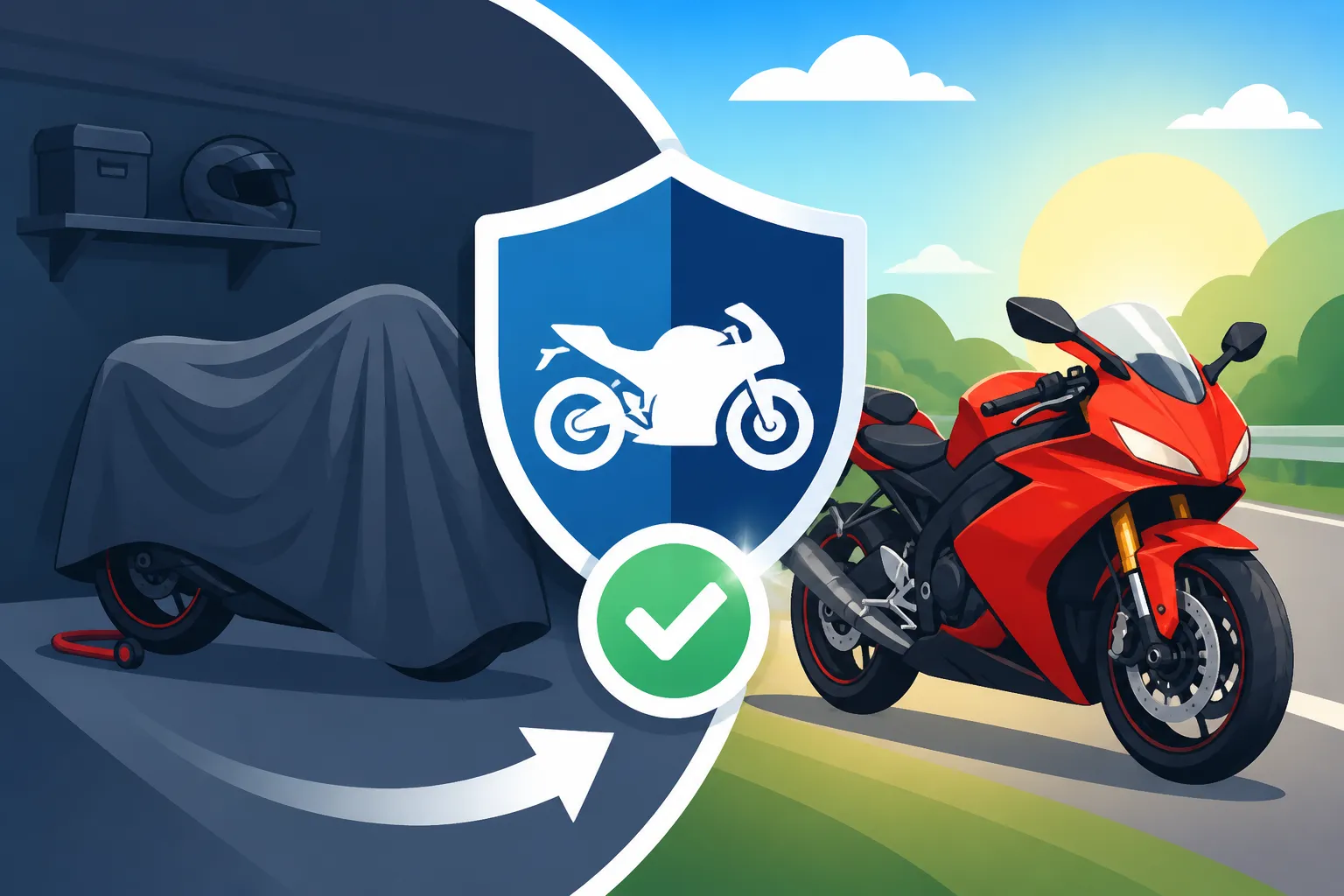
Ah, the sweet anticipation of spring! After months of your bike being tucked away for the winter, the open road is calling your name. But before you can twist the throttle, there's that crucial, often overlooked, step: reinstating your motorcycle insurance coverage. Many riders choose to put their policies on pause or reduce coverage during the "lay-up" season to save some cash, which is a smart move, but forgetting to reinstate it can lead to massive headaches, costly penalties, or worse, leaving you vulnerable on your first ride back. This comprehensive guide will walk you through everything you need to know to smoothly bring your coverage back online and ride legally and confidently.
Understanding Lay-Up Season and Its Impact on Your Policy
For many riders, especially those in colder climates, the motorcycle season is just that—a season. As soon as the first snow flies, bikes are typically winterized and stored away, often for several months. During this time, it seems counterintuitive to pay for full-blown insurance coverage when your bike isn't even leaving the garage. That's where the concept of lay-up coverage or policy suspension comes into play.
Why Riders Opt for Lay-Up Coverage
Choosing to adjust your insurance during the off-season is primarily about financial savings. Why pay for collision and liability coverage when your motorcycle is safely stored, not being ridden, and therefore not posing a risk of causing an accident or getting into one? Most riders will either:
- Suspend their policy entirely: This means all coverage is temporarily removed. While it offers the maximum savings, it leaves your bike completely uninsured for any eventuality, including theft or fire, unless you have separate homeowner's or renter's insurance that might offer some limited protection.
- Reduce to comprehensive-only coverage: This is a popular middle-ground. You drop the collision and liability components but keep comprehensive coverage. This protects your bike against non-riding related incidents like theft, vandalism, fire, natural disasters, or damage from falling objects while it's in storage. It's a smart choice for many, as the risk of theft or damage in storage is still very real. If you're wondering, "Do You Need Insurance to Store a Motorcycle?", maintaining comprehensive coverage often gives riders peace of mind.
The primary motivation is to cut down on monthly or annual premiums during periods when the bike is inactive. This strategy acknowledges the seasonal nature of riding and allows riders to optimize their insurance spending.
The Risks of Not Reinstating Your Policy
Imagine this scenario: the sun is shining, the roads are clear, and you pull your bike out of storage for that glorious first ride of the season. You're feeling free, then bam – a minor fender bender in a parking lot, or worse, a full-blown accident. If you haven't reinstated your coverage, you're now facing potentially devastating financial consequences.
- Financial Ruin: Without liability coverage, you're personally responsible for any damage or injuries you cause to others. This can quickly amount to tens or even hundreds of thousands of dollars in medical bills, property damage, and legal fees. Without collision coverage, you're on the hook for repairing or replacing your own motorcycle, which can be thousands of dollars out of your pocket.
- Legal Penalties: Most states require at least minimum liability insurance to operate a motorcycle on public roads. Riding without it can lead to severe penalties, including hefty fines, license suspension, vehicle impoundment, and even jail time. You might also be required to file an SR-22 or FR-44, which significantly increases future insurance premiums. For a deeper dive into the repercussions, you can check out our guide on What Happens If You Ride Without Insurance?.
- Uninsured Theft or Damage: Even if your bike is still in the garage and not being ridden, if you fully suspended your policy and it gets stolen or damaged by a fire, you'll have no recourse through insurance. That shiny new motorcycle you stored away could become a total loss, and you'd bear the full financial burden.
The small savings gained by not reinstating promptly can be completely dwarfed by the costs associated with even a minor incident.
Differentiating Between Suspension and Minimal Coverage
It's important to understand the nuances of how insurance companies handle seasonal adjustments. Not all "lay-up" situations are the same:
- Full Suspension: This is when you contact your insurer and explicitly tell them you want to pause all coverage. Your policy essentially goes dormant. During this period, you are not paying premiums, and your bike is not covered for anything. Reinstatement will require an active step from you.
- Comprehensive-Only Coverage: As mentioned, this is a popular option where you keep comprehensive coverage active while suspending liability and collision. You're still paying a premium, but it's significantly reduced. The benefit here is that your bike is still protected from non-riding risks. When the riding season approaches, you typically just need to contact your insurer to add back liability and collision.
- Minimum State Requirements During Storage: Some states have specific rules even for stored vehicles, though generally, if a vehicle isn't registered for road use, insurance isn't mandated. However, if your bike is financed, your lender will almost certainly require full coverage, even if it's stored. This is a critical detail that many riders forget. If you dropped to comprehensive-only or fully suspended a financed bike's policy, you might be in breach of your loan agreement, which could lead to forced-place insurance at a much higher cost.
Understanding what level of coverage you chose for your lay-up season will dictate the exact steps needed for reinstatement. Always verify with your insurance provider what your policy status is.
The Step-by-Step Process for Reinstating Your Motorcycle Insurance
Reinstating your motorcycle insurance after a lay-up season doesn't have to be a complicated ordeal, but it does require a bit of planning and attention to detail. Think of it as part of your spring tune-up routine for both your bike and your paperwork.
Contacting Your Insurer
This is the absolute first and most crucial step. Don't assume your policy will automatically kick back in, even if you had a specific date in mind when you suspended it. Insurance companies rarely do that without a prompt.
- Gather Your Information: Before you call, make sure you have your policy number, driver's license number, and the VIN (Vehicle Identification Number) for your motorcycle handy. Having your payment method ready will also expedite the process.
- Method of Contact: Most major insurers, like Progressive or Dairyland, allow you to reinstate coverage over the phone, through their online portal, or via their mobile app. Some prefer a direct call, especially if there have been significant changes or if your policy was fully suspended. Speaking to an agent directly can be beneficial, as they can answer any specific questions and ensure everything is correctly applied.
- Clearly State Your Intent: Be explicit that you want to reinstate your motorcycle insurance for the upcoming riding season. If you had comprehensive-only coverage, clarify that you want to add back your liability and collision components. If your policy was fully suspended, emphasize that you need to reactivate all necessary coverages to ride legally.
It's always a good idea to make this call a week or two before you plan to take your first ride. This gives you a buffer in case there are any unexpected delays or if the insurer needs additional information from you.
Reviewing Your Policy Details
Reinstatement isn't just about turning coverage back on; it's an excellent opportunity to review your entire policy. A lot can change in a few months!
- Personal Information: Double-check that your address, contact information, and driver's license details are still accurate. If you've moved to another state, this is critical, as insurance requirements can vary wildly. Our guide on Motorcycle Insurance Requirements by State (2026 Guide) highlights these differences.
- Motorcycle Information: Confirm that the correct motorcycle (make, model, VIN) is listed on your policy. Did you make any significant modifications over the winter, like adding custom parts or an aftermarket exhaust? These might need to be explicitly added to your policy with Accessories & Custom Parts Coverage Explained to ensure they're covered in case of an incident.
- Rider Information: Have any new riders been added to your household who might be riding your bike? Or has a rider who was previously on your policy moved out? Ensure all listed operators are current and accurate. A young, inexperienced rider can significantly impact your premium.
This review helps ensure your policy accurately reflects your current situation and that you're not overpaying or, more importantly, underinsured.
Choosing Your Coverage Levels
When you reinstate, you'll need to decide what level of coverage you want for the riding season. This is where you balance protection with cost.
- State Minimums vs. Full Protection: Every state has minimum liability requirements, like the common 25/50/25 limits. While tempting to go with the bare minimum to save money, it often leaves you seriously underinsured if you cause a significant accident. Consider increasing your liability limits beyond the minimum to protect your assets. For more detail, read about Minimum Liability Insurance Explained (The Three Numbers).
- Collision and Comprehensive: If you only had comprehensive during lay-up, you'll definitely want to add collision back for riding. If your bike is financed, full coverage (collision and comprehensive) is usually a non-negotiable requirement from your lender. Even if it's paid off, these coverages protect your investment from accidents, theft, and other non-collision damage.
- Optional Coverages: Don't forget about useful add-ons. Uninsured & Underinsured Motorist Coverage (UM/UIM) is incredibly important, as many car drivers ride without proper insurance. Roadside assistance, trip interruption, and medical payments (MedPay) are also worth considering for peace of mind on longer rides. Review Types of Motorcycle Insurance Coverage Explained to understand all your options.
It's tempting to just hit the "reinstate" button and assume everything is as it was, but taking a few extra minutes to re-evaluate your coverage needs can make a huge difference if you ever have to file a claim.
Key Considerations Before You Hit the Road Again
Getting your insurance reinstated is a monumental step, but it's not the only thing to consider before you throw a leg over that saddle for the first ride of the season. A little proactive thinking can prevent a lot of grief.
Timing is Everything
You've been patiently waiting for spring, and when that first warm day hits, you want to be ready. That's why timing your reinstatement is crucial.
- Avoid Gaps in Coverage: The ideal scenario is to have your insurance reactivated before you even think about pulling the bike out of the garage. If you plan to ride on April 1st, aim to have your coverage reinstated by March 28th or 29th. This allows a buffer for processing and ensures you're not riding uninsured for even a short period. A small gap can sometimes lead to an increased rate with some insurers, even if it was intentional.
- Early Spring Rides: Sometimes, Mother Nature surprises us with an early warm spell. If you're the type to seize the moment, make sure your insurance reinstatement is flexible or already in place. Many seasoned riders reinstate their full coverage a little earlier than they expect to ride, just to be safe. It’s better to pay for a couple of extra weeks of full coverage than to risk riding uninsured on a beautiful, unexpected spring day.
- Weekend Warrior Syndrome: If you only ride on weekends, don't wait until Friday afternoon to reinstate. Insurance companies operate on business days, and while online systems are often instant, any issues or manual reviews could leave you stranded until Monday.
Being methodical about your timing eliminates unnecessary stress and potential legal issues.
Checking for Policy Changes or Rate Adjustments
You might assume that when you reinstate your policy, your premium will be exactly the same as it was before you suspended it. This is often not the case. Insurance rates are dynamic, and several factors can cause them to shift.
- Market Adjustments: Insurance companies regularly adjust their rates based on overall market conditions, claims data, and economic factors. The cost of parts, labor, and medical care all influence premiums.
- Your Personal Profile: Have you had any tickets or accidents in your car since you last rode your motorcycle? Has your credit score changed (which can affect rates in many states)? Did you turn 25, which often brings a welcome drop in premiums for younger riders? All these factors can play a role. Find out more about What Affects Your Motorcycle Insurance Rate?.
- Discounts: Have you qualified for any new discounts? Perhaps you took another rider safety course, installed a new anti-theft device, or bundled other insurance policies with the same provider. Reinstatement is a prime time to inquire about Motorcycle Insurance Discounts You're Missing that you might now qualify for. Conversely, some discounts you had might have expired.
- Claim History: If you had to file a claim on another vehicle during your motorcycle's lay-up season, this could impact your motorcycle rates upon reinstatement.
Always ask your agent for a detailed breakdown of your new premium and be prepared for potential adjustments. Don't be afraid to ask why your rate changed.
Ensuring Your Motorcycle is Road-Ready
While not directly an insurance step, ensuring your bike is mechanically sound before riding is paramount, and it ties into your insurance in a practical way. An unmaintained bike is more prone to accidents, and while insurance will cover those, prevention is always better.
- Pre-Ride Inspection: Perform a thorough T-CLOCS (Tires, Controls, Lights, Oil, Chassis, Stands) inspection. Check tire pressure and tread, brake and clutch operation, all lights and signals, fluid levels, and chain tension. Make sure your battery is charged and healthy.
- Registration and Inspection: Is your motorcycle's registration current? Does your state require an annual safety or emissions inspection? Riding with expired tags can lead to tickets and complications if you're involved in an accident, even if your insurance is valid. Ensure you have your Proof of Insurance & Registration for Motorcycles handy.
- Gear Check: Dust off your helmet, jacket, gloves, and boots. Check your helmet for any damage or expiration dates. Good gear is your primary protection and can sometimes even factor into a claim, especially if you have specific gear coverage.
Taking these steps ensures not only your safety but also that you're operating legally and responsibly on the road, which can implicitly support your insurance status.
Potential Challenges and How to Navigate Them
While reinstating your motorcycle insurance is usually a straightforward process, sometimes life throws a wrench in the works. Being aware of potential challenges and knowing how to tackle them can save you a lot of stress and money.
Lapsed Coverage Penalties
One of the biggest headaches arises if you let your coverage lapse entirely, meaning you didn't even keep comprehensive coverage during the off-season, and then delay reinstatement past the start of the riding season.
- Definition of Lapse: A lapse occurs when there's a period where you have no active insurance coverage. If you intentionally suspended your policy, this might technically be considered a lapse by some insurers, even if it was planned. However, the more problematic scenario is when you forget to reinstate and ride without coverage, or simply have a period of unintentional non-coverage.
- Increased Premiums: Insurance companies view lapsed coverage as a higher risk. They see you as someone who might not consistently maintain insurance, which can lead to higher premiums when you finally do reinstate or try to get new coverage. This can sometimes linger on your record for several years.
- Legal Consequences: As discussed, riding even one day without the legally required minimum insurance can result in fines, license suspension, and potential impoundment of your bike. If you're involved in an accident during a lapse, the financial and legal ramifications can be severe.
- SR-22 or FR-44 Requirements: In some states, a lapse in coverage, particularly if you're caught riding uninsured, can trigger a requirement to file an SR-22 (or an FR-44 in Florida and Virginia). This certifies that you have met your state's minimum insurance requirements and will keep it for a specified period, often three years. Having an SR-22 will significantly increase your insurance rates. If this sounds like your situation, you might need to look into SR-22 for Motorcycles: When It's Required.
If you find yourself in a lapsed situation, be honest with your insurance provider. Some companies might be more lenient if it was a genuine oversight and you haven't had a prior history of lapses. However, it's always best to avoid a lapse by being proactive.
Changes in Your Riding Profile
Life changes, and those changes can absolutely affect your insurance rates and policy options. Don't just assume your old policy still fits perfectly.
- New Address: Moving, even just across town, can change your rates. Urban areas with higher traffic density and theft rates typically have higher premiums than rural areas. Different zip codes within the same city can even have varying rates. If you've moved to a different state, you'll need a completely new policy that complies with Motorcycle Insurance Requirements by State (2026 Guide).
- New Bike: Did you trade in your old cruiser for a sport bike over the winter? Or perhaps you upgraded to a larger engine? Different types of motorcycles have different risk profiles, directly impacting premiums. Sport bikes, for instance, are generally more expensive to insure than cruisers due to higher theft rates and increased likelihood of high-speed accidents. Our guide on Motorcycle Insurance Cost by Bike Type explains this in detail.
- Riding Habits: Are you planning to ride significantly more or less this season? Some insurers offer discounts for lower annual mileage. Conversely, if you're suddenly commuting long distances on your bike, that could be a new risk factor.
- Marital Status or Household Changes: Getting married or adding new drivers to your household can also influence rates, as insurers look at the overall risk associated with your living situation.
When reinstating, make sure you update your insurer on any significant life changes. While some might cause a rate increase, others, like getting married or moving to a safer neighborhood, could potentially lead to discounts.
Shopping Around for New Quotes
It's common for riders to simply reinstate with their previous insurer out of convenience. However, this is a prime opportunity to see if you can get a better deal elsewhere. Loyalty doesn't always pay when it comes to insurance.
- Comparison Shopping: Rates change, and what was the cheapest option last year might not be this year. Use online comparison tools or contact multiple providers to get quotes. Websites like The Zebra allow you to input your information once and receive quotes from several different insurance companies, making the process much easier.
- Consider Niche Insurers: While big names like Progressive and GEICO are popular, some companies specialize in motorcycle insurance, such as Dairyland or Markel. They might offer more tailored coverage options or better rates for specific types of bikes or riders.
- Review Your Needs: As part of shopping around, re-evaluate your coverage needs. Perhaps you've built up enough savings that you can afford a higher deductible, which could lower your premium. Or maybe you've decided you really need that Roadside Assistance & Towing for Motorcycles coverage this season.
- Bundling Opportunities: If you have other insurance policies (car, home, renters), check if bundling them with a new motorcycle insurer could lead to significant savings. Many companies offer multi-policy discounts. This is often covered in our Should You Bundle Motorcycle Insurance? guide.
Don't be afraid to switch. If you find a significantly better rate with comparable coverage, switching can be a smart financial move. Just make sure to properly cancel your old policy only after your new policy is fully active to avoid any gaps in coverage.
Optimizing Your Policy Upon Reinstatement
Reinstating your coverage isn't just a mandatory chore; it's a golden opportunity to fine-tune your policy, ensure you're getting the best value, and guarantee you have the right protection for the upcoming riding season. Think of it as a financial check-up for your bike's safety net.
Seeking Out Discounts
This is where you can potentially save a good chunk of money. Insurance companies offer a myriad of discounts, and you might qualify for more than you think.
- Multi-Policy/Bundling: The most common and often largest discount. If you have car, home, or renter's insurance with the same provider, combining your motorcycle policy can shave a significant percentage off your premiums. If you use a brand like Progressive for your car, they might offer a great rate for your bike.
- Rider Safety Course: Did you take an advanced rider safety course over the winter, like a Motorcycle Safety Foundation (MSF) course? Many insurers offer a discount for completing such courses, as it demonstrates a commitment to safe riding. This can be one of the most impactful discounts for riders.
- Experienced Rider/Clean Record: As you gain more riding experience and maintain a clean driving record, your rates naturally tend to decrease. Make sure your insurer acknowledges your tenure on two wheels.
- Anti-Theft Devices: Installing an alarm system, GPS tracker, or even just keeping your bike in a locked garage can qualify you for discounts.
- Organization Affiliations: Some insurers offer discounts for members of riding clubs (like H.O.G. for Harley-Davidson riders) or other professional organizations.
- Payment & Paperless: Simple things like setting up automatic payments or opting for paperless billing can often lead to small but cumulative savings.
When you contact your insurer, specifically ask them to review all available discounts you might qualify for. Don't assume they'll automatically apply everything. Our detailed guide on Motorcycle Insurance Discounts You're Missing can give you a comprehensive list to check against.
Adjusting Deductibles
Your deductible is the amount you pay out of pocket before your insurance coverage kicks in for a claim. This applies to collision and comprehensive coverages. Adjusting it is a balancing act between your premium cost and your immediate out-of-pocket expense if you have an incident.
- Higher Deductible, Lower Premium: If you have a healthy emergency fund and are comfortable taking on more risk in the event of a claim, increasing your deductible (e.g., from $500 to $1,000) can significantly lower your annual premium. This is a common strategy for experienced riders with good riding records who are less likely to make small claims.
- Lower Deductible, Higher Premium: If you prefer the peace of mind of knowing you'll pay less out of pocket if something happens, a lower deductible is the way to go, but it will result in a higher premium. This might be a good option for newer riders or those on expensive, new bikes.
- Re-evaluating Your Risk Tolerance: Consider how likely you are to file a claim. If you only ride occasionally and store your bike securely, a higher deductible might make sense for your collision coverage. However, if you ride daily or live in an area with high theft rates, a lower comprehensive deductible might be more appealing.
It's a personal decision, but reviewing your deductible options can be a powerful way to control your insurance costs upon reinstatement.
Considering Additional Coverages
Beyond the basics, several optional coverages can provide crucial protection and peace of mind for riders. Reinstatement is the perfect time to add these if you didn't have them before, especially if you've made upgrades over the winter or plan extensive trips.
- Custom Parts and Accessories Coverage: If you've invested in aftermarket exhaust, custom paint, saddlebags, chrome, or other modifications, your standard comprehensive or collision coverage might not cover their full value. This add-on specifically protects these investments. This is particularly relevant for Harley-Davidson owners who often customize their bikes extensively. For more info, check out Accessories & Custom Parts Coverage Explained.
- Medical Payments (MedPay) / Personal Injury Protection (PIP): These coverages help pay for your medical expenses (and sometimes those of your passenger) after an accident, regardless of who was at fault. This can be invaluable, especially if you have a high health insurance deductible or gaps in coverage.
- Roadside Assistance and Towing: A flat tire or mechanical breakdown can leave you stranded. This coverage ensures you can get your bike towed to a repair shop without incurring huge out-of-pocket expenses. Given the unique challenges of towing a motorcycle, this is often a wise investment.
- Trip Interruption: If your bike breaks down far from home on a long trip, this coverage can help with lodging, food, and alternative transportation costs while your bike is being repaired.
- New Bike Replacement/Gap Insurance: If you have a brand-new bike that gets totaled, these coverages can protect you. New bike replacement ensures you get a new model (not just the depreciated value), while Do You Need Gap Insurance on a Motorcycle? covers the difference between what you owe on a loan and the bike's actual cash value if it's totaled.
By carefully considering these optional coverages during reinstatement, you can tailor your policy to your specific riding style, bike, and financial situation, ensuring you're fully protected for whatever the riding season brings.
Provider Specific Nuances and What to Expect
While the general principles of reinstating motorcycle insurance are consistent across the board, individual insurance companies often have their own unique processes, tools, and offerings. Knowing what to expect from major players can help streamline your reinstatement.
Common Practices Among Major Insurers
Different insurance carriers cater to different types of riders and have varying administrative processes.
- Progressive: Progressive is one of the largest motorcycle insurers and is known for its user-friendly online tools and mobile app. You can often reinstate coverage and adjust policy details directly through their website or app. They also offer a wide range of discounts, including multi-policy, homeowner, and even a "Loyalty Discount" for continuous coverage. Their customer service is generally accessible, and they're usually quite adept at handling seasonal adjustments. If you're comparing Progressive vs Geico for Motorcycles, you might find Progressive's online system a bit more robust for quick changes.
- GEICO: Another major player, GEICO, also provides online account management for policyholders. Reinstating coverage can typically be done via their website or phone. They often emphasize bundling discounts with auto insurance.
- Dairyland: Dairyland specializes in motorcycle insurance, so they are particularly attuned to the needs of riders, including seasonal coverage. They are often a go-to for custom bikes or riders with less-than-perfect records. Their agents are usually well-versed in seasonal policy changes.
- Harley-Davidson Insurance: For Harley owners, this specialized insurance offers coverage tailored to Harley-Davidson bikes and their accessories. Reinstatement will follow a similar pattern but might have specific offerings for custom parts and agreed value coverage, which is highly beneficial for expensive, customized bikes.
Regardless of your insurer, proactively contacting them remains the best approach. Don't rely solely on automated systems if you have complex changes or questions.
Documentation and Proof of Insurance
Once you've successfully reinstated your coverage, the final crucial step before you roll out is to ensure you have valid proof of insurance.
- Immediate Proof: When you reinstate, ask your insurer for immediate proof of insurance. This could be an email with a temporary ID card, a printable PDF from their online portal, or confirmation that an updated digital ID card has been pushed to their mobile app.
- Physical ID Cards: While many states now accept digital proof of insurance on your smartphone, it's always a good idea to have a physical copy in your wallet or on your bike. Most insurers will mail new ID cards to you, but this can take a week or two.
- Digital Proof: Most states allow you to show proof of insurance on your phone. Make sure your insurer's app is updated and that your digital ID card reflects the current, active policy. Check out our guide on Proof of Insurance: Digital vs Paper for Riders for more information on what's accepted in your state.
- Review Policy Documents: When your new policy documents arrive (or are updated online), take a moment to review them thoroughly. Ensure all coverages, deductibles, and endorsements (like custom parts coverage) are accurately reflected. If you spot any discrepancies, contact your insurer immediately to get them corrected.
Having readily accessible and accurate proof of insurance is not just a legal requirement; it saves you a lot of hassle if you're pulled over or involved in an accident. You wouldn't want to explain a lapse or missing coverage during a stressful roadside interaction. Taking a few minutes to confirm everything is in order will give you the ultimate peace of mind as you embark on your first ride of the season.
Motorcycle Insurance Reinstatement Checklist
| Step | Before Reinstatement | After Reinstatement |
|---|---|---|
| Contact Insurer | Gather policy number, VIN, payment info. | Confirm effective date. |
| Review Policy Details | Note any address changes, bike mods, new riders. | Verify all personal/bike info is accurate. |
| Choose Coverage Levels | Consider financial situation, riding plans. | Ensure state minimums met, optional coverages added. |
| Check Rates & Discounts | Research new discounts, compare with prior rate. | Confirm applied discounts, understand new premium. |
| Ensure Road Readiness | Inspect bike, check registration, gear. | Carry valid proof of insurance (digital/paper). |
| Potential Challenges | Be aware of lapse penalties, changes in profile. | Address any discrepancies immediately. |
Disclaimer
This article is for general informational purposes only and does not constitute professional advice. Laws, prices and regulations vary by location and change over time. Consult a qualified professional for guidance on your specific situation.