How Much Is Insurance for an Electric Motorcycle?
So, you're eyeing an electric motorcycle, huh? That's awesome! The thought of quiet, torquey acceleration and skipping gas stations is definitely appealing. But if you're like most riders who are curious about these silent machines, your mind probably jumps straight to the practical questions, like "How much is insurance for an electric motorcycle?" It's a completely valid concern, especially since these bikes represent a newer, rapidly evolving segment of the market. This guide is here to demystify the costs, break down the factors, and help you find ways to save on insuring your electrifying new ride.
The Electric Difference: What Makes Insurance Unique for These Bikes?
When you’re looking at an electric motorcycle, it’s not just about two wheels and a motor anymore; it’s about sophisticated battery packs, complex electronics, and a whole new ecosystem of parts. This inherent difference from traditional gasoline-powered bikes definitely plays a role in how insurance companies assess risk and, consequently, set your premiums. It's not always as simple as "electric equals cheaper" or "electric equals more expensive" – it's nuanced, and understanding these differences is key.
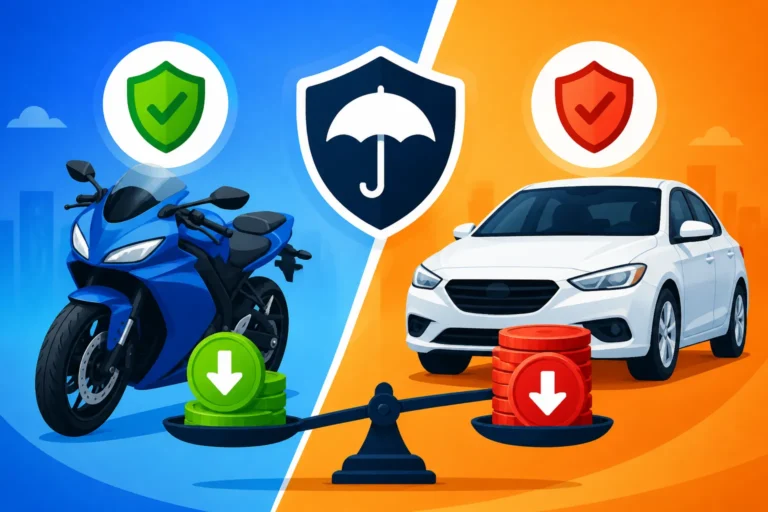
Comparing Costs: Electric vs. Gasoline Motorcycles
On one hand, you might assume electric motorcycles would be cheaper to insure. They often have fewer moving parts, which could lead to lower maintenance costs in the long run. Many are seen as more environmentally friendly, and some models might even have lower top speeds, potentially reducing certain accident risks. However, the reality is a bit more complex.
For example, a nimble electric commuter like a Zero FXE might indeed carry a lower insurance premium than a high-performance gasoline sportbike from, say, Ducati or a large, powerful Harley-Davidson. But then you have electric powerhouses like the LiveWire ONE, which boasts impressive acceleration and a premium price tag, putting it squarely in a similar insurance bracket as many top-tier traditional motorcycles. The truth is, the initial sticker price of electric motorcycles is often higher than their gas-powered counterparts. This higher upfront value means that if your bike is stolen or totaled, the payout from the insurance company will be greater, which translates to higher premiums for you.
Furthermore, the technology packed into these bikes—from advanced battery management systems to specialized electric motors—can be incredibly expensive to repair or replace after an accident. Unlike a simple carb or exhaust system on a gas bike, sourcing and installing a new battery pack or integrated motor unit often requires specialized technicians and parts that aren't yet as ubiquitous or cost-effective as traditional motorcycle components. This plays a significant role in the cost of comprehensive and collision coverage. While some advanced electric bikes come with built-in GPS tracking, which can act as an anti-theft deterrent and potentially lower your comprehensive premium, the underlying cost of the components often dictates the final price.
Key Factors Influencing Your Electric Motorcycle Premium
Just like with any motorcycle, a multitude of factors will influence your insurance rate. While some are universal, others have a particular emphasis when it comes to electric bikes.
- Make and Model of the Electric Motorcycle: This is huge. Is it a high-performance model like the LiveWire ONE, an adventure-ready Energica Experia, or a more urban-focused Zero S? High-performance bikes, regardless of their power source, tend to have higher premiums due to their increased accident risk and higher repair costs. The sheer market value of the bike itself is a primary driver.
- Cost of Repairs and Parts Availability: As mentioned, specialized electric components are not cheap. A damaged battery pack, controller, or motor can be a significant expense. The relatively smaller market for electric bikes also means that replacement parts might not be as readily available or as competitively priced as for a Honda CBR or a Yamaha MT. Insurers factor this increased cost of repair directly into your rates.
- Your Rider Profile: This is always a big one. Your age, riding experience (especially on powerful bikes), driving record (any tickets or accidents?), and even where you live all play a crucial role. A seasoned rider in their 40s with a clean record will almost always pay less than a brand-new rider in their early 20s.
- Coverage Levels and Deductibles: Naturally, the more coverage you opt for, the higher your premium will be. If you choose a full coverage policy that includes Collision vs Comprehensive Motorcycle Coverage, your rates will be significantly higher than if you only carry the minimum Liability Coverage for Motorcycles Explained. Similarly, choosing a lower deductible means the insurance company pays more out of pocket in a claim, so your premiums will be higher.
- Location: Where you park and ride matters. If you live in a high-theft area or a densely populated urban center with more traffic and higher accident rates, your insurance will likely be more expensive. For instance, insuring an electric bike in Los Angeles, California, will probably cost more than in a rural town in Montana.
Understanding the Numbers: Average Costs and What to Expect
It’s one thing to talk about factors, but what does that actually mean for your wallet? Getting a concrete number for "average" electric motorcycle insurance can be tricky because the market is still maturing, and specific models vary wildly in performance and price. However, we can look at typical ranges and understand how the unique aspects of electric bikes influence these figures.
Typical Price Ranges for Electric Motorcycle Insurance
Based on current market data and rider experiences, you might expect electric motorcycle insurance costs to fall anywhere from $300 to $2,000+ per year, sometimes even higher for high-end models or high-risk riders seeking full coverage.
Let's break that down:
- Entry-Level Electric Scooters or Low-Powered Commuters: For something like a Super Soco TC Max or an entry-level Zero FX, primarily used for commuting with basic liability-only coverage, you might see annual premiums closer to the $300-$700 range. These bikes typically have lower top speeds, are less expensive to buy, and are perceived as lower risk.
- Mid-Range Electric Motorcycles: For more capable models such as a Zero S or a Zero SR, which offer a good balance of performance and practicality, with standard full coverage (liability, collision, comprehensive, and perhaps Uninsured & Underinsured Motorist Coverage UM/UIM), premiums could range from $700 to $1,500 annually.
- High-Performance and Premium Electric Motorcycles: Bikes like the Harley-Davidson LiveWire ONE, the Energica Ego+, or other high-spec models can command premiums in the $1,500 to $2,500+ range, especially if you opt for comprehensive coverage that protects against theft and damage to those expensive components. These bikes often have higher horsepower, quicker acceleration, and a higher retail price, all of which push up insurance costs.
It's really important to remember these are broad estimates. Your individual circumstances – your age, riding history, location, and chosen coverage – will ultimately dictate your specific rate. Using a comparison tool like The Zebra can help you get personalized quotes that reflect these variables.
To give you a clearer picture, here's a rough comparison:
| Motorcycle Type | Example Models | Estimated Annual Insurance Cost (Full Coverage) | Key Factors Affecting Cost |
|---|---|---|---|
| Low-Power Electric | Zero FX, Super Soco TC Max | $300 – $700 | Lower MSRP, less aggressive performance, potentially less expensive components. |
| Mid-Range Electric | Zero S, Zero SR, Zero DSR | $700 – $1,500 | Moderate MSRP, good performance, balance of tech and repair costs. |
| High-Performance Electric | LiveWire ONE, Energica Ego+, Zero SR/S | $1,500 – $2,500+ | High MSRP, extreme performance, advanced and expensive battery/motor tech, specialized repairs. |
| Comparable Gas Sportbike | Kawasaki Ninja 650, Yamaha MT-07 | $800 – $1,800 | Performance, commonality of parts, often lower MSRP than high-end electrics. |
| Comparable Gas Cruiser/Touring | Harley-Davidson Street Glide, Honda Gold Wing | $1,000 – $2,000+ | High MSRP, weight, engine size, often associated with mature riders (can lower risk profile). |
The Role of Technology and Repairs in Pricing
The cutting-edge technology that makes electric motorcycles so exciting is also a major driver of their insurance costs. Unlike a gas engine that a seasoned mechanic can often fix with off-the-shelf parts, electric bikes are essentially computers on wheels.
- Battery Packs: The heart of any electric motorcycle is its battery. These are sophisticated, high-voltage units that are incredibly expensive to replace if damaged. A minor fender-bender that might only dent a gas tank on a conventional bike could potentially damage a battery pack or its casing on an electric model, leading to a much higher repair bill.
- Integrated Systems: Electric bikes often feature integrated electronic systems that control everything from power delivery to braking and regeneration. These complex networks require specialized diagnostic tools and technicians, which can be found at certified dealerships but aren't as common as traditional motorcycle repair shops. This exclusivity can drive up labor costs and wait times for repairs.
- Advanced Materials: Many high-performance electric motorcycles utilize lightweight, advanced materials like carbon fiber for frames or fairings to offset the weight of the battery pack. While great for performance, these materials are also very costly and time-consuming to repair or replace if damaged.
Insurers consider these factors when calculating your rates, especially for comprehensive and collision coverage. They're weighing the potential cost of a "total loss" scenario—where the repair cost exceeds a certain percentage of the bike's value—which can happen more easily with an expensive battery pack. This is why it's crucial to understand your coverage options, like Agreed Value vs Stated Value vs Actual Cash Value, as it relates to how your bike is valued in the event of a total loss.
Smart Strategies for Saving on Electric Motorcycle Insurance
Even with the unique pricing dynamics of electric motorcycles, there are plenty of ways to keep your premiums manageable. You don't have to sacrifice comprehensive protection just to afford your electrifying ride. It’s all about being a smart consumer and leveraging every opportunity to show insurers you’re a responsible rider.
Discounts Tailored for Electric Riders
While there aren't many explicit "electric vehicle discounts" specifically for motorcycles from most insurers yet, many standard discounts still apply and can significantly reduce your premium. Furthermore, some aspects of electric bikes inherently qualify them for certain savings.
- Motorcycle Safety Course Discount: This is probably one of the most impactful discounts you can get. Completing an approved motorcycle safety course, like those offered by the Motorcycle Safety Foundation (MSF), not only makes you a safer rider but also tells insurers you're serious about responsible riding. Most major carriers, like Progressive and Dairyland, offer this.
- Multi-Policy Discount: If you already have car insurance, homeowners, or renters insurance with a company, bundling your electric motorcycle policy with them can often net you a significant discount. It's usually cheaper to keep all your policies under one roof.
- Anti-Theft Device Discount: Many modern electric motorcycles come with sophisticated anti-theft measures, including GPS tracking, ignition immobilizers, and alarm systems. If your bike has these features, make sure your insurer knows! They can lead to a reduction in your comprehensive coverage premium, as the risk of theft and non-recovery is lowered.
- Experienced Rider/Clean Record Discount: The longer you've been riding (motorcycles in general, not just electric ones) and the cleaner your driving record, the lower your rates will be. Avoid tickets and accidents to keep your premiums down.
- Paid-in-Full Discount: If you can afford to pay your entire annual premium upfront, many insurers will give you a small discount for doing so.
- Organization Affiliation Discounts: Are you a member of a motorcycle club, a veteran, or part of certain professional organizations? Some insurance companies offer discounts based on these affiliations. Always ask!
- New Vehicle Discount: While not exclusively for electrics, some newer bikes qualify for a "new vehicle" discount, which your electric motorcycle may benefit from.
When shopping for insurance, don't be shy about asking every single question about available discounts. Sometimes, just having a conversation with an agent or filling out a detailed online quote form on a platform like The Zebra can reveal savings you didn't even know existed. You might be surprised by Motorcycle Insurance Discounts You're Missing that could apply to your electric ride.
How to Compare Policies Effectively
The biggest mistake riders make when insuring any bike is accepting the first quote they receive. Comparison shopping is paramount, especially for a newer segment like electric motorcycles where pricing models might still be evolving across different carriers.
- Gather Multiple Quotes: Don't just check one company. Reach out to several different insurers known for motorcycle policies, such as Progressive, Geico, Dairyland, Markel, and State Farm. Each company has its own underwriting criteria and risk assessments, meaning one might offer you a significantly better rate than another for the exact same coverage. This is where online comparison tools truly shine, allowing you to get multiple quotes by entering your information just once.
- Compare Apples to Apples: When you get quotes, ensure you're comparing identical coverage levels and deductibles. For instance, don't compare a quote for minimum Liability Coverage for Motorcycles Explained from one company to a full coverage policy from another. Make sure you understand exactly What Does Full Coverage Motorcycle Insurance Mean? from each provider.
- Consider Your Coverage Needs: While it's tempting to go with the cheapest option, think about what you actually need. If you've got a brand-new, expensive electric bike, skimping on collision and comprehensive coverage could be a financially devastating mistake if something happens. Also, consider add-ons like Roadside Assistance & Towing for Motorcycles—electric bikes can sometimes require specialized towing if they break down far from a charging station.
- Leverage Online Comparison Tools: Websites like The Zebra are designed to streamline this process. You input your information once, and they pull quotes from numerous providers, making it easy to compare prices and coverage options side-by-side. This saves a tremendous amount of time and helps ensure you don't miss out on a competitive rate.
- Read Reviews and Check Customer Service: A low premium is great, but not if the company has a terrible claims process. Look into reviews for Best Motorcycle Insurance Companies (2027) to gauge their customer service and claim handling reputation. You want an insurer that will be there for you when you need them most.
By taking the time to How to Compare Motorcycle Insurance Quotes thoroughly, you can often find the sweet spot between adequate coverage and an affordable premium for your electric motorcycle.
Real-World Scenarios and Insurer Perspectives
Insuring an electric motorcycle isn't just about the bike itself; it's about how insurers perceive this emerging technology and the potential challenges or benefits it presents. Being aware of these perspectives can help you understand your quotes and even anticipate future changes in the market.
What Insurers Look At When Quoting Electric Bikes
Beyond the standard factors, insurance companies delve deeper into the specific characteristics of electric motorcycles when formulating quotes. They're essentially trying to quantify a new type of risk.
- Performance Metrics: While the "cc" isn't relevant, the equivalent horsepower, torque, and 0-60 mph times are. A LiveWire ONE, with its instant torque and rapid acceleration, is going to be viewed differently than an electric moped, regardless of it being electric. Insurers understand that higher performance often correlates with higher accident potential. This is similar to how they analyze Does Engine Size CC Affect Insurance Cost? for gas bikes.
- Weight Distribution: The heavy battery pack in electric motorcycles creates a unique weight distribution. While this can sometimes contribute to a lower center of gravity, it also means the bike might behave differently in a collision or if dropped, potentially affecting specific parts more severely.
- Repair Network and Expertise: Insurers are constantly evaluating the availability of qualified repair shops and technicians for electric vehicles. If there are only a handful of certified electric motorcycle repair centers in a large state, the cost and time involved in repairs for major damage will be higher. This scarcity of specialized service can push up insurance costs, as it represents a higher potential payout for the insurer.
- Theft Risk: While anti-theft devices on electric bikes are a plus, insurers also consider the allure of new, expensive technology for thieves. If a specific electric model becomes a popular target, even with tracking, its comprehensive rates could rise.
Insurers like Progressive and Dairyland, who have historically been strong in the motorcycle insurance market, are continually refining their models to accurately price electric motorcycles as more data becomes available. As the electric market grows, expect these companies to offer more tailored policies and potentially specific discounts.
Planning for the Future: Resale Value and Total Loss Considerations
Owning an electric motorcycle means being at the forefront of technology, but it also means navigating a market where technology evolves rapidly. This rapid evolution can have implications for your insurance, particularly concerning the bike's value over time.
- Depreciation of Technology: Battery technology, motor efficiency, and charging speeds are improving constantly. This rapid advancement can lead to quicker depreciation for older electric models compared to their gasoline counterparts, where technology changes at a slower pace. If your bike is totaled after a few years, its market value (and thus your insurance payout, especially with Actual Cash Value policies) might be lower than you anticipate.
- Battery Degradation: While modern electric motorcycle batteries are designed for longevity, some degradation can occur over many years and charge cycles. While typically not an immediate insurance concern, long-term battery health can affect resale value, which indirectly impacts what an insurer might pay out in a total loss scenario down the line.
- Total Loss Scenarios: As discussed, the high cost of components like battery packs means an electric motorcycle can be declared a total loss more readily than a gas bike after a significant accident. Even seemingly minor frame damage, when coupled with battery or motor casing damage, can quickly push repair costs beyond the total loss threshold. Understanding What Happens When Your Motorcycle Is Totaled? is crucial for all riders, but especially for those with high-value electric bikes.
For these reasons, particularly for new and expensive electric motorcycles, it's worth exploring "Agreed Value" coverage if available. This type of policy sets a value for your bike at the beginning of the policy term, and that's the amount you'd receive if it's totaled, rather than the insurer's assessment of its "Actual Cash Value" at the time of the claim. This can provide greater peace of mind against rapid depreciation.
Ultimately, while the initial cost might be a bit of an unknown, owning an electric motorcycle can be an incredibly rewarding experience. By understanding how insurers view these innovative machines and proactively seeking out the best coverage at the right price, you can hit the road with confidence.
Disclaimer
This article is for general informational purposes only and does not constitute professional advice. Laws, prices and regulations vary by location and change over time. Consult a qualified professional for guidance on your specific situation.