Is Motorcycle Insurance Required in Georgia?
You've just bought a shiny new bike, or maybe you've been riding the Georgia backroads for years, and a nagging question pops into your head: "Do I really need motorcycle insurance in Georgia?" It's a common concern, especially when you hear different things from different people, and navigating state laws can feel like trying to find your way through a crowded festival on a sportbike. Let me tell you, understanding Georgia's specific requirements isn't just about avoiding a ticket; it's about protecting your financial future and peace of mind on those beautiful southern rides. This guide is here to clear up all that confusion, breaking down exactly what you need to know to ride legally and responsibly in the Peach State.
Georgia Motorcycle Insurance Requirements: The Law of the Land
Let's get straight to the heart of it: Yes, motorcycle insurance is absolutely required in Georgia if you plan to ride your bike on public roads. Just like with cars, the state mandates that you carry a minimum amount of liability coverage to ensure that if you're involved in an at-fault accident, there's some financial protection for the other party. It's not just a suggestion; it's the law, and skirting it can lead to some serious headaches, not to mention financial ruin.
Minimum Liability Coverage Explained
Georgia operates under a "fault" system, meaning the person who causes an accident is responsible for the damages. This is precisely why liability insurance is so crucial. The state's minimum requirements are often referred to as 25/50/25. If those numbers look like a secret code, don't worry, I'll break them down for you. This minimum coverage is designed to cover bodily injury and property damage you might cause to others in an accident where you are deemed at fault. It doesn't, however, cover damage to your own bike or your own medical bills.
The "25" refers to $25,000 for bodily injury liability per person. This means if you cause an accident and another person is injured, your insurance will cover up to $25,000 of their medical expenses, lost wages, and pain and suffering. It's important to remember this is per person, not per accident. The "50" stands for $50,000 for total bodily injury liability per accident. So, if multiple people are injured in the same incident, your policy will pay out a maximum of $50,000 for all their combined injuries, even if that means individuals receive less than the $25,000 per person limit. Finally, the last "25" represents $25,000 for property damage liability per accident. This covers the cost of repairing or replacing another person's property, like their vehicle, a fence, or even a mailbox, if you damage it in an accident. These figures are the bare minimum, and honestly, in today's world of escalating medical costs and vehicle repair prices, they might not be enough to fully cover a serious accident. Many riders choose to carry more robust coverage than just the legal minimums, which is always a smart move. For a more detailed look at what these numbers truly mean, you can read up on Minimum Liability Insurance Explained (The Three Numbers).
Who Needs to Carry Insurance?
If it has two or three wheels and you're riding it on a public road in Georgia, chances are you need insurance. This isn't just limited to your traditional Harley-Davidson or sportbike. It extends to scooters, mopeds, and even some electric bikes if they meet certain criteria for registration and road use. The general rule of thumb is: if it requires a license plate and registration, it requires insurance. This is why you often see requirements for Moped & Scooter Insurance Requirements by State and even Do You Need Insurance for a 50cc Scooter?.
The key distinction often lies in the vehicle's engine size and top speed. For example, a low-powered scooter that doesn't exceed 30 mph might have different classification rules, but for anything you'd typically consider a motorcycle, the standard insurance laws apply. If you're unsure about your specific ride, it's always best to check with the Georgia Department of Driver Services or a reputable insurance provider. This ensures you're never caught off guard when you decide to take that scenic route through the Appalachian foothills or cruise down to Savannah.
What About Proof of Insurance?
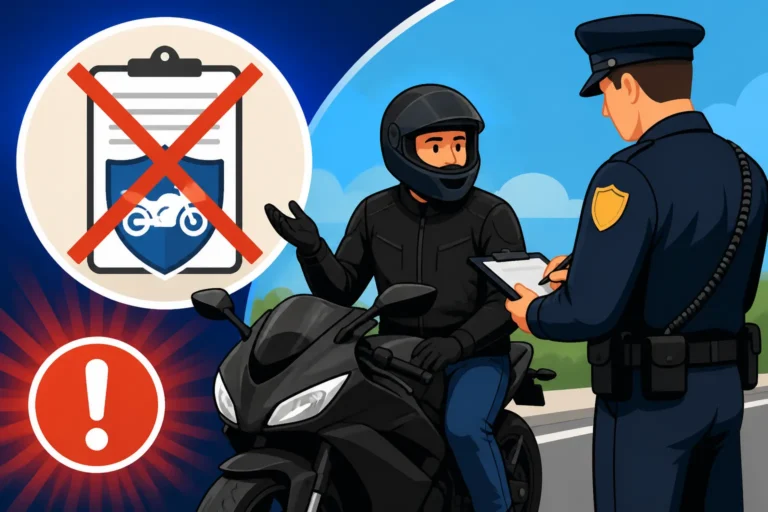
Carrying proof of insurance is just as important as having the policy itself. In Georgia, law enforcement officers can and will ask for proof of insurance during traffic stops or after an accident. This isn't just a formality; it's how they verify your compliance with state law. Gone are the days when you had to have a physical paper card in your wallet, although many still prefer it. Now, most insurance companies offer digital proof of insurance that you can display on your smartphone. However, make sure your phone is charged and accessible, because "my phone died" won't cut it as an excuse if an officer asks for it.
The law requires you to present proof of insurance upon request. Failure to do so can lead to citations, even if you are insured. It's a small detail that can save you a lot of hassle. Whether it's a paper card, a digital image, or through a mobile app provided by your insurer like Progressive or Geico, ensure you have easy access to your policy information. Keeping up-to-date documentation is crucial, not just for legal compliance but for smoothly handling any roadside interactions or accident reports. Having your Proof of Insurance & Registration for Motorcycles readily available makes everything easier.
The Risks of Riding Without Insurance in Georgia
Okay, so you know you need it. But what actually happens if you decide to roll the dice and ride without motorcycle insurance in Georgia? Let me tell you, it's not a gamble worth taking. The potential consequences far outweigh the perceived savings of skipping a policy. Not only are you risking your own financial well-being, but you're also putting yourself in a legally precarious position that can have long-lasting repercussions.
Penalties and Consequences
Riding uninsured in Georgia is a misdemeanor offense, and the penalties can be steep. For a first offense, you could face fines ranging from $200 to $1,000, along with a mandatory 60-day suspension of your motorcycle registration. That means your bike is grounded, plain and simple. Imagine paying a fine and not being able to ride! If you're a repeat offender, those penalties escalate quickly. Fines can go up, and your registration could be suspended for up to 90 days. You might even face impoundment of your motorcycle, and in some severe cases, potential jail time.
Beyond the immediate legal trouble, riding uninsured can lead to points on your driving record, which can impact your ability to get insurance in the future (or make it significantly more expensive). Furthermore, if you're involved in an accident and found to be at fault without insurance, you could be personally liable for all damages and medical bills incurred by the other party. This means they can sue you directly, potentially leading to wage garnishment, liens on your property, and a financial burden that could take years, if not decades, to recover from. It's a stark reminder that the cost of insurance is a small price to pay compared to the financial devastation an uninsured accident can bring. For a deeper dive into these consequences, check out Penalties for Riding Without Insurance and What Happens If You Ride Without Insurance?.
Financial Responsibility Laws
Georgia's financial responsibility laws are designed to protect accident victims by ensuring that those who cause harm can pay for it. Since Georgia is a "fault" state, if you're involved in an accident and you're determined to be at fault, you are legally and financially responsible for all damages and injuries to the other parties. Without insurance, that entire burden falls squarely on your shoulders. This isn't just theoretical; it's a very real scenario that plays out in courtrooms across the state every day.
Consider a hypothetical situation: You're cruising through Atlanta traffic, and due to a momentary lapse in judgment, you swerve and clip a brand new luxury SUV. The driver sustains whiplash, and the SUV needs extensive body work. If you have only minimum liability insurance, your policy might cover some of it, but if you have no insurance, you're on the hook for everything. That could easily be tens of thousands of dollars in medical bills, vehicle repairs, and potential legal fees, all coming out of your pocket. This is where comprehensive coverage becomes important, as it helps pay for these costs. This is why understanding Financial Responsibility Laws for Riders is so critical. An uninsured accident can wipe out your savings, damage your credit, and leave you in a mountain of debt, making it incredibly difficult to secure loans or even rent an apartment in the future. The peace of mind that comes with knowing you're protected is truly priceless.
Beyond the Basics: Recommended Coverage for Georgia Riders
While Georgia's minimum liability requirements are designed to ensure some level of financial responsibility, they frankly don't do much to protect you or your prized motorcycle. Many experienced riders in Georgia will tell you that relying solely on the minimums is a risky game. When you're out on the open road, whether it's riding the curvy roads of North Georgia or navigating the bustling streets of Macon, you want more than just the bare minimum protecting your ride and your health.
Understanding Additional Coverage Options
Stepping up from basic liability means exploring a range of additional coverages that can provide much-needed protection.
- Collision Coverage: This is what helps pay for damages to your motorcycle if you hit another vehicle or an object, or if your bike simply tips over. Whether you lay it down on a gravel road or get into a fender bender on Peachtree Street, collision coverage kicks in to help with repair or replacement costs, regardless of who is at fault. It's a game-changer when your bike is your passion, and you want to get it back on the road quickly.
- Comprehensive Coverage: Think of comprehensive as protection against anything other than a collision. This includes theft, vandalism, fire, natural disasters (like hail or flood damage from those intense Georgia storms), and even hitting an animal. If you've got a beautiful bike, protecting it from these unpredictable events is crucial. Imagine your bike getting stolen from your garage or vandalized while parked; Does Motorcycle Insurance Cover Theft? and Does Comprehensive Cover Motorcycle Vandalism? are critical questions comprehensive coverage answers.
- Uninsured/Underinsured Motorist (UM/UIM) Coverage: This is incredibly important in Georgia. Despite the laws, many drivers (and riders) still go without insurance or carry only the minimums, which might not be enough to cover your injuries or damages if they hit you. UM/UIM coverage steps in when the at-fault party either has no insurance or their insurance limits aren't enough to cover your costs. Given the number of uninsured drivers on the road, this coverage can be a lifesaver, covering your medical bills, lost wages, and sometimes even damage to your bike. You can learn more about Uninsured & Underinsured Motorist Coverage (UM/UIM) to see why it's so vital.
- Medical Payments (MedPay): This coverage helps pay for medical expenses for you and any passengers, regardless of who caused the accident. It can be a first line of defense for immediate medical costs, emergency room visits, and even some follow-up care. It's designed to pay quickly, without waiting for fault to be determined, which can be a huge relief after a traumatic event.
- Accessories & Custom Parts Coverage: If you've invested in aftermarket parts, custom paint, or expensive gear, standard policies might not cover their full value. Many insurers offer specific coverage for Accessories & Custom Parts Coverage Explained to protect those investments, whether it's custom pipes, a fancy fairing, or even your high-end helmet and riding jacket. Companies like Progressive and Dairyland are known for offering robust options here.
Tailoring Your Policy to Georgia's Roads
Choosing the right coverage isn't a one-size-fits-all situation; it depends on your riding style, your bike, and where you ride in Georgia. If you're primarily a city rider, navigating the concrete jungle of Atlanta, you might prioritize higher liability limits and UM/UIM due to the increased traffic and potential for accidents. If you're an avid touring rider, perhaps frequently exploring scenic routes like the Tail of the Dragon (even though it's technically in North Carolina, it's a popular Georgia rider destination) or other long-distance trips, you might want to consider roadside assistance, trip interruption coverage, and higher comprehensive limits.
The value of your bike also plays a huge role. A brand new Harley-Davidson Street Glide or a high-performance Yamaha R1 will likely warrant comprehensive and collision coverage, possibly with new bike replacement coverage, whereas an older, paid-off Kawasaki Vulcan might only need liability and UM/UIM if you're comfortable covering damage to your own bike out of pocket. Think about where you park your bike – is it in a secure garage or on the street? This impacts your need for comprehensive coverage against theft or vandalism. Regularly evaluating your riding habits and circumstances will help you decide What Motorcycle Coverage Do You Actually Need? and avoid being underinsured.
Navigating Georgia's Roads: Practical Advice for Insured Riders
Once you've got your head wrapped around Georgia's motorcycle insurance requirements and what coverages make sense for you, the next step is putting it all into action. This means not just getting a policy, but getting the right policy and maintaining it properly. It's about being a smart, prepared rider who enjoys the open road without unnecessary worries.
Finding the Right Policy
Shopping for motorcycle insurance doesn't have to be a headache. The key is to compare quotes from multiple providers to ensure you're getting the best rates and coverage that fits your needs. Don't just go with the first quote you get; take the time to compare. Different companies have different pricing models, and what's cheapest for one rider might not be for another. Factors like your age, riding experience, claims history, the type of motorcycle you ride (sport bikes often cost more to insure than cruisers), and even your credit score can all impact your rates.
Look for companies that specialize in motorcycle insurance or have a strong reputation in the motorcycle community, such as Progressive, Geico, or Dairyland. They often understand the unique needs of riders and can offer specialized coverages. Also, ask about discounts! Many insurers offer discounts for completing a motorcycle safety course, bundling your motorcycle policy with your car or home insurance, having anti-theft devices, or being a member of certain riding clubs. Even taking a look at How to Get Cheap Motorcycle Insurance can provide some excellent tips for saving money without sacrificing essential coverage. Make sure you understand the difference between Full Coverage vs Liability: Which Should You Choose? so you pick the right level of protection.
Here's a quick comparison of key coverage types:
| Coverage Type | What it Covers | Georgia Requirement | Recommended for Riders? |
|---|---|---|---|
| Bodily Injury Liability | Injuries to others if you're at fault (per person/per accident) | Yes ($25,000/$50,000) | Higher limits often recommended |
| Property Damage Liability | Damage to others' property if you're at fault (per accident) | Yes ($25,000) | Higher limits often recommended |
| Collision | Damage to your motorcycle from an accident, regardless of fault | No | Highly recommended for new/valuable bikes |
| Comprehensive | Damage to your motorcycle from non-collision events (theft, fire, vandalism) | No | Highly recommended for all bikes |
| Uninsured/Underinsured Motorist | Your injuries/damages if hit by an uninsured or underinsured driver | No | Highly recommended in Georgia due to uninsured drivers |
| Medical Payments | Medical expenses for you and passengers, regardless of fault | No | Recommended for additional personal injury protection |
| Accessories & Custom Parts | Coverage for aftermarket parts, gear, and customizations | No | Essential for riders with customized or accessorized bikes |
Staying Compliant and Safe
Once you have your policy, it's vital to maintain it. This means paying your premiums on time, keeping your policy information updated, and always having proof of insurance readily available. If you move, get a new bike, or add modifications, make sure you notify your insurance company so your coverage accurately reflects your current situation. For instance, if you get a new bike, you'll need to know How to Add a New Motorcycle to Your Policy. Lapses in coverage, even short ones, can lead to fines, penalties, and higher premiums down the line. It's often best to ensure continuous coverage, especially if you're switching providers; avoiding a Motorcycle Insurance Grace Period When Buying can save you a lot of hassle.
Remember, insurance is just one part of safe riding. Continue to hone your skills, wear appropriate gear, and always ride defensively. Georgia's roads can be beautiful, but they demand respect and vigilance. Being a responsible rider means not only obeying traffic laws and wearing a helmet (especially if you're a new rider or under 21, as Georgia has a Motorcycle Helmet Laws by State), but also being fully insured. That way, you can focus on the pure joy of riding, knowing you're protected, compliant, and ready for whatever the road throws your way.
Disclaimer
This article is for general informational purposes only and does not constitute professional advice. Laws, prices and regulations vary by location and change over time. Consult a qualified professional for guidance on your specific situation.