Do You Need Comprehensive on an Old Motorcycle?
It's a common dilemma, isn't it? You love your old motorcycle, that trusty steed that's seen you through countless miles, but you start to wonder if shelling out for comprehensive insurance on it still makes sense. It feels like you're caught between protecting an irreplaceable part of your life and questioning the financial logic when its market value might not be what it once was. This guide is here to walk you through that exact thought process, helping you weigh the pros and cons of keeping comprehensive coverage on your seasoned ride.
Understanding Comprehensive Coverage for Motorcycles
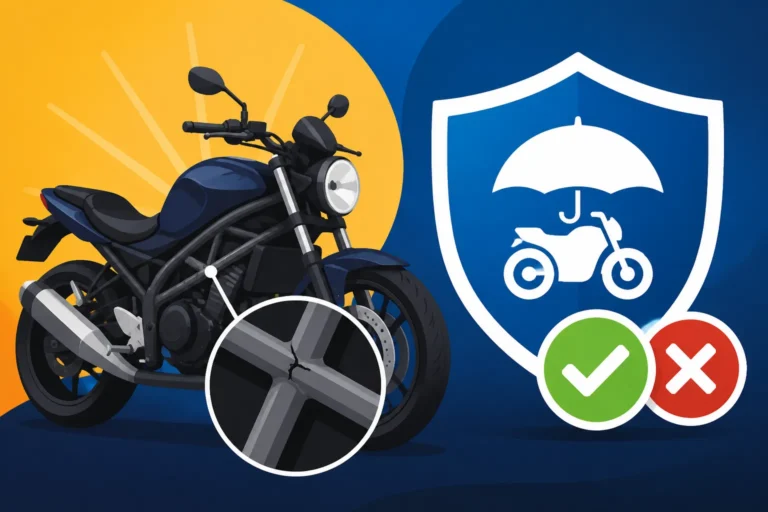
Before we dive into the specifics of older bikes, let’s make sure we're all on the same page about what comprehensive coverage actually is. Often misunderstood, it's a crucial part of a robust motorcycle insurance policy, but it’s not always strictly required by law – unlike liability, which is almost universally mandatory. For many riders, especially those with financed bikes, comprehensive is part of what’s called "full coverage" insurance, protecting against a range of non-collision incidents.
What Comprehensive Insurance Actually Covers
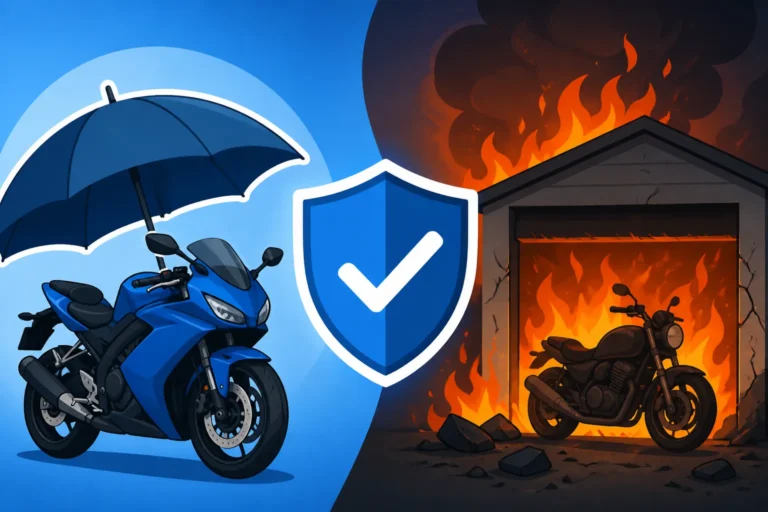
When we talk about comprehensive coverage for your motorcycle, we're talking about protection against a whole host of unexpected events that aren't related to a collision with another vehicle or object while you're riding. Think of it as your "acts of God" or "things out of your control" coverage. This can include anything from natural disasters to unfortunate run-ins with wildlife.
For example, imagine you've parked your vintage Harley-Davidson in your driveway overnight. A sudden, severe hailstorm rolls through, leaving tiny dents all over the tank and fenders. Without comprehensive coverage, those repair costs would come entirely out of your pocket. Similarly, if a deer suddenly jumps out and you swerve, dropping your bike but avoiding a direct collision with the animal, comprehensive would likely cover the damage. It also steps in if your motorcycle is stolen, vandalized, or catches fire. This protection extends beyond just the bike itself; often, your policy will include coverage for riding gear like helmets and jackets, up to a certain limit. So, if your prized Shoei helmet goes missing along with your bike, comprehensive could help you replace it. This is a critical piece of the puzzle, especially when considering the potential for a Motorcycle Theft Claim: How It Works or damage from unforeseen events.
What Comprehensive Doesn't Cover
It’s just as important to understand what comprehensive coverage doesn't do for you, to avoid any unwelcome surprises down the line. First and foremost, comprehensive coverage does not cover damages resulting from a collision with another vehicle or object if you're deemed at fault. That's where your collision coverage comes in. If you rear-end a car, or misjudge a turn and hit a guardrail, comprehensive won't pay for the repairs to your bike. Likewise, it doesn't cover injuries to you or others; that falls under medical payments, bodily injury liability, or uninsured/underinsured motorist coverage, depending on the specifics.
Furthermore, comprehensive won't cover mechanical breakdowns or routine wear and tear. If your engine seizes up because it's old and tired, that's not an insurance claim. It's also important to remember that liability coverage, which is legally mandated in most states, is an entirely separate beast. While comprehensive protects your bike from specific perils, Liability Coverage for Motorcycles Explained ensures you're covered for damages or injuries you might cause to others if you're at fault in an accident. Knowing the distinction between these coverage types is key to building a truly effective policy.
The "Old Motorcycle" Dilemma
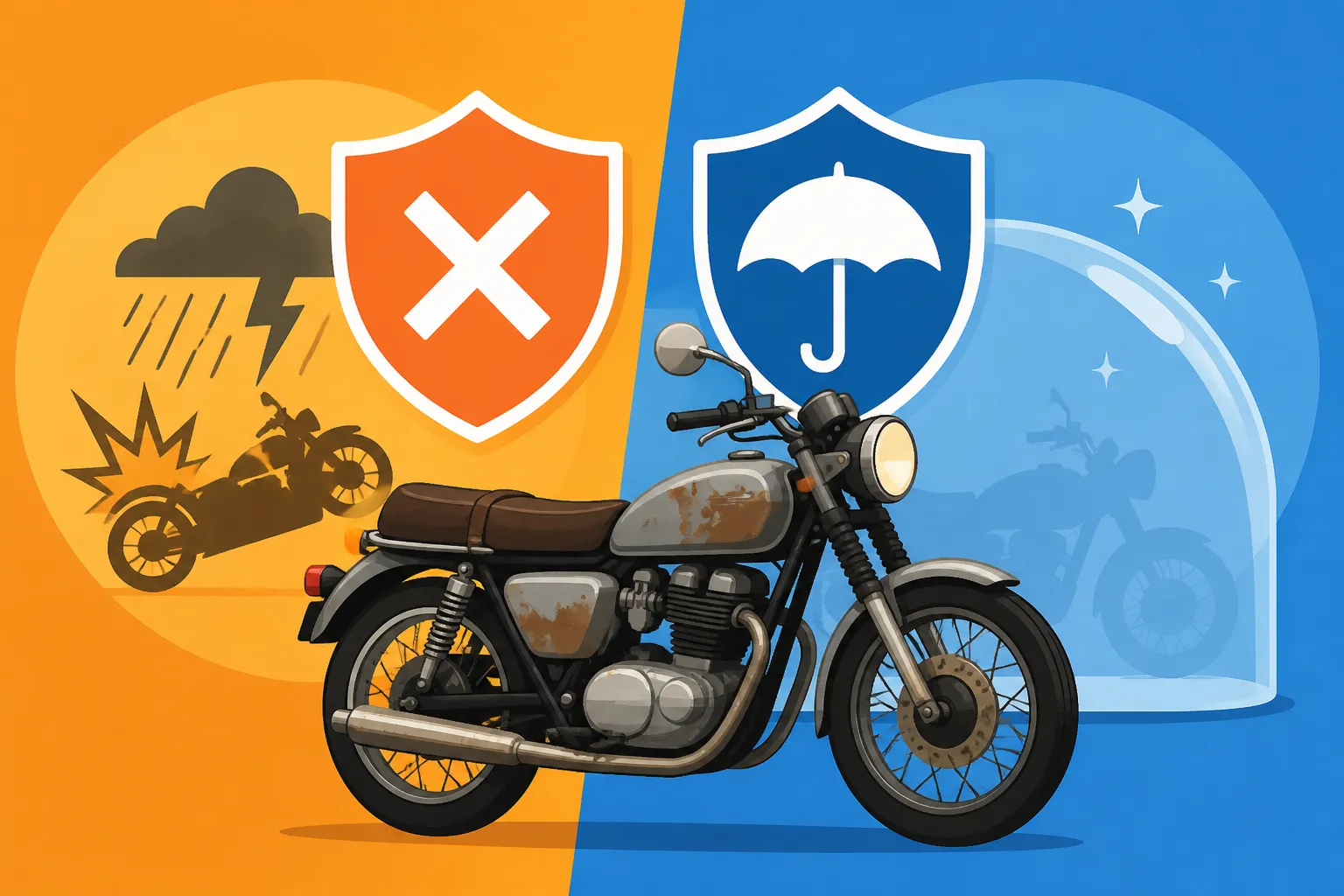
The term "old motorcycle" can mean different things to different people. For some, it's a classic from the 70s; for others, it's just a ten-year-old bike that's been superseded by newer models. Regardless of your personal definition, when it comes to insurance, age definitely plays a role in how a motorcycle is valued and, consequently, how much sense comprehensive coverage makes.
Defining "Old" in Insurance Speak
From an insurance perspective, an "old" motorcycle typically means one that has significantly depreciated in value from its original purchase price, often reaching a point where its market value, or Actual Cash Value (ACV), is relatively low. This isn't a hard and fast rule set at a specific year, but generally, once a bike is, say, 10-15 years old, unless it's a rare collector's item, its ACV will be a fraction of what it once was. This is important because comprehensive coverage typically pays out based on the ACV of your motorcycle at the time of a covered loss, minus your deductible.
Consider a 2010 Honda Rebel 250. While still a perfectly capable and beloved ride, its ACV in 2026 will be considerably less than a brand new Honda Rebel 500. Insurers like Progressive and Dairyland calculate premiums based on this depreciated value, among other factors. For a truly vintage or classic bike, you might need specialized coverage like Agreed Value vs Stated Value vs Actual Cash Value to ensure you're compensated fairly for its unique worth, which goes beyond simple depreciation.
Common Rider Sentiments
Riders of older motorcycles often fall into one of two camps: those who see their bike as a practical, low-cost commuter that's easily replaceable, and those who cherish it as a project, a classic, or a sentimental possession. The emotions tied to an older bike can heavily influence your insurance decisions.
For the rider who views their old Yamaha V-Star as a reliable but simple mode of transport, paying for comprehensive coverage might feel like throwing money away. If the bike is only worth a few thousand dollars and their comprehensive premium is, say, $200-$300 a year with a $500 deductible, they might calculate that it would take years of premiums to even come close to the bike's value, assuming a total loss. They might prefer to self-insure against theft or vandalism, absorbing the risk themselves.
On the flip side, someone with a meticulously restored 1978 Kawasaki KZ1000 might find its monetary value less important than its sentimental worth or the hundreds of hours they've poured into it. For them, the peace of mind that comprehensive coverage offers, even if it only covers the ACV or requires an agreed-value policy, might be indispensable. The fear of theft or damage from a fallen tree limb is very real, regardless of whether they could buy a similar bike for a low price on the used market. This personal attachment is a huge factor, and one that insurers like Markel, known for classic vehicle coverage, understand well.
Factors Influencing Your Decision
Deciding whether to keep comprehensive coverage on your old motorcycle isn't a one-size-fits-all answer. Several key factors come into play, and giving them honest consideration will help you arrive at the right choice for your situation. It's about balancing potential financial risk against the cost of protection and your own peace of mind.
The Actual Cash Value (ACV) of Your Bike
This is arguably the most significant financial factor. As we discussed, comprehensive coverage typically pays out based on your bike's Actual Cash Value (ACV) at the time of a loss. The ACV is essentially what your motorcycle would be worth on the open market, factoring in depreciation, condition, mileage, and recent sales of comparable bikes.
If your motorcycle is only worth, say, $2,000, and your comprehensive premium is $150 a year with a $500 deductible, you need to do the math. Over a few years, those premiums can quickly add up to a significant portion of the bike's value. If you make a claim, say for theft, and the bike is declared a total loss, you'd get $1,500 ($2,000 ACV – $500 deductible). Is that $1,500 payout worth the $150+ a year you're paying in premiums? For some, that's a definite yes, especially if that $1,500 is crucial for replacing the bike. For others, it might feel like a meager return for years of payments. This is where an honest assessment of your bike's market value, which you can often get through online marketplaces, Kelley Blue Book, or even through a quick quote comparison on a site like The Zebra, becomes critical. Understanding What Happens When Your Motorcycle Is Totaled? can help put this into perspective.
Your Financial Tolerance for Risk
How comfortable are you with absorbing potential financial losses out of pocket? This is a very personal question. If your old motorcycle is stolen or damaged by a storm, could you comfortably afford to replace it or pay for repairs yourself? Or would a sudden $2,000 expense be a significant hardship?
For riders with a healthy emergency fund and a low-value bike, opting to forgo comprehensive coverage might be a calculated risk they're willing to take. They might decide that the money saved on premiums could be put into a "bike repair/replacement" fund instead. However, if your budget is tight, and the thought of suddenly losing your primary mode of transport or facing a substantial repair bill without insurance is terrifying, then comprehensive coverage provides a valuable safety net. It’s about more than just the numbers; it’s about your individual financial stability and comfort level with uncertainty. This consideration also ties into the broader topic of What Motorcycle Coverage Do You Actually Need?.
Storage and Security of Your Motorcycle
Where and how you store your motorcycle can significantly impact its risk of theft or damage, and thus, the value of comprehensive coverage. A motorcycle consistently parked on the street in a high-crime urban area is at a much higher risk of theft or vandalism than one securely garaged in a rural, low-crime neighborhood.
If your bike lives inside a locked garage, perhaps even with additional security measures like alarms or ground anchors, your risk profile is lower. This might make comprehensive coverage seem less essential. Conversely, if your bike is often exposed to the elements or parked in an area known for motorcycle theft, the protection comprehensive offers against incidents like Motorcycle Theft Claim: How It Works could be a worthwhile investment. Insurers often provide discounts for secure storage, so always mention these details when getting quotes. Even considering Do You Need Insurance to Store a Motorcycle? is a valid question, as even stationary bikes face risks.
Your Riding Habits and Environment
While comprehensive covers non-collision incidents, your overall riding habits and environment still subtly influence your decision. For instance, if you live in an area prone to severe weather events (hurricanes, blizzards, floods), the chances of weather-related damage covered by comprehensive might be higher, making it a more attractive option. Similarly, if you frequently ride through rural areas where animal collisions are common, comprehensive coverage for hitting a deer, for example, becomes more relevant.
Conversely, if your "old motorcycle" is really a fair-weather weekend warrior that rarely leaves a safe garage and quiet neighborhood roads, some of the broader comprehensive risks might feel less pressing. It's about evaluating the specific perils you're most likely to encounter based on where and how you ride.
Pros and Cons of Comprehensive for Older Bikes
Let's lay it all out there. There are solid arguments for both keeping and dropping comprehensive coverage on an older motorcycle. Understanding these can help you better align your insurance choices with your personal situation and financial strategy.
Benefits of Keeping Comprehensive
Even for a bike that's seen better days, comprehensive coverage can offer significant advantages that go beyond just the dollar value.
- Protection Against Unforeseen Non-Collision Events: This is the core benefit. Comprehensive covers a wide range of perils that standard liability or collision insurance won't touch. Imagine a tree falling on your beloved vintage Honda CB750 in a sudden storm, or a vandal keying your tank overnight. These are costly repairs or losses that, without comprehensive, would drain your bank account. For many riders, knowing they won't face a massive unexpected bill if their bike is stolen, catches fire, or gets hammered by hail offers immense peace of mind.
- Coverage for Gear and Accessories: Many comprehensive policies include coverage for your riding gear (helmets, jackets, boots) and any custom parts or accessories you've added to your bike. If you've invested heavily in quality gear or personalized your old ride, losing these in a theft or fire can be a significant financial blow. Comprehensive coverage, up to a stated limit (and sometimes with additional endorsements for high-value custom parts), can help you replace them. This can be a huge relief, as explained in our guide on Accessories & Custom Parts Coverage Explained.
- Peace of Mind: Honestly, sometimes the biggest "pro" isn't monetary. It's the psychological comfort of knowing you're protected. Even if your bike's ACV is low, the hassle and emotional distress of dealing with a theft or significant damage can be overwhelming. Comprehensive coverage alleviates some of that stress, knowing you have a financial recourse. For many, this peace of mind is worth the annual premium, regardless of the bike's age. This is particularly true if you have a strong emotional attachment to your motorcycle, seeing it as more than just a depreciated asset.
- Seasonal Protection: If you only ride seasonally, but store your bike through the winter, comprehensive coverage still protects against off-season risks like theft, fire, or vandalism while it's garaged. This makes Seasonal Lay-Up & Winter Storage Insurance a very practical consideration, as comprehensive can be the only coverage you carry during those months.
Drawbacks of Comprehensive for Older Models
While the benefits are clear, there are also compelling reasons why comprehensive might not be the best fit for every older motorcycle owner.
- High Premiums Relative to ACV: This is the big one. If your 15-year-old Kawasaki Ninja 250 is only worth $1,800, but your comprehensive premium is $200 a year with a $500 deductible, you might find yourself questioning the value. After three years, you've paid $600 in premiums. If your bike is then stolen, you'd get $1,300 back ($1,800 ACV – $500 deductible). It can feel like you're paying a lot for a relatively small potential payout, making it seem like a bad investment over time. Many riders wonder, "Is the cost of How Much Is Motorcycle Insurance? 2026 Cost Guide truly worth it for this old bike?"
- The Deductible Eats into Payouts: That deductible is a real factor. If your bike is worth $2,000 and your deductible is $500, a claim effectively means you're only getting $1,500 from the insurer. If the damage is less than your deductible (e.g., a $400 repair for minor vandalism), you wouldn't even file a claim, paying out of pocket anyway. You have to factor in how much of the claim payout you'd actually receive after that deductible is applied.
- Self-Insurance Might Be More Cost-Effective: For some riders, especially those with very low-value bikes and a stable financial situation, putting the money they'd spend on comprehensive premiums into a dedicated savings account might be a smarter move. Over several years, that "self-insurance fund" could accumulate enough to cover the bike's replacement or repair if an incident occurs, effectively making you your own insurer. This strategy works best if you're disciplined with saving and prepared for the full financial burden if a major loss occurs.
Alternative Approaches and Cost-Saving Tips
Decided comprehensive might not be for your old bike? Or maybe you want to keep it but need to trim the fat from your budget? There are several strategies you can employ to either adjust your coverage or reduce your premiums without necessarily sacrificing all protection.
Dropping Comprehensive: What to Consider
If you're leaning towards dropping comprehensive coverage, it’s not a decision to be made lightly. You need to fully understand the risks you're taking on.
- Are You Prepared for Self-Insurance? This means you are ready to personally cover the full cost of replacing your bike if it's stolen, or repairing it if it's damaged by fire, flood, animal strike, or vandalism. For a bike valued at a couple of thousand dollars, this might be manageable for some. But for others, it could be a significant financial strain. Make sure you have the funds readily available or the willingness to save up for potential losses.
- Review Your Storage and Security: If you're dropping comprehensive, now is the time to double down on security. Are you parking your bike in a locked garage? Do you use disc locks, chain locks, or even a GPS tracker? The more secure your bike is, the lower your risk of theft and vandalism, which are the main perils comprehensive protects against. Investing a few hundred dollars in security might be cheaper than years of comprehensive premiums.
- Understand Lender Requirements: This is a big one. If you still have a loan on your motorcycle, your lender will almost certainly require you to carry comprehensive and collision coverage until the loan is paid off. Dropping it could put you in breach of your loan agreement, potentially leading to forced-place insurance (which is usually much more expensive) or even repossession. Always check your loan documents before making any changes to your policy, especially when dealing with Motorcycle Insurance Requirements for Financed Bikes.
Ways to Lower Your Comprehensive Premium
If you still want the protection of comprehensive but want to reduce the cost, there are smart ways to do it. Every little bit helps when you're trying to keep your passion affordable.
- Increase Your Deductible: This is one of the quickest ways to lower your premium. If you currently have a $250 deductible, raising it to $500 or even $1,000 will significantly reduce your comprehensive premium. Just make sure you're comfortable paying that higher deductible out of pocket if you need to file a claim.
- Ask for Discounts: Many insurers offer a surprising array of discounts. Always ask your provider (whether it's Geico, Progressive, or another company) about options like multi-bike discounts, mature rider discounts, good rider discounts, anti-theft device discounts, or even bundling your motorcycle policy with your car or home insurance. You might be surprised what you qualify for. Checking out guides like Motorcycle Insurance Discounts You're Missing can give you a comprehensive list to inquire about.
- Maintain a Clean Riding Record: While comprehensive covers non-collision incidents, your overall riding record affects your entire policy's premium. A clean record with no accidents or traffic violations demonstrates you're a responsible rider, which can help keep all your rates, including comprehensive, lower.
- Consider a Lay-Up Policy: If you store your motorcycle for several months a year and don't ride it, you might be able to get a "lay-up" policy. This means you suspend certain coverages (like liability and collision) during the off-season, keeping only comprehensive to protect against theft, fire, or vandalism while stored. This can drastically reduce your annual cost, and it's something you should definitely discuss with your insurer, especially if you live in a state with long winters. Our article on Do You Need Insurance for a Motorcycle You're Not Riding? delves deeper into this.
- Shop Around Regularly: Insurance rates aren't static. What was the cheapest policy for you last year might not be today. Don't be afraid to How to Compare Motorcycle Insurance Quotes from different providers every year or two. Companies like The Zebra can help you quickly compare multiple quotes side-by-side, potentially saving you a substantial amount. It's a quick exercise that can yield big savings.
Making an Informed Decision: A Step-by-Step Guide
Alright, you've considered the ins and outs. Now it's time to put it all together and make a concrete decision. This isn't just about saving a few bucks; it's about making a smart financial and personal choice that aligns with your situation.
Assess Your Bike's True Value
This is the cornerstone of your decision. You need an objective, realistic understanding of what your motorcycle is actually worth. Don't rely solely on sentimental value here – that's a different kind of calculation.
- Check Online Marketplaces: Browse sites like Craigslist, eBay Motors, or Cycle Trader for similar makes, models, and years of your motorcycle. Look at current asking prices and, if possible, recent sale prices. This gives you a real-world snapshot of the market.
- Consult Valuation Guides: Resources like Kelley Blue Book (KBB) or NADAguides offer professional valuations for used motorcycles. While these are guides, they provide a solid starting point for its Motorcycle Insurance Cost by Bike Type.
- Factor in Condition and Mileage: Be honest. Is your bike in pristine condition, or does it have dings, scratches, and high mileage? These factors significantly impact its actual cash value.
- Consider Aftermarket Additions: If you've invested heavily in custom parts or performance upgrades, these might increase the value, but standard comprehensive policies often have limits. You might need to explore specific Custom Parts Coverage on a Motorcycle? if you want those covered.
Once you have a realistic value, compare it directly to your comprehensive premium and deductible. If your bike is worth $3,000, and your comprehensive premium is $180/year with a $500 deductible, a total loss claim would yield $2,500. Is paying $180 a year for that potential $2,500 payout a good deal for you? Over 5 years, you'd pay $900 in premiums. Would you rather have that $900 in your pocket and take the risk, or pay it for the peace of mind?
Review Your Financial Safety Net
This is about your personal finances and how well-equipped you are to handle an unexpected loss.
- Emergency Fund: Do you have an emergency fund that could comfortably cover the cost of replacing your motorcycle if it were stolen or totaled in a comprehensive-covered event? If you have $5,000 in savings and your bike is worth $2,000, the financial impact might be minimal. If you're living paycheck to paycheck, even a $1,500 loss (after deductible) could be devastating.
- Budget for Unexpected Expenses: If you drop comprehensive, are you prepared to budget for potential repair costs for minor comprehensive-type damage? Even if you don't replace the bike, a broken windshield from a falling branch or minor vandalism can still cost a few hundred dollars.
- Your Personal Risk Aversion: Some people are naturally more risk-averse than others. If the constant worry of something happening to your bike without coverage would genuinely keep you up at night, then the peace of mind offered by comprehensive coverage is a valuable, intangible benefit, regardless of the numbers.
Get Multiple Quotes
Before making any final decisions, especially about dropping coverage, always get fresh quotes. You might be surprised at how much rates vary between different insurers.
- Compare "Apples to Apples": When getting quotes, ensure you're comparing the exact same coverages, deductibles, and limits across different providers. Don't just look at the total premium; break it down by coverage type.
- Utilize Comparison Tools: Websites like The Zebra allow you to input your information once and receive quotes from multiple motorcycle insurance providers simultaneously. This streamlines the process and ensures you're seeing a broad spectrum of options, from big names like Progressive and Dairyland to more niche providers. This isn't just about finding the cheapest option, but the best value for your specific needs.
- Ask About Comprehensive-Only Options: If you only ride seasonally, some companies might offer a comprehensive-only policy during the storage months, which can significantly reduce costs while still protecting against non-collision risks when the bike isn't being ridden. This is essentially what Do You Need Comprehensive if You Store Your Bike in Winter? explores.
Here’s a simplified decision-making table to help you visualize your options:
| Factor | Keep Comprehensive | Drop Comprehensive |
|---|---|---|
| Bike ACV | Moderate to High (relative to premium) | Very Low (e.g., less than $2,000) |
| Financial Risk | Low tolerance for unexpected loss | High tolerance; sufficient emergency fund |
| Storage Security | Moderate to High risk (street parking, shared garage) | Very Low risk (locked private garage, alarm) |
| Riding Environment | High risk (urban theft, severe weather, wildlife) | Low risk (rural, infrequent rides, good weather) |
| Lender Requirements | Still financing the bike | Bike is fully paid off |
| Sentimental Value | High emotional attachment, hard to replace | Primarily utilitarian, easily replaceable |
| Goal | Peace of mind, financial protection | Cost savings, self-insurance |
Ultimately, the choice to carry comprehensive coverage on your old motorcycle is a deeply personal one. There's no single right answer, just the right answer for you. Take the time to consider these factors, do your homework, and make a decision that allows you to enjoy your ride with confidence, whatever that means for your budget and peace of mind.
Disclaimer
Please remember that this article provides general information about motorcycle insurance. Insurance policies and requirements can vary significantly by state, insurer, and individual circumstances. It is always recommended to consult with a licensed insurance professional to discuss your specific needs and obtain personalized advice. Policy terms, conditions, and exclusions apply.