Liability Coverage for Motorcycles Explained
One of the biggest headaches for any motorcycle rider is navigating the maze of insurance. You’re out there, just wanting to feel the wind and the road, but in the back of your mind, there’s always that nagging question: "Am I truly covered if something goes wrong?" It's a valid concern, because understanding something as fundamental yet complex as liability coverage for your motorcycle can feel like deciphering a secret code. This guide is here to untangle that knot, breaking down everything you need to know about liability insurance so you can ride with confidence and peace of mind.
Understanding the Foundation of Motorcycle Liability Insurance
When you swing a leg over your bike, you're not just taking personal responsibility for yourself; you're also taking on a certain level of risk for those around you. This is where motorcycle liability insurance steps in, acting as a crucial safety net for every rider. It’s not just a legal requirement in most states; it’s a financial shield that protects your future.
What Exactly is Liability Coverage?
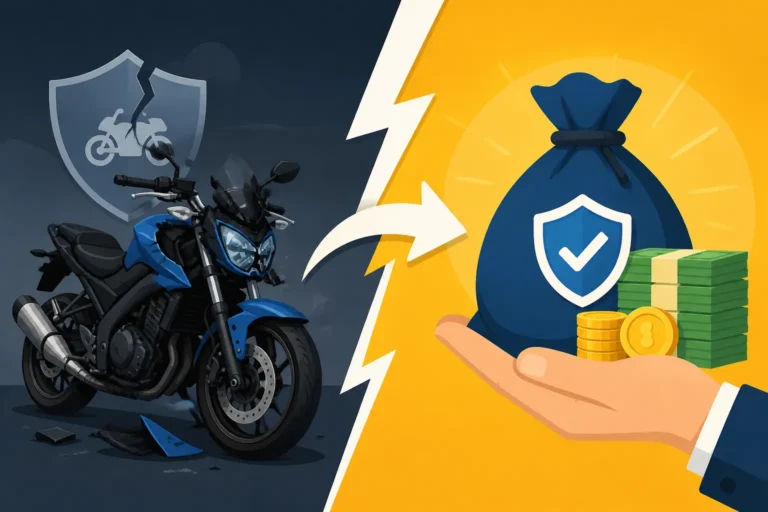
At its heart, liability coverage is about protecting other people and their property if you're found at fault in an accident. Think of it this way: if you accidentally cause a collision, and someone else gets hurt or their property is damaged, your liability insurance is designed to cover those costs. It doesn't pay for your bike's repairs, nor does it cover your medical bills (we'll get to what does cover those later!). Instead, it's strictly focused on your legal and financial obligations to third parties. This distinction is really important, as many riders mistakenly believe "liability" covers everything. It’s actually a very specific type of protection, and knowing its limits is the first step to being truly prepared.
For example, imagine you misjudge a turn on a winding country road and clip a car in the opposing lane. If the car's driver or passengers are injured, and their vehicle is damaged, your motorcycle liability coverage would be the one to respond to those claims. Without it, those bills would fall directly on your shoulders, and let me tell you, medical and repair costs can escalate shockingly fast. This foundational understanding is key before you even begin to think about other types of protection for your motorcycle.
Why It's Non-Negotiable for Riders
Beyond the sheer legal necessity, carrying robust liability coverage is a critical component of responsible motorcycling. Most states mandate some form of motorcycle insurance requirements by state, and liability is almost universally the core of those requirements. Riding without it, or with insufficient coverage, isn't just a legal gamble; it's a monumental financial risk. If you're involved in an accident and are found at fault, and you don't have adequate liability insurance, you could face devastating financial consequences. This often includes paying out-of-pocket for medical expenses, property damage, and even legal fees if the other party decides to sue you.
Consider the severe Penalties for Riding Without Insurance in many places. Fines, license suspension, vehicle impoundment, and even jail time are not uncommon for those caught riding uninsured. But beyond legal penalties, imagine causing an accident that results in a severe injury to another person. If your liability coverage isn't enough to cover their long-term medical care or lost wages, they could sue you for the difference. This means your personal assets – your home, savings, future earnings – could be on the line. No ride, no matter how thrilling, is worth jeopardizing your entire financial stability. That's why understanding Is Motorcycle Insurance Required? State-by-State is so vital for every rider.
The Two Pillars of Motorcycle Liability: Bodily Injury and Property Damage
When you look at your insurance policy, you'll often see liability limits expressed in a set of numbers, like 25/50/25. These numbers represent the maximum amounts your insurance company will pay out for specific types of damages under your liability coverage. It’s broken down into two main components: Bodily Injury Liability and Property Damage Liability. Understanding each part is crucial to truly grasping what your policy covers.
Bodily Injury Liability Explained
Bodily Injury Liability is designed to cover the costs associated with injuries sustained by other people in an accident where you are deemed at fault. This can include a wide range of expenses, from emergency medical treatment and hospitalization to long-term care, rehabilitation, lost wages due to injury, and even pain and suffering. This coverage is absolutely paramount because human injuries can be incredibly expensive and can result in lifelong impacts, both for the injured party and for your financial well-being if you're responsible.
Let's break down those numbers, taking the 25/50/25 example. The first two numbers—25/50—typically refer to Bodily Injury Liability. The "25" means your policy will pay up to $25,000 for bodily injury sustained by one person in an accident. The "50" means your policy will pay up to a total of $50,000 for bodily injuries sustained by all people in a single accident, regardless of how many individuals are hurt. So, if you hit a car with three occupants, and one person has $30,000 in medical bills, your policy would only pay $25,000 for that individual. If the other two combined for $20,000, your policy would cover them fully, but you'd still be on the hook for the remaining $5,000 for the first person, plus any further costs if the total exceeded $50,000 for everyone. This highlights why state minimums are often dangerously low.
Property Damage Liability Explained
The third number in the common split limit format, the final "25" in 25/50/25, refers to Property Damage Liability. This part of your coverage is responsible for paying for damage to other people's property if you cause an accident. This isn't just about another car; it can include fences, mailboxes, utility poles, buildings, or even expensive landscaping. The world is full of things that can be damaged in an accident, and your property damage liability helps cover the repair or replacement costs for those items.
So, using our 25/50/25 example, the "$25,000" means your policy will pay up to $25,000 for damage to property in a single at-fault accident. While $25,000 might sound like a decent chunk of change, think about the cost of modern vehicle repairs. Even a fender bender can quickly rack up thousands in repairs, especially if the other vehicle is a newer model with advanced sensors and complex bodywork. If you were to hit a luxury vehicle, a commercial truck, or even something seemingly minor like a brick wall that belongs to a business, that $25,000 could be easily exhausted. When that happens, just like with bodily injury, you are personally responsible for any costs exceeding your coverage limit.
Decoding the "Split Limits" and "Combined Single Limit"
Understanding how your liability limits are presented on your policy is paramount. Most insurance companies offer two main ways to define these limits: split limits and combined single limits. While they both provide protection, they do so in different structural ways that can significantly impact your financial exposure in a serious accident.
Breaking Down Split Limits (e.g., 25/50/25)
Split limits are the most common way you'll see liability coverage expressed, especially for state minimums. As we touched on, these numbers represent a maximum payout for different categories of damage:
- First number (e.g., 25): Maximum payout for bodily injury per person.
- Second number (e.g., 50): Maximum payout for total bodily injuries for all people in a single accident.
- Third number (e.g., 25): Maximum payout for property damage per accident.
This "split" means each category has its own cap. For example, if you have 25/50/25 coverage, and you cause an accident where one person sustains $35,000 in injuries and their vehicle suffers $15,000 in damage, here's how it plays out:
- Bodily Injury (per person): Your policy pays $25,000 for the injured person, leaving you responsible for the remaining $10,000.
- Property Damage: Your policy pays the full $15,000 for the vehicle damage, as it's within the $25,000 limit.
The total payout from your insurer would be $40,000, but you'd personally owe $10,000. This scenario perfectly illustrates why Minimum Liability Insurance Explained (The Three Numbers) often isn't enough. It's not just about meeting the legal bar; it's about practical financial protection. When looking for policies, services like The Zebra can help you easily compare different split limit options from various providers, giving you a clearer picture of your coverage and potential out-of-pocket exposure.
The Simplicity of a Combined Single Limit
A Combined Single Limit (CSL) policy, while less common for state minimums, offers a much simpler approach to liability coverage. Instead of having separate caps for bodily injury per person, total bodily injury, and property damage, a CSL policy has one single, overarching limit that applies to all damages incurred in an at-fault accident. This means if you have a $100,000 CSL policy, the insurance company will pay out up to $100,000 for any combination of bodily injuries and property damage resulting from one accident.
Here’s an example: With that same $100,000 CSL policy, if you cause an accident where two people are injured and their car is severely damaged, leading to:
- Person 1's injuries: $40,000
- Person 2's injuries: $30,000
- Property damage: $20,000
The total damages are $90,000. Your CSL policy would cover the entire amount because it falls under the $100,000 limit. The beauty of a CSL policy is its flexibility; it doesn't pigeonhole payouts into separate categories, which can be incredibly beneficial in scenarios where one type of damage (like severe bodily injury to one person) might exceed a split limit's per-person cap but still be well within the overall CSL amount. This type of coverage removes the worry of hitting a specific sub-limit prematurely, offering a broader safety net.
Here's a quick comparison of how split limits and combined single limits work:
| Coverage Type | Split Limits (e.g., 25/50/25) | Combined Single Limit (e.g., $100,000 CSL) |
|---|---|---|
| Bodily Injury Per Person | $25,000 max for one person | Covered within the total $100,000 limit, no separate per-person cap (but total limit still applies) |
| Bodily Injury Per Accident | $50,000 max for all injured parties in one accident | Covered within the total $100,000 limit |
| Property Damage Per Accident | $25,000 max for all property damage in one accident | Covered within the total $100,000 limit |
| Flexibility | Less flexible; individual caps can be exhausted, leaving rider exposed even if overall accident cost is lower. | Highly flexible; a single pool of money for all damages, offering broader protection against high costs in one specific area. |
| Commonality | More common for basic, state-mandated coverage. | Often chosen by riders seeking higher, more comprehensive protection. |
Minimum Requirements vs. Adequate Protection: A Rider's Dilemma
It's a common trap: seeing those state-mandated minimum liability figures and thinking, "Okay, that's what I need to be legal, so I'm good." While technically true for legality, relying solely on state minimums can leave you dangerously exposed to financial ruin if you're ever involved in a serious accident. The difference between being legally covered and adequately protected is vast, and every rider needs to seriously consider this gap.
State Minimums: Just Enough to Be Legal, Not Enough to Be Safe
Most states, while requiring motorcycle insurance, set their minimum liability limits shockingly low. For example, some states might only require 10/20/10 coverage, meaning $10,000 for bodily injury per person, $20,000 total bodily injury per accident, and $10,000 for property damage. In today’s world, with soaring medical costs and expensive vehicle repairs, these amounts are often woefully insufficient to cover the actual damages from even a moderately severe accident.
Imagine you're cruising down I-95 in Florida, and an unexpected maneuver on your part leads to a collision with a car. The other driver breaks their arm, requires emergency surgery, and has a recovery period that keeps them out of work for several months. Their medical bills alone could easily exceed $50,000, not to mention lost wages and potential pain and suffering claims. If your policy only covers $25,000 for bodily injury per person, you'd be personally responsible for the remaining $25,000+. Now add in the damage to their relatively new SUV, which might be another $20,000 in repairs. If your property damage limit is $10,000, that’s another $10,000 you're on the hook for. Suddenly, you're facing $35,000 in out-of-pocket expenses, potentially more if they sue. This scenario vividly illustrates why understanding Motorcycle Insurance Minimums: 25/50/25 Meaning is critical, but also why those minimums are often inadequate. You've met the legal requirement, but you're far from being truly protected.
Calculating What You Really Need
So, if state minimums aren't enough, how do you figure out what you do need? There's no one-size-fits-all answer, but a good rule of thumb is to carry as much liability coverage as you can reasonably afford, especially if you have significant assets to protect. A common recommendation for many individuals is to aim for at least 100/300/50 or even 250/500/100, if possible. These higher limits provide a much more substantial buffer against the catastrophic costs of a serious accident.
When considering your limits, think about your personal financial situation. Do you own a home? Have significant savings? A well-paying job? These are all assets that could be targeted in a lawsuit if your insurance isn't enough. Many financial advisors suggest that your liability coverage should at least match your net worth. It's a sobering thought, but it's a realistic one. Furthermore, consider the typical cost of vehicles on the road in your area. If you live in a place like Los Angeles, where luxury cars are common, a higher property damage limit is a smart move. Services like The Zebra can help you get quotes with various liability limits, allowing you to compare costs and find a balance between affordability and robust protection. Ultimately, investing a bit more in higher liability limits is often a small price to pay for significant peace of mind and financial security. This directly ties into the question of How Much Liability Insurance Do You Need on a Motorcycle?.
How Liability Coverage Protects Your Financial Future
The true value of robust motorcycle liability insurance isn't just about meeting a legal obligation; it's about safeguarding everything you've worked for. Without adequate coverage, a single misjudgment on the road could unravel years of financial planning and stability, leaving you with a mountain of debt and stress.
Preventing Personal Asset Loss After an At-Fault Accident
This is where the rubber truly meets the road. If you're found responsible for an accident and the damages (bodily injury, property damage, or both) exceed your insurance policy's liability limits, you become personally responsible for the difference. This isn't just theoretical; it's a very real threat. Imagine a scenario where you cause an accident on a busy highway, resulting in significant injuries to a family in another vehicle and totaling their new minivan. The medical bills alone could easily hit hundreds of thousands of dollars, and the minivan replacement cost could be $50,000 or more. If you only carried state minimums, let's say 25/50/25, your insurance would pay out its maximum $50,000 for injuries and $25,000 for property damage. But that leaves a huge gap.
That gap, potentially well over $100,000, would then fall onto you. If you don't have that kind of cash readily available, the injured parties (or their insurance company, who would subrogate against you) could pursue your personal assets. This could mean wage garnishment, liens on your home, or forced sale of other assets. This isn't just a concern for the ultra-wealthy; even average homeowners with savings can find their entire financial future jeopardized by a severe accident. This aspect is one of the most compelling arguments for why riders should never skimp on liability coverage.
Legal Costs and Settlement Coverage
Beyond the direct costs of medical treatment and property repair, liability insurance also plays a crucial role in covering legal expenses. If the other party decides to sue you after an accident, your liability policy typically includes provisions for legal defense. This means your insurance company will often provide and pay for legal counsel to defend you in court, up to your policy limits. Legal battles can be protracted and incredibly expensive, with attorney fees, court costs, and potential settlement awards adding up quickly.
Without liability coverage, or if your coverage is exhausted, you would be left to bear these legal costs entirely on your own. A single personal injury lawsuit could financially cripple an individual, even if they ultimately prevail in court, simply due to the sheer cost of legal representation. The peace of mind that comes from knowing your insurance company will stand by you and provide a legal defense is invaluable. It transforms a potentially devastating legal and financial ordeal into a manageable situation. This protective aspect of liability coverage is often overlooked but is a cornerstone of true financial security for riders.
Factors Affecting Your Motorcycle Liability Premium
Understanding what influences your insurance rates is key to finding affordable coverage. While liability insurance is a non-negotiable expense for most riders, the exact premium you pay can vary wildly based on a multitude of factors. It's not just about what you ride, but also who you are, where you live, and your history behind the handlebars.
Your Riding Record and Experience
Perhaps one of the most significant factors influencing your liability premium is your driving and riding record. Insurers look at you as a risk, and your history is their best indicator of future behavior. A clean record, free of accidents, speeding tickets, or other moving violations, will almost always translate to lower premiums. Conversely, if you have a history of at-fault accidents, multiple traffic citations, or serious offenses like DUIs, you can expect your liability rates to be significantly higher. Insurance companies view these as red flags, indicating a higher likelihood of future claims.
Beyond just your record, your riding experience also plays a substantial role. New riders, or those with less experience (typically under 2-3 years), are often deemed higher risk and will face higher premiums. This is simply because statistics show that less experienced riders are more prone to accidents. As you gain more years of riding experience with a clean record, your premiums tend to decrease, reflecting your lower perceived risk. Taking a motorcycle safety course, like those offered by the Motorcycle Safety Foundation, can not only make you a safer rider but also often qualifies you for discounts, directly impacting your liability rates. This is one of the effective ways on How to Get Cheap Motorcycle Insurance.
Bike Type, Location, and Other Key Influencers
While liability coverage doesn't cover your bike, the type of motorcycle you ride still impacts your liability premium. High-performance sport bikes, with their powerful engines and higher speeds, are often associated with a greater risk of severe accidents, which can lead to higher liability payouts. Therefore, they typically command higher liability premiums than, say, a cruiser or a touring bike.
Your geographical location is another major factor. Insurance rates can vary significantly from one state to another, and even from one zip code to the next within the same state. Areas with higher traffic density, greater rates of accidents, or higher vehicle theft rates (though liability doesn't cover theft, it's part of the overall risk assessment) will generally have higher premiums. For instance, someone living and riding primarily in downtown Miami might pay more for the same liability coverage than someone in a rural part of Wyoming.
Other factors influencing your liability premium include:
- Age: Younger riders (especially under 25) typically pay more due to higher accident statistics. Older, more experienced riders often see lower rates.
- Credit Score: In many states, your credit-based insurance score is used to predict the likelihood of you filing a claim. A higher score often means lower premiums.
- Annual Mileage: If you ride your motorcycle frequently and put a lot of miles on it each year, insurers might perceive a higher exposure to risk.
- Deductible: While liability coverage generally doesn't have a deductible that you pay for the other party's damages, higher deductibles on comprehensive or collision coverage (if you opt for those alongside liability) can sometimes influence overall policy pricing.
Understanding these myriad factors helps you manage your expectations and seek out the most favorable rates. When comparing options, using a tool like The Zebra can help you see how these different elements affect quotes from various providers.
Common Misconceptions and What Liability Doesn't Cover
One of the biggest pitfalls for new (and even experienced) riders is misunderstanding the scope of their insurance. Just as important as knowing what liability coverage does cover is knowing what it doesn't. This distinction is critical for building a truly comprehensive insurance plan and avoiding painful surprises after an accident.
It Doesn't Cover Your Bike or Your Injuries
This is perhaps the most fundamental and frequently misunderstood aspect of liability insurance. Let's make it crystal clear: motorcycle liability coverage does NOT pay for damages to your own motorcycle. If you cause an accident, or even if you simply drop your bike in a parking lot, your liability policy will not cover the cost of repairing or replacing your bike. For that, you would need separate coverage types like collision coverage (for accidents, regardless of fault) or comprehensive coverage (for non-collision events like theft, vandalism, fire, or hitting an animal). The question, Does Liability Cover Damage to My Own Motorcycle?, is a resounding "no."
Similarly, liability coverage does NOT pay for your own medical expenses or injuries if you are involved in an accident, regardless of who is at fault. It is exclusively for the other party's injuries. If you are injured in an accident you caused, or even if you're hit by an uninsured driver, your liability coverage does nothing for your medical bills. For your own medical costs, you would need specific coverages like Medical Payments (MedPay) or Personal Injury Protection (PIP), or you would rely on your personal health insurance. This is a critical distinction, as riders sometimes assume that having "full coverage" means everything is covered, but even full coverage is a package of different policy types, and liability is just one piece of that puzzle.
The Importance of Complementary Coverages
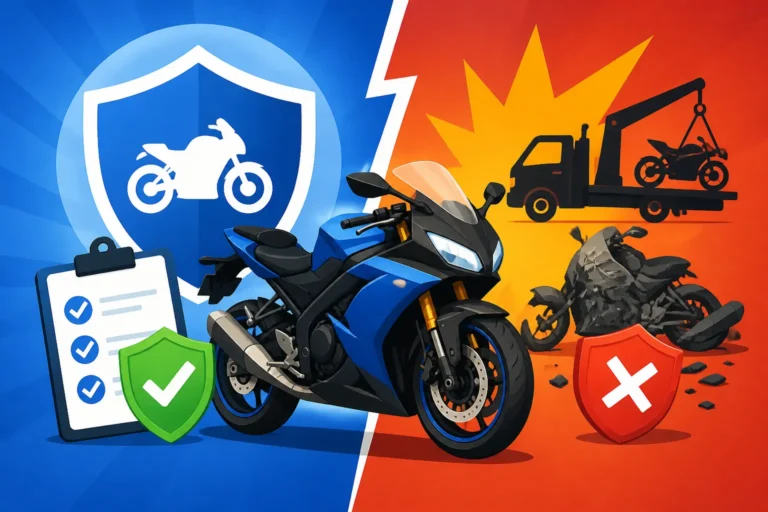
Given the limitations of liability coverage, it becomes incredibly clear why other types of motorcycle insurance are so important. Liability is just the starting point, the legal minimum to protect others. To protect yourself and your motorcycle, you need to layer on additional coverages.
Here are some key complementary coverages to consider:
- Collision Coverage: This pays for damages to your motorcycle if it collides with another vehicle or object, regardless of who is at fault. If you financed your bike, your lender will almost certainly require this.
- Comprehensive Coverage: This protects your bike from non-collision events, such as theft, vandalism, fire, flood, falling objects, or hitting an animal. It's often required for financed bikes.
- Uninsured/Underinsured Motorist (UM/UIM) Coverage: This is incredibly important for riders. It pays for your medical bills and, in some cases, damage to your bike if you are hit by a driver who has no insurance or not enough insurance to cover your damages. Considering the number of uninsured drivers on the road, this coverage is a lifesaver.
- Medical Payments (MedPay) / Personal Injury Protection (PIP): These coverages pay for your and your passenger's medical expenses, regardless of fault, up to a certain limit. MedPay typically covers medical expenses, while PIP can also cover lost wages and rehabilitation.
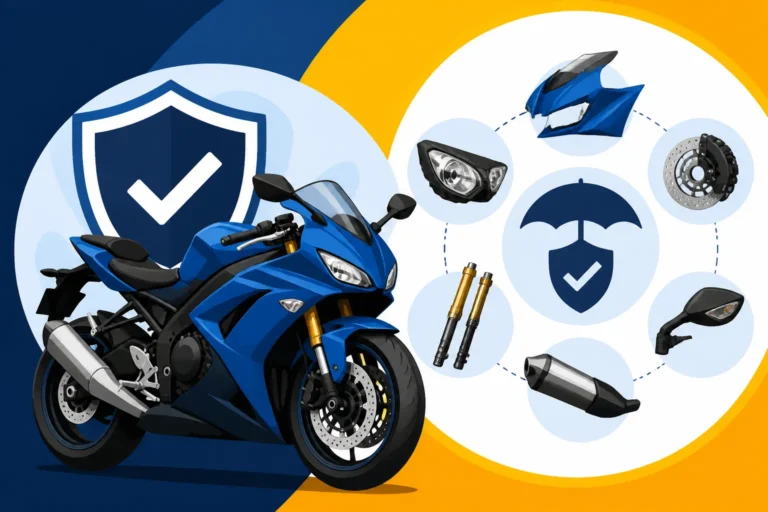
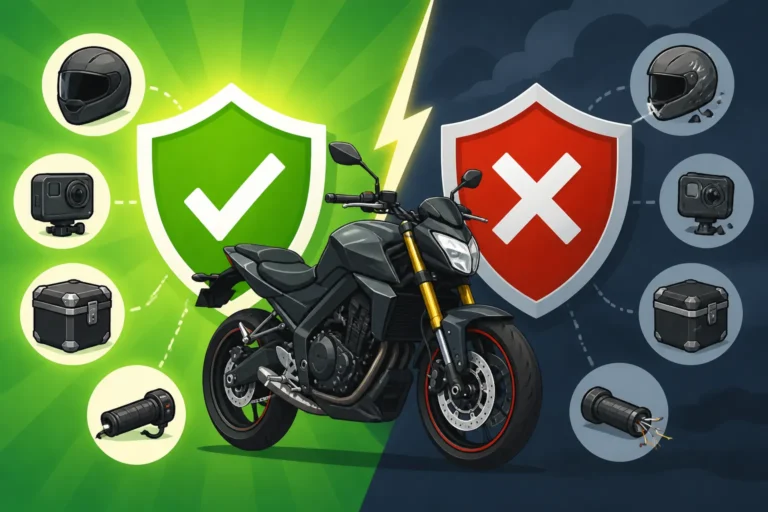
- Custom Parts & Accessories Coverage: If you've invested in aftermarket parts, custom paint, or expensive gear, your standard policy might not cover it. This add-on protects your valuable customizations.
Understanding Types of Motorcycle Insurance Coverage Explained will help you build a robust policy. When considering these options, think about your bike's value, your financial situation, and your personal risk tolerance. A good agent or an online comparison tool like The Zebra can help you piece together a policy that provides true What Does Full Coverage Motorcycle Insurance Mean? for your specific needs, rather than just the bare minimum.
Tips for Choosing and Saving on Motorcycle Liability Insurance
Navigating the world of motorcycle insurance can be daunting, but with a strategic approach, you can secure robust liability coverage without breaking the bank. It’s all about doing your homework, leveraging available resources, and knowing what questions to ask.
Shopping Around and Comparing Quotes
One of the most effective ways to ensure you're getting a competitive rate for your motorcycle liability insurance is to shop around diligently. Don't just settle for the first quote you receive or stick with your current auto insurer out of habit. Different insurance companies have different underwriting models, risk assessments, and discount structures, meaning prices for the exact same coverage can vary significantly from one provider to another.
Start by gathering quotes from at least three to five different insurance carriers. Major national providers like Progressive, GEICO, Dairyland, and Markel all offer motorcycle-specific policies and might have different rates based on your rider profile, bike type, and location. It's also worth looking into smaller, regional providers or specialty motorcycle insurers. When you're comparing quotes, make sure you're comparing apples to apples. Ensure the liability limits (e.g., 50/100/25 vs. 100/300/50) are identical across all quotes, as well as any other coverages you're adding. This will give you a true comparison of pricing for the same level of protection. Using online comparison tools, like those offered by The Zebra, can streamline this process, allowing you to input your information once and receive multiple quotes quickly, making it easier to see who offers the best value for your liability needs. This method is fundamental to How to Compare Motorcycle Insurance Quotes.
Leveraging Discounts and Bundling Options
After you've compared quotes, the next step is to maximize your savings through discounts. Insurance companies offer a wide array of discounts, and often, riders aren't even aware of all the ones they qualify for. Always ask your agent or check online for every possible discount.
Here are some common discounts that can significantly reduce your liability premium:
- Motorcycle Safety Course Discount: Completing an approved motorcycle safety course (like the MSF Basic RiderCourse) often leads to a discount, not just because you're a safer rider, but because it shows you're committed to safe riding practices.
- Multi-Policy/Bundling Discount: If you have auto insurance, homeowner's, or renter's insurance with one company, bundling your motorcycle policy with them can often result in significant savings across all your policies. Many major insurers, including State Farm and Allstate, offer attractive bundling options.
- Good Driver/Rider Discount: Maintaining a clean driving record free of accidents or tickets for several years will typically earn you a good driver discount.
- Anti-Theft Device Discount: Installing approved anti-theft devices on your motorcycle can lower your premiums, particularly on comprehensive coverage, but sometimes impacts overall policy cost.
- Paid-in-Full Discount: Paying your entire annual premium upfront, rather than in monthly installments, can often shave a percentage off your total cost.
- Riding Association Discount: Some insurers offer discounts to members of specific motorcycle clubs or associations.
- Loyalty Discount: Staying with the same insurer for a long period can sometimes earn you a loyalty discount.
- Mature Rider Discount: Older, experienced riders often qualify for lower rates.
By proactively seeking out and applying for every discount you're eligible for, you can substantially lower your motorcycle insurance costs, making adequate liability coverage more affordable. Remember, the goal isn't just to find the cheapest policy, but the best value – comprehensive coverage at a price that fits your budget. This strategic approach ensures you’re not only legal but truly protected on every ride.
Disclaimer
Please remember that the information provided in this article is for general informational purposes only and does not constitute professional financial or legal advice. Motorcycle insurance policies and requirements can vary significantly by state, insurer, and individual circumstances. It is always recommended to consult with a qualified insurance professional to discuss your specific needs and obtain personalized quotes and advice. Laws and regulations are subject to change, so verify current requirements with your state's Department of Motor Vehicles or equivalent authority.