How to Handle a Motorcycle Insurance Claim in North Carolina
Experiencing a motorcycle accident is one of the most jarring and stressful events a rider can face. Beyond the immediate shock and potential injuries, the aftermath often involves a confusing and frustrating process of dealing with insurance claims, especially when you're navigating the specifics of North Carolina's laws. This guide is here to walk you through the essential steps to handle a motorcycle insurance claim effectively in the Tar Heel State, ensuring you protect your rights and get the compensation you deserve.
Immediate Steps After a Motorcycle Accident in North Carolina
The moments immediately following a motorcycle accident are critical. What you do, or don't do, can significantly impact the success of your insurance claim. It's easy to feel overwhelmed, but focusing on these crucial first actions can make a world of difference.
Prioritizing Safety and Seeking Medical Attention
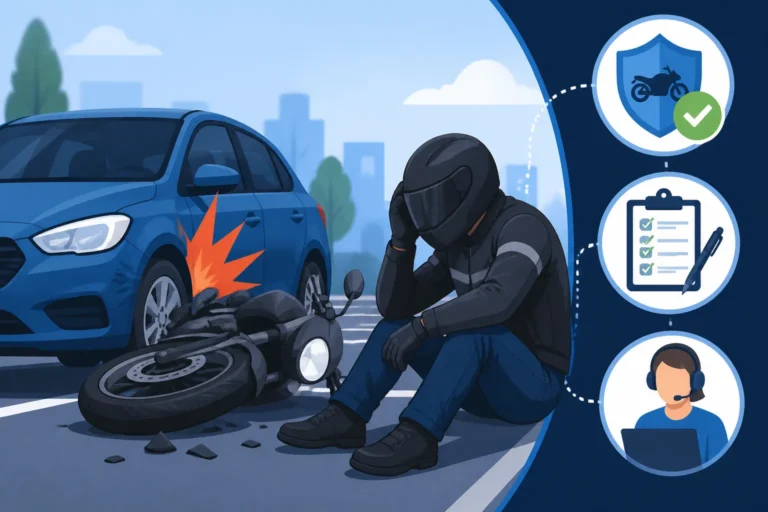
Your safety and well-being, and that of anyone else involved, must always be your absolute top priority. First, if you're able, move yourself and your motorcycle out of immediate danger, like off the roadway, to prevent further accidents. Even if you feel fine, it's incredibly important to seek medical attention right away. Adrenaline can mask injuries, and some, like concussions or internal damage, might not be apparent until hours or even days later. A medical evaluation creates an official record of any injuries sustained, which is vital for your claim. Without a documented connection between the accident and your injuries, your insurance company, or the other party's, might later argue that your injuries weren't accident-related.
This isn't just about physical health; it's about building a solid foundation for any personal injury claim you might need to pursue. Always err on the side of caution and get checked out by paramedics at the scene or visit an urgent care or emergency room as soon as possible. Even seemingly minor aches can develop into serious issues, and a clear medical record from the outset is your best defense against skeptical insurance adjusters.
Notifying Law Enforcement and Gathering Initial Information
Once safety is secured and medical attention is on the way, the next critical step is to contact law enforcement. In North Carolina, it's generally advisable to call 911 for any accident involving injuries, significant property damage, or if there's any dispute about fault. A police report provides an impartial, official account of the incident, including details like driver information, vehicle specifics, and any citations issued. This report will be a cornerstone of your insurance claim.
While waiting for the police, if you're physically able, start gathering information. Exchange contact and insurance details with all parties involved, including drivers and passengers. Get names, phone numbers, email addresses, vehicle makes, models, license plate numbers, and insurance policy details. Don't forget to look for witnesses. Independent witnesses can offer unbiased perspectives that can be invaluable in establishing fault, especially in a state with strict contributory negligence laws like North Carolina. Ask for their names and contact information as well. It’s also wise to note the exact location of the accident, including cross streets or landmarks, and the time it occurred.
Documenting the Scene with Photos and Notes
Your smartphone is one of your most powerful tools in the immediate aftermath of an accident. Take as many photos and videos as you possibly can. Capture images of the accident scene from multiple angles, showing the positions of all vehicles involved before they are moved, if possible. Document vehicle damage in detail, including close-ups of specific points of impact on both your motorcycle and any other vehicles. Don't forget to photograph road conditions, traffic signs, skid marks, debris, and any environmental factors like weather or lighting that might have contributed.
Also, take pictures of any visible injuries you or your passenger may have sustained. If there are any hazardous conditions or relevant street signs, capture those too. Beyond photos, make detailed notes about what happened, while the memory is fresh. Write down the sequence of events, what you observed, what you heard, and any statements made by other drivers, passengers, or witnesses. Even small details can be significant. This comprehensive documentation acts as a robust record, countering any contradictory statements that might arise later and providing irrefutable evidence for your claim. It’s a proactive measure to protect yourself against potential disputes down the line.
Navigating the North Carolina Claim Process
Once the immediate aftermath is handled, the real work of the insurance claim begins. This can feel like a bureaucratic maze, but understanding the process and North Carolina's unique laws will help you navigate it more smoothly.
Contacting Your Insurance Provider Promptly
One of the most crucial steps is to notify your own motorcycle insurance company as soon as reasonably possible after the accident, ideally within 24-48 hours. Even if you believe the other driver was at fault, informing your insurer is often a requirement of your policy. Delaying this notification could potentially jeopardize your coverage. When you call, be prepared to provide them with all the details you've gathered: date, time, location, parties involved, police report number, and a general description of what happened.
They will open a claim and assign an adjuster to your case. Remember, your adjuster is working for the insurance company, even if it's your insurance company. Be factual and provide the information you have, but avoid speculating or admitting fault. If you have liability coverage, your insurer will begin the process of investigating the accident and dealing with the other party's claim. If you have collision coverage, they will also assess the damage to your motorcycle. Companies like Progressive or The Zebra offer online portals or apps that make filing a claim straightforward, often allowing you to upload photos and documents directly.
Understanding North Carolina's "At-Fault" System and Contributory Negligence
North Carolina operates under a traditional "at-fault" system for vehicle accidents. This means the person who caused the accident is responsible for the damages. However, what makes North Carolina particularly challenging is its strict pure contributory negligence rule. This law dictates that if you are found even 1% at fault for an accident, you are barred from recovering any damages from the other driver. It's a harsh rule that can completely derail a personal injury claim, even if the other driver was overwhelmingly responsible.
For example, if another driver turns left in front of you, but an adjuster or jury finds you were speeding slightly, even if only by a mile or two, you could be deemed contributorily negligent and lose your right to compensation. This makes gathering strong evidence of the other driver's fault and proving your own lack of negligence absolutely paramount. Your insurance company will investigate this, and if the other party's insurer attempts to pin any fault on you, this is where strong documentation, witness statements, and potentially legal counsel become invaluable. Understanding the nuances of Minimum Liability Insurance Explained (The Three Numbers) can also help you grasp the financial protections involved.
Working with Adjusters and Providing Necessary Documentation
Once your claim is open, an insurance adjuster will be assigned. This individual's role is to investigate the accident, determine fault, and assess damages. They will likely want to speak with you, the other drivers, and any witnesses. They will also review the police report, photos, and medical records. Be cooperative but cautious. Answer their questions factually, but avoid giving recorded statements or signing anything without fully understanding it, especially if you have significant injuries or damages.
You'll need to provide documentation for your claim, which might include:
- Police report
- Photos and videos of the accident scene and damage
- Medical records and bills for any injuries
- Estimates for motorcycle repair (or proof of total loss)
- Receipts for any out-of-pocket expenses (e.g., towing, rental vehicle if applicable)
- Wage loss statements if you missed work
If your motorcycle is damaged beyond repair, the process moves into What Happens When Your Motorcycle Is Totaled?. The adjuster will compare repair costs to the bike's actual cash value (ACV) and determine if it's a total loss. They may also ask for proof of ownership and details about any aftermarket parts or customizations you might have had, which ties into Accessories & Custom Parts Coverage Explained. Always keep copies of everything you submit and maintain a detailed log of all communications with the insurance company, including dates, times, names, and summaries of conversations.
Common Challenges and Specific North Carolina Considerations
Even with diligent preparation, motorcycle claims can present unique hurdles. North Carolina's specific legal landscape can further complicate matters.
Dealing with Uninsured/Underinsured Motorists in NC
Unfortunately, not every driver on North Carolina roads carries adequate insurance, or any insurance at all. This is a significant concern for motorcyclists, who are often more vulnerable to serious injuries in an accident. If you're hit by an uninsured motorist (UM) or an underinsured motorist (UIM), your ability to recover damages for medical bills, lost wages, and pain and suffering can become incredibly difficult.
This is where your own policy's Uninsured & Underinsured Motorist Coverage (UM/UIM) becomes your lifeline. In North Carolina, insurers are generally required to offer UM/UIM coverage, and it's highly recommended that every rider carries it. UM coverage kicks in when the at-fault driver has no insurance, while UIM coverage helps when their liability limits aren't enough to cover your damages. Without this crucial protection, you could be left to pay for your own extensive medical care and motorcycle repairs out of pocket, a truly devastating scenario. It's often bundled with your standard liability, collision, and comprehensive policies.
Valuing Your Motorcycle and Custom Parts
One of the most contentious points in a motorcycle claim, especially after a total loss, is agreeing on the value of your bike. Insurance companies typically want to pay the "Actual Cash Value" (ACV), which is the replacement cost minus depreciation. For a custom bike, a vintage model, or one with significant aftermarket modifications, ACV can feel severely undervalued. If you've poured time, money, and passion into customizing your ride, ensuring these investments are covered is paramount.
This is where specific coverage types like Accessories & Custom Parts Coverage Explained come into play. Many standard policies only offer minimal coverage for custom parts (e.g., $1,000-$3,000) or none at all without a special endorsement. If you've invested in chrome, a custom paint job, performance upgrades, or unique saddlebags, you need to have specific documentation (receipts, appraisals, photos) to prove their value. Discuss this with your insurer before an accident occurs to ensure you have adequate coverage. If your motorcycle is deemed a total loss, you might need to know How to Negotiate a Motorcycle Total Loss Settlement to get a fair payout that reflects your bike's true worth, including those custom elements.
Potential Impact on Your Insurance Rates
After filing a claim, particularly one where you are found at fault or partially at fault, you might understandably worry about how it will affect your insurance premiums. This is a common concern. Generally, if the accident was clearly not your fault and your insurer recovers damages from the other driver's policy, your rates may not see a significant increase. However, if you are found at fault, or if you file a comprehensive or collision claim where no other party is involved (like hitting a deer), your rates are likely to go up.
Factors influencing this increase include the severity of the accident, the cost of the claim, your driving record, and the specific policies of your insurer. Some companies offer "accident forgiveness" programs, but these often come with conditions or an additional premium. You can expect to see the impact of a claim on your rates for several years. It's always a good idea to shop around for new quotes after an accident to see if other providers can offer a more favorable rate, as the increase from one provider might not be universal. The Zebra, for instance, allows you to compare multiple quotes easily. Understanding What Affects Your Motorcycle Insurance Rate? can give you more insight into this process.
Legal Considerations and Seeking Professional Help
While many claims can be resolved directly with insurance companies, certain situations, especially in North Carolina, warrant seeking legal expertise.
When to Consult a Lawyer in North Carolina
Given North Carolina's strict contributory negligence law, consulting a personal injury attorney is often advisable, particularly if you sustained significant injuries, there's a dispute over fault, or the insurance company is offering a low settlement. An attorney specializing in motorcycle accidents understands the nuances of North Carolina law and how to fight against allegations of contributory negligence. They can gather additional evidence, interview witnesses, work with accident reconstruction experts, and negotiate with insurance adjusters on your behalf.
You might also consider legal counsel if:
- Your injuries are severe or life-altering (e.g., broken bones, spinal cord injuries, traumatic brain injuries).
- The other driver was uninsured or underinsured, and you need help navigating your UM/UIM claim.
- The insurance company denies your claim or offers a settlement that doesn't adequately cover your medical expenses, lost wages, and pain and suffering.
- There are multiple parties involved, making the determination of fault complex.
- You don't feel confident dealing with the insurance company on your own.
Many personal injury attorneys offer free initial consultations, so there's no harm in discussing your situation and understanding your options.
Understanding Your Rights as a Rider
As a motorcyclist in North Carolina, you have the same rights on the road as any other vehicle operator, but unfortunately, biases can sometimes affect how accidents involving motorcycles are perceived. It's crucial to understand your rights throughout the claims process. You have the right to:
- Seek immediate medical attention and have those costs covered by the at-fault party's insurance or your own MedPay/PIP (if applicable) or health insurance.
- Have your motorcycle repaired or replaced with equivalent value.
- Receive compensation for lost wages due to your injuries.
- Be compensated for pain, suffering, and emotional distress, although quantifying this can be challenging.
- Refuse to give a recorded statement to the other driver's insurance company without legal advice.
- Reject a settlement offer that you believe is unfair or inadequate.
- Consult an attorney at any stage of the process.
Knowing these rights empowers you to advocate for yourself and ensures you're not taken advantage of during a vulnerable time. Riders should also be aware of specific state laws, such as Motorcycle Helmet Laws by State, and how they might intersect with insurance claims, though generally, helmet use doesn't void coverage unless explicitly stated in an unusual policy.
Here's a quick overview of the key steps in a North Carolina motorcycle insurance claim:
| Step | Description | Key Considerations in NC |
|---|---|---|
| 1. Prioritize Safety & Health | Move to safety, check for injuries, and seek immediate medical attention, even if you feel okay. | Medical records are crucial evidence, especially in a strict contributory negligence state where injury documentation is key. |
| 2. Contact Law Enforcement | Call 911 for accidents involving injuries, significant damage, or disputes. Obtain a police report. | The police report is vital for establishing initial facts and potentially assigning fault, which directly impacts claims due to North Carolina's contributory negligence. |
| 3. Gather Information & Document | Exchange details with all parties, collect witness contact info, and take extensive photos/videos of the scene, vehicles, and injuries. | Comprehensive documentation helps counter contributory negligence claims and supports your narrative of how the accident occurred. |
| 4. Notify Your Insurer | Report the accident to your own insurance company (e.g., Progressive, Dairyland) as soon as possible, typically within 24-48 hours. | Prompt notification is often a policy requirement. Be factual, but avoid admitting fault. |
| 5. Cooperate with Adjusters | Provide requested documentation (police report, medical records, repair estimates). Be cautious with statements to the other party's insurer. | Adjusters will assess fault; be prepared to defend against contributory negligence allegations. Every piece of evidence matters. |
| 6. Assess Damages | Get estimates for motorcycle repair or understand the total loss valuation process. Document custom parts and accessories. | If your bike has custom parts, ensure you have appropriate Accessories & Custom Parts Coverage Explained to avoid undervaluation. |
| 7. Consider Legal Counsel | If injuries are significant, fault is disputed, or an unfair settlement is offered, consult a North Carolina personal injury attorney. | Given North Carolina's pure contributory negligence rule, legal expertise can be critical to recovering damages, especially for serious injury claims or if fault is in question. |
| 8. Understand UM/UIM | Be aware of your Uninsured/Underinsured Motorist coverage, as many drivers in NC may lack adequate insurance. | Your UM/UIM coverage is essential protection in North Carolina against drivers who might not carry sufficient liability insurance to cover your damages. See Uninsured & Underinsured Motorist Coverage (UM/UIM). |
Navigating a motorcycle insurance claim in North Carolina can be a complex and challenging experience, but by being prepared and understanding the steps involved, you can significantly improve your outcome. From documenting the scene to understanding North Carolina’s unique contributory negligence laws and working with adjusters, being proactive and informed is your best defense. Don't hesitate to seek professional advice when needed, as your health and financial well-being depend on it.
Disclaimer
Please remember that this article provides general information and guidance regarding motorcycle insurance claims in North Carolina. It is not a substitute for professional legal advice or specific advice from your insurance provider. Laws and policy coverages can vary, and your individual circumstances may require specialized counsel. Always consult with a qualified attorney or your insurance agent for advice tailored to your specific situation.