What Should I Do Immediately After a Motorcycle Accident?
Getting into a motorcycle accident is one of the most jarring and frightening experiences any rider can face. In the immediate aftermath, it’s easy to feel overwhelmed, disoriented, and unsure of what to do next. Your mind might be racing, adrenaline surging, and the last thing you want to think about is a checklist. But taking the right steps right away can make a monumental difference for your safety, your health, and your insurance claim down the line. This guide is here to walk you through those critical first moments, helping you navigate the confusion with clear, actionable advice.
Prioritizing Safety and Well-being at the Scene
When a crash happens, your first instinct might be to react emotionally, but the most crucial step is to prioritize safety for everyone involved. The road can be a dangerous place, and an accident scene only amplifies that risk. Taking a few deep breaths and focusing on these immediate safety measures can prevent further harm.
Ensuring Your Safety and the Safety of Others
The very first thing you need to do is assess your own condition. Check for any immediate injuries. Even if you feel okay, the adrenaline rush can mask pain, so do a quick mental scan. If you're seriously injured and can't move, try to remain as still as possible and signal for help. If you are able to move and your motorcycle is blocking traffic, or if you're in a vulnerable position, try to move yourself and your bike to the safest possible location—off the main road, onto a shoulder, or into a nearby parking lot if it's truly safe to do so. This helps prevent secondary accidents, which can often be more severe than the initial incident.
Once you’re in a safer spot, quickly check on anyone else involved in the accident, including passengers, drivers of other vehicles, or pedestrians. Your empathy in these moments can go a long way. If someone is visibly injured or unconscious, do not try to move them unless their current position puts them in immediate, life-threatening danger, such as being in the path of oncoming traffic or if there’s a fire risk. Instead, focus on providing comfort and reassuring them that help is on the way. Setting up flares or reflective triangles if you have them, or using your motorcycle's hazard lights, can alert other drivers to the scene.
Calling Emergency Services (911)
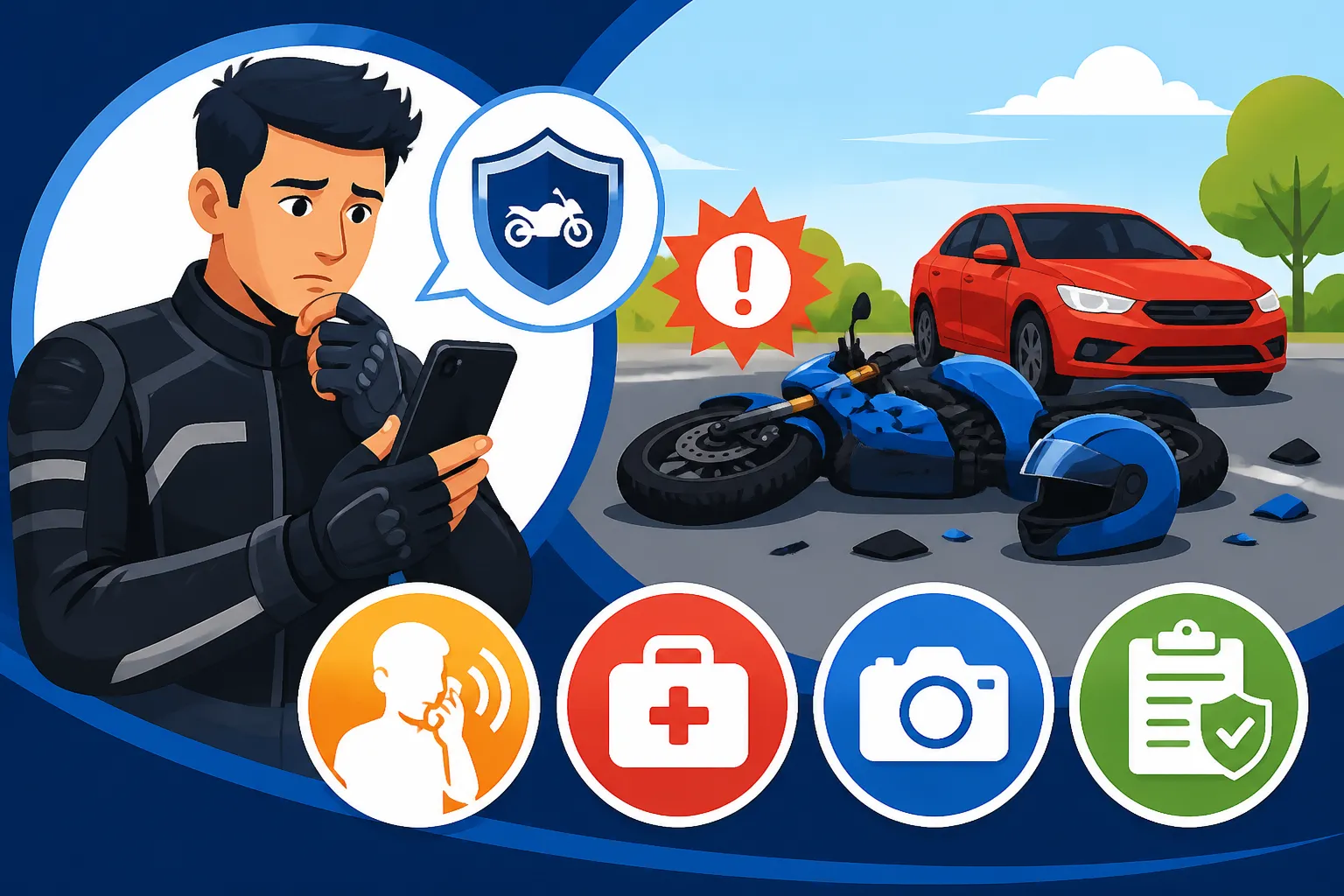
Even if an accident seems minor, or if you're pretty sure you're not hurt, calling 911 is almost always the right move. For any accident involving injuries, significant property damage, or if the scene is obstructing traffic, it's non-negotiable. Emergency services will dispatch police, paramedics, and potentially the fire department. When you call, be ready to provide your exact location, a brief description of what happened, and report any known injuries. Be calm and clear; dispatchers are trained to help guide you through what to do.
The police presence at an accident scene is vital, especially for your insurance claim. Officers will typically secure the scene, direct traffic, and gather information from all parties involved. This often leads to an official police report, which serves as an impartial record of the incident. This report can be incredibly important for proving fault or verifying details later on, especially if there's a dispute with another driver or their insurance company. Without an official police report, it can become a "he said, she said" situation, making your claim much more difficult. Remember, even if the other party suggests handling it without involving the police, it's almost always in your best interest to get law enforcement involved to document everything properly.
Documenting the Scene Thoroughly
After ensuring immediate safety and contacting emergency services, the next critical phase is to gather as much information as possible from the accident scene. This documentation will be invaluable when you begin the process of filing your insurance claim and dealing with potential legal ramifications. Think of yourself as an investigative journalist for a few crucial moments.
Gathering Critical Information from All Parties
While waiting for the police, collect essential information from everyone involved. This includes the other driver's full name, contact information (phone number, email address), driver's license number, and license plate number. Crucially, get their insurance company name and policy number. If there are passengers in other vehicles, get their contact details too, as they might be additional witnesses. Don't forget to note the year, make, model, and color of any other vehicles involved.
It's equally important to identify and get information from any witnesses who saw the accident unfold. Independent witnesses can provide unbiased accounts that significantly strengthen your claim. Ask for their names and phone numbers. Remember, during these interactions, maintain a calm and polite demeanor, but never admit fault or apologize for the accident, even if you feel like you might have been partly to blame. Liability is a complex legal determination, and anything you say at the scene can be used against you later by insurance companies or in court. Stick to the facts and exchange necessary information.
Taking Photos and Videos of the Accident Scene
In today’s world, your smartphone is your best friend after an accident. Take as many photos and videos as you possibly can. Start with wide shots that show the overall scene, including road conditions, weather, traffic signs, and the position of all vehicles involved relative to each other and their surroundings. Then, move in for close-up shots of all damage to your motorcycle, other vehicles, and any property involved. Document skid marks, broken glass, debris on the road, and any relevant road hazards like potholes or faded lane markings.
Don't just focus on the obvious damage; capture every detail, no matter how small it seems at the time. Photograph the license plates of all vehicles, driver's licenses (if permissible and safe), and insurance cards. If there are any visible injuries on yourself or others, document those as well (with consent, if possible). Videos can be particularly useful for capturing the environment and showing the extent of the damage in a more dynamic way. The goal here is to create a comprehensive visual record that tells the story of the accident from multiple angles. This evidence can be crucial for your insurer, like Progressive, when assessing the claim, and it leaves little room for ambiguity about what happened. This level of detail can significantly impact how your claim for How to File a Motorcycle Insurance Claim progresses.
Notifying Your Insurance Company
Once the immediate scene is handled and you're in a safer, calmer state, contacting your insurance company should be high on your priority list. This isn't just a formality; it's a critical step in initiating the claims process and protecting your financial interests.
The Importance of Prompt Notification
As soon as reasonably possible after the accident, you need to notify your motorcycle insurance provider. This doesn’t mean you have to call them from the side of the road with sirens blaring, but don't put it off for days or weeks. Many policies have clauses requiring prompt notification of an accident. Delaying could potentially jeopardize your claim, especially if the other party reports it first and gives a different version of events. Even if you believe the other driver is entirely at fault, your insurance company needs to be aware of the incident. This allows them to begin their own investigation, protect your interests, and coordinate with the other driver's insurer.
When you call, have all the information you collected at the scene ready: dates, times, locations, other driver's details, and notes about the damage. Be factual and straightforward, sticking to what you know for certain. Avoid speculating or admitting fault. Your insurer will assign a claims adjuster to your case, who will be your main point of contact throughout the process. They will guide you through the next steps, such as arranging for an estimate of damage to your motorcycle or setting up rental vehicle options if your policy includes them. Prompt action ensures that your claim is processed efficiently and that you don't miss any deadlines or requirements. It's also vital for situations like What Happens When Your Motorcycle Is Totaled?, where quick assessments are needed.
Understanding Initial Conversations with Your Insurer
Your first call to your insurance provider will likely be with a customer service representative who will take down the basic details of the accident. They'll ask for your policy number, the date and time of the incident, the location, and a brief description. They'll also ask about any injuries sustained and if the police were involved. It's a data-gathering call, not an interrogation. Answer truthfully and concisely.
After this initial report, an adjuster will be assigned to your case, usually within a day or two. This adjuster is the person who will investigate the accident, determine fault (if necessary), assess damages, and facilitate your payout. When speaking with your adjuster, continue to be factual. Provide them with copies of your photos, witness statements, and any police report you received. If you're unsure about an answer, it's perfectly fine to say, "I don't know" or "I need to check my notes." The adjuster's job is to represent the insurance company, so while they are there to help you, they are also looking out for the company's bottom line. For more detailed information, you might refer to comprehensive resources like Types of Motorcycle Insurance Coverage Explained to understand what your policy covers. Sometimes, companies like The Zebra can help you understand these details by providing comparison tools and helpful guides.
Protecting Your Rights and Motorcycle
The moments and days following a motorcycle accident are not just about paperwork; they're also about safeguarding your health and ensuring your motorcycle, which is often a significant investment, is properly handled. Don't overlook these crucial steps.
Seeking Medical Attention for All Injuries
Even if you walked away from the accident feeling a bit stiff but otherwise okay, it is absolutely paramount to seek medical attention. The jolt of adrenaline can mask serious injuries that might not become apparent until hours or even days later. Whiplash, concussions, internal bleeding, and soft tissue injuries are notorious for their delayed symptoms. A visit to the emergency room or your primary care physician right after the accident creates a medical record that documents any injuries sustained directly from the crash. This record is critical for any future personal injury claims, as it establishes a clear link between the accident and your physical condition.
Neglecting medical attention can not only harm your health but also weaken your insurance claim. If you wait too long to see a doctor, the insurance company might argue that your injuries were not directly caused by the accident but rather by something that happened later. Even if you have good Medical Payments MedPay for Riders coverage, you need to use it. Be honest and thorough with medical professionals about all your symptoms, no matter how minor they seem. This is not about fabricating injuries; it's about protecting your health and ensuring that any legitimate injuries you sustained are properly diagnosed and treated.
Handling Your Motorcycle's Post-Accident Care
Your motorcycle is likely damaged, and it needs to be handled correctly to prevent further loss. If your bike isn't rideable, you'll need to arrange for towing. Many motorcycle insurance policies, or even a separate membership like AAA, include Roadside Assistance & Towing for Motorcycles coverage, so check your policy details. Your insurance adjuster will typically guide you on where to have your motorcycle towed – usually a preferred repair shop or a secure storage facility. Do not authorize any repairs until your insurance company has had a chance to inspect the damage and approve the work. Pre-approved repairs mean a smoother process.
Leaving your damaged motorcycle exposed can lead to further damage from weather or even theft of parts. Ensure it’s stored in a secure location while the claims process unfolds. Keep all receipts related to towing and storage, as these costs are often reimbursable through your insurance policy. If your bike is deemed a total loss, your insurer will work with you to determine its value. Understanding things like Agreed Value vs Stated Value vs Actual Cash Value can be very important here.
Considering Legal Counsel
While not every accident requires an attorney, there are specific situations where legal counsel can be incredibly beneficial. If you've suffered significant injuries, if there's a dispute over who was at fault, or if the insurance company is offering a settlement that seems too low, consulting with an attorney specializing in motorcycle accidents is a wise step. They can help you navigate complex legal jargon, understand your rights, and negotiate with insurance companies on your behalf. An attorney can also help you recover damages for medical bills, lost wages, pain and suffering, and property damage, especially if you were hit by an uninsured or underinsured driver – something addressed by How to File a Claim When Hit by an Uninsured Driver.
A reputable attorney will usually offer a free initial consultation to discuss your case and advise you on the best course of action. They work on a contingency basis, meaning they only get paid if you win your case, which removes the upfront financial burden. Organizations like The Zebra often have resources or articles that can help you understand when legal help might be necessary or how to find a qualified personal injury lawyer in your area. Don't let the stress of the accident prevent you from seeking expert advice when you need it most.
Immediate Post-Accident Checklist
| Action Step | Description | Why It's Important |
|---|---|---|
| 1. Assess Safety & Injuries | Check yourself and others for immediate harm. Move to a safe location if possible. | Prevents further injury or secondary accidents. Prioritizes health. |
| 2. Call 911 | Report the accident to emergency services (police, paramedics). | Secures scene, ensures medical care, generates official police report crucial for claims. |
| 3. Gather Information | Exchange contact, insurance, and vehicle details with other parties. Collect witness information. | Provides data for insurance claims. Avoids "he said, she said" disputes. |
| 4. Document the Scene | Take extensive photos/videos of vehicles, damage, road conditions, debris, and surroundings. | Creates irrefutable visual evidence for insurance companies and legal proceedings. |
| 5. Notify Your Insurer | Contact your motorcycle insurance company promptly. Provide factual details, no speculation. | Initiates the claims process. Prevents policy complications due to delayed reporting. |
| 6. Seek Medical Attention | Get a medical evaluation, even if you feel fine. | Documents injuries for health and legal records, preventing delayed symptom complications and strengthening claims. |
| 7. Secure Your Motorcycle | Arrange for towing to a secure location. Do not authorize repairs until insurer approval. | Prevents further damage or theft. Ensures proper assessment for total loss or repair estimates. |
| 8. Consider Legal Advice | Consult an attorney if injuries are significant, fault is disputed, or settlement offers seem low. | Protects your rights, helps navigate complex claims, and ensures fair compensation for damages and injuries. |
Navigating the Aftermath with Confidence
Getting into a motorcycle accident is tough, physically and emotionally. The initial shock can make it hard to think straight, but remember that taking these structured steps immediately after a crash can truly make all the difference. From ensuring your personal safety to meticulously documenting the scene and promptly notifying your insurance provider, each action plays a vital role in protecting your health, your motorcycle, and your financial future.
It's about being prepared for the unexpected, even though we all hope we never have to use this kind of advice. By understanding what needs to be done, you can move through a difficult situation with a clearer head and the confidence that you're doing everything right to recover and get back on two wheels. Knowing your Motorcycle Insurance Requirements by State (2026 Guide) and having adequate coverage, like What Does Full Coverage Motorcycle Insurance Mean?, makes this process smoother.
Disclaimer
Please remember that this guide provides general information and recommendations. Every motorcycle accident is unique, and local laws and insurance policies can vary. This content is not a substitute for professional legal advice or specific guidance from your insurance provider. Always consult with relevant professionals for advice tailored to your specific situation.