How Long Does a Motorcycle Insurance Claim Take?
It's a sinking feeling when you've had an incident on your motorcycle and now you're staring down the barrel of an insurance claim. You're probably already stressed about your bike, your health, and your wallet, and then the big question hits: "How long is this going to take?" The uncertainty can be agonizing, wondering when you'll get back on the road or get reimbursed for damages. This comprehensive guide is here to shed light on the motorcycle insurance claims process, helping you understand typical timelines, potential delays, and what you can do to navigate it more smoothly.
Factors Influencing Claim Duration
The truth is, there's no single answer to how long a motorcycle insurance claim takes because so many variables are at play. Think of it like a journey: some rides are quick trips to the corner store, and others are cross-country adventures. Your claim's journey length depends heavily on the specific circumstances of your incident.
Complexity of the Accident
Not all accidents are created equal, and neither are their claims. A simple fender bender with clear fault is usually a much faster process than a multi-vehicle pile-up involving significant injuries and property damage. If the circumstances are straightforward—say, you dropped your bike in your driveway and only need to claim against your comprehensive coverage—the path to resolution can be surprisingly quick.
However, if your accident involved other vehicles, pedestrians, or complex road conditions, determining who was at fault can become a lengthy investigation. This is especially true if there are conflicting witness statements, police reports that aren't immediately conclusive, or if the accident scene itself was complicated. Every additional layer of investigation adds time to the process, as adjusters need to gather all necessary evidence before making a decision.
Minor scrapes and cosmetic damage are generally quicker to assess and approve than extensive structural damage or a totaled motorcycle. When a bike is totaled, the valuation process alone can add weeks, as the insurer works to determine the actual cash value, or sometimes an agreed value, depending on your policy. For a deeper dive, you might want to read about How to File a Motorcycle Insurance Claim.
Type of Coverage and Damages
The specific types of insurance coverage you have, and the nature of the damages you're claiming, also play a huge role in the timeline. If you're only making a liability claim because you caused damage to someone else's property, your own repairs might not be covered, simplifying your part of the claim process, even if the other party's claim takes longer.
On the other hand, if you have full coverage, which typically includes collision and comprehensive, your claim will involve assessing damages to your own motorcycle. This means getting estimates, potentially a shop inspection, and then processing those costs. If your bike sustained significant damage requiring specialized parts or extensive labor, the claim might drag on as parts are ordered and repairs are scheduled. If you're unsure about what your policy covers, understanding Types of Motorcycle Insurance Coverage Explained can be really helpful.
Involvement of Multiple Parties
When more than one party is involved in an accident, the claim process almost always slows down. Each driver likely has their own insurance company, and these companies will need to communicate and negotiate to determine liability and allocate costs. This isn't always a speedy process, as insurers are looking out for their own bottom line.
If another driver was uninsured or underinsured, things can get even more complicated. You might have to rely on your own uninsured/underinsured motorist coverage, which can be a different claims path. Dealing with multiple adjusters, different state laws, and potentially lawyers representing various parties can turn what seems like a simple incident into a drawn-out battle. It's why having robust coverage, including Uninsured & Underinsured Motorist Coverage UM/UIM, is so crucial for riders.
The Typical Timeline of a Motorcycle Insurance Claim
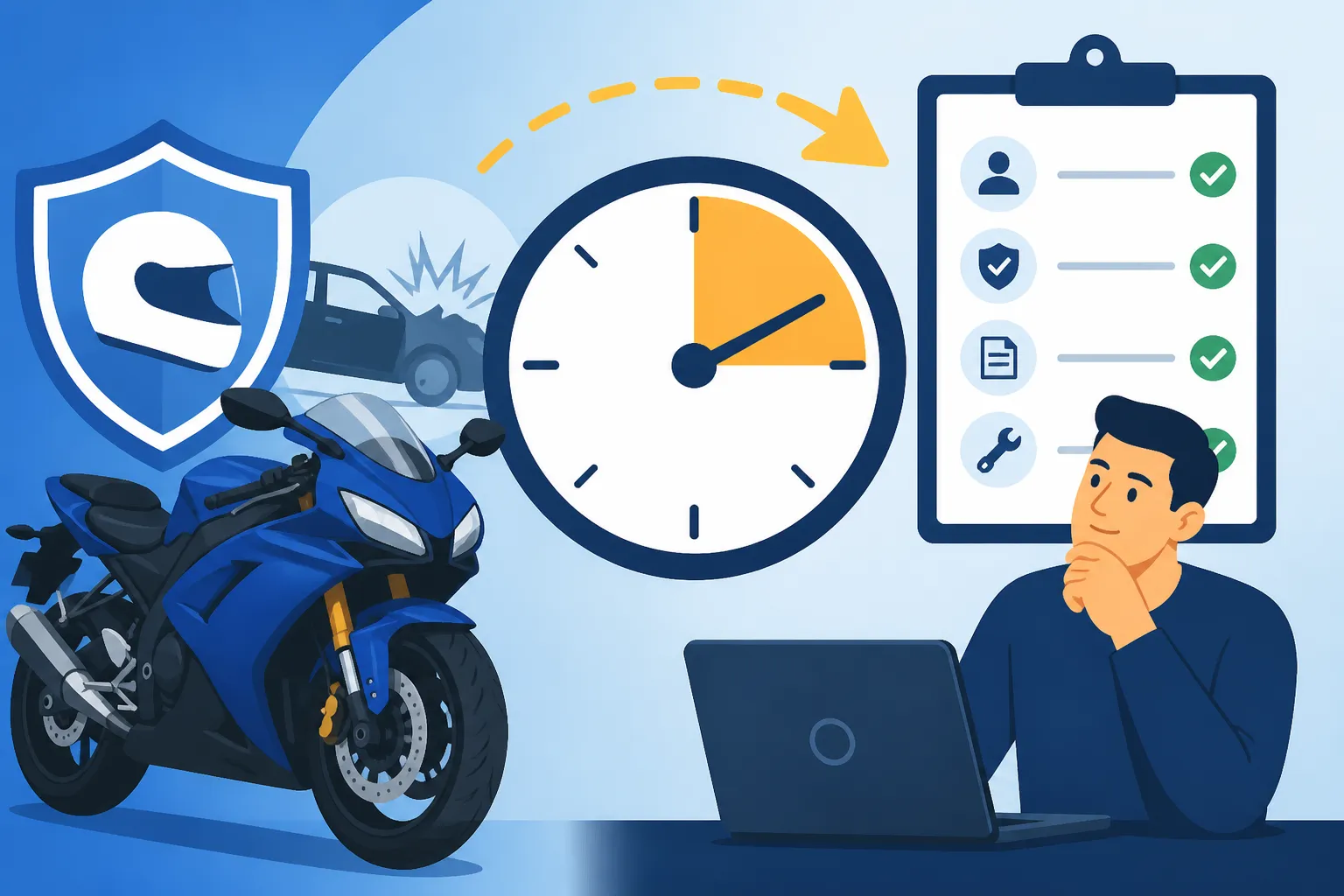
While every claim is unique, there's a general flow to how things usually proceed. Knowing these stages can help you manage your expectations and understand where your claim stands. It’s not always a super-fast ride, but it's rarely endless either.
Initial Reporting and Adjuster Assignment
The very first step, and one you should take as quickly as possible, is reporting the accident to your insurance company. Many insurers, like Progressive, offer easy online or app-based reporting, or you can call their claims line. This initial contact is usually swift, and you'll often be given a claim number right away. Most companies aim to assign a claims adjuster within a day or two of receiving the initial report, especially if it's a major incident.
The adjuster is your main point of contact. They'll review the basic details you provided and start the ball rolling. This phase is crucial because delays here can ripple through the entire process. Prompt reporting from your side helps the insurer initiate their process without unnecessary holdups. Remember, the sooner they know, the sooner they can act.
Investigation and Damage Assessment
This is often the longest phase. Once assigned, your adjuster will begin their investigation. This involves gathering evidence, which can include police reports, witness statements, photographs of the scene and vehicles, medical reports (if injuries are involved), and sometimes even surveillance footage if available. For physical damage to your motorcycle, the adjuster will likely arrange for an inspection. This might involve you taking your bike to an approved repair shop for an estimate, or the adjuster might send an appraiser to wherever your bike is located.
The complexity of this stage directly correlates with the factors we discussed earlier. A clear-cut accident with minimal damage and no injuries might see this phase completed within a week or two. However, if there are significant injuries, contested liability, or extensive damage requiring detailed repair estimates or even an assessment for a total loss, this stage can stretch for several weeks, or even a couple of months. Communication with the repair shop and your adjuster is key during this time to ensure everything is moving along. If your motorcycle was badly damaged, it’s worth understanding What Happens When Your Motorcycle Is Totaled?.
Settlement Offer and Payout
Once the investigation is complete, liability has been determined (if applicable), and damages have been assessed, your insurance company will present a settlement offer. This offer outlines what they are willing to pay for repairs, medical bills, lost wages, and other damages covered by your policy, or the other party's policy if they were at fault.
If you agree with the offer, you'll sign a release, and the payment process will begin. Payouts can happen fairly quickly after an agreement, often within a few business days or a week, depending on how the funds are disbursed (direct deposit, check, etc.). However, if you dispute the offer – perhaps you feel it’s too low, or certain damages weren't accounted for – negotiations will begin, which can add significant time to the process. This is where understanding How to Negotiate a Motorcycle Total Loss Settlement or other payout procedures becomes vital.
Average Timeline for Motorcycle Insurance Claims (General Estimates)
| Claim Type | Initial Report to Adjuster Assignment | Investigation & Assessment | Settlement & Payout | Total Estimated Timeframe |
|---|---|---|---|---|
| Minor Damage (Clear Fault) | 1-3 business days | 1-2 weeks | 3-7 business days | 2-3 weeks |
| Moderate Damage (Clear Fault) | 1-3 business days | 2-4 weeks | 5-10 business days | 3-6 weeks |
| Major Damage/Total Loss | 1-3 business days | 4-8 weeks | 7-14 business days | 6-10+ weeks |
| Injury Claims (Complex) | 1-3 business days | 2-6+ months | 2-4 weeks (after settlement) | 3-12+ months |
| Disputed Liability | 1-3 business days | 4-12+ weeks | Varies | 2-6+ months |
Note: These are general estimates. Individual claims can vary significantly based on state regulations, insurer efficiency, and claim complexity.
Common Delays and How to Avoid Them
It’s easy to get frustrated when your claim seems stuck in limbo. However, many common delays are either within your control to mitigate or at least understand. Being proactive can save you a lot of headache and waiting time.
Lack of Documentation
One of the most frequent reasons for delays is insufficient or incomplete documentation. Your insurance company needs evidence to process a claim efficiently. If you don't provide all the requested documents promptly, the adjuster has to chase you for them, halting their progress on your case. This includes everything from the police report and photos of the accident scene to repair estimates, medical records, and receipts for any custom parts or gear that were damaged.
To avoid this, be meticulous from the moment an incident occurs. Take plenty of photos from different angles, get contact information for witnesses, and obtain a copy of the police report as soon as it's available. Keep a detailed log of all your expenses. The more organized and thorough you are upfront, the smoother the process will be. For example, some riders use apps to document everything. Having your proof of insurance handy can also speed things up, whether it's digital or paper. You can learn more about Proof of Insurance Digital vs Paper for Riders.
Disputed Liability
When two or more parties are involved and no one is willing to take full responsibility, liability becomes "disputed." This is a major bottleneck in the claims process. Each insurance company will investigate to protect their client's interests, and if their findings conflict, it can lead to prolonged negotiations between insurers or even legal battles. The Zebra, an online insurance comparison platform, often highlights how much disputes can prolong claim resolution.
If you find yourself in a situation with disputed liability, it's vital to have comprehensive evidence from your perspective. This includes detailed statements, diagrams of the accident, and any dash cam footage if you had one. Sometimes, simply having a clear police report that assigns fault can significantly expedite this phase, but even then, insurers can sometimes challenge the report's findings.
Repair Shop Backlogs
Once your bike is deemed repairable, getting it into a shop and actually fixed can add unexpected delays. Good motorcycle repair shops, especially those specializing in certain brands or custom work, often have long waiting lists. Parts availability can also be an issue, especially for older or rarer models, or for specific aftermarket parts if you have Accessories & Custom Parts Coverage Explained.
While you might not have full control over a shop's schedule, you can be proactive. Get multiple estimates if possible, and ask about current lead times for repairs and parts. Some insurance companies have preferred repair networks that might offer quicker service or better guarantees. Staying in regular contact with your chosen repair shop and your adjuster ensures everyone is on the same page regarding the repair timeline.
Expediting Your Motorcycle Insurance Claim
While you can't snap your fingers and make a claim instantly disappear, there are definitely steps you can take to make the process as efficient as possible. Think of yourself as the captain of your claim ship – you can steer it in the right direction.
Proactive Communication
One of the biggest accelerators for any insurance claim is clear and consistent communication. Don't wait for your adjuster to call you; check in regularly. Ask for updates, clarify any requests they've made, and provide any new information you've gathered. Be polite but persistent. A quick call or email once a week can keep your claim top-of-mind for your adjuster and prevent it from getting lost in the shuffle.
When you communicate, make sure it's documented. Follow up phone calls with a brief email summarizing what was discussed and any action points. This creates a paper trail that can be invaluable if any disputes arise later. You can also proactively ask about the next steps in the process, which can help you anticipate upcoming requirements and prepare for them.
Comprehensive Documentation
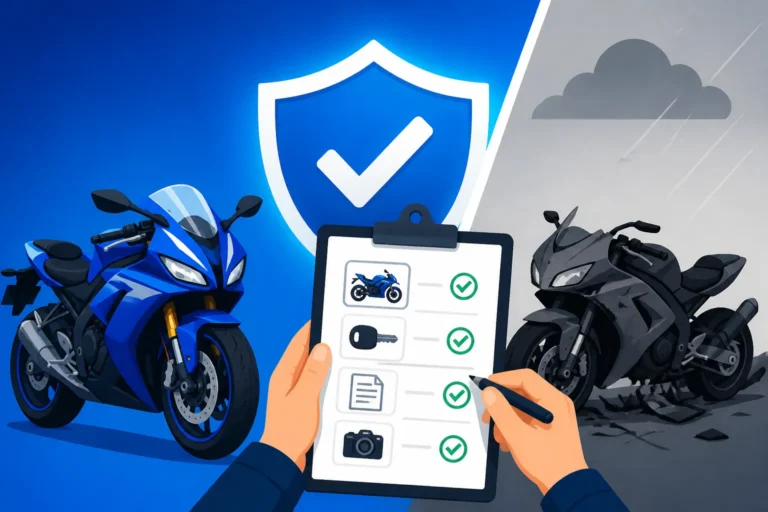
We touched on this earlier, but it bears repeating: excellent documentation is your best friend. From the moment the incident happens, start collecting everything. This includes:
- Photos and Videos: Capture the accident scene, damage to your bike and other vehicles, road conditions, traffic signs, and any visible injuries.
- Witness Information: Names, phone numbers, and email addresses of anyone who saw the incident.
- Police Report: Get the report number and a copy of the full report as soon as it's filed.
- Medical Records: Keep detailed records of all medical treatment, appointments, and bills.
- Repair Estimates: Obtain thorough estimates from reputable motorcycle repair shops.
- Receipts: For any damaged riding gear (helmet, jacket, boots) or custom parts.
- Correspondence Log: A simple spreadsheet or notebook tracking every call, email, and letter, including dates, times, who you spoke with, and what was discussed.
Having all this information readily available will save your adjuster valuable time, allowing them to process your claim without having to chase down details. It also strengthens your position if any aspect of your claim is questioned.
Choosing the Right Repair Shop
Once your claim is approved for repairs, the choice of a repair shop can significantly impact your timeline. While you might have a favorite local mechanic, consider if they have the capacity to handle your repairs quickly and efficiently. Some insurance companies have "preferred" networks of shops that they work with closely. These shops often have streamlined processes for estimates and approvals, which can lead to faster turnaround times.
When selecting a shop, ask about their current backlog, estimated repair time, and their experience working with your specific motorcycle brand and model. Also, confirm that they work well with your insurance company and can handle the paperwork efficiently. A good shop will keep you and your adjuster updated on the repair progress, further smoothing the process.
When to Escalate or Seek Legal Help
While most insurance claims resolve without too much fuss, there are times when you might hit a wall, and it feels like your claim is going nowhere. Knowing when to escalate or even seek legal counsel is crucial to protecting your rights and getting a fair outcome.
Unreasonable Delays or Denials
It's frustrating when weeks turn into months, and your claim seems stalled. What constitutes an "unreasonable" delay can vary by state, as some states have regulations on how quickly insurers must process claims. However, if you're not getting clear answers, your calls are going unreturned, or the process simply feels like it's dragging on indefinitely without good reason, it might be time to take action.
First, try to escalate within the insurance company itself. Ask to speak to your adjuster's supervisor. Explain your concerns calmly and clearly, referring to your communication log and the dates of contact. If internal escalation doesn't work, you can file a complaint with your state's Department of Insurance. They are regulatory bodies designed to protect consumers and can often intervene on your behalf, prompting the insurer to take action. Similarly, if your claim is outright denied and you believe it was unjust, your state's Department of Insurance is a good first step, as they can review the denial and determine if the insurer acted in bad faith. If you're dealing with a denial, understanding What Happens if You Get Caught Riding Without Insurance? could be relevant, though hopefully that's not your situation!
Lowball Settlement Offers
Sometimes, the insurance company will make a settlement offer that feels far too low, not adequately covering your damages, medical bills, or lost wages. Insurers are businesses, and their goal is to pay out as little as possible. It's common for initial offers to be on the lower side. Don't feel pressured to accept it immediately.
If you receive a lowball offer, you need to be prepared to counter it with solid evidence. Gather additional repair estimates, consult with medical professionals about the full extent of your injuries and future care needs, and collect documentation of any lost income. Present your counter-offer along with all supporting evidence to your adjuster. It's often a negotiation, and your preparedness can make a significant difference. Many riders find that getting quotes from multiple providers, like comparing options via The Zebra or looking at specific offerings from Progressive, helps them understand the real value of their bikes and potential claim payouts.
Legal Consultation and Advocacy
There are situations where bringing in a lawyer becomes necessary. This is especially true if:
- Serious Injuries: If you've sustained severe injuries that require extensive medical treatment, long-term care, or result in permanent disability, a lawyer can help ensure all future costs are accounted for in a settlement.
- Disputed Liability: When fault is highly contested, and the insurance companies can't agree, legal representation can be invaluable in proving your case.
- Unfair Treatment/Bad Faith: If you believe the insurance company is acting in bad faith (e.g., delaying unnecessarily, refusing to investigate, making unreasonably low offers despite clear evidence, or denying a legitimate claim without cause), a lawyer can file a lawsuit to compel them to comply.
- Total Loss Disputes: When your bike is totaled, and you disagree with the insurer's valuation, a lawyer specializing in property claims can help you fight for a fair payout based on your bike's true market value.
While legal fees are a consideration, many personal injury lawyers work on a contingency basis, meaning they only get paid if you win your case. Consulting with a lawyer early, especially in complex situations, can clarify your rights and options, potentially saving you a lot of grief and ensuring you receive the compensation you deserve. They can also help navigate complex situations like How to File a Claim When Hit by an Uninsured Driver.
Disclaimer
Please remember that this article provides general information and guidance regarding motorcycle insurance claims. Laws and regulations regarding insurance can vary significantly by state, and individual policy terms and conditions may differ. It is always recommended to consult directly with your insurance provider or a qualified legal professional for advice specific to your situation. This content is not intended as legal or financial advice.