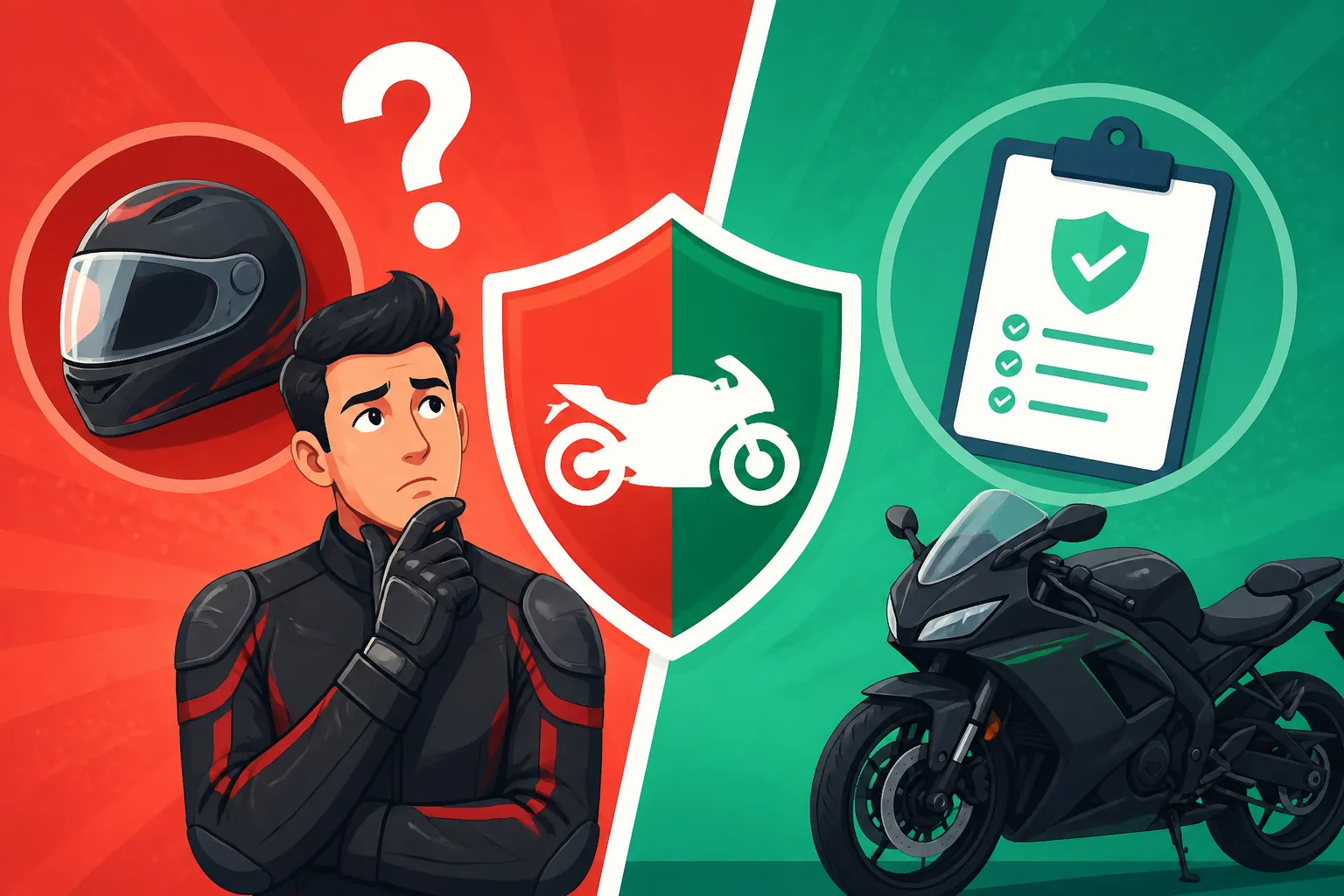
Is Helmet Use Required to Keep Insurance Valid?
For many riders, the freedom of the open road is synonymous with the wind in their hair, particularly in states with relaxed helmet requirements. However, a nagging fear persists: if you’re involved in an accident while riding lidless, will your insurance company use that as an excuse to deny your claim or cancel your policy entirely? This guide dives deep into the legal and contractual relationship between helmet use and insurance validity to ensure you stay protected.
Does Not Wearing a Helmet Void Your Motorcycle Insurance?
The short answer is no, riding without a helmet typically does not "void" your insurance policy in the sense that the entire contract becomes null and void. Insurance is designed to cover you for accidents resulting from negligence, and even if you are making a choice that increases your risk, the policy remains in force as long as your premiums are paid. However, the nuance lies in how your specific claims are handled, particularly regarding bodily injury.
The Standard Insurance Contract
Most standard policies do not contain a specific "helmet clause" that cancels coverage if you are caught riding without one. Your Minimum Liability Insurance Explained (The Three Numbers) coverage will still generally pay out to third parties if you are at fault in an accident, regardless of your safety gear. The insurance company’s primary obligation is to meet the state-mandated requirements for financial responsibility. You can find these specifics in a comprehensive Motorcycle Insurance Requirements by State (2026 Guide) to see what your baseline obligations are.
When you look at tools like The Zebra to compare different carriers, you'll notice that while they ask about your riding history and the bike you own, they rarely ask if you commit to wearing a helmet 100% of the time as a condition of the policy. The contract is built on the risk profile of the rider and the machine, not a minute-by-minute audit of your gear choices.
Comparative Negligence and Payouts
While your policy stays valid, the amount of money you actually receive after an accident can be significantly reduced through a legal concept called comparative negligence. If you are injured and seek compensation from another driver’s insurance, their adjusters will argue that your injuries—specifically head injuries—were exacerbated by your failure to wear a helmet.
In many jurisdictions, if a jury or an adjuster determines you are 30% responsible for the severity of your injuries because you weren't wearing a helmet, your payout could be slashed by that same 30%. This is where the frustration sets in for many riders who feel they are being penalized for a legal choice. Understanding Helmet Law & Insurance: Does Not Wearing One Affect Claims? is vital here because the financial repercussions of a "legal" choice can be devastating.
State Laws vs. Insurance Policy Fine Print
The relationship between your gear and your insurance often hinges on whether you are following the law in the state where the accident occurs. In a "Universal Helmet Law" state, the legal weight against you is much heavier than in a "Partial" or "Choice" state.
Compliance with Local Regulations
If you are riding in a state that requires helmets for all riders and you choose to ignore that law, you are technically engaging in an illegal act at the time of the crash. While this usually won't stop your collision coverage from fixing your bike, it gives the insurance company significant leverage when negotiating medical settlements. They may argue that your violation of Motorcycle Helmet Laws by State constitutes a breach of the general "reasonable care" expectations, even if it doesn't explicitly void the policy.
When using a comparison engine like The Zebra, it is helpful to look for insurers that offer specific medical payments riders. These companies are often more accustomed to dealing with the high costs of motorcycle-related injuries and may have clearer language regarding gear.
Helmet Laws and Personal Injury Protection (PIP)
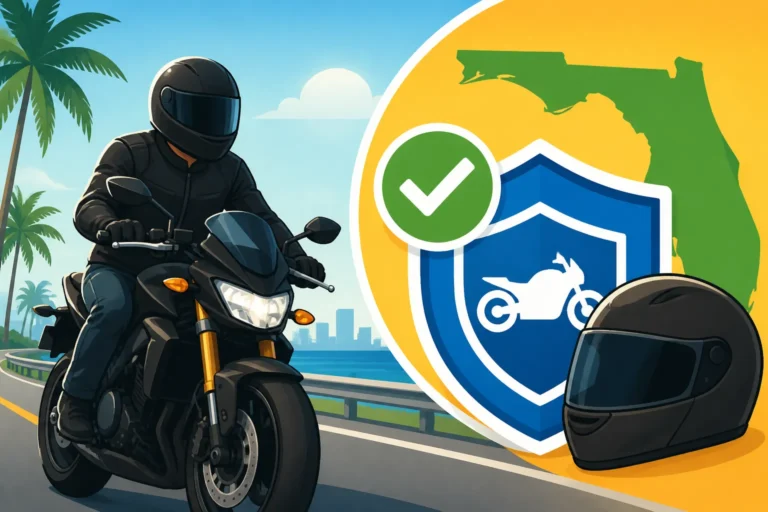
In some states, the law is even more direct. For example, if you look at What Are the Motorcycle Insurance Laws in Florida?, you will see that riders over 21 can go without a helmet only if they carry a certain amount of medical insurance. In this case, the helmet use is directly tied to a specific insurance requirement. If you are caught without a helmet and you don't have that additional medical coverage, you are not only violating the law but also operating outside the parameters that allow you to ride helmet-free.
| State Law Type | Helmet Requirement | Insurance Payout Impact |
|---|---|---|
| Universal Law | Required for all riders | High risk of reduced injury payouts if not worn |
| Partial Law | Required for minors/novices | Impact varies based on rider age and experience |
| Choice State | Not required for adults | Lower risk of denial, but comparative negligence still applies |
| No Law | No helmet required | Insurance still analyzes "mitigation of damages" |
How Helmet Use Influences Your Premiums
While not wearing a helmet might not get your policy canceled today, it can certainly make your coverage more expensive over time. Insurance is a game of statistics and risk management. If you are viewed as a high-risk rider, your wallet will eventually feel the squeeze.
Impact on Risk Profiling
When insurance companies set their rates, they look at the Average Motorcycle Insurance Cost by State and adjust for the local legal environment. In states where helmets aren't required, insurers often see higher medical claim costs because the injuries are more severe. To compensate for this, they may raise base premiums for everyone in that state.
Using a service like The Zebra can help you see which companies are more "motorcycle friendly" and which ones might be penalizing you for living in a state with high head-injury statistics. Even if you personally wear a helmet 100% of the time, the choices of your neighbors can influence What Affects Your Motorcycle Insurance Rate?.
Medical Payments and Underinsured Motorists
If you carry Medical Payments Coverage on a Motorcycle, your own insurance company pays for your ER visits regardless of who was at fault. Because this is a "no-fault" type of coverage, they generally cannot deny the claim based on helmet use unless the policy specifically excludes coverage for illegal acts (and you were in a mandatory helmet state). However, the limits on MedPay are often quite low—usually between $1,000 and $10,000. If you have a serious head injury from riding without a helmet, those limits will be exhausted in the first hour at the hospital.
This leads to a reliance on Uninsured Motorist Coverage on a Motorcycle, where you are essentially suing your own insurance company to cover the gap left by a driver with no insurance. In these high-stakes negotiations, your gear choice becomes the central focus of the defense.
Protecting Your Claims and Your Rights
As a veteran rider, I’ve seen far too many people get low-balled by adjusters because they weren't wearing "all the gear, all the time." If you choose to ride without a helmet in a state where it is legal, you need to be proactive about your insurance strategy to ensure you don't get left with massive debt after a crash.
Documenting Your Safety Gear
One of the best ways to protect yourself is to prove that you are generally a safety-conscious rider. Keep receipts for your riding boots, armored jackets, and even the helmet you use "most of the time." If an adjuster tries to paint you as a reckless individual who ignores safety, having a record of your investment in protective gear can help counter that narrative. This is especially true if you are looking at Helmet Laws: Universal vs Partial States and frequently travel between different legal jurisdictions.
Choosing the Right Policy Limits
Because the financial risk of a head injury is so high, "minimum" coverage is rarely enough for a motorcyclist. When you are shopping on The Zebra, don't just look for the lowest number. Look for higher limits on bodily injury and medical payments. If your insurance company knows they are on the hook for a large sum regardless of your gear, they are sometimes more willing to settle fairly rather than spending years in court arguing over the percentage of fault attributed to your helmet choice.
If you are a younger rider, you are already facing an uphill battle with costs. You can check How Much Is Motorcycle Insurance for an 18 Year Old? to see just how much more you are paying. Adding a "no helmet" risk on top of a young age profile is a recipe for some of the highest premiums in the industry.
Summary of Insurance Validity Concerns
To keep your insurance valid and your claims payable, the most important thing is to remain "legal." If your state says you need a helmet, wear one. If your state gives you the choice, know that the choice comes with a potential financial "tax" in the form of reduced injury settlements. Your policy won't just vanish into thin air because you rode to the corner store without a lid, but your ability to recover financially from a life-altering accident might.
Always be honest with your agent. If they ask about your riding habits, tell the truth. Misrepresentation on an application is a much faster way to have a policy declared void than a single instances of riding without a helmet. By understanding the intersection of Riding Across State Lines: Insurance & Helmet Rules and your specific policy language, you can enjoy the ride with the peace of mind that you’re covered no matter what.
Disclaimer
This guide is provided for informational purposes only and does not constitute legal or professional insurance advice. Insurance laws and policy terms vary significantly by state and provider. Always consult with a licensed insurance agent or legal professional regarding your specific coverage and local regulations.