Do You Need a Motorcycle Endorsement to Buy Insurance?
Buying a new bike is an absolute rush, but that excitement often hits a brick wall when you realize you haven't finished your licensing requirements yet. Many riders find themselves in a "chicken or the egg" dilemma: they need the bike to practice for the test, but they can't legally own or protect the bike without paperwork. This guide explains exactly how to secure coverage even if you don't have your full endorsement yet.
The Short Answer: Can You Buy Insurance Without an Endorsement?
The technical answer is yes, you can often purchase a policy, but the reality is far more nuanced than a simple "yes" or "no." In the eyes of an insurance company, owning a motorcycle and operating a motorcycle are two very different risks. If you walk into a dealership in a city like Phoenix or Miami and fall in love with a cruiser, the salesperson will likely ask for proof of insurance before you can even roll it off the lot. However, the insurance carrier is primarily interested in the fact that the asset—the motorcycle—is protected against theft, fire, or damage while it sits in your driveway.
When you look at platforms like The Zebra to compare options, you will find that several carriers are willing to write a policy for an unendorsed owner. They do this by listing you as the "owner" but perhaps not the "primary operator." Some companies might require you to list a different person who is licensed as the primary rider, while others might simply exclude you from coverage until you provide proof of your endorsement. This is a common workaround for collectors who buy vintage bikes and have no intention of riding them, or for parents buying a bike for a child.
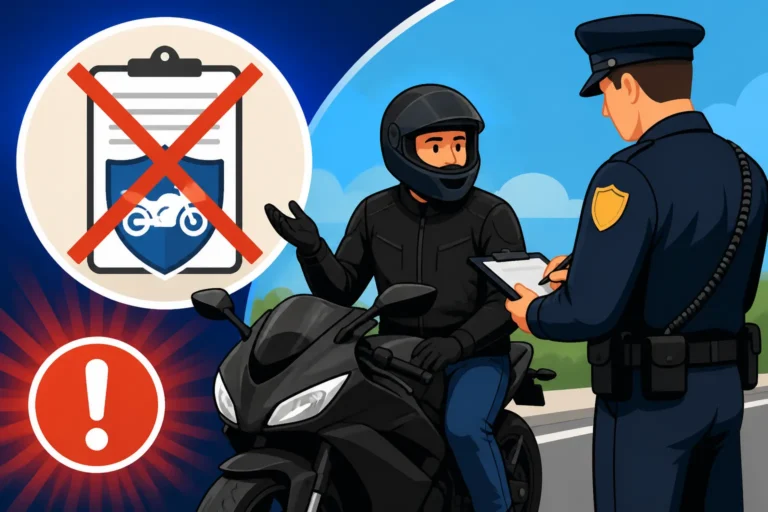
However, just because you can buy the policy doesn't mean it’s cheap or easy. Carriers view unlicensed owners as a "high-risk" category because there is a strong statistical likelihood that someone who owns a bike will eventually try to ride it, regardless of their legal status. If you are caught riding without the proper credentials, your insurance company could deny a claim entirely, leaving you with a massive financial burden. Using a service like The Zebra can help you filter through which companies are "endorsement-friendly" and which ones will flatly refuse your application until you pass your skills test.
Understanding the Carrier's Perspective
From an underwriting standpoint, an endorsement is a validation of skill. Without it, the insurance company has no way to quantify your ability to avoid an accident. This is why you might see a significant premium hike if you try to get covered without one. They aren't just insuring the bike; they are betting on the rider’s ability to stay upright. If you are in the process of getting licensed, some companies may offer a "grace period" or a conditional policy, but these are increasingly rare as data analytics become more precise.
The Difference Between Buying and Riding
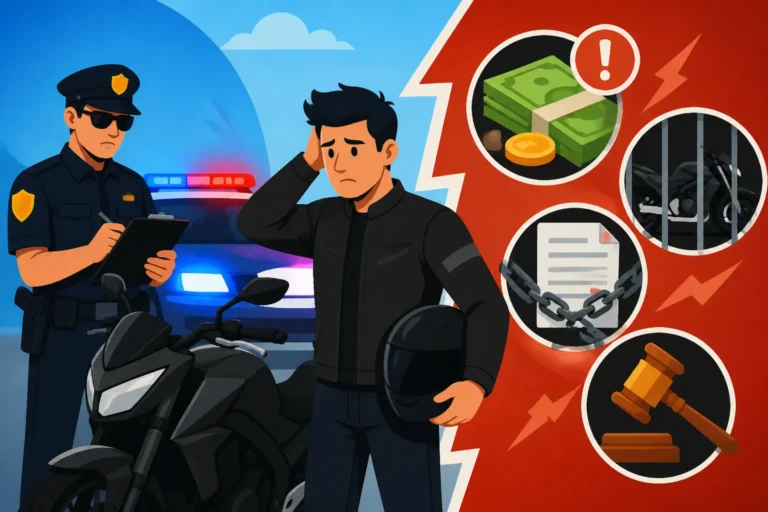
It is vital to distinguish between the legality of purchasing a policy and the legality of operating the vehicle. You can legally buy Motorcycle Insurance Requirements for Financed Bikes to satisfy a lender's requirements even without a license. The lender just wants to make sure their collateral is protected. However, the second you kick up the kickstand and roll onto a public road in a state like Texas or California without your M-class endorsement, you are breaking the law. Insurance will not protect you from the legal penalties of riding unlicensed, which can include impoundment of your new bike.
Legal vs. Financial Requirements: The Gray Areas
The intersection of state law and insurance company policy is where most riders get confused. Every state has its own set of rules regarding what is required to register a vehicle versus what is required to operate it. For example, in many jurisdictions, you can register a motorcycle in your name as long as you have a valid title and proof of insurance, even if you don't have a motorcycle license. This allows people to own bikes as investments or for off-road use only.
If you are looking at Motorcycle Registration Without Insurance: Possible? you will find that almost every state requires at least a minimum liability policy before the DMV will issue a plate. This creates a hurdle for the new rider: you need the plate to be legal, you need insurance to get the plate, but the insurance company wants the endorsement you haven't earned yet. To navigate this, many riders look for "non-operator" policies or list themselves as "permit holders."
Navigating these gray areas is where a tool like The Zebra becomes invaluable. It allows you to see how different levels of coverage—like Minimum Liability Insurance Explained (The Three Numbers)—apply to your specific situation. Some riders opt for the bare minimum just to get the registration done, planning to upgrade their coverage once they have their full license in hand. While this works for the DMV, it leaves you incredibly vulnerable if the bike is stolen or damaged while you are still practicing.
State Registration and Proof of Insurance
When you head to the DMV, they generally don't care if you are the one riding the bike; they care that the bike is covered by a policy that meets the state's financial responsibility laws. If you are in a state with strict enforcement, like New York, they might even cross-reference your insurance status with their database in real-time. If you haven't secured a policy because you were waiting for your license, you won't be able to get your tags, which means your bike stays on a trailer or in the garage.
Why Some Companies Might Say No
While many carriers are flexible, some of the "big name" insurers have strict internal policies. They may simply refuse to issue a policy if the primary owner does not have a valid motorcycle endorsement on their driver's license. They see the risk of an "unlicensed operation" claim as too high. In these cases, you might have to look toward specialty insurers who deal with high-risk or non-standard riders. These companies often charge more, but they provide the necessary bridge to get your bike registered and legal while you finish your training.
| Scenario | Can You Buy Insurance? | Can You Register the Bike? | Can You Legally Ride? |
|---|---|---|---|
| No License / No Permit | Often (as owner) | Yes (usually) | No |
| Learner's Permit | Yes | Yes | Limited (Daytime/No Passengers) |
| Full Endorsement | Yes | Yes | Yes |
| Licensed but No Bike | Yes (Non-owner) | N/A | Yes |
Factors That Influence Your Ability to Get Covered
Several variables will determine how difficult (and expensive) it will be to get that policy started before your test day. The most significant factor is your current "paperwork status." Are you starting from zero, or do you already have a learner's permit? In most states, having a permit acts as a middle ground. It tells the insurance company that you have passed a written test and have at least a basic understanding of the rules of the road.
When asking Do You Need a Motorcycle Endorsement to Get Insurance? you have to look at your specific state's permit laws. Some insurers will treat a permit holder nearly the same as a fully licensed rider, especially if you have a clean automobile driving record. Others will still apply a surcharge until the full endorsement is added. If you use The Zebra to get quotes, be sure to specify that you hold a permit, as this can open up carriers that would otherwise reject a completely unlicensed applicant.
Another factor is the type of bike you are trying to insure. Trying to get coverage for a high-performance sport bike without an endorsement is going to be an uphill battle. Insurers know that these bikes are difficult to handle for novices. On the other hand, insuring a modest 250cc cruiser or a standard bike is often much easier, even for someone who is still in the learning phase. They view the "likelihood of a total loss" as much lower on a smaller, more manageable machine.
Your Current License Status
If you have a valid automobile driver's license, you are already halfway there in the eyes of many insurance companies. It shows that you understand traffic flow and have a history of responsible behavior (assuming your record is clean). If you are asking Can You Insure a Motorcycle Without a License? the answer is much more favorable if you at least have a Class C (car) license. If you have no license at all, you will likely be rejected by 99% of standard insurance carriers and will have to seek out "high-risk" specialist policies.
Listing an Excluded Driver vs. Primary Operator
In some cases, the only way to get insurance is to list yourself as an "excluded driver" on the policy. This means the bike is covered for things like theft or if a licensed friend takes it for a spin, but if you ride it and crash, the insurance company pays nothing. This is a common tactic for people who have purchased a bike and are waiting for a Motorcycle Endorsement vs Motorcycle License course to open up. It satisfies the legal requirement for registration and protects the physical bike, but it strictly prohibits you from using the vehicle.
Practical Steps for the Endorsement-Seeker
If you find yourself with a bike in the garage and no endorsement on your plastic, don't panic. There is a step-by-step path to getting legal without losing your mind. First, you should look into Is Motorcycle Insurance Mandatory for a Learner's Permit? in your specific state. In places like Illinois or Ohio, the permit allows you to ride under certain conditions, and you absolutely need insurance to be on the road during that practice period.
Second, gather all your documents before you start shopping. You will need the VIN of the bike, your driver's license number, and details about where the bike will be stored. When you use The Zebra to compare rates, having this info ready will give you more accurate quotes. Don't try to hide the fact that you don't have your endorsement yet; if you lie on the application and they find out later, they can cancel your policy for "material misrepresentation," which will make it even harder to get insurance in the future.
Lastly, consider the Motorcycle Insurance Grace Period When Buying that some companies offer. If you already have an auto policy with a company that also does motorcycles, they might give you a small window of time to add the new bike and update your credentials. This is usually the easiest and cheapest path, as you can take advantage of multi-policy discounts right from the start.
Shopping Around for the Right Carrier
Not all insurance companies are created equal when it comes to "pre-endorsed" riders. Dairyland and Progressive are often cited by riders as being more flexible with beginners and permit holders compared to some more conservative agencies. By checking multiple options on The Zebra, you can see which company is currently "hungry" for new riders and offering the best introductory rates for those still in the training phase.
What to Expect in Terms of Cost
Expect to pay a premium—literally. Until you can prove you have passed a safety course and earned your endorsement, your rates will likely be 20% to 50% higher than they will be later. However, most companies will lower your rate the moment you call them with your new license number. Additionally, once you have your endorsement, you can ask Does a Motorcycle Safety Course Lower Insurance? because many states mandate a discount for riders who complete the MSF or similar state-approved training.
What Documents Do You Need to Insure a Motorcycle?
When you're ready to pull the trigger, make sure you have the following ready to go:
- The Vehicle Identification Number (VIN)
- Your current driver's license (even if it's just a car license)
- Your learner's permit number (if applicable)
- Proof of residency (a utility bill often works)
- Payment for the down payment or full term
Having these ready when you go through the process on What Documents Do You Need to Insure a Motorcycle? will save you hours of back-and-forth with an agent and get you one step closer to that first legal ride.
Motorcycle Insurance Disclaimer
This guide is intended for informational purposes only and does not constitute legal or financial advice. Insurance requirements, state laws, and carrier policies are subject to change and vary significantly by jurisdiction. Always verify current regulations with your local DMV and consult with a licensed insurance professional before purchasing a policy or operating a motorcycle. Coverage availability depends on individual underwriting approval.