Is Motorcycle Insurance Required in Illinois?
It's a familiar scenario for many riders in Illinois: you've got your bike, the open road is calling, but there's this nagging question in the back of your mind about what you really need to be legal. The rules for motorcycle insurance can feel like a tangled web, especially when you're just trying to enjoy the ride and stay on the right side of the law. This guide is here to untangle that web, clearly explaining Illinois' motorcycle insurance requirements and what you need to know to ride with confidence and peace of mind.
The Straightforward Answer: Yes, Motorcycle Insurance is Required in Illinois
Let's cut right to the chase: yes, motorcycle insurance is absolutely required if you plan to operate a motorcycle in Illinois. This isn't one of those states where you can get by without it. Just like with cars, Illinois law mandates that all registered vehicles, including motorcycles, must have minimum liability coverage. Skipping out on this isn't just a small oversight; it can lead to serious legal and financial headaches down the road.
Understanding Illinois' Financial Responsibility Law
Illinois operates under a "fault" system when it comes to vehicle accidents, which means the person who causes an accident is financially responsible for the damages and injuries of the other parties involved. This fundamental principle is why insurance is so critical here. The state’s financial responsibility law isn’t just a suggestion; it’s a strict requirement designed to ensure that if you're involved in a crash, you have a way to cover the costs you might be liable for. It protects other motorists, but ultimately, it protects you too from crippling financial obligations. Without proper coverage, you'd be personally on the hook for any bodily injury or property damage you cause. Many riders find themselves asking, "Is Motorcycle Insurance Required?" across various states, and in Illinois, the answer is a resounding yes.
Minimum Coverage Requirements in the Prairie State
When we talk about "minimum liability coverage" in Illinois, we're referring to specific amounts of insurance that you must carry. These numbers are often expressed as a series of three figures, like 25/50/20. Let's break down what those mean for Illinois motorcyclists:
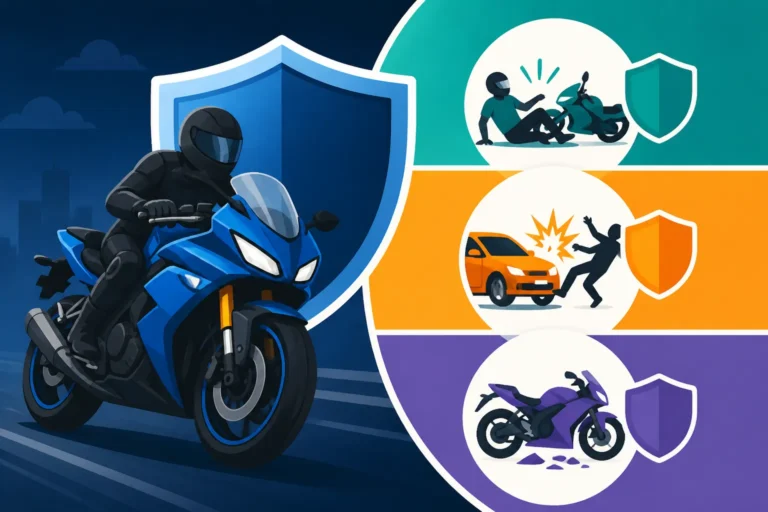
- $25,000 for bodily injury liability per person: This is the maximum amount your insurance company will pay for medical expenses, lost wages, and pain and suffering for one person injured in an accident you cause.
- $50,000 for bodily injury liability per accident: This is the total maximum your insurance will pay for all medical expenses, lost wages, and pain and suffering for all people injured in an accident you cause, regardless of how many individuals are hurt.
- $20,000 for property damage liability per accident: This is the maximum amount your insurance will pay for damage to other people's property (like their vehicle, a fence, or a building) that results from an accident you cause.
It's crucial to understand these numbers. While they represent the minimum you need to legally ride, they are often far from what you might actually need in a serious accident. A single trip to the emergency room can quickly exceed $25,000, and totaling another vehicle could easily surpass $20,000 in repair or replacement costs. Many experienced riders will tell you that opting for just the minimum can be a risky gamble, leaving you exposed to paying significant amounts out of pocket if you're ever in a severe accident. You can learn more about what these numbers truly mean in our guide on Minimum Liability Insurance Explained The Three Numbers.
What Happens if You Ride Without Insurance in Illinois?
Riding uninsured in Illinois is a gamble with potentially severe consequences, both immediate and long-term. It's not just a minor infraction; it can lead to significant legal troubles and a crushing financial burden if things go wrong. Ignorance of the law isn't a defense, and the state takes these requirements seriously to protect all road users.
The Immediate Consequences
If you're pulled over by law enforcement in Illinois and cannot provide Proof of Insurance Digital vs Paper for Riders, you're looking at some immediate and unpleasant realities:
- Fines: The initial fine for operating an uninsured motorcycle in Illinois starts at $500, and it can go up for subsequent offenses. That's a hefty chunk of change that could easily have gone towards your insurance premiums.
- Suspension of License Plates and Registration: Your motorcycle's license plates and registration can be suspended, meaning your bike is now essentially illegal to ride or even park on public roads. Getting these reinstated isn't as simple as paying a fee; it often involves providing proof of insurance and additional reinstatement fees.
- Driving Privileges Suspension: Your driving privileges can also be suspended. This doesn't just apply to your motorcycle license; it can affect your ability to drive any vehicle. Imagine not being able to drive to work or run errands simply because you tried to save a few bucks on insurance.
- Impoundment of Your Motorcycle: In some cases, especially for repeat offenders or if you're involved in an accident, your motorcycle could be impounded. Getting it back means paying towing fees, storage fees, and proving you now have insurance.
These aren't hypothetical scenarios; they are real Penalties for Riding Without Insurance that Illinois riders face every single day. The hassle, cost, and stress of dealing with these immediate consequences far outweigh the perceived savings of riding uninsured.
The Long-Term Financial Fallout
Beyond the immediate fines and suspensions, the long-term financial consequences of riding without insurance in Illinois can be catastrophic, especially if you're involved in an accident:
- Personal Liability for Damages: Remember that "fault" system? If you cause an accident and don't have insurance, you are personally responsible for all the damages. This includes the other party's medical bills, lost wages, vehicle repairs, and potentially even their pain and suffering. These costs can quickly run into tens or even hundreds of thousands of dollars. The state has Financial Responsibility Laws for Riders precisely for this reason.
- Lawsuits: If the costs are substantial, the injured party or their insurance company will likely sue you to recover their losses. A judgment against you could mean wage garnishments, liens on your property, and a damaged credit score for years to come.
- Difficulty Getting Future Insurance: Once you have a record of riding uninsured or being involved in an uninsured accident, future insurance companies will view you as a high-risk driver. This means that when you do try to get insurance, your premiums will be significantly higher, making it much harder and more expensive to comply with the law.
- SR-22 Requirements: In many cases, if you're caught riding without insurance or cause an accident while uninsured, Illinois might require you to carry an SR-22 filing for a period of time. An SR-22 isn't insurance itself, but a certificate of financial responsibility that your insurance company files with the state, proving you have coverage. This often leads to even higher insurance rates. You can find more details in our article on SR-22 for Motorcycles When It's Required.
In essence, saving a few hundred dollars a year on insurance premiums could cost you everything you own in the event of an accident. It's simply not worth the risk.
Navigating Your Motorcycle Insurance Options in Illinois
While minimum liability coverage is legally mandated in Illinois, it's often just the starting point for truly comprehensive protection. Experienced riders know that the open road comes with its own set of risks, and having a robust insurance policy tailored to your needs is one of the smartest investments you can make.
Beyond the Bare Minimum: Why More Coverage is Smart
Relying solely on minimum liability limits in Illinois is like wearing only a helmet but no other gear – it covers the absolute basic requirement, but leaves a lot of you exposed. Here are some additional types of motorcycle insurance coverage that smart riders in Illinois often consider:
- Collision Coverage: This pays for damages to your own motorcycle if you hit another vehicle or object (like a guardrail or a tree), or if your bike rolls over. Regardless of who is at fault, collision helps get your ride back on the road. Without it, even if an accident is your fault, you'd be paying for your bike's repairs or replacement out of pocket. For more on this, check out Collision vs Comprehensive Motorcycle Coverage.
- Comprehensive Coverage: This is your shield against non-collision damages. Think about things like theft, vandalism, fire, natural disasters (hail, floods), or even hitting an animal. Motorcycle theft is unfortunately common, and comprehensive coverage can be a lifesaver if your prized possession goes missing. Our guide on What Is Comprehensive Motorcycle Insurance? dives deeper into this.
- Uninsured/Underinsured Motorist (UM/UIM) Coverage: This coverage is absolutely vital, especially on a motorcycle. It protects you if you're hit by a driver who doesn't have insurance (uninsured) or doesn't have enough insurance to cover your damages (underinsured). Given that many drivers on the road only carry minimum liability, UM/UIM can be the difference between getting your medical bills and bike repairs covered, or being stuck with the costs yourself. You can read more about it in Uninsured & Underinsured Motorist Coverage UM/UIM.
- Medical Payments (MedPay) Coverage: This coverage helps pay for medical expenses for you and your passengers, regardless of who is at fault for an accident. It can be a quick source of funds for immediate medical care, co-pays, and deductibles, even before fault is determined.
- Custom Parts and Accessories Coverage: If you've invested in aftermarket parts, custom paint, or performance upgrades – and let's face it, most riders do – standard policies might not cover their full value. This add-on ensures your unique modifications are protected. Harley-Davidson owners, for example, often heavily customize their bikes and benefit greatly from this type of coverage.
Considering these additional coverages means you're building a stronger financial safety net around yourself and your motorcycle. It means less stress and more confidence every time you throw a leg over your bike.
How to Find the Right Policy
Finding the right motorcycle insurance policy in Illinois isn't just about meeting the minimums; it's about finding the best balance of coverage, price, and customer service. Here are some tips to help you:
- Shop Around and Compare Quotes: Don't just go with the first quote you get. Different insurance companies, like Progressive, Geico, Dairyland, and Markel, have varying pricing structures and discounts. Getting multiple quotes is the single best way to ensure you're getting a competitive rate. Our guide on How to Compare Motorcycle Insurance Quotes can walk you through the process.
- Understand Factors Affecting Your Rates: Several elements influence your motorcycle insurance premium in Illinois. These include your riding experience, age, location, the type of motorcycle you ride (a sport bike will generally cost more to insure than a cruiser), your driving record, and even your credit score. Knowing these factors can help you understand your quotes and potentially find ways to lower your costs.
- Ask About Discounts: Insurance companies offer a wide array of discounts that can significantly reduce your premium. Common discounts include taking a motorcycle safety course, bundling your motorcycle policy with your auto or home insurance, having multiple bikes on one policy, anti-theft device discounts, and being a member of certain riding organizations. Always ask your agent about every discount you might qualify for. Many riders are surprised by how much they can save.
- Consider Your Deductibles: Choosing a higher deductible (the amount you pay out of pocket before your insurance kicks in) will generally lower your premium. However, make sure you can comfortably afford your chosen deductible in the event you need to file a claim.
By taking the time to research and understand your options, you can secure a policy that not only meets Illinois' legal requirements but also provides the comprehensive protection you need for worry-free riding.
Common Questions from Illinois Riders
Even after understanding the basics, many Illinois riders have specific questions about how insurance plays out in their daily riding lives. Let's tackle some of the most common ones.
Proof of Insurance and Enforcement
You've got your policy, great! But what about proving it when you need to?
- Showing Proof: In Illinois, you are required to carry proof of insurance whenever you operate your motorcycle. This can be a physical insurance card, or increasingly, digital proof displayed on your smartphone. Police officers typically accept either format. Just make sure your digital proof is easily accessible and your phone has enough battery.
- When It's Checked: You'll most likely be asked for proof of insurance during a traffic stop, after an accident, or when renewing your vehicle registration. It's a routine part of road-side interactions and administrative processes, so always be prepared. Our article on Proof of Insurance & Registration for Motorcycles offers more guidance.
Special Cases: Financed Bikes and Seasonal Riding
Life on two wheels isn't always straightforward, and neither are all insurance situations.
- Financed Motorcycles: If your motorcycle is financed through a loan, your lender will almost certainly require you to carry full coverage insurance (collision and comprehensive, in addition to liability) to protect their investment. This is non-negotiable until the loan is paid off. Ignoring this requirement can lead to your lender forcing coverage on you (which is usually very expensive) or even repossessing your bike. This is a critical point covered in more detail in Motorcycle Insurance Requirements for Financed Bikes.
- Seasonal Riding: Many riders in Illinois put their bikes away for the colder winter months. This raises the question of whether you need insurance when your bike is just sitting in the garage. While you might not need collision coverage if it's not being ridden, it's generally a good idea to maintain comprehensive coverage to protect against theft, fire, or vandalism while stored. Some insurers offer "lay-up" or "seasonal" policies that reduce your coverage (and premium) during the off-season. Completely canceling your policy for a few months could result in a lapse in coverage, potentially raising your rates when you reinstate it. Our guide on Do You Need Insurance to Store a Motorcycle? has more information.
Understanding these nuances ensures you're protected, regardless of the season or how you acquired your bike.
Illinois Motorcycle Insurance Requirements Summary
To help keep everything clear, here's a quick summary of the key motorcycle insurance requirements in Illinois:
| Requirement Category | Illinois Minimum | Notes |
|---|---|---|
| Bodily Injury Liability | $25,000 per person / $50,000 per accident | Covers medical expenses, lost wages, and pain/suffering for others if you cause an accident. This is for injuries only. |
| Property Damage Liability | $20,000 per accident | Covers damage to other people's property (vehicles, fences, etc.) if you cause an accident. |
| Uninsured Motorist Bodily Injury | $25,000 per person / $50,000 per accident | Required coverage in Illinois. Protects you and your passengers if you're hit by an uninsured driver and suffer injuries. |
| Underinsured Motorist Bodily Injury | Required (equal to UMBI limits unless rejected) | Required coverage in Illinois. Provides additional coverage if the at-fault driver has some insurance, but not enough to cover your injuries. Can be rejected in writing if you don't want it, but strongly recommended. |
| Proof of Insurance | Required to carry at all times | Can be physical card or digital. Must be shown to law enforcement upon request. |
| Consequences for Non-Compliance | Fines ($500+), license/registration suspension, impoundment, personal liability for damages, SR-22 requirements. | Significantly outweighs the cost of insurance. |
This table serves as a quick reference, but remember, deeper understanding and potentially more comprehensive coverage are always recommended for serious riders.
Disclaimer
This article is for general informational purposes only and does not constitute professional advice. Laws, prices and regulations vary by location and change over time. Consult a qualified professional for guidance on your specific situation.