Is Motorcycle Insurance Required in New Mexico?
Figuring out the exact insurance requirements for your motorcycle can feel like navigating a maze, especially when state laws vary so much. You want to hit the open roads of New Mexico with peace of mind, not with the gnawing worry that you might be breaking the law or, even worse, putting your financial future at risk. This comprehensive guide is here to cut through the confusion, clearly outlining whether motorcycle insurance is required in the Land of Enchantment and what you need to know to ride legally and safely.
The Short Answer: Is Motorcycle Insurance Required in New Mexico?
Yes, absolutely. If you plan to ride your motorcycle on public roads in New Mexico, you are legally required to carry motorcycle insurance. This isn't just a suggestion; it's a mandatory legal obligation, much like it is for cars. New Mexico operates under a "financial responsibility" law, meaning every driver and rider must be able to prove they can cover damages if they cause an accident. For most of us, this means carrying an active insurance policy.
Minimum Liability Coverage Requirements
New Mexico's Department of Motor Vehicles (MVD) mandates specific minimum liability coverage amounts that all riders must carry. These minimums are often referred to as "25/50/10" in the insurance world. It's a shorthand that represents the dollar limits your insurance company will pay out for specific types of damages in an at-fault accident.
Let's break down what those numbers truly mean for you:
- $25,000 for bodily injury liability per person: This is the maximum amount your insurance will pay for medical expenses, lost wages, and pain and suffering for one person injured in an accident where you are at fault. Imagine you cause a fender bender with a car, and the other driver needs medical attention; your policy would cover up to $25,000 for their injuries.
- $50,000 for total bodily injury liability per accident: This is the absolute maximum your insurance will pay out for all people injured in a single at-fault accident. So, if you hit a car with three passengers, and each of them suffers $20,000 in injuries, your policy would only pay out a total of $50,000, not $60,000 ($20,000 x 3). You would be personally responsible for the remaining $10,000.
- $10,000 for property damage liability per accident: This is the maximum amount your insurance will cover for damage to another person's property, which is almost always their vehicle, but could also include things like fences, mailboxes, or even buildings if you somehow caused damage to them. If you total someone's vehicle that's worth $30,000, your policy would only pay $10,000, leaving you on the hook for the other $20,000. This is why many experienced riders will tell you that the state minimums are often woefully inadequate.
Understanding these numbers is crucial because while they meet the legal requirement, they might not offer enough protection in a serious accident. If the damages exceed your policy limits, you, the at-fault rider, are personally responsible for the difference. This could mean your savings, assets, or even future earnings could be on the line. For more detailed information, you can read about Minimum Liability Insurance Explained (The Three Numbers).
Understanding "Financial Responsibility"
New Mexico's Motor Vehicle Code is pretty clear about the state's financial responsibility laws. It essentially says that if you cause an accident, you are responsible for the damages and injuries that result. While carrying a liability insurance policy is the most common way to satisfy this requirement, it's not the only theoretical way. However, for 99.9% of riders, it's the only practical and realistic option.
The alternative methods for proving financial responsibility in New Mexico are typically not feasible for the average person:
- Cash Deposit: You could deposit a significant amount of cash (currently $60,000) with the State Treasurer. This money would be held to pay for any damages you cause in an accident. Not exactly pocket change for most of us, right?
- Surety Bond: You could obtain a surety bond, also for $60,000, from a company authorized to do business in New Mexico. This is essentially a guarantee from another party that they will pay if you can't. Again, not something most individuals can easily arrange.
- Certificate of Self-Insurance: This is generally reserved for large corporations or government entities with massive fleets of vehicles, proving they have enough assets to cover potential claims themselves. It's definitely not an option for individual motorcycle owners.
So, while these other options exist on paper, they're practically non-starters. For all intents and purposes, having a proper motorcycle insurance policy is how you meet your financial responsibility obligations in New Mexico. Without it, you're not just risking a ticket; you're risking everything you own.
What Happens If You Ride Without Insurance in New Mexico?
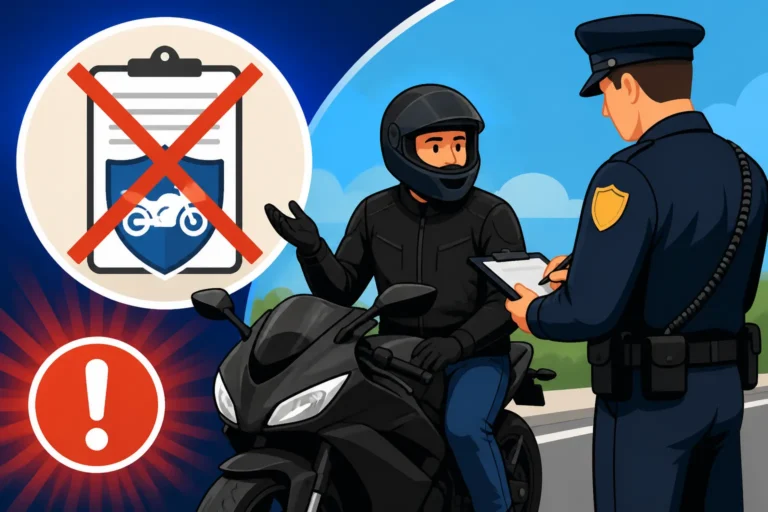
Riding without insurance in New Mexico isn't just a minor infraction; it carries significant legal and financial consequences. The state takes its financial responsibility laws seriously because the absence of insurance can leave accident victims in a terrible bind and can burden public services. You might think you'll never get caught, but all it takes is a routine traffic stop, an accident, or even a random MVD check, and you could be facing some serious trouble.
Penalties for Non-Compliance
The penalties for operating a motorcycle without the required liability insurance in New Mexico can be steep and can escalate with subsequent offenses. These aren't just slaps on the wrist; they can genuinely disrupt your life and cost you a lot of money.
Let's look at what you could be facing:
- Fines: For a first offense, you could face a fine of up to $300. If you're a repeat offender, that fine can jump to as much as $1,000. That's a lot of cash that could have gone towards protecting your bike and your wallet!
- License Suspension: This is often the penalty that hurts riders the most. Your driver's license (and by extension, your motorcycle endorsement) can be suspended for up to 90 days for a first offense. Imagine not being able to ride your bike for three months. For subsequent offenses, the suspension period can be even longer. Losing your riding privileges isn't just an inconvenience; it can affect your commute, your freedom, and your overall lifestyle.
- Vehicle Impoundment: In some cases, especially if you're pulled over without proof of insurance, your motorcycle could be impounded on the spot. This means towing fees, storage fees, and the hassle of getting your bike back, which usually requires showing proof of insurance and paying all the accumulated fees.
- SR-22 Requirement: If you're caught riding uninsured, you might be required to obtain an SR-22 certificate. This isn't insurance itself, but rather a document filed by your insurance company with the state, proving you have the minimum coverage. An SR-22 signals to insurers that you're considered a "high-risk" driver, which almost certainly means your insurance premiums will skyrocket, and it will be much harder to find affordable coverage. You can learn more about SR-22 for Motorcycles: When It's Required.
- Jail Time: While less common for a first offense of simply lacking insurance, repeated offenses or involvement in an accident without insurance could, in severe cases, even lead to jail time.
The legal penalties alone are reason enough to ensure you're always properly insured. It's simply not worth the risk.
The Real-World Risks Beyond Legal Fines
Beyond the explicit legal penalties, riding without motorcycle insurance in New Mexico exposes you to catastrophic financial risks that can last for years. This is where the true danger lies. An accident, even a minor one, can quickly turn into a financial nightmare.
Consider these scenarios:
- You're At-Fault in an Accident: Let's say you're riding through Santa Fe and accidentally cause an accident with another vehicle. The other driver's car sustains $15,000 in damages, and they incur $35,000 in medical bills for injuries. If you don't have insurance, you're personally responsible for that entire $50,000. The other party's insurance company will come after you directly for reimbursement. If you can't pay, they can sue you, garnish your wages, place liens on your property, and significantly damage your credit score. This could impact your ability to rent an apartment, get a loan, or even find certain jobs for years to come.
- Damage to Your Own Bike: What if you simply drop your bike in a parking lot, or it's stolen from outside your favorite coffee shop? Without comprehensive or collision coverage, you're on the hook for all repairs or replacement costs. Your beautiful Harley-Davidson could be a pile of twisted metal, and you'd have no financial recourse. This is especially painful if you still owe money on the bike.
- Uninsured/Underinsured Motorist Situations: Even if you're a perfect rider, you can't control everyone else on the road. What if an uninsured driver hits you? Your mandatory liability insurance only covers damages you cause to others. Without Uninsured & Underinsured Motorist Coverage (UM/UIM), you'd be left paying for your own medical bills, lost wages, and bike repairs out of your own pocket. This is a common and devastating scenario for many riders.
The peace of mind that comes with knowing you're protected, not just legally but financially, is priceless. Don't let the desire to save a few bucks on premiums put your entire financial future at risk. What happens if you get caught riding without insurance? It's a question no rider ever wants to answer from personal experience.
Types of Motorcycle Insurance Coverage to Consider in New Mexico
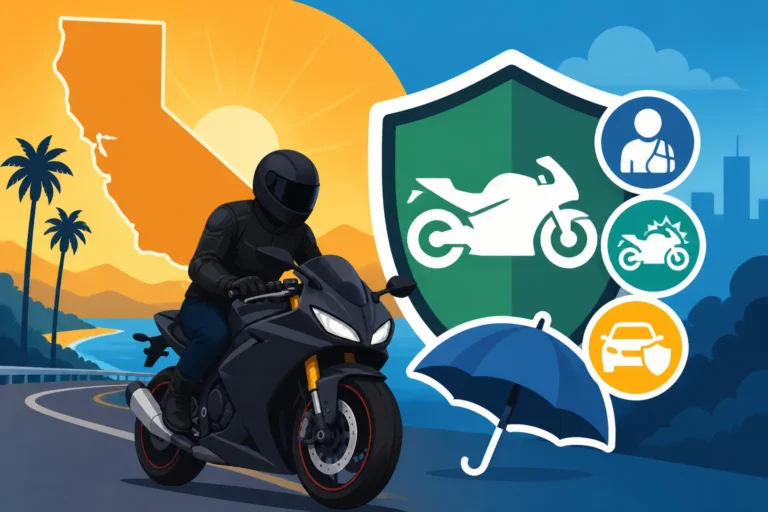
While New Mexico only mandates liability coverage, smart riders know that minimum coverage is rarely enough to truly protect themselves, their passengers, and their valuable motorcycles. The cost of medical care and vehicle repairs can quickly exceed those low state minimums, leaving you vulnerable to significant out-of-pocket expenses. Thinking beyond the basic liability is crucial for comprehensive protection. You might be interested in our guide on What Motorcycle Coverage Do You Actually Need?.
Beyond Liability: Protecting Yourself and Your Bike
Once you've got your mandatory liability covered, it's time to consider the additional layers of protection that can save you from financial ruin and heartache. These are the coverages that truly make a difference when things go wrong.
- Collision Coverage: This coverage pays for damages to your motorcycle resulting from a collision with another vehicle or object, regardless of who is at fault. Whether you hit a car, a tree, or even lay your bike down trying to avoid an obstacle, collision coverage helps pay for the repairs or replacement of your bike, minus your deductible. This is essential if you have a newer bike, a financed bike, or simply don't want to pay for expensive repairs out of pocket. For more on this, check out Collision vs Comprehensive Motorcycle Coverage.
- Comprehensive Coverage: Think of this as protection against non-collision incidents. Comprehensive coverage steps in for things like theft, vandalism, fire, natural disasters (hail, flood, wind), and even hitting an animal. If your bike is stolen from your garage in Albuquerque or vandalized while parked in Santa Fe, comprehensive coverage is what will help you recover. It's often highly recommended, especially given the unfortunate reality of motorcycle theft.
- Uninsured/Underinsured Motorist (UM/UIM) Coverage: This is arguably one of the most critical coverages you can add, especially as a motorcyclist. UM/UIM protects you if you're involved in an accident with a driver who either doesn't have insurance (uninsured) or doesn't have enough insurance to cover your damages (underinsured). This covers your medical bills, lost wages, and sometimes even pain and suffering. Given the number of uninsured drivers on the road, this coverage is a shield for your financial health.
- Medical Payments (MedPay) or Personal Injury Protection (PIP): New Mexico is not a "no-fault" state, so MedPay is the more common option here. MedPay covers medical expenses for you and your passengers, regardless of who caused the accident. This coverage kicks in quickly and can help cover deductibles and co-pays from your health insurance, or even your entire medical bill if you don't have health insurance, up to your policy limits. When you're on a motorcycle, even a minor incident can result in injuries, so this coverage can be a lifesaver.
Optional Add-Ons for Peace of Mind
Beyond the core coverages, many insurers offer additional options that can provide even greater peace of mind, especially for those who spend a lot of time on two wheels or have invested heavily in their bikes.
- Accessories & Custom Parts Coverage: Many riders pour a lot of money into customizing their bikes with aftermarket parts, chrome, custom paint jobs, or performance upgrades. Standard comprehensive and collision policies often have limited coverage for these additions. This add-on ensures that your custom parts and accessories are properly covered in case of damage or theft. Whether it's a Vance & Hines exhaust or a custom saddle, you'll want this. More on Accessories & Custom Parts Coverage Explained.
- Roadside Assistance & Towing: Picture this: You're on a scenic ride through the Gila National Forest, and suddenly you get a flat tire or your bike breaks down. Without roadside assistance, you're looking at a hefty towing bill. This add-on provides towing services, battery jump-starts, fuel delivery, and sometimes even flat tire changes, getting you back on the road or to a repair shop.
- Trip Interruption Coverage: For touring riders, this can be invaluable. If your motorcycle breaks down or is involved in an accident far from home, trip interruption coverage can help reimburse you for expenses like lodging, food, and alternative transportation while your bike is being repaired.
- New Bike Replacement Coverage: If your brand-new motorcycle is totaled within a certain timeframe (e.g., the first year or two) and mileage limit, this coverage will replace it with a brand new one of the same make and model, rather than just giving you the depreciated actual cash value. This can be a huge benefit for those who've just purchased a new ride.
- Gap Insurance: If you financed your motorcycle, especially recently, you might owe more on it than its actual cash value. If your bike is totaled, your standard collision coverage will only pay out the actual cash value, potentially leaving you with a "gap" between what the insurance pays and what you still owe the bank. Gap insurance covers that difference, ensuring you're not stuck making payments on a bike you no longer have.
Considering these additional coverages can transform your policy from a basic legal requirement into a robust safety net that protects both your motorcycle and your financial well-being.
Getting Your New Mexico Motorcycle Insurance Policy
Navigating the world of motorcycle insurance can seem a bit daunting, but securing a policy in New Mexico doesn't have to be. With a little bit of research and understanding, you can find the right coverage that fits your needs and budget. The goal is to get adequately protected without overpaying. Knowing what factors influence your rates and how to actively seek discounts can make a significant difference.
Factors Affecting Your Rates
Motorcycle insurance premiums aren't just pulled out of thin air. Insurance companies analyze a variety of factors to assess risk and determine your rate. Understanding these elements can help you understand your quote and even make choices that lead to lower premiums down the road.
Here are some of the key factors that influence your motorcycle insurance costs in New Mexico:
- Your Riding Record: This is a big one. A clean driving record with no accidents, tickets, or claims is your best friend when it comes to insurance rates. Conversely, a history of speeding tickets, at-fault accidents, or DUIs will almost certainly result in higher premiums. Insurers see these as indicators of higher risk.
- Your Age and Experience: Generally, younger, less experienced riders (especially those under 25) tend to pay higher rates because they are statistically more likely to be involved in accidents. As you gain more riding experience and age, your rates typically decrease, assuming your record remains clean. This is often why a "How Much Is Motorcycle Insurance for an 18 Year Old?" search can be quite disheartening.
- Type of Motorcycle: Not all bikes are created equal in the eyes of an insurer. Sport bikes, particularly high-performance models, usually have the highest premiums due to their higher theft rates, greater potential for speed-related accidents, and more expensive repair costs. Cruisers, touring bikes, and standard motorcycles often have lower rates. A classic Harley-Davidson might cost less to insure than a new Ducati Panigale. You can look into Motorcycle Insurance Cost by Bike Type for more insights.
- Location: Where you live in New Mexico can impact your rates. Riders in densely populated urban areas like Albuquerque or Las Cruces might pay more due to higher traffic congestion, higher theft rates, and more claims compared to those in rural areas.
- Coverage Limits and Deductibles: This is straightforward: the more coverage you choose (higher liability limits, adding comprehensive/collision), the higher your premium will be. Similarly, choosing a lower deductible means your insurer will pay more in the event of a claim, so your premiums will be higher. Opting for a higher deductible can reduce your premium, but means more out-of-pocket if you make a claim.
- Credit Score: In New Mexico, like many other states, your credit-based insurance score can affect your premiums. Insurers use these scores as a predictor of how likely you are to file a claim. Generally, a higher credit score can lead to lower insurance rates.
Smart Ways to Save on Your Policy
Nobody wants to pay more than they have to for insurance, and the good news is there are many ways to potentially lower your motorcycle insurance premium in New Mexico without sacrificing essential coverage. A little bit of proactive effort can lead to significant savings.
Here’s how you can keep those premiums manageable:
- Take a Motorcycle Safety Course: Completing a state-approved motorcycle safety course (like those offered by the New Mexico Motorcycle Safety Program) not only makes you a safer rider but can also qualify you for a discount of 10-15% or more with many insurance providers. Insurers love responsible riders. This is a highly recommended way to lower your rate, as discussed in Does a Motorcycle Safety Course Lower Insurance?.
- Bundle Your Policies: Many insurance companies offer discounts if you bundle multiple policies with them, such as your motorcycle, auto, and homeowners or renters insurance. This can be one of the easiest ways to secure a significant discount. It's always worth asking if Bundling Motorcycle and Auto Insurance: Worth It? for you.
- Multi-Bike Discount: If you're lucky enough to own more than one motorcycle, many insurers will give you a discount for insuring all of them on the same policy.
- Loyalty Discounts: Staying with the same insurance company for several years can sometimes earn you a loyalty discount.
- Good Rider/Driver Discounts: Beyond a clean record, some companies offer discounts for maintaining a certain number of years claim-free.
- Seasonal Lay-Up Coverage: If you store your bike for the winter (common in parts of New Mexico that get snow), some insurers allow you to reduce your coverage to comprehensive-only during those months. This means you’re still covered for theft, fire, or vandalism while stored, but you're not paying for liability or collision when you're not riding. This can save you a chunk of change, and you can learn more about Seasonal Lay-Up & Winter Storage Insurance.
- Organizational Discounts: Are you a member of a motorcycle club (like H.O.G. for Harley riders, or the AMA)? Some insurers offer discounts for members of specific riding organizations.
- Security Devices: Installing an alarm system or GPS tracking device on your motorcycle can sometimes earn you a discount, as it reduces the risk of theft.
- Shop Around: This is perhaps the most important tip. Don't just stick with the first quote you get. Different insurance companies have different pricing models and target markets. Get quotes from several providers like Progressive, Geico, Dairyland, and Markel. You might be surprised at how much rates can vary for the exact same coverage. It is good practice to How to Compare Motorcycle Insurance Quotes every year or two.
By taking advantage of these strategies, you can significantly reduce the cost of your motorcycle insurance in New Mexico while still ensuring you have the robust protection you need to enjoy the open road responsibly.
New Mexico Motorcycle Insurance Quick Reference
To help you keep track of the key requirements and common coverage options, here's a handy table summarizing New Mexico's motorcycle insurance landscape.
| Coverage Type | New Mexico Minimum Requirement | What It Covers | Why You Need It |
|---|---|---|---|
| Bodily Injury Liability (per person) | $25,000 | Injuries to one person in an accident you cause. | Legally required to ride on public roads. Protects your assets if you injure someone. |
| Bodily Injury Liability (per accident) | $50,000 | Total injuries to all people in an accident you cause. | Legally required. Protects against claims from multiple injured parties. |
| Property Damage Liability | $10,000 | Damage to someone else's property (e.g., car, fence) in an accident you cause. | Legally required. Covers costs for damage you inflict on others' property. |
| Recommended Additional Coverages | |||
| Collision Coverage | Optional | Damage to your own motorcycle from an accident, regardless of fault. | Essential for protecting your investment in your bike. |
| Comprehensive Coverage | Optional | Damage to your bike from non-collision events (theft, vandalism, fire, weather, animal strikes). | Protects against significant financial loss from events outside of riding accidents. |
| Uninsured/Underinsured Motorist (UM/UIM) | Optional | Your medical bills, lost wages, and bike damage if an uninsured or underinsured driver hits you. | Crucial protection given the number of uninsured drivers. Protects your financial well-being. |
| Medical Payments (MedPay) | Optional | Medical expenses for you and your passengers after an accident, regardless of fault. | Quick access to funds for medical care, covering deductibles and co-pays. |
| Accessories & Custom Parts | Optional | Covers aftermarket parts, custom paint, and other modifications. | Safeguards your investment in custom upgrades. |
| Roadside Assistance | Optional | Towing, jump-starts, fuel delivery, etc. if your bike breaks down. | Avoids high out-of-pocket costs for unexpected breakdowns or incidents away from home. |
Disclaimer
This article is for general informational purposes only and does not constitute professional advice. Laws, prices and regulations vary by location and change over time. Consult a qualified professional for guidance on your specific situation.