Do I Need Full Coverage if My Bike Is Paid Off?
It's a moment many riders dream of: making that final payment, the title in your hand, your motorcycle officially and unequivocally yours. You’ve paid it off! Congratulations, that's a huge milestone. But with that financial freedom comes a new question, one that often sparks a debate among riders: "Do I really need full coverage insurance on a bike that's completely paid off?" It’s a valid concern, especially when you're looking to save a few bucks, but dropping coverage without fully understanding the implications can lead to some truly heartbreaking financial consequences down the road. This guide is here to walk you through that tough decision, weighing the practicalities and pitfalls so you can make an informed choice that’s right for you and your beloved machine.
Understanding What "Full Coverage" Actually Means for Motorcycles
First things first, let's clear up a common misconception: "full coverage" isn't a single, all-encompassing policy you can buy off the shelf. It's actually a bundle of different coverages that, when combined, offer broad financial protection. When your bike was financed, your lender almost certainly required you to carry these specific coverages to protect their investment. Now that it’s paid off, you have more flexibility, but understanding what each component does is key to making smart choices.
Breaking Down the Components of Full Coverage
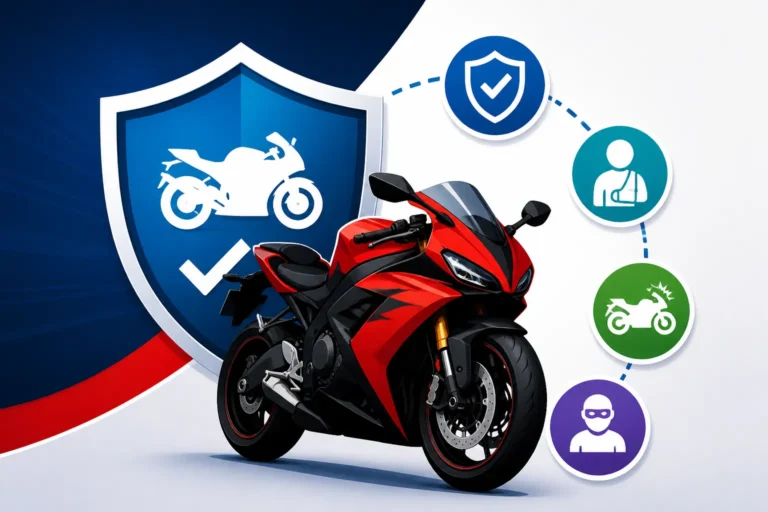
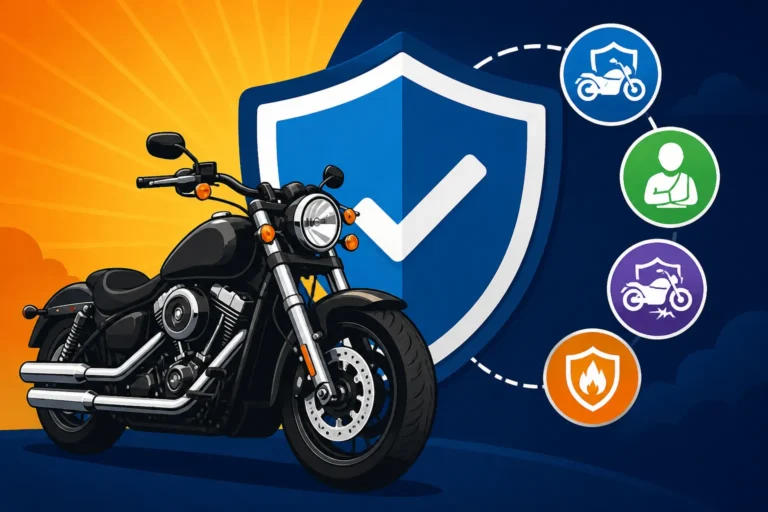
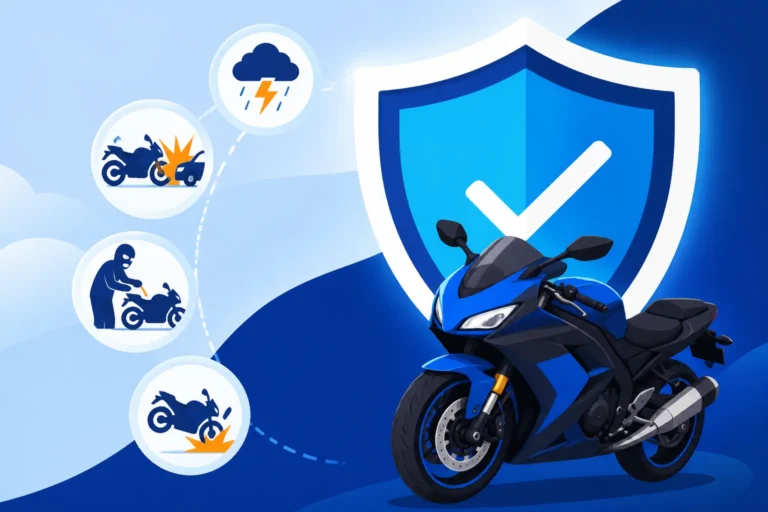
Think of "full coverage" as a protective shield built from several distinct layers. Each layer handles a different type of risk, and together, they form a comprehensive safety net. You can learn more about the various options in our guide on Types of Motorcycle Insurance Coverage Explained.
- Liability Coverage: This is the absolute bedrock of any motorcycle insurance policy, and in most states, it’s legally required. Liability Coverage for Motorcycles Explained covers damages and injuries you might cause to other people or their property if you're at fault in an accident. Imagine you misjudge a turn and clip a parked car, denting its fender and cracking a headlight. Your liability coverage would pay for those repairs. Or, if you cause a multi-vehicle pile-up and someone is seriously injured, this coverage is what protects your assets from a potentially devastating lawsuit. Without it, you’d be on the hook for everything out of your own pocket. This is not about protecting your bike; it’s about protecting your financial future from the consequences of an accident you cause.
- Collision Coverage: This is the part of your policy that steps up to the plate when your own motorcycle is damaged in a collision, regardless of who's at fault. Whether you hit another vehicle, crash into a guardrail, or even lay your bike down trying to avoid an obstacle, collision coverage helps pay for the repairs to your motorcycle. If you're on a spirited ride through the Blue Ridge Mountains and misjudge a curve, sending your bike skidding into a ditch, collision would be the coverage to get it fixed up or even replaced if it's totaled. It's designed to bring your bike back to its pre-accident condition, minus your deductible.
- Comprehensive Coverage: Often misunderstood, comprehensive coverage protects your motorcycle from pretty much everything except a collision with another vehicle or object. We’re talking about theft, vandalism, fire, flood, hail, falling objects (like a tree branch during a storm), and even animal strikes (hello, deer!). If you wake up one morning to find your prized Harley-Davidson Street Glide missing from your garage, or if a rogue shopping cart dings your tank in a parking lot, comprehensive coverage is your hero. This coverage is crucial because these incidents are often completely out of your control, and the costs to repair or replace can be substantial. For a deeper dive, check out What Is Comprehensive Motorcycle Insurance?
As you can see, the term "What Does Full Coverage Motorcycle Insurance Mean?" refers to this combination of liability, collision, and comprehensive, along with any other add-ons you've chosen.
The Difference Between Required and Optional Coverages
When you had a loan on your motorcycle, your lender dictated what coverages you had to carry. Typically, this meant liability, collision, and comprehensive. Why? Because they wanted to protect their asset – the bike itself – from damage or loss, ensuring they could recoup their money even if it was totaled.
Now that your bike is paid off, those lender-mandated requirements disappear. You're only legally obligated to carry the minimum liability insurance required by your state. For example, in Texas, the minimum liability is 30/60/25, meaning $30,000 for bodily injury per person, $60,000 for bodily injury per accident, and $25,000 for property damage. But just because you can drop collision and comprehensive doesn't necessarily mean you should. These coverages, while not legally required once the loan is gone, move into the "optional but highly recommended" category, depending heavily on your personal situation and the value of your motorcycle.
The Financial Equation: Weighing Risk vs. Reward for a Paid-Off Bike
So, your bike is paid off, and you're thinking about saving some money by cutting down on coverage. This is where you really need to sit down and do some honest math, weighing the cost of premiums against the potential financial hit of an incident. It's a delicate balance of risk versus reward.
Assessing the Value of Your Motorcycle
One of the biggest factors in deciding whether to keep full coverage is the actual value of your motorcycle. This isn't just about what you paid for it or what you think it's worth; it's about what an insurance company would pay out if it were totaled or stolen.
- Depreciation and Market Value: Most motorcycles, like cars, depreciate over time. A 2020 Honda CBR600RR that was worth $12,000 new will be worth significantly less five years later, even in pristine condition. Insurance companies typically pay out based on the actual cash value (ACV) of your bike at the time of loss, which accounts for depreciation. So, if your bike is an older model, perhaps 10-15 years old, and its market value has dropped significantly, paying high premiums for collision and comprehensive might not make financial sense compared to its replacement cost. If your 2008 Kawasaki Vulcan 900 is only worth $3,500 on the open market, and your annual full coverage premium is $800 with a $500 deductible, you're paying a substantial chunk of its value each year for coverage.
- Customizations and Aftermarket Parts: Ah, the heart and soul of many riders' machines! If you've invested thousands in custom paint, performance upgrades, chrome, or high-end saddlebags, you've got to consider how that impacts its value. Standard collision and comprehensive coverage might only cover the stock value of your bike. If you want those sweet Vance & Hines pipes, the custom fairing, or your top-of-the-line GPS system to be covered, you’ll need to add specific Accessories & Custom Parts Coverage Explained. This is an important distinction; if you drop collision and comprehensive, you're not just losing coverage for the bike itself, but potentially for all those expensive personal touches you've added.
- Vintage or Classic Bikes: Here's where the depreciation rule often gets flipped on its head. A truly classic or vintage motorcycle might actually appreciate in value. For these bikes, a standard ACV policy might severely undervalue your machine. In such cases, you might want to look into options like "agreed value" coverage, where you and the insurer agree on a specific value for the bike at the start of the policy. You can read more about how this works in Agreed Value vs Stated Value vs Actual Cash Value. This type of coverage is often critical for preserving the investment in a classic Harley-Davidson Knucklehead or a vintage Triumph Bonneville.
Your Personal Financial Situation and Risk Tolerance
Beyond the bike's value, your personal finances play a massive role in this decision.
- Ability to Self-Insure: Could you afford to replace your motorcycle entirely out of pocket if it were stolen or totaled tomorrow? What if you caused an accident and your bike, valued at $15,000, was completely destroyed? If you have a robust emergency fund set aside that could easily cover such a cost, then you have a higher capacity to "self-insure" for collision and comprehensive risks. For many riders, however, shelling out thousands for a new bike or major repairs isn't a realistic option.
- Comfort with Risk: How comfortable are you with the idea of losing your bike and not being reimbursed? Some riders are perfectly fine with the risk, especially if they have an older, lower-value bike that they could easily replace with a few grand. Others, especially those with newer, more expensive machines or a deep emotional attachment, would be devastated by the financial loss. Your risk tolerance is a very personal thing. For some, the peace of mind that comes with full coverage, knowing that a major financial setback won't follow an unfortunate incident, is well worth the premium.
- Debt and Other Financial Commitments: Even if your bike is paid off, you might have other significant debts or financial commitments. If an unexpected loss of your motorcycle would severely impact your ability to meet those other obligations, then maintaining full coverage becomes a much more sensible choice. It's not just about replacing the bike; it's about protecting your overall financial stability.
Scenarios Where Full Coverage Might Still Be a Smart Move (Even When Paid Off)
Even after your bike is paid off, there are compelling reasons to keep comprehensive and collision coverage. These aren't just for protecting a lender; they're for protecting you and your investment.
Protecting Against Theft, Vandalism, and Natural Disasters
Let's face it, motorcycles are often targets. They're relatively easy to steal, especially compared to a car, and unfortunately, vandalism can strike anywhere.
- The Ever-Present Threat of Theft: No matter how many locks, alarms, or tracking devices you have, motorcycle theft is a real and constant threat. According to national statistics, thousands of motorcycles are stolen every year. Imagine your beautifully restored Indian Chief, now paid off, vanishing from your driveway overnight. Without comprehensive coverage, you're out that entire investment. Does Motorcycle Insurance Cover Theft? is a question many riders ask after it happens, and the answer depends entirely on your comprehensive coverage. Even if you live in a low-crime area, the risk is never zero.
- Vandalism and Unforeseen Damage: It's infuriating, but bikes parked on the street or in public lots can be vandalized – scratched paint, slashed tires, broken mirrors. And then there are acts of nature: a sudden hailstorm, a tree falling during a strong wind, or even a garage fire. These events can inflict significant damage, and none of them involve a collision with another vehicle. If your Yamaha Tenere 700 is safely tucked away in your garage, but a pipe bursts and floods the area, damaging the electrical system, comprehensive coverage is what would save you from a massive repair bill.
- Animal Strikes: You're riding down a scenic highway, and suddenly, a deer darts out in front of you. Hitting an animal, while not a "collision" with another vehicle, can cause extensive damage to your bike and serious injury to you. Comprehensive coverage typically handles the damage to your motorcycle in such an event. Without it, you'd be looking at potentially thousands in repairs, from bent forks to cosmetic fixes.
Covering Damage to Your Own Bike in an Accident
Even the most seasoned and careful riders can find themselves in an accident. Sometimes it's their fault, sometimes it's someone else's, and sometimes it's just an unfortunate incident.
- Single-Vehicle Accidents: You're riding alone, hit some gravel you didn't see, and lay the bike down. Or maybe you misjudge a turn on a twisty road. There's no other vehicle involved, so liability won't help with your bike's damage. Collision coverage is precisely for these scenarios, paying for the repairs or replacement of your motorcycle. A low-speed tip-over might only result in minor cosmetic damage, but a slide-out at even moderate speed can bend forks, crack fairings, and destroy engine casings.
- At-Fault Accidents: If you're determined to be at fault in an accident, your liability coverage will handle the other party's damages and injuries. But what about your bike? That's where collision coverage steps in. Without it, you'd have to pay for your own motorcycle's repairs, which could easily run into thousands of dollars for a modern machine. This financial burden can be a double whammy: you're responsible for the other party and your own ride.
- Uninsured/Underinsured Motorists: This is a big one. What if an uninsured driver hits you and totals your paid-off motorcycle? Your uninsured motorist property damage coverage might help, but sometimes that's limited. Collision coverage, however, will pay for your bike's damage (minus your deductible), regardless of the other driver's insurance status. You can then try to pursue the at-fault driver for your deductible and any other losses, but your collision coverage provides that immediate financial relief. This makes collision coverage a vital part of protecting your investment against irresponsible drivers.
Safeguarding Custom Parts and Accessories
Many riders pour significant money and countless hours into customizing their motorcycles. From performance exhausts to custom paint jobs, touring packages to premium electronics, these modifications often far exceed the stock value of the bike.
- Protecting Your Investment: If you’ve invested thousands into making your bike truly unique – maybe a custom seat from Mustang, a high-performance exhaust system, or premium navigation from Garmin – standard motorcycle insurance might not cover these extras. Even if your bike is paid off and you decide to keep collision and comprehensive, you need to ensure you have specific Custom Parts Coverage on a Motorcycle? added to your policy. Without it, if your custom chopper is totaled, you might only get the value of a stock bike, leaving you to absorb the cost of all those beloved modifications.
- Peace of Mind for Your Unique Ride: For many, a custom motorcycle is more than just transportation; it's a reflection of their personality and a work of art. The peace of mind knowing that if something happens, your unique additions are covered can be invaluable. It ensures that if the worst happens, you won't just be replacing a stock bike, but rebuilding your bike.
When You Might Consider Reducing Your Coverage (But Be Careful!)
While the benefits of full coverage are clear, there are indeed situations where scaling back might be a reasonable consideration, primarily driven by a desire to reduce your monthly or annual premiums. However, this decision should always be made with eyes wide open to the potential risks involved.
The Case for Liability-Only Coverage
If you decide to drop collision and comprehensive coverage, you're essentially opting for a "liability-only" policy, which means you're only covered for damages you cause to others. This is the minimum legal requirement in most states.
- When It Might Make Sense:
- Low-Value Motorcycles: If your bike is an older model, has high mileage, or its market value is very low (e.g., a 1990s Suzuki GS500 that you could replace for a couple of thousand dollars), then the cost of full coverage might outweigh the potential payout. For instance, if comprehensive and collision cost you $400 a year, and your bike is only worth $2,500, it would take just over six years of premiums to equal its value, even before considering deductibles. In such cases, if you have the financial means to replace it if something happens, liability-only could be a cost-saving option.
- Strong Financial Buffer: As discussed earlier, if you have a significant amount of savings and can comfortably absorb the cost of repairing or replacing your bike out of pocket (even an expensive one), then paying for collision and comprehensive might seem redundant. You're effectively self-insuring for these risks.
- Rarely Ridden Bikes / Stored Bikes: If your motorcycle spends most of its life in a secure garage and is only ridden a few times a year, the risk exposure to collision might be lower. However, comprehensive coverage would still be important to protect against theft, fire, or vandalism while stored. For bikes primarily stored, you might look into Do You Need Insurance to Store a Motorcycle?.
- What It Doesn't Cover: It's absolutely crucial to understand the vast gaps in protection when you go liability-only. Your policy will not pay for:
- Damage to your motorcycle from an accident, regardless of fault.
- Theft of your motorcycle.
- Vandalism or damage from falling objects, fire, flood, or animal strikes.
- Your own medical expenses (unless you've specifically added MedPay or Personal Injury Protection, which are separate coverages).
- Roadside assistance or towing (unless added separately).
This means if you have an accident, even if it's not your fault, you're solely responsible for your bike's repairs. If it's stolen, you're buying a new one entirely out of pocket. This can be a very tough pill to swallow if an incident occurs.
The Risks of Dropping Comprehensive or Collision
Dropping either of these coverages individually, or both, introduces significant financial risk. It's not about being a bad driver; it's about the unpredictable nature of the road and life.
- Collision-Only Risk: If you keep comprehensive but drop collision, you're covered for theft, fire, etc., but if you crash your bike into a car or a tree, you're on your own for repairs. This is a common mistake when trying to save money, assuming you'll always avoid accidents. But what if another driver swerves into your lane, you swerve to avoid them, and end up hitting a ditch? Collision covers that.
- Comprehensive-Only Risk: If you drop comprehensive but keep collision, you're covered if you get into an accident, but not if your bike is stolen, vandalized, or damaged by a storm. Theft alone is a huge reason many riders keep comprehensive, even on older bikes. Motorcycle theft is a rampant issue in many urban areas, and losing your bike without comprehensive coverage can be a devastating financial blow.
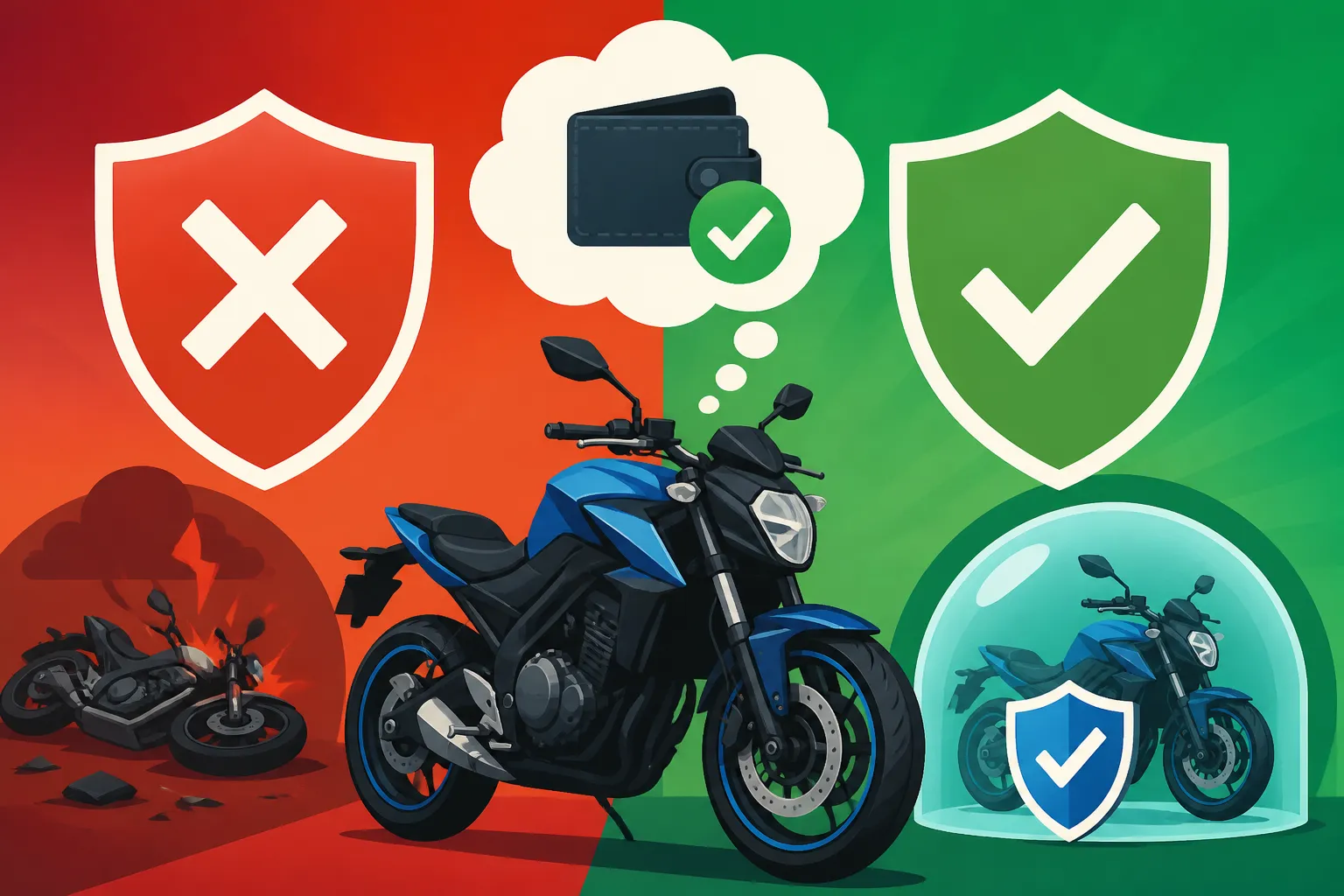
- The "What If" Scenario: Imagine you have a beautifully maintained, paid-off Honda Gold Wing. You decide to drop full coverage to save $500 a year. Three months later, you're involved in an accident where an uninsured motorist blows a stop sign and totals your bike. Because you dropped collision, you're now left with no motorcycle and no insurance payout to replace it. Or, perhaps your bike is stolen from your garage. No comprehensive means no reimbursement. These "what if" scenarios are precisely why insurance exists – to transfer that financial risk away from you.
Before making any changes, it’s always wise to understand What Affects Your Motorcycle Insurance Rate? so you can truly evaluate the savings versus the risks.
Practical Steps to Re-Evaluate Your Motorcycle Insurance
The decision of whether to keep full coverage on your paid-off motorcycle isn't a "one size fits all" answer. It requires a thoughtful assessment of your specific circumstances.
Get Multiple Quotes and Compare Options
This is perhaps the most crucial step. Don't just assume what you're paying now is the best you can get, or that dropping coverage is your only path to savings.
- Shop Around, Seriously: Insurance rates can vary wildly between providers. What one company charges for comprehensive coverage on your bike might be significantly different from another. Take the time to shop around, especially now that your bike is paid off and your needs might have changed. Companies like Progressive, Geico, Dairyland, and Markel are all major players in the motorcycle insurance world, but don't limit yourself. Getting quotes from several different providers is the best way to ensure you're getting a competitive rate.
- Use Comparison Tools: Online comparison tools, like those offered by The Zebra, can be incredibly helpful here. Instead of going to each insurer's website individually, you can input your information once and get multiple quotes back, side-by-side. This makes comparing options, understanding different pricing structures, and seeing where you can save a breeze. The Zebra allows you to compare various coverage levels and deductibles quickly, giving you a clear picture of how much you could save by adjusting your policy, or how much more it would cost to maintain robust protection.
- Consider Bundling: Many insurers offer discounts if you bundle your motorcycle insurance with your auto, home, or renters insurance. This could potentially make keeping full coverage on your motorcycle more affordable than you think. In some cases, the savings from bundling could offset a significant portion of your motorcycle's comprehensive and collision premiums. Learn more about if you Should You Bundle Motorcycle Insurance?
- Adjust Deductibles: A higher deductible (the amount you pay out of pocket before insurance kicks in) will almost always lower your premium. If you have a decent emergency fund, raising your deductible from, say, $500 to $1,000 could lead to noticeable savings, making full coverage more palatable. Just make sure you can comfortably afford your chosen deductible if you ever need to file a claim. This is a smart way to find a balance between premium cost and out-of-pocket exposure. Our guide on How to Get Cheap Motorcycle Insurance has more ideas for saving money.
Here's a simplified example of how adjusting coverage and deductibles might impact your annual premium:
| Coverage Level | Collision Deductible | Comprehensive Deductible | Estimated Annual Premium (Example) | What It Covers (Beyond Liability) |
|---|---|---|---|---|
| Full Coverage | $500 | $500 | $1,000 | Accident damage to your bike, theft, vandalism, weather, animal strikes |
| Full Coverage (Higher Deductible) | $1,000 | $1,000 | $800 | Same as above, but you pay more out-of-pocket first |
| Liability + Comprehensive Only | N/A | $500 | $600 | Theft, vandalism, weather, animal strikes (NO accident damage to your bike) |
| Liability Only | N/A | N/A | $300 | ONLY damages/injuries YOU cause to others |
(Note: These are illustrative figures and actual costs will vary based on bike, rider, location, and insurer.)
Review Your Policy Regularly
Your insurance needs aren't static; they evolve over time. Life changes, your financial situation fluctuates, and even the value of your bike changes.
- Annual Check-Ups: Make it a habit to review your motorcycle insurance policy at least once a year, or whenever you have a significant life event (like moving, getting married, or buying another vehicle). This is a perfect opportunity to reassess your coverage needs against your current circumstances.
- Adjust for Bike Changes: Have you added significant new custom parts? Has your vintage bike's value skyrocketed? Make sure your policy reflects these changes, especially your Accessories & Custom Parts Coverage Explained. Conversely, if your bike is getting older and its value is steadily declining, you might consider adjusting your collision and comprehensive deductibles or even dropping them if the market value no longer justifies the premium.
- Stay Informed: The insurance landscape can change, with new discounts or coverage options becoming available. Staying informed helps you continuously optimize your policy for both protection and cost. Utilizing tools like The Zebra again can quickly show you how your rates compare to the market as often as you like, ensuring you’re always getting a fair deal for the coverage you choose.
Disclaimer
This article is for general informational purposes only and does not constitute professional advice. Laws, prices and regulations vary by location and change over time. Consult a qualified professional for guidance on your specific situation.