Does Motorcycle Insurance Cover a Cracked Frame?
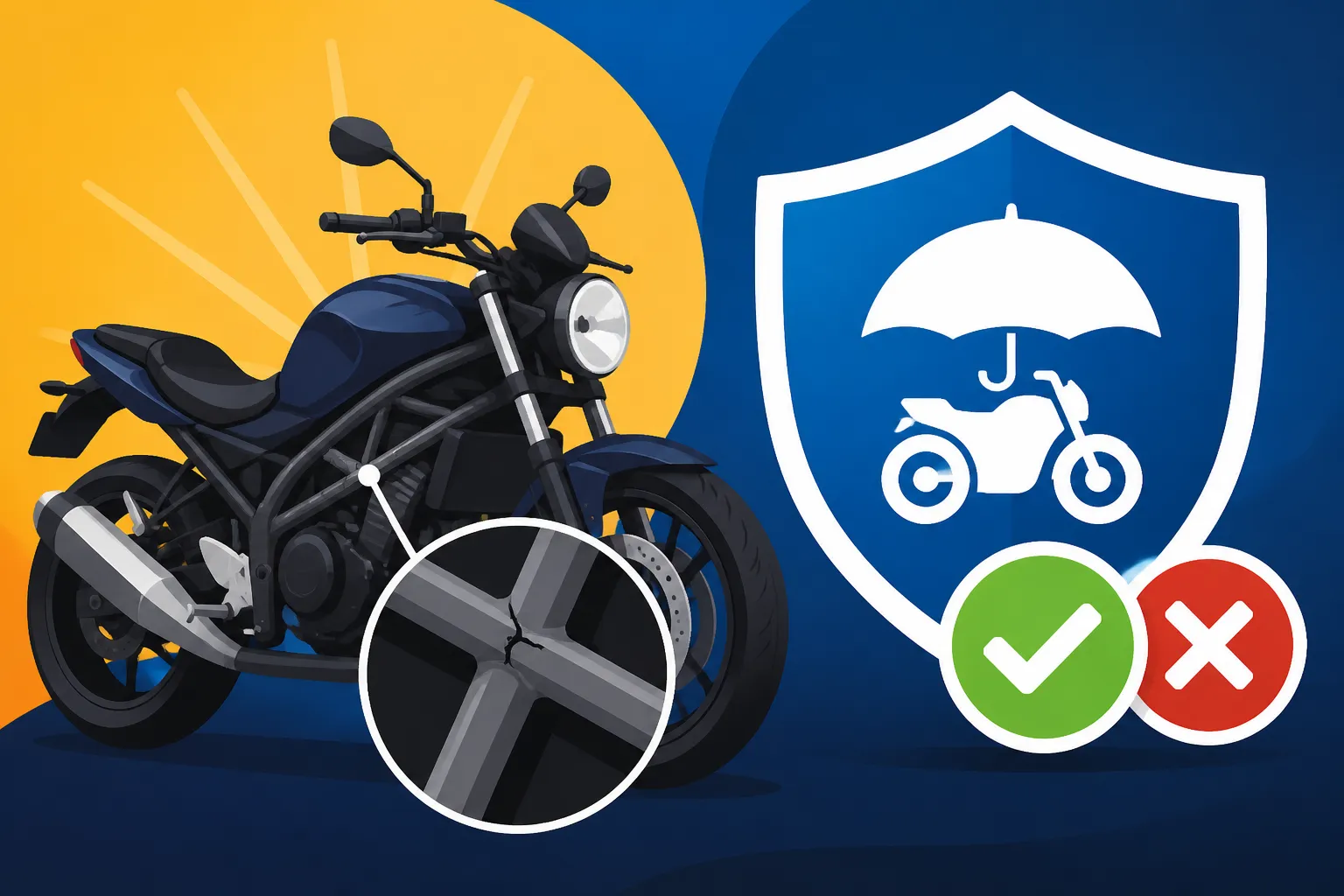
Finding your motorcycle's frame cracked is one of those gut-wrenching moments every rider dreads. It’s not just a dent or a scratch; it’s structural damage that compromises the integrity and safety of your ride. Immediately, your mind races: Is my bike totaled? Can it even be fixed? And perhaps the biggest question of all for your wallet: Does motorcycle insurance cover a cracked frame? This guide is here to help you navigate this unsettling situation and understand exactly what your policy might cover.
Understanding Your Motorcycle's Frame and Potential Damage
A motorcycle's frame is its backbone, the very foundation everything else bolts onto. It’s designed to withstand immense stress, provide stability, and protect critical components. When this vital part is compromised with a crack, it's serious business. The type and location of the crack, as well as its cause, are all crucial factors that your insurance company will consider.
Why a Cracked Frame is Such a Major Concern
Unlike a scratched fender or a bent lever, a cracked frame can lead to catastrophic failure. It affects handling, stability, and ultimately, your safety. Even a hairline fracture can propagate over time, weakening the structure until it gives way, potentially at high speed. This isn't a repair you can skimp on; it often requires specialized welding, frame straightening, or even a complete frame replacement, which can be incredibly expensive and sometimes even lead to your bike being deemed a total loss. Insurance adjusters will look at the type of damage and the cost of repair versus the bike's actual cash value very closely.
Common Causes of Frame Damage
Cracked frames don't usually just appear out of nowhere. They're typically the result of significant impact or prolonged stress. The most common culprit is an accident, whether it's a high-speed collision with another vehicle or even a seemingly minor low-side spill that transfers unusual stress to the frame. Potholes, road debris, or even dropping your bike in a parking lot at an awkward angle can, in some rare cases, induce enough stress to cause a crack. In other instances, vandalism, like an attempted theft that involves forcing components, can also damage the frame.
The Role of Collision Coverage in Frame Repair
When it comes to physical damage to your motorcycle, collision coverage is often your first line of defense, and it's typically the coverage that will respond to a cracked frame if it occurred due to an impact. This type of coverage is specifically designed to pay for damage to your own motorcycle if you collide with another vehicle or object, regardless of who is at fault.
How Collision Coverage Applies to Frame Cracks
Let's say you're riding down a busy street, and a car suddenly merges into your lane, clipping your front wheel and sending you to the pavement. Even if you manage to avoid serious personal injury, your motorcycle could suffer significant damage, including a cracked frame. In this scenario, your collision coverage would kick in to cover the costs of repairing or replacing your frame, after you pay your deductible. The same applies if you accidentally hit a guardrail, swerve to miss an animal and strike a curb, or even if you lay your bike down to avoid a more severe crash. The key is that the damage must stem from an actual impact or rollover incident. You can learn more about What Is Collision Coverage on a Motorcycle? to understand its full scope.
The Impact of Deductibles and Total Loss Designations
Before your insurance pays out, you'll need to satisfy your deductible. For instance, if your deductible is $500 and the frame repair costs $3,000, your insurer would pay $2,500. However, frame repairs are notoriously expensive. If the cost to repair the cracked frame, combined with other damage from the incident, exceeds a certain percentage of your motorcycle's actual cash value (ACV), your insurer might declare it a total loss. This threshold varies by state and insurer, but for a major structural issue like a cracked frame, it's a very real possibility. In such cases, your insurer would pay you the ACV of your motorcycle, minus your deductible, and take possession of the salvage. Understanding What Happens When Your Motorcycle Is Totaled? is crucial if you face such a situation.
Comprehensive Coverage and Other Scenarios
While collision coverage handles most accident-related frame damage, comprehensive coverage steps in for incidents that aren't collision-related but still cause physical damage to your bike's frame. It's an important piece of the puzzle, especially for the unexpected.
When Comprehensive Coverage Might Cover Frame Damage
Comprehensive coverage is designed for "other than collision" events. Think about scenarios like theft, vandalism, fire, or even natural disasters. Imagine your motorcycle is parked, and someone tries to hotwire it or steal a part, causing structural damage to the frame in the process. Or perhaps a tree branch falls on your bike during a storm, cracking the frame. In these cases, your comprehensive coverage would typically respond. Similarly, if your bike is damaged by an animal strike, like hitting a deer on a back road, the resulting frame damage would also fall under comprehensive coverage. You can dive deeper into What Is Comprehensive Motorcycle Insurance? for a complete picture of what it protects against.
Less Common Causes and Coverage Limitations
It's less common, but frame damage could also occur from things like a garage fire or even severe weather conditions if your bike is left exposed. However, it's important to remember that comprehensive coverage, like all insurance, has its limits. It generally won't cover damage that arises from mechanical failure, wear and tear, or manufacturing defects. If a crack develops over time due to metal fatigue rather than a sudden, identifiable event, your insurance policy likely won't cover it. Always be transparent about the cause of the damage when filing a claim to avoid any complications.
When Your Policy Might Not Cover a Cracked Frame
While comprehensive and collision coverages are robust, there are specific situations where your motorcycle insurance might not cover a cracked frame. Knowing these limitations beforehand can save you a lot of heartache and financial stress.
Lacking the Right Coverage
This is perhaps the most straightforward reason for denial: if you only carry liability insurance, your policy will not pay for any damage to your own motorcycle, including a cracked frame. Liability coverage is designed to cover damages you cause to other people or their property in an accident, not your own bike. For physical damage, you absolutely need either collision, comprehensive, or both, which are often grouped together as part of what people commonly refer to as What Does Full Coverage Motorcycle Insurance Mean?. If you’re just carrying the minimum liability required by your state, a cracked frame will be a 100% out-of-pocket expense.
Exclusions and Policy Specifics
Every insurance policy has exclusions. For instance, damage resulting from racing or off-road use might not be covered if your policy doesn't have specific endorsements for these activities. Additionally, if you've made significant modifications to your motorcycle's frame or structural components without informing your insurer, and these modifications contributed to the crack, your claim could be denied or the payout reduced. Some policies also have specific rules around "actual cash value" versus "agreed value" or "stated value," which greatly impacts your payout, especially for custom bikes. Learning about Agreed Value vs Stated Value vs Actual Cash Value can clarify this for you. Comparing policies with tools like The Zebra can help ensure you don't miss these critical details.
Wear and Tear or Neglect
Insurance policies are designed to cover sudden, accidental losses, not maintenance issues or problems arising from neglect. If an adjuster determines that the frame crack is a result of long-term wear and tear, rust, or a pre-existing condition that wasn't properly addressed, your claim will likely be denied. For example, if your bike has been sitting outside exposed to the elements for years and develops frame rust that leads to a crack, that would fall under wear and tear. It's essential to keep up with regular maintenance and address any small issues before they escalate into major problems. Your best bet is to review your policy documents thoroughly or chat with your agent to understand any specific exclusions that might apply.
Navigating the Claims Process for Frame Damage
Filing an insurance claim, especially for something as serious as a cracked frame, can feel daunting. But knowing the steps can make the process smoother and increase your chances of a successful outcome.
Immediate Steps After Discovery
The moment you discover frame damage, whether after an accident or some other incident, your first priority is safety. Do not ride the motorcycle if its frame is compromised. Document everything. Take clear, detailed photos and videos of the crack itself, the surrounding area, and any other damage to the motorcycle. Note the date, time, and circumstances under which the damage occurred. If it was an accident, gather police reports and contact information for any witnesses or other parties involved. The more information you can provide upfront, the better your claim will likely be processed. You'll want to review How to File a Motorcycle Insurance Claim for specific guidance.
Working with Your Insurance Company
Contact your insurance provider as soon as possible to report the damage. Be honest and thorough in explaining what happened. Your insurer will assign an adjuster to assess the damage. This individual will inspect your motorcycle, often requesting it be moved to a qualified repair shop for a more detailed examination. They will determine the cause of the crack and estimate the repair costs. During this process, you may want to compare your policy details on platforms like The Zebra to ensure you understand all your coverage options and limits. It's a good time to double-check that you have things like Accessories & Custom Parts Coverage Explained if your bike has modifications, as frame work often affects these.
Repair or Total Loss Determination
Based on the adjuster's assessment, your insurer will decide whether to cover the repair or declare your motorcycle a total loss. As mentioned, frame repair is complex and can be expensive. If the repair costs, plus salvage value, exceed the bike's actual cash value, it will likely be totaled. If your bike is declared a total loss, the insurance company will typically offer you a settlement based on its market value, minus your deductible. If it's repairable, they will authorize the repairs at an approved facility. Throughout this process, it's wise to stay in regular communication with your adjuster and the repair shop to track progress and ask any questions you have.
Key Considerations for Protecting Your Investment
Ensuring your motorcycle is properly protected isn't just about meeting state minimums; it's about safeguarding your passion and investment. A cracked frame is a stark reminder of how quickly things can go wrong.
Choosing the Right Coverage
When shopping for motorcycle insurance, don't just focus on the lowest premium. Think about what truly matters to you. If your bike is new, expensive, or a cherished custom build, you absolutely need robust physical damage coverage—meaning both collision and comprehensive. These coverages are what will protect your financial interest in the event of a cracked frame or other major damage. It's also worth considering additional coverages like roadside assistance, which can be a lifesaver if your bike becomes inoperable due to a crack while you're far from home. Tools like The Zebra can help you compare different policies and coverage levels from various providers to find the best fit for your riding style and bike type. You can learn more about What Motorcycle Coverage Do You Actually Need? to tailor your policy.
The Value of Regular Inspections and Maintenance
Preventative care can sometimes catch issues before they become catastrophic. Regularly inspect your motorcycle's frame, especially after any minor bumps or drops, for signs of stress, cracks, or unusual rust. Proper maintenance, including regular cleaning and inspection, can help identify potential weaknesses early on. While insurance won't cover wear and tear, proactively addressing small problems can prevent them from escalating into uninsured frame damage. Remember, insurance is for unexpected accidents, not for neglecting your machine.
Reviewing and Updating Your Policy
Life changes, and so should your insurance. Did you get a new, more powerful bike? Did you add expensive custom parts that could be affected by frame damage? Have you moved to an area with higher theft rates? These factors can influence the type and amount of coverage you need. Periodically reviewing your policy, perhaps once a year or whenever a significant life event occurs, ensures you're always adequately covered. Websites like The Zebra make it easy to get fresh quotes and compare what's available, so you can adjust your policy to match your current needs and What Affects Your Motorcycle Insurance Rate?. This proactive approach can ensure that if a cracked frame ever becomes your reality, you have the financial backing you need to either repair or replace your beloved ride.
| Scenario | Type of Damage | Likely Coverage | Notes |
|---|---|---|---|
| Accident (collision with car, object) | Cracked Frame | Collision | Covers damage from impacts; deductibles apply. Might lead to total loss if repair cost exceeds ACV. |
| Dropped bike, low-speed tip-over | Cracked Frame | Collision | Even minor drops can sometimes stress frames; depends on impact severity. |
| Vandalism (attempted theft, damage) | Cracked Frame | Comprehensive | Covers damage from malicious acts; deductibles apply. |
| Natural Disaster (falling tree, flood) | Cracked Frame | Comprehensive | Covers damage from storms, fire, animal strikes. |
| Pothole/Road Hazard (single bike) | Cracked Frame | Collision | Damage caused by hitting road imperfections is typically collision. |
| Wear & Tear / Manufacturing Defect | Cracked Frame | Not Covered by Insurance | Insurance covers accidental damage, not gradual deterioration or factory flaws. |
| Only Liability Insurance | Cracked Frame | Not Covered by Insurance | Liability only covers damages to other parties, not your own motorcycle. |
Disclaimer
Please remember that this information is for general guidance only. Every insurance policy is a legal contract, and the specifics of your coverage, exclusions, and deductibles are determined by your individual policy document. It is always recommended to consult directly with your insurance provider or a qualified agent to understand the precise terms and conditions of your motorcycle insurance policy regarding frame damage or any other claim.