What Is Collision Coverage on a Motorcycle?
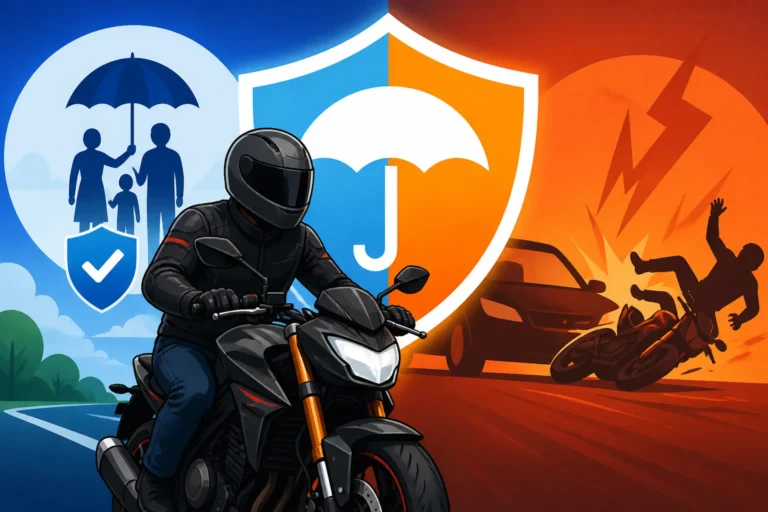
It's a common fear for any rider: that split second when something goes wrong, and you find yourself picking up your beloved bike from the asphalt, often without another vehicle even involved. The immediate thought is usually, "Oh no, what's this going to cost me?" This is where understanding collision coverage for your motorcycle becomes absolutely critical, as it's the specific type of insurance designed to protect your wallet when your bike takes a tumble. This guide will meticulously break down what collision coverage is, how it works, and why it might be the peace of mind you need on two wheels.
Demystifying Collision Coverage: Beyond the Basics
Let's cut through the jargon and get to the heart of what collision coverage actually means for a motorcyclist. It's often misunderstood, especially when compared to other types of insurance like liability or comprehensive. But once you grasp its core function, it becomes clear why it's such a vital component of a robust insurance plan.
What Exactly is Collision Coverage?
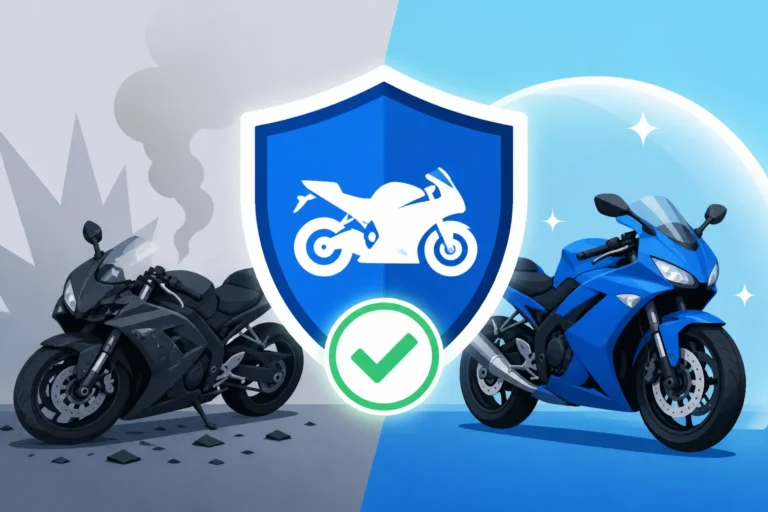
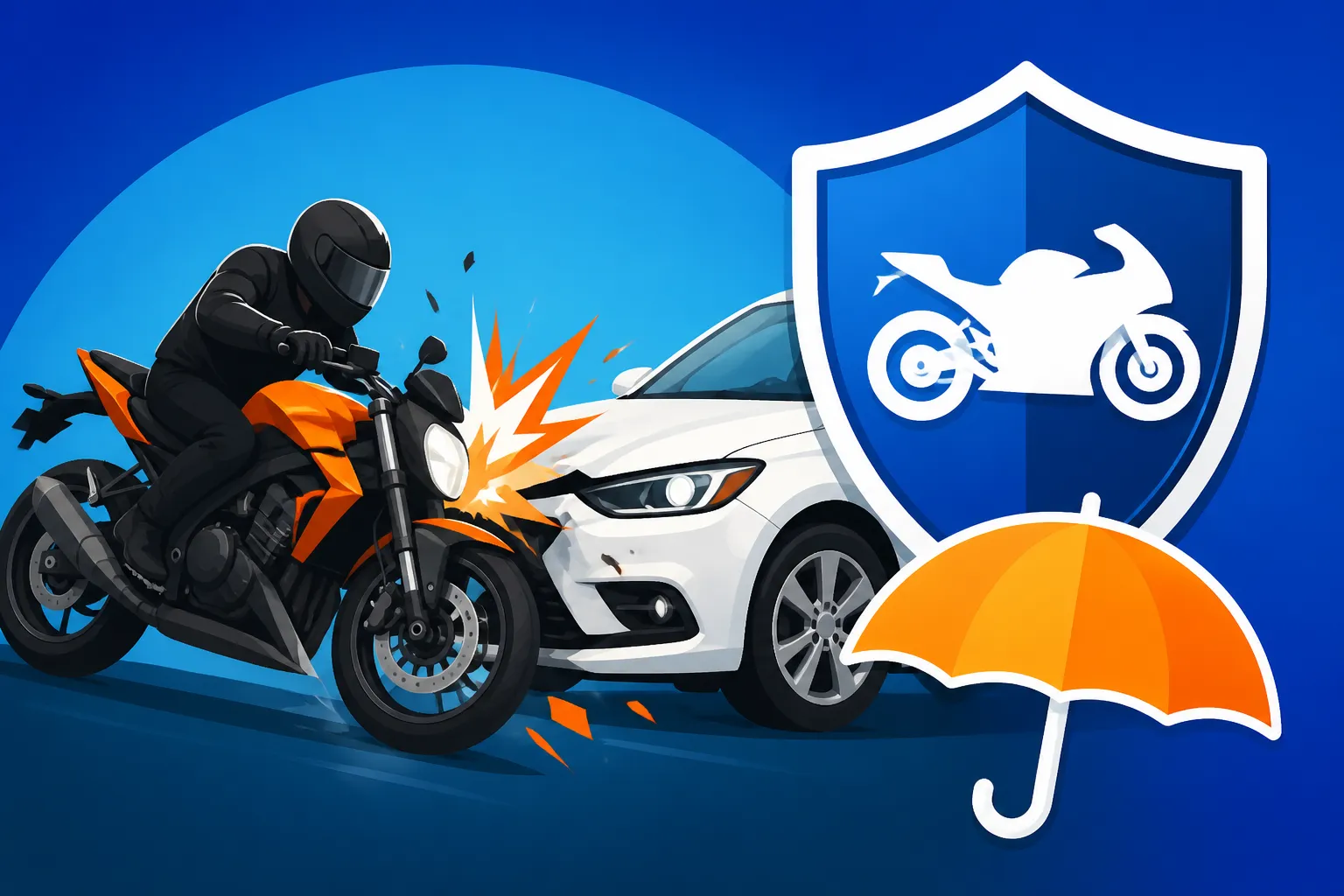
Simply put, collision coverage is the part of your motorcycle insurance policy that pays to repair or replace your motorcycle if it's damaged in an accident involving another vehicle or an object, regardless of who is at fault. This means if you collide with a car, a tree, a guardrail, or even if you drop your bike in a parking lot, collision coverage is there to help cover the costs. Think of it as protection for your bike, specifically for those moments when it collides with something. It's not about covering the other guy's vehicle or injuries; it's solely focused on your ride.
For instance, imagine you're navigating a tricky turn and misjudge the angle, causing your front wheel to clip the curb and send your bike sliding. The damage to your fairings, handlebars, and perhaps a bent rim would be covered under your collision policy. Or, if you're in heavy traffic and another driver makes an unexpected stop, leading to a low-speed fender bender where you rear-end them, your collision coverage would pay for the damages to your motorcycle, even though you might be deemed at fault. It’s about protecting your investment in the face of the unpredictable realities of riding.
Why Riders Need Collision Coverage
The road is an unpredictable place, and as riders, we're keenly aware of the risks. While we hope for smooth sailing, accidents happen, and motorcycles, unfortunately, can sustain significant damage even in minor incidents. The cost of repairing a motorcycle can be shockingly high, especially for modern bikes with complex electronics and specialized components. A broken fairing, a bent fork, or a damaged engine casing can easily run into thousands of dollars in repair bills.
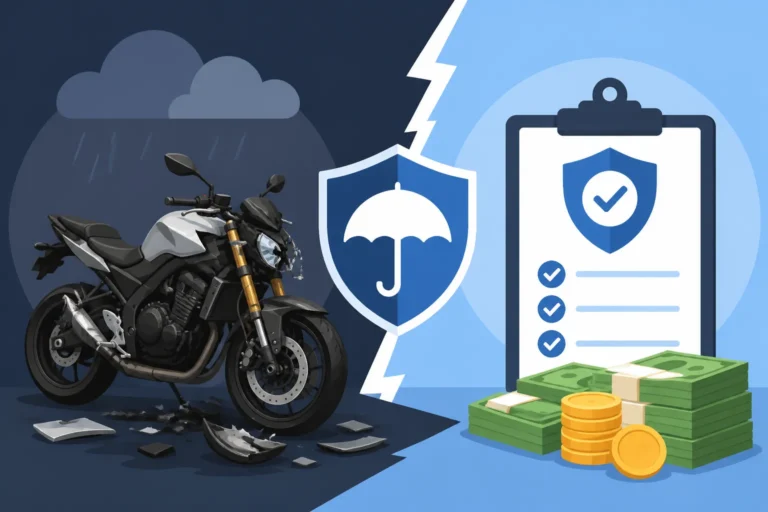
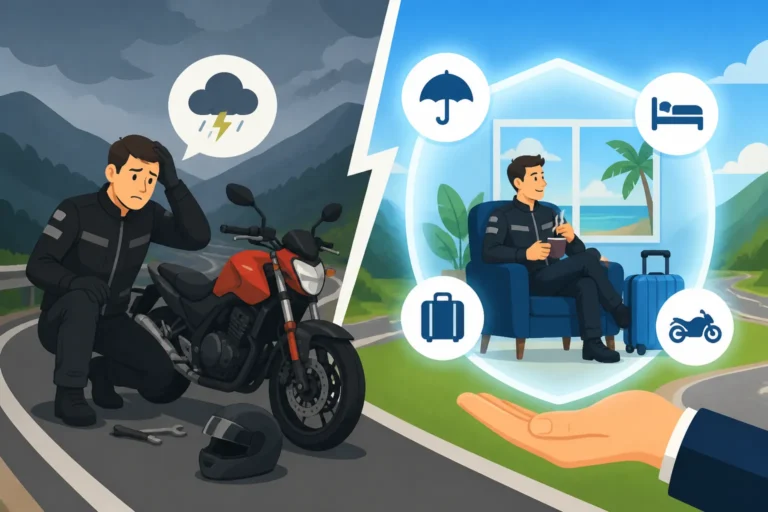
Without collision coverage, any damage to your motorcycle from an accident would come directly out of your pocket. This could mean draining your savings, going into debt, or worse, being unable to repair your bike and losing your mode of transportation and passion. For many riders, especially those with newer or more expensive bikes, the financial risk of not having collision coverage is simply too great. It provides a financial safety net, ensuring that a single misstep or unfortunate incident doesn't lead to a catastrophic financial burden. It allows you to get back on the road sooner, with less stress and without depleting your emergency funds.
The Legal Landscape: Is it Required?
Here's where things get a little nuanced. Unlike liability insurance, which is almost universally required by law in most states, collision coverage is typically not mandated by state regulations. For example, while many states require you to carry Motorcycle Insurance Requirements by State (2026 Guide), this often refers to liability. So, if you own your motorcycle outright and have no outstanding loans, you generally have the choice of whether or not to carry collision coverage.
However, the situation changes dramatically if your motorcycle is financed or leased. Lenders and leasing companies want to protect their investment, and your motorcycle serves as collateral for your loan. As such, they almost always require you to carry full coverage insurance, which includes both collision and comprehensive coverage, until the loan is fully paid off. This is a non-negotiable term in most financing agreements. Failing to maintain this required coverage could lead to the lender purchasing an expensive "force-placed" policy for you, or even repossessing the bike. So, while the state might not demand it, your bank likely will. Always check your loan documents to understand your specific obligations regarding Motorcycle Insurance Requirements for Financed Bikes.
How Collision Coverage Works in Real-World Scenarios
Understanding the definition is one thing, but seeing how collision coverage plays out in different real-world scenarios really highlights its value. It's not just for multi-vehicle pile-ups; it's a versatile protection that covers a surprising array of common riding mishaps.
Single-Vehicle Accidents
Let's talk about the dreaded "oops" moment when you're the only one involved. Maybe you hit a patch of gravel you didn't see, swerve to avoid a deer, or misjudge a turn on a mountain road. In these single-vehicle accidents, where no other car or rider is directly involved, your collision coverage steps up to pay for the damage to your motorcycle. It doesn't matter if it was entirely your fault or just an unfortunate circumstance of the road.
Consider a scenario where you're riding through a scenic route in rural Pennsylvania, and suddenly, a deer darts out. You brake hard, lay the bike down to avoid a direct hit, and your beautiful Harley-Davidson slides into a ditch. Your collision coverage would be instrumental in getting your bike repaired, covering the costs for new parts, labor, and paintwork, minus your deductible. Without it, the repairs could easily cost several thousand dollars, turning a joyful ride into a massive financial headache. This coverage also protects you from everyday misfortunes, like backing out of your garage and scraping your exhaust against a pillar.
Multi-Vehicle Collisions
In a multi-vehicle collision, collision coverage works slightly differently depending on who is found at fault. If you are determined to be at fault for an accident—say, you misjudged a lane change and clipped a car—your collision coverage will pay for the damage to your motorcycle. The other driver's damages would typically be covered by your liability insurance. This distinction is crucial because without collision coverage, even if you have liability, you'd still be on the hook for your own bike's repairs.
Now, if another driver is at fault for the accident, their property damage liability insurance should ideally cover the repairs to your motorcycle. However, sometimes their insurance might be slow to respond, dispute fault, or offer an unsatisfactory settlement. In such cases, you can still file a claim under your own collision coverage. Your insurer would pay for the repairs (minus your deductible) and then pursue reimbursement from the at-fault driver's insurance company—a process called subrogation. Once they recover the money, your deductible would typically be returned to you. This provides a faster, less stressful route to getting your bike fixed, rather than waiting for another insurer to come through.
Hit-and-Run Incidents
Hit-and-run accidents are particularly frustrating because the at-fault party is nowhere to be found. You're left with a damaged motorcycle, and no one to hold responsible for the costs. This could happen if your bike is parked and someone backs into it, knocking it over and then driving away, or if you're involved in an accident on the road and the other driver flees the scene.
In these unfortunate situations, collision coverage often comes to the rescue. While comprehensive coverage might cover vandalism or theft, if the damage is the direct result of a "collision" with an unknown vehicle or object, your collision policy can kick in. You would file a claim with your own insurance company, pay your deductible, and they would cover the repair costs. Some policies might also allow you to use uninsured motorist property damage (UMPD) if you have it, but collision coverage offers a more direct path to repair your bike when the responsible party has vanished. It's a layer of protection against the irresponsibility of others, ensuring you're not left high and dry.
Understanding Your Deductible and Payouts
The deductible is a key component of any insurance policy, and collision coverage is no exception. It's the amount you agree to pay out of pocket before your insurance company starts to cover the costs. Understanding how deductibles work, and how your bike's value is assessed, is crucial to managing expectations and making informed decisions.
Choosing the Right Deductible
When you purchase collision coverage, you'll have the option to choose a deductible amount. Common deductibles range from $250, $500, $1,000, or even higher. Here's the basic trade-off: a lower deductible means you pay less out of pocket if you make a claim, but your monthly or annual premium will be higher. Conversely, a higher deductible means a lower premium, but you'll have to shell out more cash if an accident occurs.
The "right" deductible for you depends on your financial situation and risk tolerance. If you have a healthy emergency fund and can comfortably afford to pay $1,000 or more if your bike gets damaged, a higher deductible could save you money on premiums over time. However, if a sudden large expense would be a burden, a lower deductible might offer more peace of mind, even if it means slightly higher payments. It’s a balance between saving money upfront and being prepared for potential out-of-pocket costs down the line. Many riders opt for a $500 deductible, finding it a manageable amount that keeps premiums reasonable while still providing good protection.
Actual Cash Value ACV vs Stated Value vs Agreed Value
When your motorcycle is damaged or totaled in a collision, how much the insurance company pays out depends heavily on how your bike's value is determined by your policy. There are three main methods:
- Actual Cash Value (ACV): This is the most common valuation method. ACV pays you the fair market value of your motorcycle at the time of the loss, minus depreciation and your deductible. Think of it as what you could have sold your bike for on the private market just before the accident. This can be a bitter pill to swallow for riders with custom bikes or significant upgrades, as ACV often doesn't fully account for these investments. Most standard policies default to ACV.
- Stated Value: Less common, stated value lets you declare a value for your motorcycle when you take out the policy. However, there's a catch: in the event of a total loss, the insurer will pay up to this stated value, but only if it doesn't exceed the actual cash value. Essentially, it's a maximum limit, but they'll still pay the ACV if it's lower. This can be misleading and often doesn't offer the protection riders expect for their unique bikes. You should always read the fine print if you see "stated value" in a quote.
- Agreed Value: This is the gold standard for custom, vintage, or high-value motorcycles, though it usually comes with a higher premium. With agreed value, you and the insurance company agree on a specific value for your motorcycle before the policy is issued. In the event of a total loss, the insurer pays that agreed-upon amount (minus your deductible), regardless of the current market value. This eliminates disputes over depreciation and ensures your unique investment is truly protected. If you have significant Accessories & Custom Parts Coverage Explained or a rare bike, actively seek out agreed-value coverage.
Understanding these distinctions is crucial, particularly if your motorcycle has undergone extensive customization or is a rare classic. It could mean the difference between getting a fair payout and being significantly underinsured. For example, a rider with a heavily customized Harley-Davidson might find an ACV payout insufficient to replace their unique machine, whereas an agreed-value policy would honor their investment.
When Your Motorcycle is Totaled
A motorcycle is considered "totaled" when the cost to repair the damage exceeds a certain percentage of its actual cash value (or agreed value). This threshold varies by state and insurer, but it's typically between 70% and 80% of the bike's value. For example, if your bike is worth $10,000 and the repair threshold is 75%, it would be totaled if repairs cost $7,500 or more.
When your motorcycle is totaled due to a collision, your insurance company will pay you the bike's determined value (ACV or agreed value), minus your deductible. This payout is intended to allow you to purchase a comparable replacement motorcycle. If you have a loan on your bike, the insurance payout will first go towards satisfying that loan. If the payout is less than what you owe on the loan, you could be left with a deficiency, meaning you still owe the bank money for a bike you no longer have. This is precisely why Do You Need Gap Insurance on a Motorcycle? can be a lifesaver for financed bikes, as it covers the "gap" between the insurance payout and your outstanding loan balance. It's a sobering thought, but being prepared for a total loss scenario is part of responsible riding.
The Interplay of Collision, Comprehensive, and Liability Coverage
Navigating the world of motorcycle insurance can feel like a puzzle with many pieces. Collision coverage is just one of them, and understanding how it fits with comprehensive and liability coverage is key to building a truly protective policy. Many riders get confused about what each type of coverage actually does, leading to gaps in their protection or paying for things they don't necessarily need.
Collision vs Comprehensive: Knowing the Difference
This is one of the most common areas of confusion for motorcyclists. Both collision and comprehensive coverage protect your motorcycle, but they cover very different types of damage.
- Collision Coverage (as we've explored) handles damage to your bike from accidents involving another vehicle or object, or if you simply drop your bike. It's about direct impact.
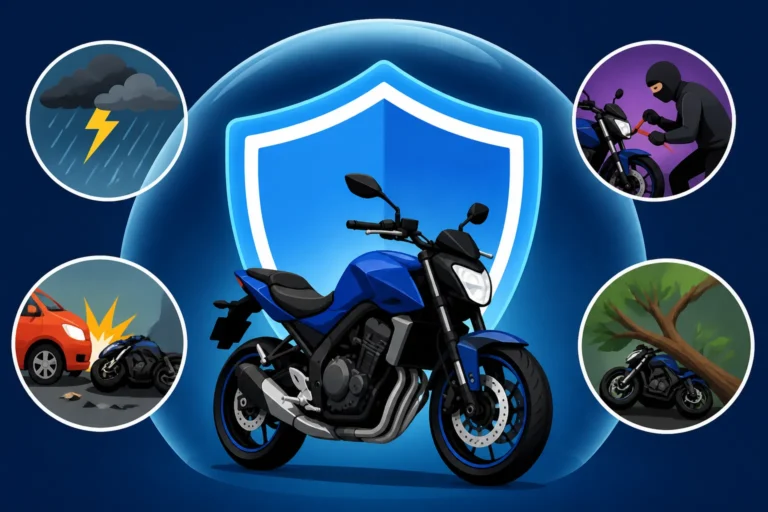
- Comprehensive Coverage covers "non-collision" incidents. Think of it as protection against things largely outside of your control or direct riding mishaps. This includes theft, vandalism, fire, hail, floods, falling objects (like a tree branch), and even striking an animal. If you wake up to find your motorcycle missing from your garage, that's a comprehensive claim. If a tree falls on it during a storm, that's also comprehensive.
A good way to remember the distinction is: if it rolls, hits something, or tips over, it's likely collision. If it's stolen, burned, flooded, or hit by a deer, it's typically comprehensive. You can learn more about What Is Comprehensive Motorcycle Insurance? to ensure your bike is fully protected from various perils. It's often recommended to carry both collision and comprehensive, especially for newer or more valuable bikes, as they cover almost all potential damage scenarios your motorcycle might face, barring mechanical failures.
Why You Can't Just Rely on Liability
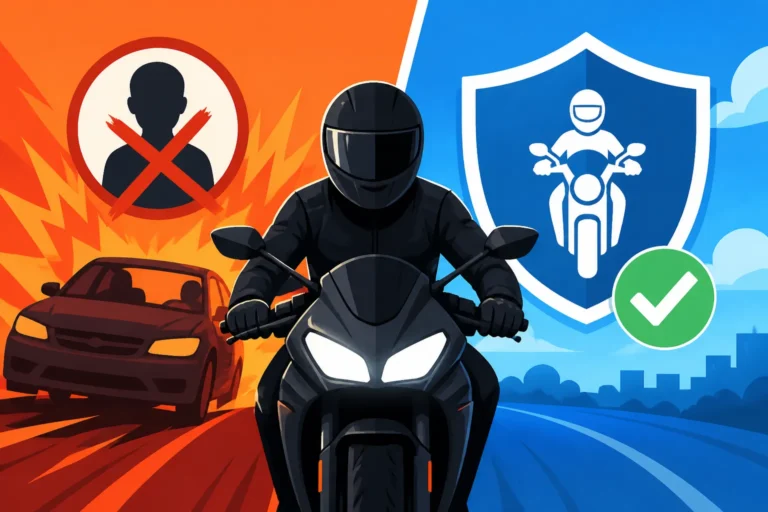
Liability insurance is the absolute minimum most states require for motorcyclists to ride legally. It's critical, but it only covers damages and injuries you cause to other people and their property in an accident where you are at fault. It offers absolutely no protection for your own motorcycle or your own injuries.
Imagine you're involved in an accident that's clearly your fault. Your liability insurance would pay for the repairs to the other vehicle and the medical bills of anyone injured. However, if you only have liability, you'd be solely responsible for paying out-of-pocket to repair your own damaged motorcycle. This means expensive repairs could leave you without a bike and facing significant debt. Many riders mistakenly believe that basic insurance covers "everything," but relying solely on liability means you're taking a massive financial gamble with your own ride. For true peace of mind and protection, you need coverage that extends to your own assets, which is where collision comes into play.
When to Consider Full Coverage
"Full coverage" isn't a single policy type; it's a common term that generally refers to an insurance package that includes liability, collision, and comprehensive coverage. For many riders, especially those with newer, financed, or valuable motorcycles, opting for full coverage is the most sensible choice.
If your motorcycle is still being financed, as mentioned earlier, your lender will almost certainly require full coverage to protect their investment. Even if your bike is paid off, if it's a newer model, a high-value cruiser, or a custom build, the cost of repairs or replacement can be substantial. In such cases, the peace of mind that comes with knowing your bike is protected from a wide array of incidents—whether it's an accident, theft, or natural disaster—often outweighs the higher premium cost. Riders of sport bikes, for example, often find that Sport Bike Insurance Cost (Why So High) is largely due to the higher likelihood of collision claims and expensive repairs, making full coverage even more critical. Ultimately, the decision comes down to your financial comfort level, the value of your bike, and your personal risk assessment. For many, full coverage is simply the smart choice to safeguard their passion and investment.
Factors Influencing Your Collision Coverage Premiums
Understanding what makes your collision coverage more or less expensive can help you make smart choices and potentially save some money. Several factors go into calculating your premium, from the bike you ride to your personal history.
Your Bike's Value and Type
The type of motorcycle you ride and its market value play a significant role in determining your collision coverage premium. Simply put, more expensive bikes cost more to repair or replace, which translates to higher insurance premiums. A brand new Ducati Panigale, for example, with its high-performance engine and advanced electronics, will almost certainly have a higher collision premium than a used Honda Rebel.
Beyond just the price tag, the type of motorcycle also matters. Sport bikes, with their higher accident rates and often more expensive, specialized parts, tend to have some of the highest collision coverage costs. Cruisers and touring bikes, while often expensive, might have slightly lower collision premiums compared to sport bikes of similar value, largely due to demographic data and perceived risk. Vintage or classic motorcycles also have unique considerations; their value might be higher, and parts harder to find, impacting repair costs and thus premiums. This is why when comparing insurance options, you might see Harley-Davidson Insurance Cost can differ significantly from Sport Bike Insurance Cost (Why So High), even for bikes of similar initial purchase price.
Your Riding History and Location
Your personal riding record and where you live are powerful predictors of risk for insurance companies. A clean driving record, free of accidents and traffic violations, signals to insurers that you are a responsible rider, which can lead to lower collision premiums. Conversely, a history of at-fault accidents, speeding tickets, or other moving violations will likely result in higher rates, as you're deemed a higher risk. Factors like whether you've ever had an SR-22 for Motorcycles: When It's Required can also drastically increase your insurance costs across the board.
Your location also plays a role. Riders living in densely populated urban areas, like Los Angeles or Miami, often face higher collision premiums due to increased traffic, higher rates of accidents, and a greater risk of theft or vandalism (though theft falls under comprehensive, the overall risk profile of the area can influence all parts of your premium). In contrast, those living in rural areas with less traffic and lower population density might enjoy lower rates. Even where you store your bike—a locked garage versus a street parking spot—can influence your rates. Insurers like Progressive and Dairyland factor all these details into their risk assessments.
Discounts and Policy Adjustments
While many factors influence your premiums, there are ways to actively work towards lowering your collision coverage costs. Insurance companies offer a variety of discounts that can significantly reduce your rates. One of the most common and impactful is completing a certified motorcycle safety course. Insurers see this as a sign of a proactive, safe rider, and often provide a discount for it. If you're a new rider, taking a course from the Motorcycle Safety Foundation (MSF) can be invaluable for both your skills and your wallet.
Other common discounts include multi-policy discounts (bundling your motorcycle insurance with your car or home insurance), multi-bike discounts if you insure more than one motorcycle on the same policy, and mature rider discounts for experienced riders over a certain age. Some insurers also offer discounts for anti-theft devices, loyalty, or even for paying your premium in full annually. When shopping for insurance, always ask about available discounts. Don't be shy; a quick chat with an agent or using an online comparison tool like those offered by The Zebra can help uncover savings you might be missing. Maximizing your discounts is one of the best strategies for How to Get Cheap Motorcycle Insurance.
Is Collision Coverage Right for You? Making an Informed Decision
Deciding whether to add collision coverage to your motorcycle insurance policy is a personal choice that balances cost, risk, and peace of mind. There's no one-size-fits-all answer, but by weighing the pros and cons, you can make the decision that's best for your unique riding lifestyle.
Pros of Having Collision Coverage
The most significant benefit of collision coverage is the financial protection it offers for your motorcycle. If you're involved in an accident—whether it's a fender bender, a solo slide, or a major collision—you know that the costs to repair or replace your bike won't come entirely out of your pocket. This can prevent a potentially devastating financial hit, especially if you have a newer or high-value motorcycle. It means you won't have to choose between a costly repair bill and being without your primary mode of recreation or transportation.
Beyond the purely financial aspect, collision coverage provides invaluable peace of mind. Knowing that your investment is protected allows you to enjoy your rides with less worry about unforeseen incidents. For many riders, a motorcycle is more than just a vehicle; it's a passion, a lifestyle, and a significant investment. Protecting that investment with collision coverage allows you to fully immerse yourself in the joy of riding, rather than constantly stressing about what could happen. This is particularly true for those who have invested heavily in their bike, whether it's through custom parts or simply owning a top-tier model.
Cons and Considerations
While the benefits are clear, collision coverage does come with its drawbacks, primarily cost. Adding collision coverage will increase your overall insurance premium. For riders on a tight budget, or those with older, low-value motorcycles, this added expense might feel unnecessary. If your bike is only worth a few thousand dollars, and the annual cost of collision coverage plus your deductible approaches or even exceeds its market value, you might question the economic sense of carrying it. In such cases, if you have enough savings to replace the bike entirely, foregoing collision coverage could be a calculated risk.
Another consideration is the claims process itself. While collision coverage pays for damages, filing a claim can still impact your future premiums. An at-fault accident claim can lead to higher rates upon renewal, even if your collision coverage paid for the repairs. So, while it offers protection, it's not a "free pass" from the long-term financial consequences of an accident. It's a balance of immediate protection versus potential long-term costs. When considering these factors, resources like The Zebra can provide competitive quotes from various carriers, allowing you to clearly see the cost difference with and without collision coverage.
Tips for Finding the Best Collision Policy
Finding the right collision policy means doing a bit of homework, but it's well worth the effort to ensure you're getting the best coverage for your money.
- Shop Around Extensively: Don't just stick with the first quote you get. Different insurance companies—like Progressive, Geico, Markel, or Dairyland—have varying pricing models and target demographics. What might be expensive with one insurer could be surprisingly affordable with another. Compare multiple quotes to find the most competitive rates. Websites like The Zebra make this process incredibly easy, allowing you to compare options side-by-side without having to visit multiple individual company sites.
- Bundle Your Policies: If you have other insurance needs, such as car insurance or homeowners/renters insurance, inquire about bundling discounts. Many providers offer significant savings when you combine multiple policies with them. This strategy can often lead to a lower overall premium for all your coverage, not just your motorcycle.
- Consider Your Deductible Carefully: As discussed earlier, choosing a higher deductible can lower your premium. If you're confident in your ability to cover a larger out-of-pocket expense in case of an accident, this is a straightforward way to save.
- Take a Motorcycle Safety Course: Completing a certified motorcycle safety course not only makes you a safer rider but can also qualify you for a discount on your premiums. This is a win-win situation for any rider.
- Maintain a Clean Riding Record: This might sound obvious, but avoiding accidents and traffic violations is one of the most effective ways to keep your insurance rates low over the long term. A clean record reflects positively on your risk profile.
- Review Your Policy Annually: Life changes, and so do insurance needs and prices. Make it a habit to review your policy and get new quotes every year or two. You might find better rates or new discounts that apply to you.
By following these tips and utilizing comparison tools, you can confidently select a collision policy that provides robust protection for your motorcycle without breaking the bank.
Collision Coverage at a Glance
| Feature | Description | Covers | Does NOT Cover |
|---|---|---|---|
| Primary Purpose | Pays for damages to your motorcycle from a collision. | Accidents with other vehicles, hitting objects (tree, pole), dropping your bike, single-vehicle rollovers. | Theft, fire, vandalism, natural disasters, hitting animals, injuries to yourself or others, damage to other vehicles. |
| Requirement | Not legally required by most states, but usually required by lenders for financed bikes. | ||
| Deductible | You choose an amount ($250, $500, $1000+) you pay before insurer pays. | ||
| Payout Basis | Typically Actual Cash Value (ACV) unless "Agreed Value" is specified. | ||
| Impact on Premium | Contributes to a higher overall premium, especially for sport bikes or new bikes. |
Disclaimer
This article is for general informational purposes only and does not constitute professional advice. Laws, prices and regulations vary by location and change over time. Consult a qualified professional for guidance on your specific situation.