Does Motorcycle Insurance Cover You in Another State?
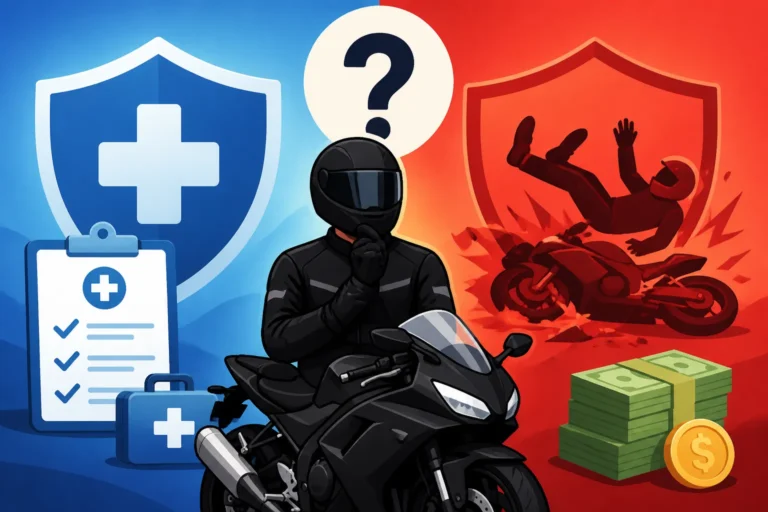
It’s a common scenario: you’ve mapped out that epic cross-country ride, or maybe just a weekend jaunt a few states over, and suddenly a nagging question pops into your head – "Does my motorcycle insurance even cover me when I’m out of my home state?" This worry is totally valid. The last thing any rider wants is to be stranded far from home, facing an accident or unexpected incident, only to find their policy doesn't stretch as far as their tires did. This guide is here to untangle that knot of anxiety, explaining exactly how motorcycle insurance works when you venture into new territories and what steps you can take to ride with peace of mind.
The General Rule: Reciprocity and Your Policy
One of the biggest concerns for riders heading out of state is whether their insurance will be recognized and provide adequate protection. Thankfully, the vast majority of personal motorcycle insurance policies are designed with travel in mind, meaning they generally extend coverage when you cross state lines. This is largely due to a concept called "reciprocity."
How Insurance Follows You Across State Lines
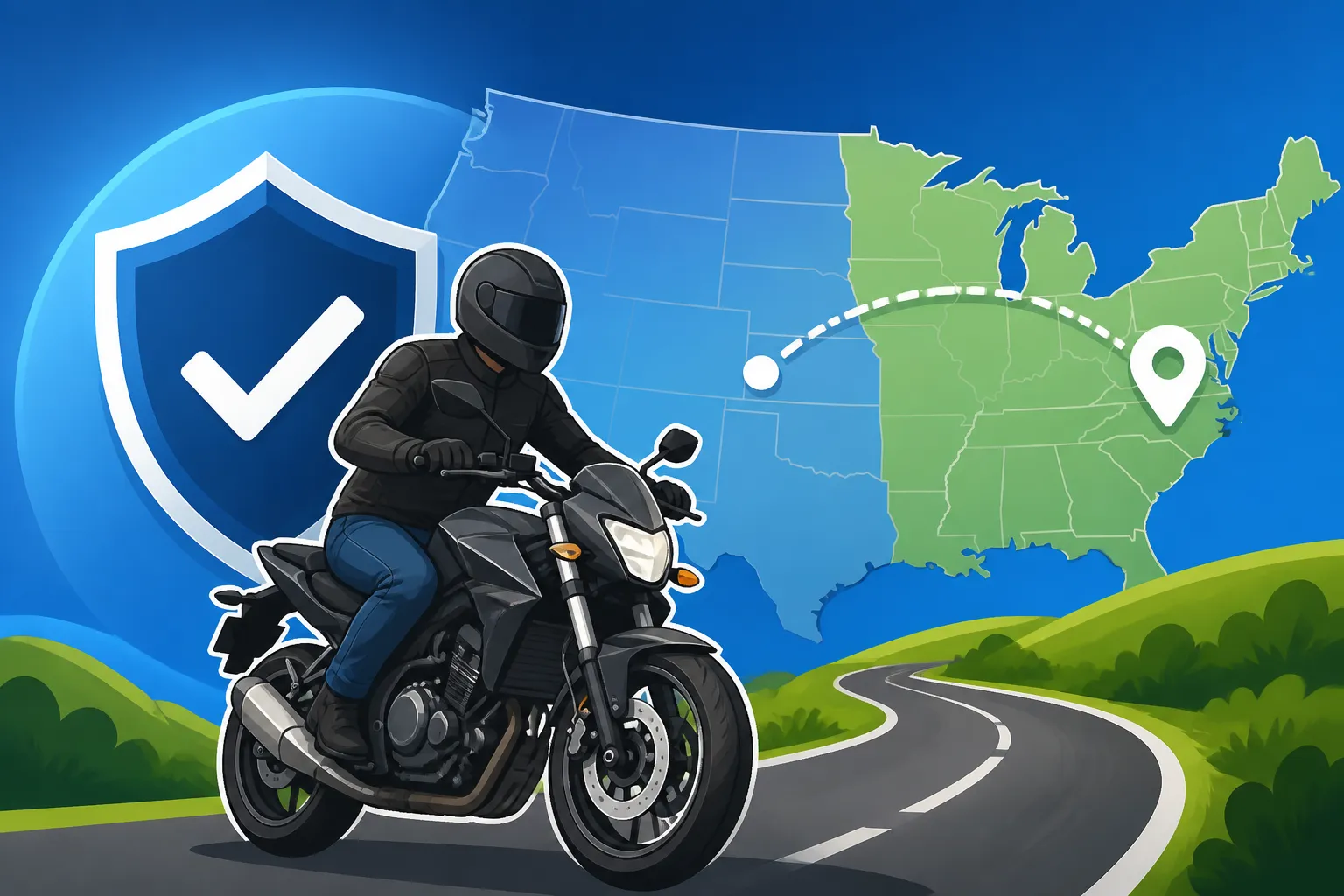
The good news is that for most standard motorcycle insurance policies in the United States, your coverage generally follows you wherever you ride within the U.S. and its territories. This is a fundamental principle of how personal auto insurance, including motorcycle policies, is structured. It means that if you have a valid policy in your home state, it doesn’t magically become void the moment you cross the border into, say, Arizona or Oregon. The intent of your policy is to cover you and your motorcycle, not just when you’re parked in your driveway, but also as you travel.
Let’s imagine you're a rider from California, and your policy includes the state minimum liability coverage, which is often expressed as 15/30/5 for bodily injury and property damage. You decide to take a fantastic week-long trip, riding your beautiful Honda Gold Wing through Nevada, then into Utah, and finally back through California. If, during your ride through Nevada, you happen to be involved in an accident where you are at fault, your California policy would typically step in to cover the damages and injuries to the other parties involved, up to your policy limits. You don't need to purchase a separate Nevada policy just for a quick trip. This is a huge relief for anyone who loves to travel on two wheels, knowing their financial safety net isn't suddenly pulled out from under them.
Minimum Coverage Differences: What You Need to Know
While your policy generally extends across state lines, it’s crucial to understand that every state has its own specific Motorcycle Insurance Requirements by State (2026 Guide). This is where the concept of "minimum liability coverage" becomes really important. For example, some states, like Maine, might have a liability minimum of 50/100/25, while others, like Florida, operate under a different "no-fault" system with different requirements, and New Hampshire doesn't even mandate insurance, although financial responsibility laws still apply. So, what happens if your home state’s minimums are lower than the state you’re riding through?
Most reputable motorcycle insurance policies include a provision that automatically adjusts your liability coverage to meet the minimum requirements of the state you are temporarily visiting, should those minimums be higher than your own policy's limits. For instance, if your home state only requires 25/50/10 (meaning $25,000 for bodily injury per person, $50,000 for bodily injury per accident, and $10,000 for property damage), but you’re riding through a state that mandates 50/100/25, your policy would temporarily 'bump up' to meet that 50/100/25 requirement in that state. This is an incredibly important feature that prevents you from being underinsured simply by crossing a state line.
However, this automatic adjustment only applies to the minimum required by law in the other state. If your actual policy limits are already higher than the visiting state's minimums, your existing higher limits will apply. This is why many experienced riders advocate for carrying more than just the bare minimum liability coverage, especially if they plan on traveling extensively. Knowing the Minimum Liability Insurance Explained The Three Numbers can help you make an informed decision on how much coverage is truly adequate for your riding style and travel habits.
Types of Coverage and Out-of-State Incidents
Understanding how specific types of coverage apply when you're riding outside your home state is key to ensuring you're fully protected. It's not just about liability; it's about your bike, your body, and even potential encounters with less responsible drivers.
Liability Coverage Beyond Your Home State
When you're involved in an accident and you’re deemed at fault, your liability coverage is what kicks in to pay for the other party's bodily injuries and property damage. This is the cornerstone of any motorcycle insurance policy. As we discussed, these limits generally adjust to meet the minimum legal requirements of the state you're riding through.
Let's walk through a scenario. Suppose you're from a state with lower property damage liability limits, say $10,000, and you accidentally rear-end a brand-new luxury SUV in Texas, causing $25,000 worth of damage. Texas has higher minimum property damage liability requirements, typically $25,000 per accident. If your policy has the standard out-of-state extension, it would automatically step up to cover that $25,000, even if your home state's minimum was lower. However, if your home state coverage already provides $25,000 or more in property damage, that’s the limit that would apply. It’s important to remember that this safety net only extends up to your chosen policy limits. If the damages exceed those limits, you'd personally be responsible for the difference. This underscores why having robust liability coverage, beyond just state minimums, offers a much greater sense of security, especially for riders who frequently embark on Riding Across State Lines: Insurance & Helmet Rules.
Comprehensive and Collision Coverage on the Road
Unlike liability coverage, which addresses damages you cause to others, comprehensive and collision coverages are designed to protect your motorcycle. These are often referred to as "physical damage" coverages, and they are generally tied directly to your motorcycle, not your location. This means they follow your bike regardless of which state you're in.
Imagine you're on a solo adventure, riding your Kawasaki Vulcan through the stunning scenery of Colorado. If you have a collision policy, and you accidentally lay your bike down on a winding mountain road, or hit a deer (a very real possibility in many states), your collision coverage would help pay for the repairs to your motorcycle, after your deductible. Similarly, if you've parked your bike overnight in a busy city like New Orleans and it gets stolen, or suffers vandalism in a motel parking lot in Austin, your comprehensive coverage would typically kick in. It doesn't matter if these incidents happen hundreds or thousands of miles from where you bought your policy. The coverage is there to protect your asset. The deductible you chose for these coverages will apply, and the claims process will largely be the same as if the incident occurred in your home state. These coverages are invaluable for protecting your investment, especially when you’re far from home and facing unexpected repairs or losses.
Uninsured/Underinsured Motorist and Medical Payments
These coverages are often overlooked but become incredibly vital when you're traversing different states, especially because the number of uninsured drivers can vary significantly from one region to another. Uninsured & Underinsured Motorist Coverage (UM/UIM) protects you if you're involved in an accident with a driver who either has no insurance or insufficient insurance to cover your damages and medical bills.
Think about it: you're cruising through Florida, a state known for having a higher percentage of uninsured drivers. If you're hit by one of these drivers, and you have UM/UIM coverage, your policy would help cover your medical expenses, lost wages, and potentially even damage to your motorcycle, up to your policy limits. This protection is invaluable because it shields you from the financial irresponsibility of others, regardless of where the accident happens in the U.S.
Similarly, Medical Payments (MedPay) or Personal Injury Protection (PIP) are crucial for your own well-being. These coverages pay for your medical expenses, and sometimes even lost wages, regardless of who is at fault for an accident. If you take a spill by yourself on a remote road in Montana, or are hit by another vehicle in busy New York City, MedPay or PIP can provide immediate financial relief for your medical bills, often without a deductible. This peace of mind, knowing your immediate healthcare costs are covered, is priceless when you're far from your usual doctors and support system. These personal injury coverages are attached to you as the rider, and therefore travel with you, providing consistent protection no matter where your journey takes you.
Potential Pitfalls and Exceptions When Riding Interstate
While the general rule is that your motorcycle insurance travels with you, there are important distinctions and specific situations where your standard policy might not apply or might need adjustments. Being aware of these exceptions can save you a lot of headache and heartache down the road.
Long-Term Relocation vs. Temporary Travel
This is perhaps the most significant distinction to grasp. Your motorcycle insurance policy is underwritten based on your primary residence and the state where your motorcycle is registered. When you’re simply traveling to another state for a vacation, a temporary work assignment, or a cross-country tour, your existing policy extends coverage as discussed. This is considered temporary use.
However, if you move to another state permanently, or even for an extended period that constitutes a new primary residence (often defined as more than 30-90 days, depending on the insurer and state regulations), you are legally obligated to update your insurance policy and potentially obtain a new one in your new home state. Failing to do so can lead to serious consequences. Your insurance company could deny a claim, cancel your policy, or you could face Penalties for Riding Without Insurance in your new state, even if you technically have an "active" policy from your old state. Each state has its own requirements for vehicle registration and insurance, and you need to align with those. For a deep dive into this, check out our guide on Moving to Another State: Motorcycle Insurance. It's not just about compliance; it's about ensuring your coverage is tailored to the specific risks, laws, and cost structures of your new location.
Riding Overseas or in Territories
While your U.S. motorcycle insurance policy typically covers you throughout all 50 states and U.S. territories like Puerto Rico, it's a different story when it comes to international travel. If you're dreaming of a ride through Canada or a spirited trip down to Mexico, your standard American policy most likely will not cover you for liability or physical damage in those countries.
For Canada, some U.S. insurers might offer an extension, but it's not guaranteed, and you should always verify with your provider. For Mexico, it's almost always a requirement to purchase a separate, short-term Mexican liability policy. Mexican law recognizes only liability insurance issued by a Mexican company. Without it, you could face severe legal consequences, including imprisonment, in the event of an accident. So, if your globetrotting plans involve taking your bike across international borders, make sure to thoroughly research the insurance requirements for each specific country and arrange for appropriate supplemental coverage well in advance. Don't assume your policy will follow you across the globe; it's a rare exception, not the rule.
Specific Exclusions and Policy Language
Every insurance policy is a contract, and like all contracts, it comes with specific terms, conditions, and exclusions. It’s absolutely essential to read and understand your specific policy document, not just assume what it covers. Even when riding in another state, certain situations might not be covered, regardless of where they occur.
Common exclusions often include:
- Racing or Track Use: If you take your motorcycle to a closed course for racing or track days, your standard policy almost certainly won't cover any damages or liability incurred. You’d need specialized track day insurance for that.
- Off-Road Use: If your policy is for street-legal motorcycles, significant off-road riding in a state park or designated off-road area might be excluded, particularly if the bike is not designed or registered for such use. If you have a dirt bike, you need specific Off-Road & Dirt Bike Insurance Requirements.
- Riding Without a Valid License/Endorsement: If you cause an accident in another state while riding without a valid motorcycle license or endorsement for your home state (or the state you're in, if you've moved), your insurer could deny your claim. Maintaining your proper licensing, including understanding your Motorcycle License, Endorsement & Insurance, is paramount.
- Intentional Acts: Insurance never covers intentional damage or illegal activities.
- Modifications Exceeding Coverage: If you have extensive custom parts or modifications that exceed the specific coverage limits you purchased for accessories, any damage to those parts might not be fully covered, no matter where it occurs.
Before any significant trip, especially if you have unique riding habits or a heavily modified bike, a quick call to your insurance provider to clarify any potential exclusions is a smart move.
How to Ensure You're Adequately Covered
Riding into the unknown can be exhilarating, but it shouldn't be accompanied by the nagging fear of inadequate insurance. Taking a few proactive steps can make a huge difference in your peace of mind and financial security.
Reviewing Your Current Policy Before a Trip
Before you even load up your saddlebags and hit the open road for an out-of-state adventure, it's incredibly smart to take a few minutes and thoroughly review your current motorcycle insurance policy. Don't just assume everything is covered. Call your insurance agent or the company's customer service line. Ask direct questions:
- "Does my liability coverage automatically adjust to meet the minimums of other states I might travel through?" (The answer should almost always be yes, but confirm the specifics.)
- "Are my comprehensive and collision coverages valid in all U.S. states and territories?"
- "What about my Uninsured/Underinsured Motorist and Medical Payments coverage? Do they extend nationwide?"
- "Are there any specific exclusions related to out-of-state travel I should be aware of?"
This conversation isn't just about confirmation; it's also an opportunity to assess whether your current coverage limits are truly sufficient for your travel plans. For example, if you're taking an expensive touring bike on a long trip, perhaps bumping up your collision coverage limits or lowering your deductible temporarily might be a wise decision. Platforms like The Zebra can be incredibly useful at this stage. You can use their comparison tools to see what other insurance providers might offer in terms of coverage types and limits, giving you a benchmark for what you currently have and what might be available. This helps you understand What Motorcycle Coverage Do You Actually Need? before you even leave home.
Considering Additional Coverages for Travel
Beyond the basic liability, comprehensive, and collision, there are several optional coverages that become particularly valuable when you're riding far from home. These add-ons can turn a stressful incident into a manageable inconvenience.
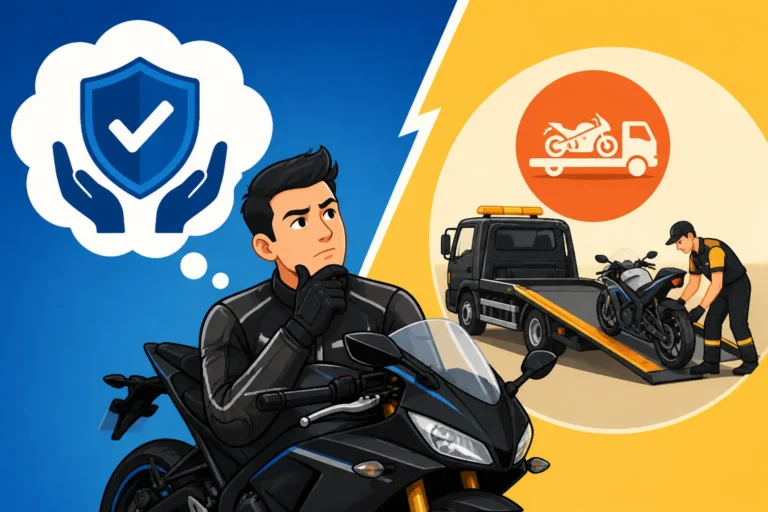
- Roadside Assistance and Towing: Imagine breaking down with a flat tire or a mechanical issue on a deserted highway in the middle of Kansas. Your typical roadside assistance for your car might not cover your motorcycle. Many motorcycle policies offer specific Roadside Assistance & Towing for Motorcycles that will dispatch help, pay for a tow to the nearest qualified repair shop, or even arrange for fuel delivery. This is a game-changer when you're hundreds of miles from your home mechanic.
- Trip Interruption Coverage: If your motorcycle breaks down or is involved in an accident more than a certain distance from home (e.g., 100 miles), this coverage can reimburse you for expenses like lodging, food, and alternative transportation (like a rental car or flight home) while your bike is being repaired. It’s a lifesaver that helps keep your trip from turning into a financial disaster.
- Rental Reimbursement: If your motorcycle needs repairs after a covered accident or loss, this coverage helps pay for a rental vehicle while your bike is in the shop. While getting a rental motorcycle might be tricky in some areas, it could cover a car, allowing you to continue your journey or at least get around.
These seemingly small additions can provide immense peace of mind. Discuss these options with your insurer or use The Zebra to compare policies that include these beneficial travel-focused coverages.
Documenting Your Insurance for Easy Access
While most states now accept digital proof of insurance, it’s always a good idea to be prepared for any situation when traveling. Police officers in different states might have varying preferences, and having both readily available can prevent unnecessary delays or complications if you're pulled over or involved in an accident.
Here's how to ensure you have your documentation readily accessible:
- Digital Proof: Keep your insurance ID card saved on your smartphone. Many insurance companies have dedicated apps that allow easy access to your digital ID card.
- Physical Card: Carry a physical copy of your insurance ID card in your wallet or with your motorcycle’s registration. A laminated card is even better.
- Policy Declarations Page: While not required for proof of insurance, having a copy of your policy declarations page (either digitally or printed) can be helpful as it outlines all your coverages and limits, which might be useful if you need to file a claim.
- Emergency Contact Information: Have your insurance company's claims number and your policy number written down somewhere secure, separate from your phone, in case your phone is damaged or lost.
Being able to quickly provide Proof of Insurance Digital vs Paper for Riders can make a significant difference in how smoothly interactions with law enforcement or other parties go in an unfamiliar state. It demonstrates responsibility and can prevent further headaches.
The Zebra and Comparing Your Options
When it comes to motorcycle insurance, you've got a lot of choices, and finding the right policy can feel like navigating a maze. This is especially true when you're thinking about coverage across state lines or considering adjusting your policy for extensive travel. That's where online comparison tools really shine.
Using Online Tools to Compare Insurers
The traditional way to shop for insurance involved calling multiple companies, repeating your information over and over, and then trying to compare vastly different quotes. It was tedious and often left you feeling like you weren't truly getting the best deal. Thankfully, modern tools like The Zebra have revolutionized this process.
The Zebra acts as an independent insurance comparison platform. Instead of going to individual insurance company websites, you enter your information once – details about your motorcycle, your riding history, your desired coverages – and The Zebra will generate quotes from a multitude of reputable insurers. This includes big names you recognize, like Progressive, Geico, and Dairyland, as well as many regional providers.
Why is this so helpful, especially for multi-state riders?
- Efficiency: Save hours of calling and form-filling.
- Transparency: See side-by-side comparisons of coverage limits, deductibles, and prices from different carriers, making it easier to identify the best value.
- Customization: Easily adjust coverage levels and see how it impacts your premium across various providers. This is great for figuring out if it's worth adding that roadside assistance or upping your UM/UIM limits for your next big ride.
By using a tool like The Zebra, you can confidently compare what you have with what's available, ensuring you're not overpaying for your current policy and that it provides the robust coverage you need for any adventure, near or far.
Finding the Right Balance of Coverage and Cost
Let's be real: everyone wants good coverage without breaking the bank. The challenge, especially with motorcycle insurance, is figuring out what "good" actually means for your specific riding habits, your bike, and your travel plans. Simply opting for the cheapest policy could leave you severely underinsured if you have an incident a thousand miles from home.
The Zebra doesn't just show you the cheapest option; it helps you evaluate policies based on a holistic view of coverage and cost. For example, if you prioritize comprehensive coverage because you're worried about theft while traveling to a major city, or if you want robust UM/UIM because you know you'll be riding through states with a higher percentage of uninsured drivers, The Zebra can help you filter and compare policies that offer those specific strengths.
Perhaps you find that Progressive offers a great deal on liability and comprehensive, but Dairyland provides more affordable trip interruption coverage. Or maybe Geico bundles your motorcycle policy with your car insurance for a significant discount that outweighs slightly higher standalone rates. The ability to see these variations at a glance means you can make an informed decision, rather than just guessing. It allows you to strike that crucial balance: getting the strong protection you need for cross-state riding, without spending more than you have to.
Ultimately, whether you're planning a short hop to a neighboring state or an epic journey across the entire continent, having the right motorcycle insurance is non-negotiable. It’s your safety net, your peace of mind, and your protection against the unexpected.
State Minimum Liability Requirements Overview
Here's a look at minimum liability requirements in a few representative states. Remember that these are just minimums, and most riders choose to carry higher limits for better protection, especially when traveling.
| State | Bodily Injury Per Person | Bodily Injury Per Accident | Property Damage Per Accident |
|---|---|---|---|
| California | $15,000 | $30,000 | $5,000 |
| Texas | $30,000 | $60,000 | $25,000 |
| Florida | Varies (No-Fault) | Varies (No-Fault) | $10,000 (Property Damage) |
| New York | $25,000 | $50,000 | $10,000 |
| Washington | $25,000 | $50,000 | $10,000 |
| Maine | $50,000 | $100,000 | $25,000 |
Note: Florida has a no-fault system, and while it requires PIP for cars, motorcycle insurance requirements primarily focus on property damage liability and bodily injury for injuries to others, often mandating proof of financial responsibility. Some states, like New Hampshire, do not mandate motorcycle insurance but have financial responsibility laws, meaning you're still liable for damages you cause.
Disclaimer
Please note that this article provides general information and is not a substitute for professional legal or insurance advice. Motorcycle insurance policies vary significantly, and the specifics of your coverage depend on your individual policy contract. Always consult with a qualified insurance professional to understand your specific coverage and how it applies to your unique situation, especially when planning interstate or international travel. Laws and regulations regarding motorcycle insurance are subject to change, and it is your responsibility to stay informed about the requirements in your home state and any states you plan to visit.