What to Do After Motorcycle a Garage Break-In for Insurance
Experiencing a garage break-in and discovering your motorcycle or gear is stolen or damaged is an incredibly stressful and violating ordeal. Beyond the immediate shock and anger, you’re left wondering what steps to take next, especially when it comes to dealing with your insurance. This guide will walk you through the crucial actions to take immediately after a motorcycle garage break-in, helping you navigate the complex world of insurance claims with confidence and clarity.
The Immediate Aftermath: Securing the Scene and Contacting Authorities
When you first discover your garage has been broken into, it's natural to feel a whirlwind of emotions. But before anything else, your personal safety and securing the scene are paramount.
Prioritizing Safety and Damage Assessment
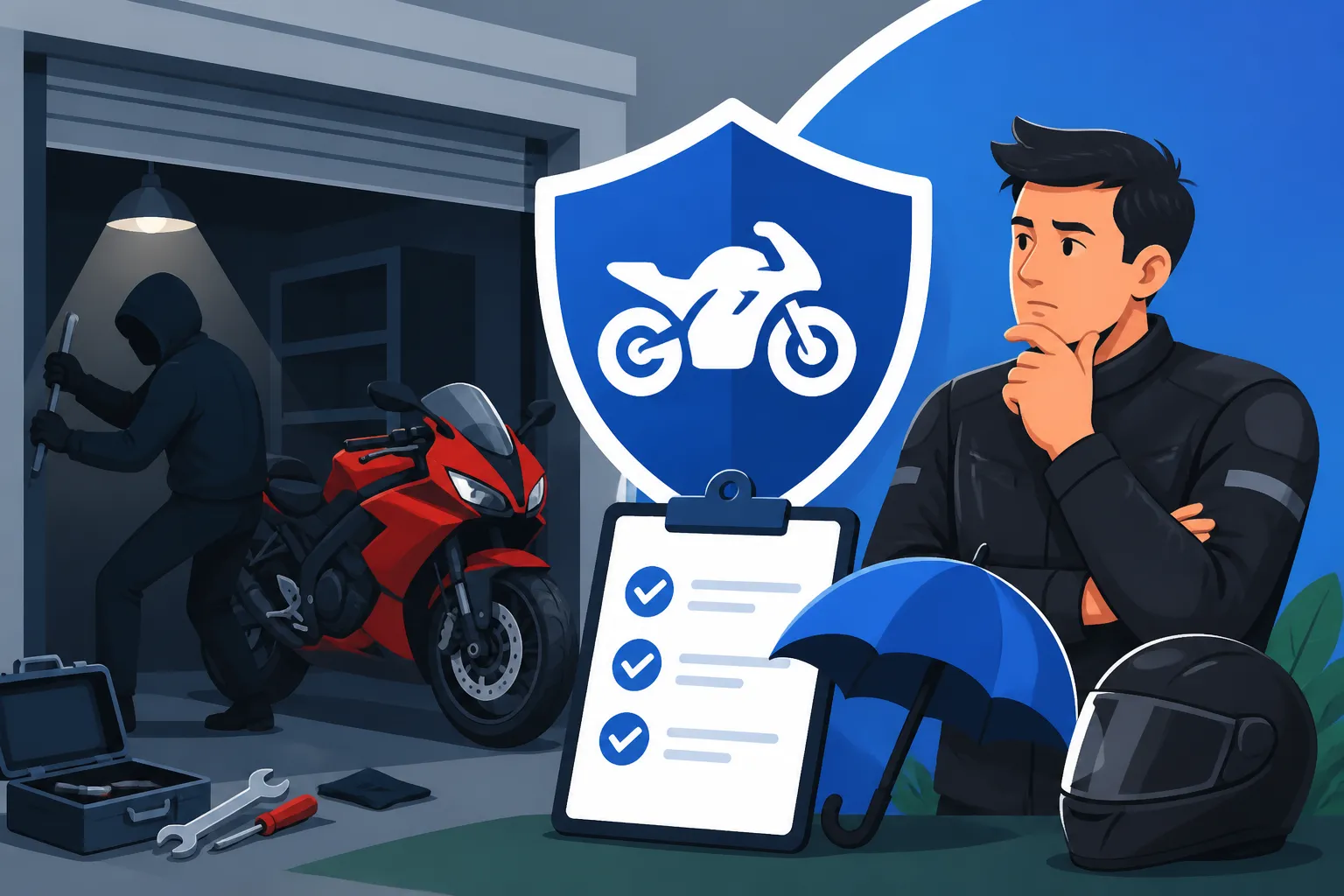
First and foremost, do not enter the garage if you suspect the intruders might still be present. Your personal safety is far more important than any material possession. If you're unsure, retreat to a safe location and call 911 immediately. Once you're certain the scene is safe, take a deep breath. It can be incredibly jarring to see your personal space violated, let alone find your beloved bike missing or damaged.
Once you’ve established safety, try your best to resist the urge to clean up or touch anything inside the garage. This might be tough, as your instinct will be to restore order, but disturbing the scene could destroy crucial evidence. Take a moment to visually assess the situation from a distance if possible. Note any signs of forced entry, damaged locks, broken windows, or disturbed items. This initial observation will be critical when you speak with law enforcement and your insurance provider.
Think about what might have been stolen or damaged. Is your motorcycle gone? Are parts missing? Was your riding gear, tools, or other valuable items stored in the garage also targeted? Even if a detailed inventory isn't possible yet, a mental checklist of what you can immediately identify as missing or broken will be helpful for the next steps.
Reporting the Crime to Law Enforcement
As soon as you've confirmed your safety and made an initial assessment, contacting law enforcement is your very next step. This isn't just about catching the perpetrators; it's a critical requirement for any insurance claim involving theft or vandalism. Without a police report, your insurance company won't have the official documentation needed to process your claim.
Call your local police department's non-emergency line unless you believe the perpetrators are still on site, in which case you should call 911. Be prepared to provide them with your address, a brief description of what happened, and what you’ve observed. When the officers arrive, show them everything you’ve noticed: the point of entry, any signs of struggle, and what appears to be missing or damaged. They will conduct their investigation, collect evidence, and take your statement.
Make sure you get a copy of the police report or at the very least, a case number or report number. This number is your golden ticket for the insurance process. It proves that the incident was officially reported and investigated. Keep this number handy, as you'll need to provide it to your insurance company. Remember, time is often of the essence in these situations, both for police investigations and insurance claims, so don't delay in making this crucial report. You might also want to follow up with the police department a few days later to check on the status of your report and see if any new information has surfaced.
Navigating Your Insurance Claim After a Break-In
Once the police have been notified and you have a case number, the next daunting step is to engage with your motorcycle insurance company. This part of the process can feel overwhelming, but understanding your coverage and being prepared will make it much smoother.
Understanding Your Coverage: Comprehensive is Key
When a garage break-in results in a stolen or damaged motorcycle, the type of insurance coverage you have makes all the difference. This is where comprehensive coverage truly shines. Unlike liability coverage, which only covers damages or injuries you cause to others, comprehensive coverage is designed to protect your bike from non-collision incidents. This specifically includes theft, vandalism, fire, natural disasters, and animal strikes.
If you only carry liability insurance, which is the minimum legal requirement in many states, you will likely be out of luck for a theft or vandalism claim resulting from a break-in. This can be a hard pill to swallow, especially if your bike was a significant investment. Many riders might assume their motorcycle is covered if it's garaged, but unless you've specifically opted for comprehensive coverage, incidents like break-ins are often not included. For those who own vintage or custom motorcycles, exploring specialized policies that offer Agreed Value vs Stated Value vs Actual Cash Value can be vital to ensure proper compensation.
Take a moment to review your policy documents. Many companies, including Progressive, offer clear breakdowns of what each coverage type entails. Look for "Comprehensive" or "Other Than Collision" coverage. Check your deductible for this coverage – that's the amount you'll have to pay out of pocket before your insurance kicks in. Understanding these details upfront will help manage your expectations about potential payouts and whether your What Does Full Coverage Motorcycle Insurance Mean? actually covers this type of event.
Gathering Documentation for Your Claim
A successful insurance claim hinges on thorough documentation. The more evidence you can provide, the smoother the process will be and the better your chances of a fair settlement. This process begins immediately after you've secured the scene and reported the incident to the police.
Here’s a breakdown of the essential documents and information you should compile:
- Police Report Number: As mentioned, this is non-negotiable. Your insurance company will need this official record of the crime.
- Photographs and Videos: If your motorcycle was stolen, you'll need photos of your garage showing the point of entry and any damage to the garage itself. If the bike was vandalized but not stolen, capture detailed photos of all damages from multiple angles. Also, include any photos you have of your motorcycle before the incident, especially if it had custom parts or unique features.
- Proof of Ownership: This includes your motorcycle's title, registration, and bill of sale. These documents verify that you are the legal owner of the motorcycle.
- Detailed Inventory List: Create a comprehensive list of everything stolen or damaged. This should include your motorcycle (make, model, VIN), any custom parts or accessories, riding gear (helmets, jackets, boots), tools, or other personal items stored in the garage. For each item, include a description, estimated value, and date of purchase if known.
- Receipts and Appraisals: Dig up any receipts for the stolen items, especially for the motorcycle itself, any aftermarket parts, or expensive riding gear. If you have appraisals for custom work or modifications, these are incredibly valuable.
- Witness Information: If anyone witnessed the break-in or saw suspicious activity, gather their contact information and what they observed.
The more detailed and organized your documentation, the stronger your claim will be. This preparation can significantly speed up the processing time and help ensure you receive appropriate compensation. You can't overestimate the power of a well-organized file when dealing with an insurance company.
Contacting Your Insurance Provider
With your police report number and initial documentation in hand, it's time to contact your insurance company. Don't delay this step; most policies require you to report claims "as soon as reasonably possible" or within a specific timeframe. Waiting too long could jeopardize your claim.
Call your insurance agent or the claims department directly. Explain clearly that your garage was broken into, your motorcycle was stolen or damaged, and you have already filed a police report. You'll need to provide them with the police report number and, if possible, some initial details about what happened and what was lost or damaged. The representative will likely open a claim for you and provide a claim number. This number will be your reference for all future communications, so keep it in a safe place.
They will assign a claims adjuster to your case. This adjuster will be your primary contact throughout the claims process. Be prepared to answer their questions honestly and thoroughly. They will ask for your account of events, details about the stolen or damaged items, and will request the documentation you've compiled. Remember, insurance companies like Progressive or other major providers process these types of claims regularly, so they have established procedures. Websites like The Zebra can also be a useful resource if you're looking to understand typical claim processes or even compare different insurers' policies for future reference.
Documenting Losses and Protecting Your Claim
After the initial reports, the real work of detailing your losses for the insurance company begins. This step requires precision and attention to detail to ensure you don't miss anything that could impact your claim settlement.
Detailed Inventory of Stolen and Damaged Items
Creating a meticulously detailed inventory is critical for your claim. This isn't just a quick list; it's a comprehensive accounting of every single item affected by the garage break-in. Think about your motorcycle itself: its make, model, year, Vehicle Identification Number (VIN), and mileage. Did it have any factory options or unique features?
Beyond the bike, consider every additional item you had in the garage related to your motorcycle lifestyle. This includes:
- Riding Gear: Helmets (specific brands, models, sizes), riding jackets, pants, gloves, boots, armored vests, communication systems.
- Custom Parts and Accessories: Aftermarket exhausts, performance upgrades, saddlebags, luggage racks, custom paint jobs, fairings, engine guards, GPS units, phone mounts. For these, Accessories & Custom Parts Coverage Explained is crucial.
- Tools: Any specialized motorcycle tools, diagnostic equipment, lifts, stands, battery chargers, or other garage equipment used for your bike.
- Personal Belongings: Other valuables stored in the garage that might have been targeted, such as sports equipment, expensive power tools, or even sentimental items.
For each item, try to recall or find:
- Detailed Description: Brand, model, color, size, any distinguishing features.
- Approximate Purchase Date: This helps the adjuster determine depreciation.
- Original Purchase Price: Having receipts is best, but good estimates are acceptable if you genuinely can't find them.
- Estimated Replacement Cost: What would it cost to replace it with a new, comparable item today?
This level of detail might seem excessive, but it prevents the insurance company from lowballing your claim on items they can't verify. Use a spreadsheet or a dedicated notebook to keep everything organized.
| Item Type | Item Description | Make/Model | Purchase Date | Original Cost | Replacement Cost | Notes | Police Report Item # |
|---|---|---|---|---|---|---|---|
| Motorcycle | 2023 Harley-Davidson Street Glide | Harley-Davidson | 05/15/2023 | $25,000 | $27,000 | VIN: 1HD1XXXXXXX, 5,000 miles | A1 |
| Custom Part | Vance & Hines Slip-On Mufflers | Vance & Hines | 06/01/2023 | $800 | $850 | Installed by dealership | A2 |
| Gear | Shoei RF-1400 Helmet (Matte Black, XL) | Shoei | 07/20/2023 | $599 | $620 | Minor scuff, otherwise like new | A3 |
| Gear | Alpinestars GP Plus R V2 Leather Jacket (Black, 52) | Alpinestars | 08/10/2023 | $549 | $570 | A4 | |
| Tool | Motorcycle Lift Jack (1,500 lb capacity) | Harbor Freight | 03/01/2023 | $179 | $199 | Used for maintenance | A5 |
| Accessory | Garmin Zumo XT GPS Navigator | Garmin | 09/05/2023 | $499 | $520 | Stolen from handlebars | A6 |
This table provides a clear, organized way to present your losses to the insurance company and will be invaluable during the negotiation process.
Photographing the Scene and Damages
Photographic evidence is incredibly persuasive. Even if the police took photos, you should take your own, as your perspective might capture details the police overlooked or considered less critical to their criminal investigation. Remember, the goal here is to document for insurance, which has a different focus.
Start with wide shots of your garage, showing the overall context of the break-in. Capture the point of entry clearly – whether it's a forced garage door, a broken window, or a jimmied lock. Take close-up photos of any specific damage to the garage structure itself. If your motorcycle was vandalized but not stolen, capture every angle of the damage: scratched paint, broken mirrors, cut wires, dented tanks. Don't forget to photograph any missing parts or accessories that were forcibly removed from your bike.
Also, photograph where your motorcycle should have been if it was stolen. Show the empty space, any marks on the ground, or disturbed covers. If any of your riding gear or tools were stolen, take photos of the empty shelves, hooks, or tool chests where they used to be. The more visual proof you have of the disruption and loss, the harder it will be for the insurance company to dispute your claim. Timestamped photos or videos from your phone are ideal, as they provide a verifiable timeline of when the damage was observed.
Preventing Future Break-Ins
While dealing with the aftermath of a break-in, it’s a good time to think about enhancing your garage security to prevent future incidents. Insurance companies might even view these proactive steps favorably when assessing your risk or offering future premiums.
Consider implementing a multi-layered security approach:
- Reinforce Entry Points: Upgrade to stronger deadbolt locks on all garage access doors (not just the main garage door). Consider heavy-duty hinges and reinforced door frames. For garage doors, install security bars or a floor bolt that prevents the door from being manually lifted.
- Lighting and Visibility: Install motion-activated floodlights around the exterior of your garage. A well-lit area is a deterrent to thieves. Trim shrubs or trees that could provide cover for intruders.
- Alarm Systems: Integrate your garage into your home's existing alarm system, or install a separate alarm dedicated to the garage. Sensors on windows and doors can alert you and potentially scare off intruders.
- Security Cameras: Install Wi-Fi-enabled security cameras that provide real-time monitoring and recording. Position them to cover all entry points and the interior of the garage. Many systems offer cloud storage for video footage.
- Community Awareness: Join or start a neighborhood watch program. Being part of a vigilant community can deter crime. Also, be mindful of what you post on social media; avoid broadcasting when you'll be away from home or details about your valuables.
- Disguise Valuables: Don't leave your motorcycle or expensive tools easily visible from windows. Use opaque window films or curtains. Keep your garage door closed, even when you're home.
- Secure the Motorcycle Itself: Even inside a locked garage, use a disc lock, chain lock, or even a ground anchor with a heavy-duty chain to secure your motorcycle. Many motorcycles have built-in alarm systems or GPS trackers that can aid in recovery. Companies like Progressive might even offer discounts for these security measures.
Taking these steps not only provides peace of mind but also demonstrates to your insurer that you are a responsible owner actively working to mitigate risks. This can be particularly relevant for policies covering Motorcycle Theft Claim: How It Works or Does Motorcycle Insurance Cover Theft?.
What to Expect During the Claims Process
The initial reporting and documentation are just the beginning. The claims process can sometimes feel like a waiting game, but understanding what happens next will help you stay informed and proactive.
Working with the Adjuster and Providing Information
Once your claim is filed, a claims adjuster will be assigned. This person's job is to investigate your claim, assess the damages or loss, and determine the appropriate payout according to your policy terms. They will likely contact you within a few business days.
Be prepared to communicate openly and honestly with your adjuster. They will review all the documentation you've provided: the police report, your inventory list, photos, and any receipts. They may ask for additional information or clarification. For instance, they might ask for details about the security measures you had in place, how often you ride your bike, or if anyone else had access to your garage. They might also want to inspect the damaged garage themselves.
It's crucial to be responsive to their requests. If they need more photos, provide them promptly. If they ask for specific receipts, dig them out. Keep a detailed record of all communications with your adjuster, including dates, times, names, and a summary of what was discussed. This log can be invaluable if any disputes arise later. Remember, the adjuster is working for the insurance company, but a well-prepared and cooperative policyholder can significantly influence the speed and fairness of the settlement. Don't be afraid to ask questions about the process or any aspect of your coverage.
Potential Outcomes: Repair, Replacement, or Settlement
The outcome of your claim will depend on the extent of the damage or loss, your policy limits, and the type of coverage you have.
- Repairs: If your motorcycle was vandalized but is repairable, the insurance company will approve the necessary repairs. They might recommend a specific repair shop or allow you to choose your own. You'll typically pay your deductible, and the insurance company will cover the rest up to your policy limits.
- Replacement (for gear/accessories): For stolen or damaged gear and accessories, the insurance company will generally offer to replace the items or provide a cash settlement equal to their actual cash value (ACV) or replacement cost value (RCV), depending on your policy. ACV accounts for depreciation, meaning older items will receive less. RCV (if you have it) will pay for a brand new item. This is where those original receipts and an accurate inventory become vital.
- Total Loss (for the motorcycle): If your motorcycle is stolen and not recovered within a certain period (usually 30 days), or if it's so severely damaged that the cost of repairs exceeds a certain percentage of its value, it will be declared a total loss. When your What Happens When Your Motorcycle Is Totaled? the insurance company will pay you the actual cash value of the motorcycle at the time of the theft or damage, minus your deductible. If you have "agreed value" coverage, they'll pay the pre-determined amount you agreed upon when you bought the policy, which is especially important for custom bikes. If you owe money on a financed motorcycle, your lender will be paid first from the settlement amount. If you have gap insurance, that can cover the difference between what you owe and the bike's actual cash value. Learning How to Prove Your Bike's Value in a Total Loss Claim can be incredibly helpful here.
Be prepared for potential negotiations, especially if you feel the initial offer doesn't fairly reflect your losses. If you believe your What Happens to My Rate After a Motorcycle Claim? or if the offer is too low, present your evidence logically and politely.
Disclaimer
Please remember that this article provides general information and should not be considered legal or financial advice. Motorcycle insurance policies vary significantly, and the specific terms, conditions, and coverage limits of your policy will determine the outcome of any claim. Always refer to your individual policy documents and consult with your insurance provider or a qualified legal professional for advice pertaining to your specific situation.