What Is Trip Interruption Coverage for Motorcycles?
There’s nothing quite like the freedom of hitting the open road on two wheels, but that feeling can quickly turn to dread if your motorcycle breaks down hundreds of miles from home, or you're involved in an unexpected incident. Being stranded in an unfamiliar place with your bike out of commission can be a logistical and financial nightmare. This comprehensive guide is here to shed light on trip interruption coverage for motorcycles, explaining exactly what it is, how it works, and why it might be the essential peace-of-mind addition every rider needs for those long hauls.
What Is Trip Interruption Coverage and How It Works
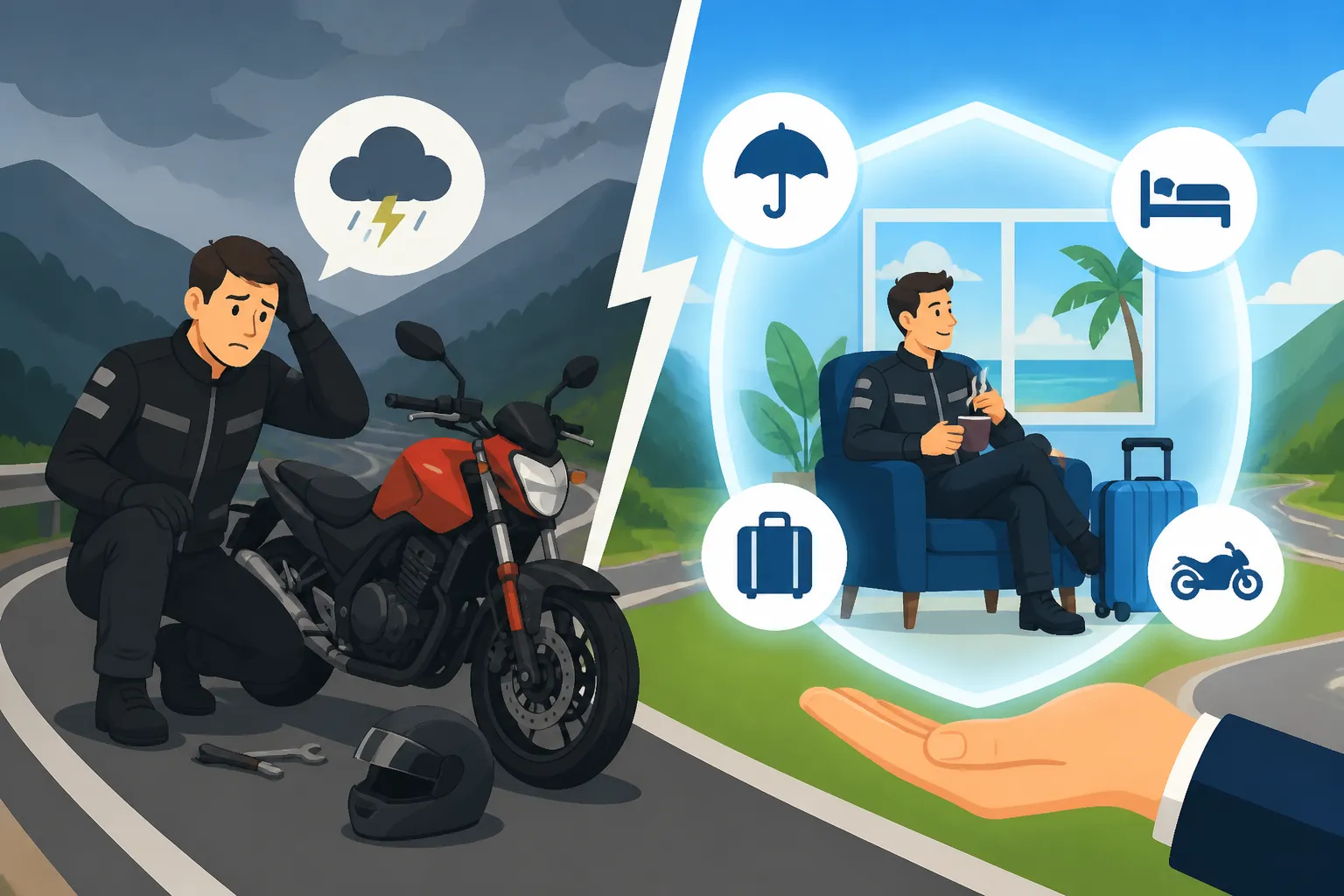
Imagine you're on your dream ride, perhaps a cross-country adventure or a weekend getaway a few states over, and suddenly, disaster strikes. Your bike has a mechanical failure that can't be fixed roadside, or you're involved in a collision that leaves your motorcycle unrideable. Without a plan, you're left scrambling for a hotel, figuring out how to get home, and wondering how your beloved machine will make it back too. This is precisely the kind of headache trip interruption coverage is designed to alleviate for motorcyclists.
Defining Trip Interruption Coverage
At its core, trip interruption coverage is an optional add-on to your standard motorcycle insurance policy that provides reimbursement for unexpected expenses when a covered event forces you to prematurely end or significantly delay a road trip. It kicks in when you're a certain distance from home – often 100 miles or more, though this can vary by insurer and policy – and something unforeseen prevents you from continuing your journey as planned. Think of it as a safety net that catches you when your travel plans unravel due to circumstances beyond your control, like an accident, a major mechanical breakdown, or even a medical emergency that requires immediate return home. It’s not about covering the cost of fixing your bike itself (that’s what your collision or comprehensive coverage is for), but rather the tangential expenses that pile up when you're stuck far from your usual support system.
How the Coverage Kicks In
The trigger for trip interruption coverage is usually a significant event that renders your motorcycle unusable or necessitates your immediate return home. For example, if you hit a deer on a backroad in Montana, your comprehensive coverage would handle the damage to your bike, but the trip interruption coverage would step in to pay for your hotel stay while repairs are assessed, a rental car to get you home, and even food expenses during that unexpected delay. The key here is that the event must be covered by your primary policy. If your bike simply runs out of gas or you decide you're tired and want to head home early, that's not typically a covered event. Insurers like Progressive and Dairyland often include this as an affordable add-on, making it a valuable consideration for any rider who frequently travels.
It’s crucial to understand the distance requirement. Most policies stipulate that you must be a minimum distance from your primary residence for the coverage to activate. This prevents claims for minor inconveniences close to home. Always check your policy's specific terms and conditions for this mileage threshold, as well as the maximum reimbursement limits for lodging, meals, and alternative transportation. This will help manage your expectations should you ever need to use it.
Common Scenarios Where Trip Interruption Coverage Kicks In
Understanding the typical scenarios where trip interruption coverage becomes a lifesaver can help you appreciate its value. It's not just about a major crash; it covers a range of unpredictable events that can ruin an otherwise perfect trip.
Unexpected Mechanical Breakdown
One of the most common and frustrating scenarios for any rider is a significant mechanical breakdown far from home. Imagine you’re cruising along the Pacific Coast Highway, enjoying the stunning views, and suddenly your engine seizes up. You’re in Big Sur, miles from a major city, and your bike needs to be towed to the nearest dealership, which might be hours away. Your regular insurance might cover the tow if you have roadside assistance, but what about you?
This is where trip interruption coverage shines. While your collision or comprehensive coverage might not cover the mechanical repair itself (unless it was caused by a covered accident), the trip interruption add-on can help with your expenses. It could cover a night or two in a hotel while you wait for a diagnosis, meals while you're stranded, and even the cost of a rental car or alternate transportation to get you home or to the next leg of your journey if the repairs are extensive. It ensures that you aren't stuck sleeping by the side of the road or draining your emergency savings account just to deal with the immediate aftermath of your bike giving up the ghost.
Accidents or Collisions Away from Home
While no one ever wants to experience a motorcycle accident, they do happen. If you’re involved in a collision hundreds of miles from your familiar stomping grounds, the physical and emotional toll is immense, but the logistical nightmare can quickly follow. Your primary motorcycle insurance will handle the repairs to your bike (or declare it a total loss) and cover medical expenses if you have that coverage, but how do you manage while the dust settles?
Consider a situation where you have a fender bender in a small town in Arizona. Your bike is rideable but needs assessment, and you need to stay put for a few days while the local shop orders parts or the insurance adjuster takes a look. Trip interruption coverage would help pay for your hotel room, give you a per diem for food, and perhaps even cover the cost of a train ticket or flight if you decide to send your damaged bike home and return yourself. It essentially acts as a financial buffer, ensuring that the burden of being displaced doesn't add more stress to an already difficult situation. When exploring your options, using a comparison tool like The Zebra can help you see which insurers offer robust options for add-on coverages like this.
Theft or Vandalism During a Trip
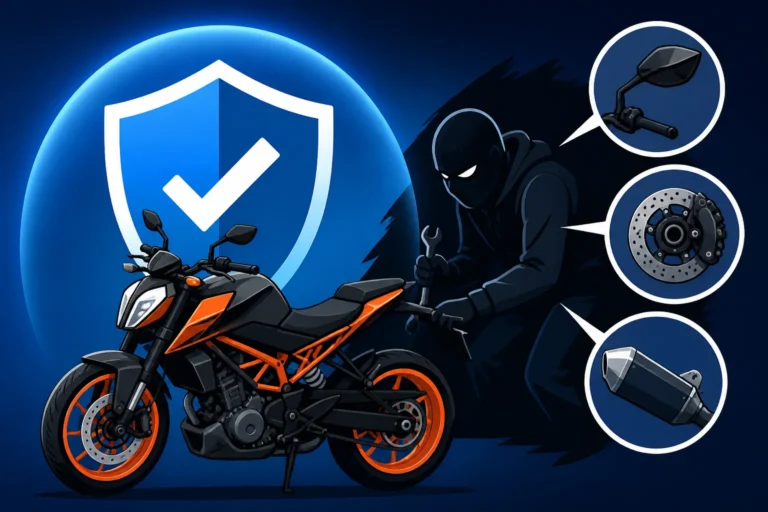
The gut-wrenching feeling of walking out to find your motorcycle stolen, or severely vandalized, is a terrible experience, made even worse when you’re away from home. Your comprehensive coverage is designed to protect you financially against theft or vandalism, but the immediate aftermath still leaves you in a bind. You’re without your primary mode of transportation, potentially in an unfamiliar city, and needing to file a police report and an insurance claim.
If your motorcycle is stolen from your hotel parking lot in New Orleans, or vandalized while parked at a scenic overlook in Colorado, trip interruption coverage can provide support. It helps cover the costs of emergency lodging, meals, and temporary transportation – perhaps a taxi to the police station or a rental car to continue your trip while your claim is being processed. This coverage ensures that even in the face of such a violation, you have the means to handle the immediate fallout without incurring significant out-of-pocket expenses. It’s important to remember that for these types of claims, reporting the incident to local law enforcement immediately is a critical first step for both your comprehensive and trip interruption coverage to be valid.
What Trip Interruption Coverage Typically Includes
When you invest in trip interruption coverage, you're buying peace of mind, knowing that a financial safety net is in place for those unexpected bumps in the road. While specific limits and what’s covered can vary, there are some common elements you can expect to find.
Reimbursement for Lodging and Meals
The most immediate concern when your trip is derailed far from home is where you'll sleep and what you'll eat. Trip interruption coverage is specifically designed to help with these basic necessities. If your bike needs significant repairs after an incident, and you're stuck waiting for parts or a mechanic, your policy can reimburse you for your hotel stays. This isn't usually for luxury suites, but for reasonable accommodations that prevent you from being stranded.
For example, if you're on a long ride through Texas and your bike breaks down in Amarillo, requiring a 3-day repair, your coverage could pay for your hotel for those nights. Alongside lodging, it often includes a per diem for meals. This means you don't have to worry about the cost of every breakfast, lunch, and dinner while you're unexpectedly delayed. Many policies set a daily maximum for both lodging and meals, so it's always wise to know these limits. This way, you can choose accommodations and dining options that fit within your coverage, avoiding surprises. Without this coverage, even a few days of hotel stays and restaurant meals can quickly add up, especially if you're traveling solo and don't have anyone to split costs with.
Alternate Transportation Costs
Getting home or to your destination without your motorcycle is another major hurdle. This is where trip interruption coverage proves incredibly useful by covering alternate transportation. If your bike is rendered unrideable and the repairs will take too long or are too costly to justify on the spot, you might need to find another way to continue your journey or return home.
This coverage can kick in to pay for a rental car, a train ticket, or even a flight. Imagine you're riding through the Smoky Mountains, and your bike is totaled in a collision. After dealing with the initial shock and filing the necessary reports, your insurance would step in to cover the cost of a flight from Knoxville, Tennessee, back to your home in Michigan. This prevents you from being stuck without a ride, having to rely on expensive last-minute bookings out of your own pocket. Some policies might have limits on the type or class of rental car, or require you to choose the most economical option for flights or trains, so be sure to clarify these details with your provider. It’s also good to know if there's a specific limit on the total amount reimbursed for alternate transport.
Motorcycle Recovery and Rental
While your standard roadside assistance (if you have it) might cover the initial tow to the nearest repair shop, trip interruption coverage can extend to the cost of getting your damaged or recovered motorcycle back home if it's not being repaired locally. This is a huge benefit, especially for long-distance travelers. Think about the logistics and cost of shipping a non-operational motorcycle from, say, Seattle, Washington, back to Miami, Florida. That's a serious expense.
Some policies, as part of trip interruption, will help cover these recovery costs, ensuring your bike doesn't become a permanent resident of a distant repair shop. Additionally, in some cases, if your motorcycle is out of commission due to a covered incident, and you choose to stay and wait for repairs, the coverage might include reimbursement for a rental motorcycle (if available and specified in your policy) to allow you to continue enjoying your trip while yours is being fixed. This is less common but worth asking about when comparing different insurers. Understanding the nuances of what's covered for motorcycle recovery is critical, as these costs can be substantial. For more details on what comprehensive coverage entails, you might find our guide on what does full coverage motorcycle insurance mean? helpful.
Who Benefits Most from Trip Interruption Coverage?
Not every rider will find trip interruption coverage equally essential, but for certain types of motorcyclists and particular riding habits, it becomes an invaluable addition to their policy.
Long-Distance and Touring Riders
If you're the kind of rider who lives for the open road, taking multi-day or multi-week tours that stretch across states or even the entire country, then trip interruption coverage is practically a must-have. When you’re routinely hundreds or thousands of miles from home, the chances of encountering an unforeseen issue – a breakdown, an accident, or even severe weather that makes riding impossible – increase dramatically. Being stranded in an unfamiliar town in the middle of a vast state like Colorado or Wyoming without this coverage could mean thousands of dollars in unexpected expenses.
Touring riders often have specific bikes designed for comfort and luggage, like a Harley-Davidson Ultra Limited or a Honda Gold Wing, and these machines, while robust, are not immune to mechanical woes or road hazards. If your Gold Wing breaks down in the middle of a national park, the costs of a tow, a hotel stay for several nights, meals, and then potentially flying home while your bike is shipped for repair, can quickly spiral. This coverage mitigates that financial risk, allowing you to focus on the adventure, knowing you have a safety net. It provides a level of freedom and confidence to explore without constantly worrying about "what if" scenarios.
Riders Traveling to Remote Areas
For those who deliberately seek out the less-traveled paths, venturing into remote regions, national forests, or small, isolated towns, trip interruption coverage offers crucial peace of mind. In these areas, resources are scarce. The nearest qualified mechanic might be hours away, rental cars might be nonexistent, and public transportation options are often limited or non-existent.
Imagine a journey through the backroads of Utah or the deserts of Nevada. If your dual-sport bike breaks down 150 miles from the nearest town with a reputable repair shop, you’re not just dealing with the breakdown; you’re dealing with the logistical nightmare of finding a tow, a place to stay, and a way to get around in an area with minimal infrastructure. This coverage can make the difference between a frustrating delay and a full-blown crisis. It ensures that even when you’re pushing the boundaries of adventure, you’re not completely on your own if something goes wrong. For anyone who loves exploring off the beaten path, this coverage is a practical investment.
Riders with Financed Motorcycles
If your motorcycle is financed, meaning you still owe money on it, then protecting your investment with comprehensive coverage is already a smart move. However, adding trip interruption coverage provides an extra layer of financial security that is particularly relevant. When you have a loan on your bike, an incident that takes it out of commission while on a trip doesn't just halt your travel plans; it creates a financial double-whammy: you might still be making loan payments on a bike you can't ride, and you have unexpected travel expenses.
If your financed bike is damaged or totaled far from home, trip interruption coverage helps bridge the gap created by your immediate needs (lodging, food, transport) while you work through the insurance claim process for the bike itself. This prevents you from having to dip into savings to cover these emergency costs, allowing you to maintain your financial stability. It’s an important consideration, as many financed bikes also require certain levels of coverage, as discussed in our guide on Motorcycle Insurance Requirements for Financed Bikes. This helps ensure that an incident on the road doesn't put you in an even tighter financial spot.
How to Add Trip Interruption Coverage to Your Motorcycle Policy
Adding trip interruption coverage to your motorcycle insurance policy is usually a straightforward process, but it requires a bit of research and communication with your insurance provider. It's often offered as an optional add-on, meaning it won't be part of a basic liability policy.
Reviewing Your Current Policy
Before you do anything else, grab your current motorcycle insurance policy documents and give them a good read-through. Many riders are surprised by what they already have or don't have. Look for sections related to "additional coverages," "endorsements," or "optional benefits." Sometimes, a basic form of trip interruption might be bundled with a premium package or included if you have high levels of comprehensive and collision coverage.
Pay close attention to the details: Does it exist? What are the mileage requirements (e.g., must be 100 miles from home)? What are the daily and total reimbursement limits for lodging, meals, and alternative transportation? And perhaps most importantly, what events trigger the coverage? Is it just accidents, or does it include mechanical breakdowns, theft, or even medical emergencies? Knowing what you already have will help you determine if you need to add this coverage, enhance existing coverage, or switch providers. This initial review is also a good time to consider other add-ons like Roadside Assistance & Towing for Motorcycles if you don't already have it, as it complements trip interruption coverage perfectly.
Contacting Your Insurance Provider
Once you understand your current coverage, the next step is to reach out to your insurance agent or directly to your insurance company's customer service. This is the most direct way to inquire about adding trip interruption coverage. Be prepared to ask specific questions. You'll want to know:
- Is trip interruption coverage available for my specific policy and motorcycle type?
- What are the precise triggers for the coverage (e.g., collision, comprehensive event, mechanical breakdown)?
- What is the distance requirement from home for the coverage to activate?
- What are the daily and total limits for lodging, meals, and transportation reimbursement?
- Are there any deductibles associated with this coverage? (Some policies might have one, others might not).
- What is the additional premium cost for this add-on?
Don't be afraid to ask for a breakdown of the costs and to understand how it integrates with your existing policy. For instance, if you have a policy with State Farm or Allstate, they will have specific options tailored to their offerings. It's also a good opportunity to discuss any other coverage needs you might have, like Accessories & Custom Parts Coverage Explained if you’ve added aftermarket modifications to your bike. A good agent will walk you through all the details and help you make an informed decision based on your riding habits and budget.
Comparing Options and Quotes
If your current provider doesn't offer trip interruption coverage, or if the terms and costs aren't competitive, it's time to shop around. This is a perfect scenario to leverage online comparison tools and get multiple quotes. Websites like The Zebra allow you to input your information once and receive quotes from several different insurers, making it easy to see which companies offer this specific coverage and at what price.
When comparing quotes, don't just look at the bottom line. Dive into the policy details. A slightly cheaper policy might have lower reimbursement limits, a higher mileage threshold, or more restrictive triggers for coverage. You'll want to ensure that the coverage you're purchasing truly meets your potential needs as a touring rider. Look for insurers known for robust motorcycle policies, such as Progressive, Geico, or Markel, as they often have a wider array of specialized add-ons. Consider requesting quotes for different levels of trip interruption coverage if available, to see how increasing the reimbursement limits affects the premium. This comparison process ensures you're getting the best value and the most comprehensive protection for your road trips. For a broader understanding, our guide on How to Compare Motorcycle Insurance Quotes offers more insights.
Weighing the Costs and Benefits of Trip Interruption Coverage
Like any optional insurance add-on, trip interruption coverage comes with its own set of costs and benefits. It’s about assessing your personal riding style, risk tolerance, and budget to decide if it's the right choice for you.
Understanding the Additional Premium
The cost of adding trip interruption coverage to your motorcycle policy is generally quite affordable, especially when compared to the potential out-ofpocket expenses it can save you. It's usually a small fraction of your overall premium, often adding just an extra $10 to $50 per year, though this can vary based on your location, riding history, the value of your bike, and the limits you choose for the coverage.
For example, a rider in Florida who frequently travels up the East Coast might pay slightly more than someone who rarely leaves their home state. The key is to get a specific quote for your situation. While it might seem like just "another fee," consider it an investment in peace of mind. If you ever have to use it, the reimbursement for even a single night's hotel stay and a couple of meals can easily outweigh years of premiums paid for this coverage. It's a small recurring cost that hedges against a potentially large, unpredictable expense.
The Peace of Mind Factor
The biggest benefit of trip interruption coverage isn't just the financial reimbursement; it's the profound peace of mind it offers. When you're hundreds of miles from home and something goes wrong, the mental stress of figuring out logistics and finances can be overwhelming. Knowing that your insurance has your back for unexpected lodging, meals, and alternative transportation allows you to focus on resolving the primary issue (like getting your bike repaired or dealing with an accident) rather than stressing about where you'll sleep or how you'll get home.
This peace of mind encourages riders to embark on longer, more adventurous trips, knowing they have a safety net. It frees you from the constant "what if" worry that can detract from the joy of the ride. For example, if you're on a two-week trip through the Pacific Northwest and your motorcycle breaks down in a remote part of Oregon, the last thing you want to do is start scouring for cheap motels or worrying about the cost of a rental car. The knowledge that these expenses are covered can make a significant difference in your ability to handle the situation calmly and effectively. It means that an unfortunate incident doesn't have to completely derail your entire experience.
Potential Drawbacks and Limitations
While trip interruption coverage is incredibly beneficial, it's important to be aware of its potential limitations. First, remember the mileage threshold: if you break down 50 miles from home, it likely won't apply. Second, there are always reimbursement limits. If your policy only covers $50 per day for lodging and you choose to stay in a $200-a-night hotel, you'll be responsible for the difference. Similarly, there are often maximum total amounts for the entire incident, so a very long, drawn-out delay could potentially exceed your coverage.
Another crucial point is that it typically only activates for covered perils. If your bike breaks down due to lack of maintenance, or if you simply decide to cut your trip short for non-emergency reasons, the coverage won't apply. It's not a general travel insurance policy for any travel hiccup. Some policies also have a deductible for trip interruption claims, meaning you'd pay a small out-of-pocket amount before the coverage kicks in. Always read the fine print and discuss these limitations with your insurance provider. Understanding these nuances will help you set realistic expectations and ensure the coverage truly aligns with your needs. When thinking about changing policies, remember to check our guide on How to Switch Motorcycle Insurance Companies.
| Aspect | What Trip Interruption Coverage Typically Offers | Key Considerations |
|---|---|---|
| Purpose | Reimburses unexpected expenses when a covered event derails a long-distance motorcycle trip. | Not for general travel cancellations; only for specific incidents like accidents, breakdowns, theft. |
| Trigger Distance | Typically activates when you are 100+ miles from your primary residence. | Varies by insurer; always confirm your policy's specific mileage threshold. |
| Covered Expenses | Lodging (hotel/motel stays), meals, and alternative transportation (rental car, flight, train). | Subject to daily and total reimbursement limits; choose economical options. |
| Bike Recovery | May include costs for returning your damaged or stolen bike to your home or chosen repair facility. | Less common than personal expenses; verify if included and what the limits are. |
| Activating Events | Usually triggered by incidents covered by your collision or comprehensive insurance, or significant mechanical breakdowns. | Must be a covered event; not for routine maintenance or personal decision to end trip. |
| Cost | Generally an affordable add-on, often $10-$50 per year. | The premium varies based on location, bike type, and chosen coverage limits. |
| Beneficiaries | Most beneficial for long-distance, touring, remote area riders, and those with financed motorcycles. | Less critical for casual, local riders who stay close to home. |
| Limitations | Reimbursement limits, mileage minimums, specific covered perils, potential deductibles. | Always read policy details to understand what is and isn't covered. |
Conclusion: Riding with Confidence and a Safety Net
For many of us, motorcycling is more than just transportation; it's a lifestyle, an adventure, and a path to freedom. But even the most meticulously planned trips can hit unexpected bumps in the road. Trip interruption coverage for motorcycles is a thoughtful, often affordable, addition to your insurance policy that provides a crucial safety net. It transforms a potentially disastrous and financially draining situation into a manageable inconvenience, ensuring that an unforeseen event doesn't completely derail your entire journey.
Whether you're embarking on epic cross-country tours, exploring remote scenic routes, or simply enjoy the occasional long weekend getaway, this coverage offers invaluable peace of mind. It allows you to hit the highway with confidence, knowing that if a major breakdown, an accident, or even theft occurs far from home, you won't be left stranded and scrambling to cover exorbitant, last-minute expenses for lodging, meals, and a way back. So, before your next big adventure, take a moment to review your policy and consider adding this small but mighty layer of protection. It truly lets you focus on the ride, wherever the road may take you.
Disclaimer
Please remember that insurance policies, coverage options, and state requirements can change. The information provided in this guide is for general informational purposes only and does not constitute professional insurance advice. Always consult directly with a licensed insurance agent or review your specific policy documents to understand your coverage, terms, and conditions.