What Is Passenger Coverage on a Motorcycle?
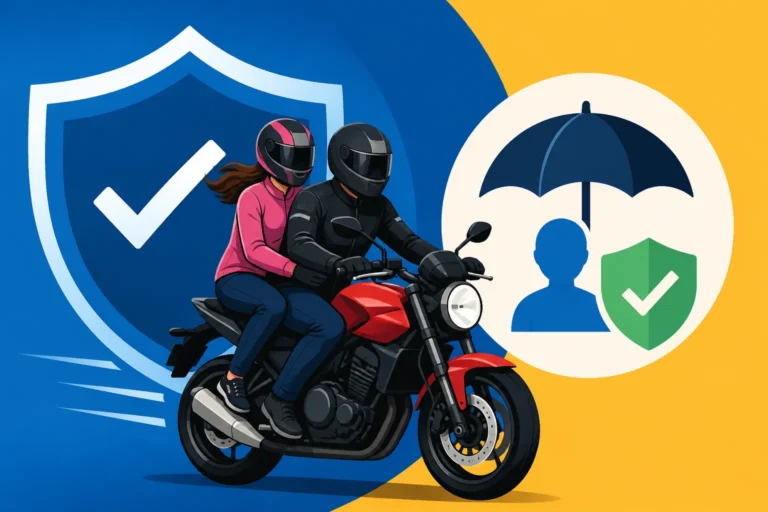
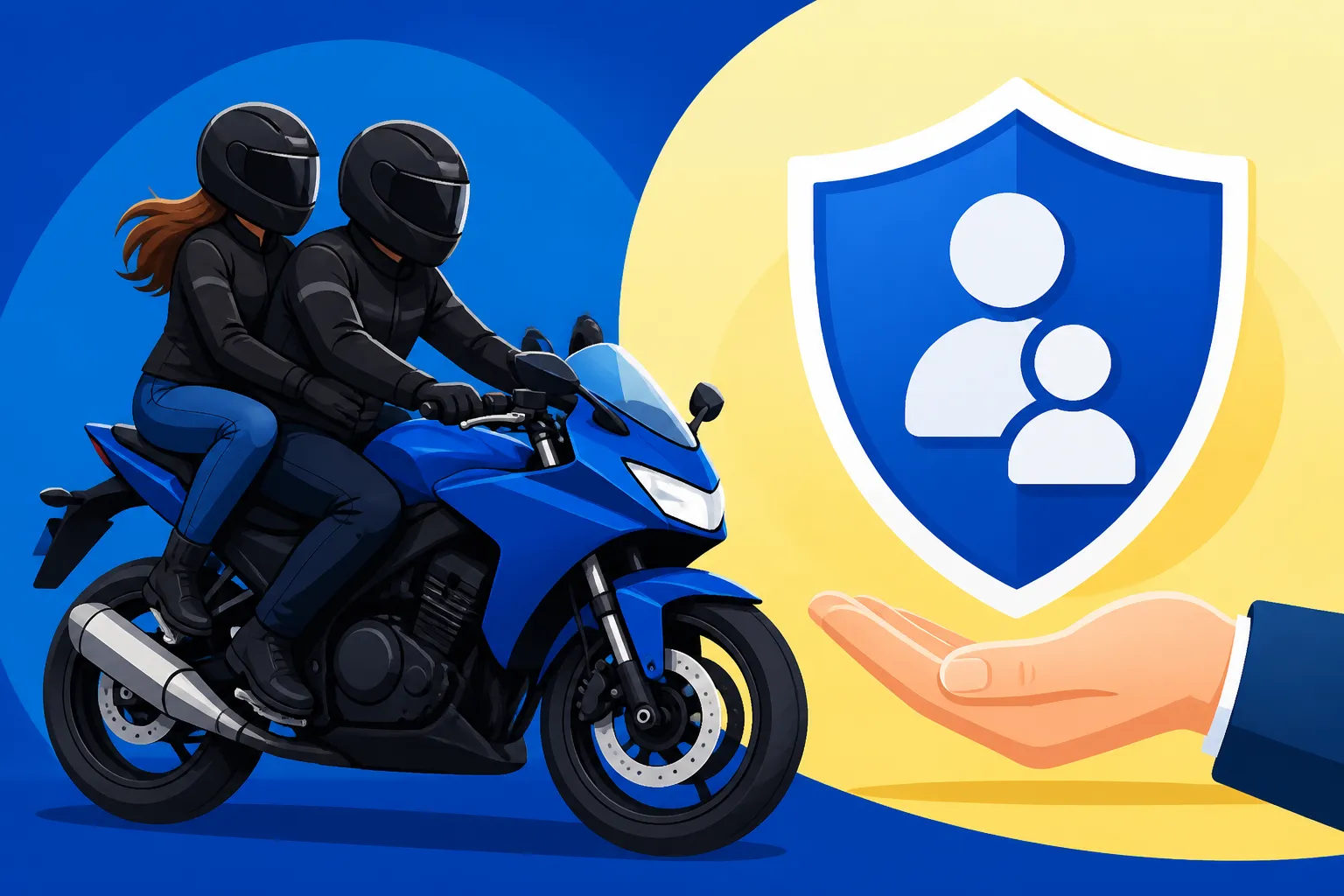
You love the open road, the wind in your face, and the rumble of your engine. But when you share that experience with someone special on the back of your bike, a different kind of concern often creeps in: "What if something happens to them?" It's a valid worry. Motorcycle insurance can feel like a tangled web, and figuring out if your passenger is truly protected can be baffling. This guide is here to untangle that knot, explaining exactly what motorcycle passenger coverage entails and how to ensure your pillion rider is as safe as possible, financially speaking, should the unthinkable occur.
Understanding the Basics of Passenger Coverage
Riding with a passenger adds a whole new layer of responsibility and, naturally, a different dimension to your insurance needs. It’s not just about you and your bike anymore; it's about the person behind you, entrusting their safety to you and your machine. Many riders assume that if they have "full coverage," their passenger is automatically protected. While full coverage is a great starting point for yourself and your bike, the specifics of passenger protection can vary wildly, and it's crucial to understand the nuances.
Why Passenger Coverage Matters Beyond Just Your Ride
Think about it this way: your motorcycle insurance policy is primarily designed to protect you, your motorcycle, and third parties you might injure or damage. When you add a passenger, they become a unique entity. They're not a "third party" in the traditional sense because they're with you, but they're also not "you" in the eyes of your policy when it comes to personal injury. This distinction is where things get tricky, and why dedicated attention to passenger coverage is so important.
Imagine a beautiful Sunday ride through the Texas Hill Country, taking a friend on your Harley-Davidson. Suddenly, a deer darts out, and you lay the bike down. You're shaken, perhaps a few scrapes and bruises, but your friend, unfortunately, suffers a broken arm and a concussion. Without proper passenger coverage, who pays for their ambulance ride, emergency room visit, and weeks of physical therapy? Relying solely on your friend's personal health insurance might seem like an option, but that often comes with high deductibles and co-pays, leaving them with significant out-of-pocket expenses. This is precisely why understanding and securing adequate coverage for your passenger isn't just a good idea; it's a moral imperative. It protects your passenger from financial hardship and protects you from potential lawsuits, even if the accident wasn't your fault.
The Role of Liability Insurance for Passengers
Your basic liability insurance, which is legally required in most states, is designed to cover damages and injuries you cause to others. This typically includes pedestrians, other drivers, and their vehicles. But does it cover your passenger? This is where many riders get confused.
Here's the general rule: if you are at fault for an accident and your passenger is injured, your bodily injury liability coverage could kick in to cover their medical expenses. They are considered a "third party" in this specific scenario, as they are not the policyholder and have been injured due to your negligence. For example, if you misjudge a turn on a winding road in California and crash, and your passenger breaks their collarbone, your liability coverage would be the primary source for their medical bills, up to your policy limits.
However, there's a significant caveat. Liability coverage often has limits, usually expressed as split limits like 25/50/25, which means $25,000 for bodily injury per person, $50,000 for bodily injury per accident, and $25,000 for property damage. If your passenger's injuries are severe – think multiple surgeries, extensive rehabilitation, or long-term care – those limits can be exhausted very quickly. When the medical bills exceed your liability limits, your passenger could potentially sue you for the remaining balance. This is why having higher liability limits is crucial, especially if you regularly ride with passengers. For a deeper dive, check out our guide on Minimum Liability Insurance Explained (The Three Numbers).
Specific Coverage Types That Protect Your Passenger
While liability is a baseline, it's often not enough. There are other specific types of coverage designed to provide direct financial protection for your passenger, regardless of fault, or in situations where the at-fault driver is underinsured or uninsured. These additional coverages are not always mandatory, but they are incredibly valuable.
Medical Payments MedPay Coverage
Medical Payments (MedPay) coverage is a fantastic, often overlooked, add-on that provides immediate relief for medical expenses following a motorcycle accident, regardless of who was at fault. This is a game-changer for passengers. Unlike liability, which only pays if you're at fault, MedPay covers reasonable medical expenses for you and your passengers if injured in an accident, up to the policy limit. This includes ambulance rides, hospital stays, doctor visits, and even funeral expenses.
Let’s say you’re cruising through Florida and get into a fender bender with another car. The other driver is clearly at fault, but their insurance company is slow to process the claim, or their bodily injury limits are low. Your passenger needs immediate medical attention. MedPay can step in and pay those bills right away, without waiting for fault to be determined or for the other driver's insurance to respond. It acts as a quick-response fund, ensuring your passenger gets the care they need without delay or out-of-pocket stress. This can be especially important in states like Florida, where accident benefits and insurance nuances can be complex. You can learn more about this in our article What Is Medical Payments MedPay for Riders?.
| Coverage Type | What It Primarily Covers | How It Helps Your Passenger | Who Pays First |
|---|---|---|---|
| Bodily Injury Liability | Injuries to others when you are at fault | Medical bills if you are at fault | Your insurer (if you're at fault) |
| Medical Payments (MedPay) | Medical expenses for you and your passengers, regardless of fault | Immediate medical bills, regardless of fault | Your insurer |
| Uninsured/Underinsured Motorist Bodily Injury | Your and your passenger's injuries when hit by an uninsured/underinsured driver | Medical bills if hit by an uninsured/underinsured driver | Your insurer |
Uninsured/Underinsured Motorist Coverage and Passengers
Imagine you're riding with a friend in Arizona, enjoying the desert landscape. Another driver blows a stop sign, hits your bike, and then you discover they don't have any insurance, or their minimum liability coverage is far too low to cover the extensive injuries you and your passenger sustain. This is a rider's worst nightmare, and unfortunately, it happens more often than you think. This is where Uninsured/Underinsured Motorist (UM/UIM) coverage becomes a lifesaver.
UM/UIM bodily injury coverage protects you and your passenger when you're involved in an accident with a driver who either has no insurance (uninsured) or not enough insurance (underinsured) to cover your medical bills and lost wages. Many states don't require UM/UIM, but it is an incredibly vital component of comprehensive protection, especially for passengers. If your passenger is seriously injured by an uninsured driver, your UM/UIM coverage can pay for their medical treatment, rehabilitation, and even pain and suffering, up to your policy limits. This coverage steps in to fill the gap left by irresponsible drivers, providing a safety net that could otherwise leave your passenger with insurmountable medical debt. When considering how much coverage you actually need, this is one area where skimping can have severe consequences.
Common Misconceptions and Real-World Scenarios
It’s easy to make assumptions about insurance, especially when the information can be so dense and confusing. Let's clear up some common misunderstandings about passenger coverage and walk through a few real-life situations that highlight why understanding these coverages is so critical.
"My Passenger Has Their Own Health Insurance"
This is one of the biggest misconceptions out there. While it's great if your passenger has their own health insurance, it's absolutely not a substitute for proper motorcycle passenger coverage. Why?
Firstly, personal health insurance policies often come with significant deductibles, co-pays, and out-of-network limitations. If your passenger is injured, they might have to pay thousands of dollars out-of-pocket before their health insurance even begins to pay. In the immediate aftermath of an accident, an ambulance ride and emergency room visit alone can easily hit those deductibles.
Secondly, health insurance generally doesn't cover things like lost wages, pain and suffering, or long-term rehabilitation not deemed "medically necessary" in the same way an auto insurance policy might. If your passenger is an independent contractor and can't work for weeks due to injuries from an accident you were involved in, their health insurance isn't going to cover their lost income.
Thirdly, relying solely on their health insurance might prompt their health insurer to seek reimbursement from your motorcycle insurance if you were at fault. This process, known as subrogation, can complicate things and potentially lead to a lawsuit if not handled correctly. It’s far simpler and more responsible to ensure your motorcycle policy has adequate provisions, like MedPay or strong liability limits, to cover your passenger's injuries directly. A service like The Zebra can help you compare policies that offer robust MedPay options.
What Happens in a Single-Vehicle Accident with a Passenger?
Single-vehicle accidents are unfortunately a reality for motorcyclists. Maybe you hit a patch of gravel, misjudge a curve, or simply lose control for an unexpected reason. In these situations, there's no other driver to blame. So, how does your passenger's injury claim work?
This is where MedPay becomes incredibly valuable. If you have MedPay coverage, it will pay for your passenger's medical expenses, up to the policy limit, because fault isn't a factor. It's designed to cover injuries to anyone on your bike, including you, regardless of how the accident happened.
Without MedPay, the situation gets much trickier. If you were negligent in some way that led to the accident (e.g., speeding, distracted riding), your passenger could potentially file a claim against your bodily injury liability coverage. Yes, even if they are your friend or family member, they could technically sue you to recover their medical costs and other damages. This is a tough scenario for any relationship, and it's precisely what you want to avoid by having sufficient MedPay and high liability limits. The last thing you want is a legal battle with someone you care about, all because of an unfortunate accident. Our guide on What Happens If You Ride Without Insurance? really drives home the financial risks of inadequate coverage.
How to Ensure Your Passenger is Adequately Covered
Now that we understand the various coverages and why they're important, let's talk about practical steps you can take to make sure your passenger is truly protected when they ride with you. This isn't just about ticking boxes; it's about peace of mind for both of you.
Reviewing Your Current Policy and Options
The first step is always to pull out your current motorcycle insurance policy documents and actually read them. I know, I know, insurance documents aren't exactly thrilling beach reads, but this is important. Look specifically for:
- Bodily Injury Liability Limits: What are your per-person and per-accident limits? If you ride with passengers, consider increasing these significantly. A $100,000 per person / $300,000 per accident limit is a much safer bet than the state minimums.
- Medical Payments (MedPay) Coverage: Do you have it? If so, what are the limits? If not, can you add it? I almost always recommend adding MedPay, especially if you carry passengers. Even $5,000 or $10,000 in MedPay can make a huge difference in covering immediate medical costs.
- Uninsured/Underinsured Motorist (UM/UIM) Bodily Injury Coverage: Check your limits here too. This is crucial for protecting your passenger if an uninsured driver injures them.
Don't hesitate to call your insurance agent directly. They can walk you through your current policy, explain what each coverage means for a passenger, and recommend adjustments based on your riding habits. Sometimes, an experienced agent can highlight gaps you never even considered. Companies like Progressive or Dairyland are often well-versed in motorcycle-specific coverages and can provide tailored advice.
Shopping for Comprehensive Passenger Protection
If your current policy doesn't offer the robust passenger protection you're looking for, or if you're not sure you're getting the best rates, it's time to shop around. Just like you wouldn't settle for the first bike you see, you shouldn't settle for the first insurance quote either.
When comparing quotes, make sure you're getting apples-to-apples comparisons. Don't just look at the total premium; delve into the specific coverage amounts for liability, MedPay, and UM/UIM. Ask how each policy treats passenger injuries in both at-fault and not-at-fault scenarios.
Websites like The Zebra can be incredibly helpful for this. They allow you to input your information once and get multiple quotes from different providers, making it easier to see which companies offer the best value for comprehensive coverage, including those crucial passenger protections. Remember to ask about discounts too. Things like completing a motorcycle safety course, being a mature rider, or bundling your motorcycle insurance with your auto or home insurance can significantly reduce your premiums. This allows you to potentially increase your coverage limits for passengers without breaking the bank.
Ultimately, ensuring your passenger is adequately covered is about being a responsible rider. It’s about more than just legal compliance; it’s about acknowledging the inherent risks of motorcycling and taking proactive steps to protect those you care about who share the ride. Don't let uncertainty cloud your enjoyment of the open road. Ride prepared, ride protected, and ride free! For more on specific coverage, check out our guide on What Does Motorcycle Liability Insurance Cover?. Also, if you're curious about different types of protection, a dive into Types of Motorcycle Insurance Coverage Explained can be very beneficial.
Disclaimer
This article is for general informational purposes only and does not constitute professional advice. Laws, prices and regulations vary by location and change over time. Consult a qualified professional for guidance on your specific situation.