Harley-Davidson Insurance Cost
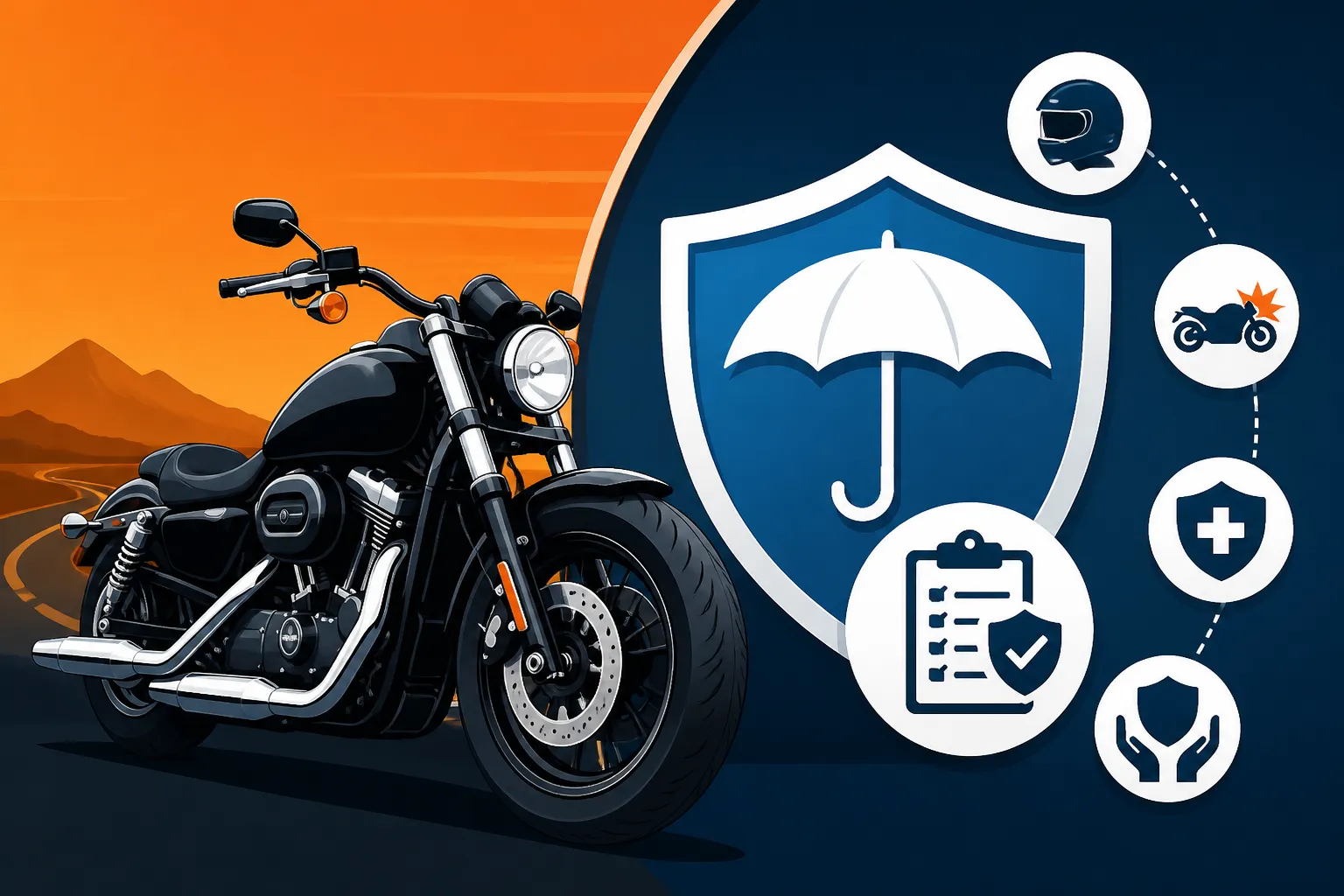
You finally pulled the trigger on that beautiful Milwaukee-Eight engine, but then you saw the insurance quote and felt a sharp sting in your wallet. It is a common frustration: owning an American icon often comes with a premium that goes far beyond the initial MSRP. This guide breaks down exactly why Harley-Davidson insurance costs what it does and how you can find the sweet spot between protection and price.
Understanding the Harley-Davidson Premium
There is a specific kind of "sticker shock" that happens when you transition from a standard metric cruiser to a Harley-Davidson. You aren't just paying for the name; you are paying for the reality of what it costs to repair, replace, and recover these machines. Insurance companies view Harleys through a different lens than a Kawasaki or a Yamaha because the market behavior surrounding Harleys is unique.
The Cost of Chrome and Customization
One of the biggest reasons your premium might be higher than expected is the sheer amount of after-market value tied up in the bike. Most Harley owners don't leave their bikes stock. Whether it is Stage II kits, custom Screamin' Eagle pipes, or upgraded handlebars, these additions increase the "Replacement Cost" of the vehicle. If you don't have Accessories & Custom Parts Coverage Explained properly set up, you might be underinsured, but having it definitely bumps up the monthly bill.
In a real-world scenario, imagine you drop your bike in a parking lot. On a standard bike, you might replace a plastic fairing. On a Harley, you are often looking at re-chroming or replacing heavy metal components that are significantly more expensive to source and labor-intensive to install. Insurers know this, and they price that risk into every policy.
Theft Risk and Market Value
Harleys consistently rank high on the list of most-stolen motorcycles, not necessarily because they are easier to steal, but because their parts have such high resale value. A dismantled Street Glide can be sold for parts in a matter of hours in any major metropolitan area. This high demand in the "secondary market" makes Harleys a prime target for professional thieves.
When an insurer calculates your rate, they look at the theft statistics for your specific zip code. If you live in an urban center like Miami or Los Angeles, your Harley-Davidson Insurance Cost will be significantly higher than someone living in a rural area with a locked garage. They are essentially betting on the likelihood that they will have to pay out a total loss claim for theft.
Repair Network Limitations
While you can take a Honda to almost any independent shop, many Harley owners insist on using certified dealerships to maintain the integrity of the bike and its warranty. Dealership labor rates are notoriously higher than independent shops. Insurance companies have to account for these higher labor costs when they estimate potential claims.
Furthermore, OEM (Original Equipment Manufacturer) parts for Harleys are priced at a premium. If your policy includes a provision for OEM parts replacement, you are going to see that reflected in your premium. It is a classic trade-off: you want the best parts for your bike, but the insurance company wants to make sure you pay for that privilege upfront.
Average Insurance Costs by Harley Model
Not all Harleys are created equal in the eyes of an insurance adjuster. The difference between insuring a lightweight Sportster and a top-of-the-line CVO (Custom Vehicle Operations) model can be thousands of dollars a year. Understanding where your specific model sits on the risk spectrum is the first step in managing your expectations.
Entry-Level Cruisers
The Sportster and the newer Nightster models are generally the most affordable Harleys to insure. Because they have smaller displacements—ranging from 883cc to 1250cc—and a lower entry price, the liability risk is perceived as lower. These bikes are often favored by newer riders or those who want a nimble city bike.
However, be careful. If you are a brand-new rider, your How Much Is Motorcycle Insurance for a Beginner? query might still return high results because of your lack of experience, regardless of the bike's size. For a seasoned rider, a Sportster might only cost $300 to $500 a year to insure, whereas a beginner in a high-risk state could easily see double that.
Touring Behemoths
The heavy hitters like the Road Glide, Street Glide, and Ultra Limited are where the costs start to climb. These are heavy, expensive machines designed for long-distance travel. They often come with integrated navigation, premium sound systems, and extensive luggage—all of which are expensive to replace in a collision or theft scenario.
Because these bikes are meant for the open road, they often accumulate high annual mileage. Insurers view more time on the road as more "exposure" to potential accidents. When you look at the Touring Motorcycle Insurance Cost (Gold Wing) as a comparison, you'll see that heavy tourers across all brands command higher premiums, but the Harley badge often adds another 15-20% on top of that due to the higher market value.
High-Performance CVO and Specialty Bikes
If you are riding a CVO model, you are essentially riding a custom bike straight from the factory. These bikes can retail for over $40,000, and their insurance reflects that. In many cases, standard insurance companies won't even cover a CVO under a basic policy; you might need a specialized "Agreed Value" policy to ensure you aren't losing twenty thousand dollars the moment you ride off the lot.
For these high-end models, using a comparison tool like The Zebra can be incredibly helpful. Since not every carrier has the appetite for a $45,000 motorcycle, The Zebra allows you to see which specialized carriers are willing to offer competitive rates for high-value assets without you having to call twenty different offices.
| Harley Model Category | Estimated Annual Premium (Clean Record) | Key Cost Driver |
|---|---|---|
| Sportster / Nightster | $300 – $600 | Engine size and rider age |
| Softail / Cruiser | $500 – $900 | Market value and chrome parts |
| Touring (Road Glide) | $800 – $1,500 | High mileage and electronics |
| CVO / Tri-Glide | $1,200 – $2,500+ | Total replacement value |
Factors That Jack Up Your Harley Premium
It isn't just about the bike; it’s about who is sitting in the saddle and where that saddle is parked. Insurance is a game of variables, and some of those variables are within your control while others are dictated by your lifestyle and location.
Rider Demographics and Location
Age is a massive factor. If you are under 25 and trying to insure a Softail, prepare for a battle. Statistically, younger riders are involved in more high-speed accidents. Conversely, if you are a rider over 50, you might find that your rates are surprisingly low, as you fall into the "experienced and cautious" category.
Location is the other "uncontrollable" factor. If you live in a state with high litigation rates or high uninsured motorist numbers, your Average Motorcycle Insurance Cost by State is going to be skewed upward. For example, insuring a Harley in a state like Michigan with its unique no-fault laws will look very different from insuring one in a state like Ohio.
Engine Displacement and Performance
The "bigger is better" philosophy of Harley-Davidson can sometimes hurt you at the insurance desk. The jump from the Milwaukee-Eight 107 to the 114 or 117 might feel great when you twist the throttle, but it signals "increased risk" to an underwriter. More displacement often equates to higher repair costs and a higher potential for high-speed incidents.
When asking Does Engine Size (CC) Affect Insurance Cost?, the answer is a resounding yes. Even within the Harley family, a 1923cc engine is categorized differently than a 1200cc engine. The insurer assumes that the larger the engine, the more damage the bike can do to itself and others in an accident.
Safety Features and Anti-Theft Tech
On the flip side, Harleys that come equipped with the Reflex Defensive Rider Systems (RDRS)—which includes cornering-enhanced ABS and traction control—often qualify for safety discounts. These technologies significantly reduce the likelihood of a low-side accident or a brake-lockup situation, which insurers love to see.
Additionally, if you add a GPS tracking system or a high-quality alarm, make sure to mention it. While a disc lock is great for your peace of mind, a monitored alarm system can actually shave a few percentage points off your How to Lower Your Motorcycle Insurance Premium efforts.
How to Lower Your Harley Insurance Rates
Just because you ride a premium bike doesn't mean you have to pay a premium price without a fight. There are several strategic moves you can make to bring those monthly payments down to a manageable level without sacrificing the coverage you actually need.
Bundling and Multi-Policy Discounts
The easiest way to save is often the one people overlook: bundling. If you already have homeowners or auto insurance, adding your Harley to that existing policy can often net you a 10% to 15% discount. This is where a service like The Zebra shines, as it can help you identify which companies offer the best bundling "synergy" for your specific mix of vehicles and property.
Keep in mind that some "auto-first" companies aren't actually great at motorcycle insurance. They might offer a discount, but their claims process for a bike might be a nightmare. You have to weigh the savings against the quality of the service. Sometimes, keeping your Harley on a specialized policy with a company like Dairyland or Progressive—even without the bundle—is better for the bike's long-term protection.
Completing an MSF Course
Even if you have been riding for twenty years, taking a Motorcycle Safety Foundation (MSF) course or a Harley-Davidson Riding Academy course can trigger a "Safety Course Discount." Most insurers offer this discount for three years after you complete the course. It shows the insurer that you are committed to safe riding habits and are less likely to make a "rookie mistake" on the road.
This is especially helpful for riders who are looking into How to Get Cheap Motorcycle Insurance despite having a high-value bike. It’s a one-time investment of a weekend that pays for itself in insurance savings over the following few years. Plus, you might actually learn a thing or two about low-speed maneuvering on a heavy touring bike.
Seasonal Lay-Up Strategies
If you live in a northern state where the bike sits in the garage from November to March, you shouldn't be paying for full road coverage during those months. Many companies offer a "lay-up" or "winter storage" policy. This maintains your comprehensive coverage (for theft, fire, and falling garage rafters) while suspending your collision and liability coverage.
Using a Seasonal Lay-Up & Winter Storage Insurance strategy can save you hundreds of dollars. Just remember that you cannot take the bike out for a "sunny January day" ride if the collision coverage is suspended. If you do, and something happens, you are entirely on your own.
Comparing Coverage: Is Brand-Specific Insurance Worth It?
Harley-Davidson actually offers its own branded insurance, but they aren't the only game in town. Often, the branded insurance is underwritten by a larger carrier like Sentry or Progressive, but with specific "Harley-friendly" perks baked into the language of the policy.
Harley-Davidson Insurance vs. Standard Carriers
The benefit of going through a brand-specific program is that they understand the value of your modifications. They are less likely to argue with you about the cost of a custom paint job or a specific set of handlebars. They often include "Genuine Harley-Davidson Parts" as a standard part of the collision coverage, ensuring your bike stays 100% authentic after a repair.
Standard carriers might be cheaper, but you have to read the fine print. Will they use "aftermarket equivalent" parts to save money? If you've spent thirty thousand dollars on a bike, do you really want a generic radiator or footpegs? For many, the Harley-Davidson Insurance Review process reveals that while the price is higher, the peace of mind during a claim is worth the extra ten bucks a month.
Agreed Value vs. Actual Cash Value
This is the most critical distinction for a Harley owner. "Actual Cash Value" (ACV) takes the market price of the bike and subtracts depreciation. Because Harleys depreciate, you might find that the insurance payout after a total loss is significantly less than what it would cost to actually buy another bike like yours.
"Agreed Value" coverage allows you and the insurer to agree on a fixed value for the bike at the start of the policy. If the bike is totaled, that is the check you get. It is more expensive, but for vintage Harleys or highly customized CVOs, it is the only way to truly protect your investment. You can learn more about this in our guide on Agreed Value vs Stated Value vs Actual Cash Value.
The Role of Comparison Tools
At the end of the day, the insurance market is constantly shifting. One company might decide they have too many Harleys on their books and raise rates to discourage new business, while another company might be looking to expand their motorcycle portfolio. This is why you should never just "set it and forget it."
Using The Zebra at least once a year allows you to pulse-check the market. You might find that a different carrier has introduced a new Motorcycle Insurance Discounts You're Missing that applies perfectly to your situation. It takes five minutes and can save you the equivalent of a few tanks of premium gasoline every month.
Managing Your Harley Insurance Costs Effectively
Owning a Harley is a lifestyle choice that comes with its own set of financial realities. You can't expect to insure a 900-pound piece of American machinery for the same price as a moped. However, by being a proactive "risk manager" for your own bike, you can keep those costs from spiraling out of control.
Be honest about your modifications, invest in your own riding skills, and don't be afraid to shop around. Your Harley-Davidson Insurance Cost is a reflection of many things—your bike, your city, and your habits. By tweaking the things you can control, you can spend less time worrying about the bill and more time enjoying the rumble of the road.
| Saving Strategy | Expected Impact | Difficulty Level |
|---|---|---|
| Bundling with Auto | 10% – 20% Discount | Easy |
| MSF Safety Course | 5% – 10% Discount | Medium (requires time) |
| Increasing Deductible | 15% – 25% Reduction | Easy |
| Anti-Theft GPS | 5% Discount | Medium (requires install) |
Disclaimer
This guide is for informational purposes only and does not constitute financial or legal advice. Insurance laws and rates vary significantly by state and individual circumstances. Always consult with a licensed insurance professional or your state's department of insurance to confirm specific requirements and coverage options for your motorcycle. All estimated costs are based on general market data and are subject to change.