Is Motorcycle Insurance Required in Kentucky?
Finding accurate information about motorcycle insurance laws can feel like navigating a winding mountain road with a blurry map, especially when you're just trying to figure out if you even need it. Many riders in Kentucky assume the rules for motorcycles are identical to cars, or they might hear whispers that the Bluegrass State is more lenient. This guide is here to cut through the confusion and give you the straightforward answers you need about motorcycle insurance requirements in Kentucky, outlining exactly what you'll need to ride legally and responsibly.
Kentucky’s Motorcycle Insurance Laws at a Glance
Let's get right to it: Yes, motorcycle insurance is absolutely required in Kentucky if you plan to hit the open road. The state mandates that all registered motorcycles carry liability insurance, just like other motor vehicles. This isn't just a suggestion; it's a legal obligation designed to protect everyone on the road. The main goal of this mandatory insurance is to ensure that if you, as a rider, are at fault in an accident, there's coverage available to pay for the bodily injury and property damage you cause to others. It’s a crucial safety net, not just for other drivers, but for your own financial well-being too, preventing you from being solely responsible for potentially crippling costs out of pocket.
The Mandatory Liability Rule
In Kentucky, the core of your motorcycle insurance requirement boils down to liability coverage. This means your policy must include specific minimum amounts for bodily injury liability and property damage liability. These aren't just arbitrary numbers; they represent the maximum your insurance company will pay out for damages you're responsible for in an accident. If you're involved in a collision and found to be at fault, this coverage steps in to handle the medical bills for injuries to others and the repair costs for their vehicles or property, up to your policy limits. Without it, you'd be personally on the hook, and believe me, those costs can skyrocket faster than a sport bike hitting the straightaway.
Financial Responsibility Laws Explained
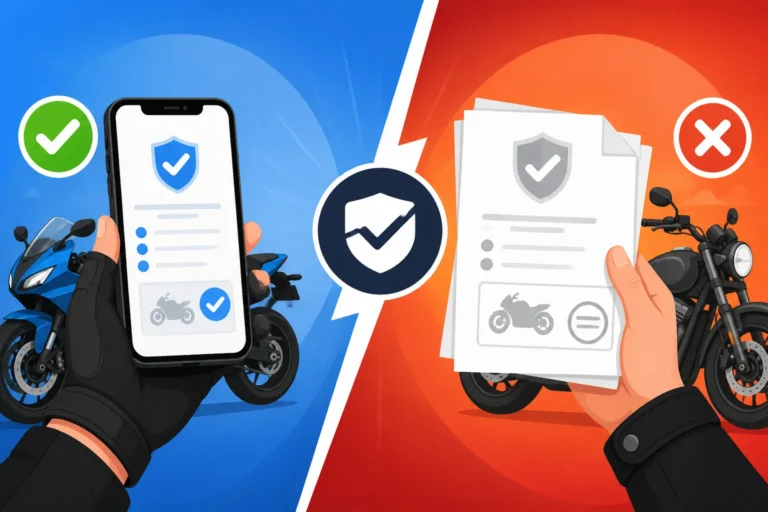
Beyond just mandating liability insurance, Kentucky operates under financial responsibility laws. This means that every driver, including every motorcyclist, must be able to prove they can cover damages if they cause an accident. For most of us, carrying a valid motorcycle insurance policy is the easiest and most common way to meet this requirement. While there might technically be other ways to prove financial responsibility, such as posting a bond with the state treasury, these options are rarely practical or even feasible for the average rider. Opting for a standard insurance policy is almost always the most sensible and legally compliant path. It’s important to always have Proof of Insurance & Registration for Motorcycles on hand when you ride, whether it's a physical card or a digital version on your phone.
Understanding Kentucky’s Minimum Coverage Requirements
Kentucky specifies exactly how much liability coverage you must carry to be legal. These numbers are often referred to as "split limits" because they detail distinct amounts for different types of damages. It’s vital to understand what these figures mean so you know exactly what your basic policy protects – and what it doesn't. While these are the bare minimums, many seasoned riders will tell you that beefing up your coverage beyond these amounts is a smart move, especially given the inherent risks of riding.
Breaking Down the “25/50/25”
Kentucky's minimum liability requirements are often expressed as "25/50/25." Here's what those numbers represent:
- $25,000 for bodily injury per person: This is the maximum your insurance will pay for medical expenses, lost wages, and pain and suffering for one individual injured in an accident where you are at fault.
- $50,000 for bodily injury per accident: This is the total maximum your insurance will pay for all injuries in a single accident you cause, regardless of how many people are hurt. If more than two people are injured and their collective damages exceed this, you could still be personally liable for the remainder.
- $25,000 for property damage per accident: This is the maximum your insurance will pay to repair or replace another person's property (like their vehicle, a fence, or a mailbox) that you damage in an at-fault accident.
These amounts are what we call Minimum Liability Insurance Explained (The Three Numbers). It's easy to see how quickly even minor accidents can exceed these limits, leaving you vulnerable to significant out-of-pocket expenses. Think about hitting a brand new truck or causing a multiple-car pile-up—those repair and medical bills could easily surpass $25,000 or $50,000.
The No-Fault System for Motorcyclists
Kentucky is known as a "choice no-fault" state, which adds a layer of complexity. For traditional motor vehicles, this means your own insurance typically pays for your medical expenses after an accident, regardless of who was at fault, up to a certain limit (Personal Injury Protection or PIP). However, for motorcyclists, it's a bit different. While Kentucky is a no-fault state, motorcyclists generally do not automatically fall under the no-fault system. This means that if you're injured in a motorcycle accident, you typically pursue a claim against the at-fault driver's bodily injury liability coverage, or your own medical payments coverage if you have it. You can, however, elect to reject no-fault coverage in Kentucky. This rejection means you preserve your right to sue or be sued for non-economic damages (like pain and suffering) without meeting a certain injury threshold, but it also means you won't have PIP coverage for your own medical bills through a no-fault system. This is an important distinction and something you should discuss with your insurance provider to fully understand your options and the implications for your coverage.
Additional Recommended Coverages Beyond the Minimum
While Kentucky's minimum liability coverage will keep you legal, it offers zero protection for your own bike or your own injuries. That's why most experienced riders strongly recommend exploring additional types of coverage.
Here's a quick look at some popular and highly beneficial options:
- Collision Coverage: This pays for damages to your motorcycle if you hit another vehicle or object, or if your bike rolls over, regardless of who is at fault. If you have a financed bike, your lender will almost certainly require this.
- Comprehensive Coverage: This protects your motorcycle from non-collision-related incidents. Think theft, vandalism, fire, natural disasters, or hitting an animal. If your motorcycle gets stolen or damaged while parked, this is the coverage that steps in. You can learn more about What Is Comprehensive Motorcycle Insurance? to see if it's right for you.
- Uninsured/Underinsured Motorist (UM/UIM) Coverage: This is incredibly important, especially for motorcyclists. It protects you if you're hit by a driver who doesn't have insurance or doesn't have enough insurance to cover your damages. Given the number of uninsured drivers out there, this coverage can be a lifesaver.
- Medical Payments (MedPay) or Personal Injury Protection (PIP): Although Kentucky's no-fault system is different for bikes, you can often add MedPay coverage to your policy. This pays for your medical expenses (and sometimes those of your passenger) regardless of who was at fault in an accident, up to the policy limit. It's a quick way to get medical bills paid without waiting for fault to be determined.
- Accessories and Custom Parts Coverage: If you've invested in aftermarket parts, custom paint, or other upgrades, your standard policy might not fully cover them. This specialized coverage ensures your unique touches are protected. Many riders spend thousands on their bikes, and having Accessories & Custom Parts Coverage Explained is essential to protect that investment.
- Roadside Assistance: If your bike breaks down, this coverage can get you a tow to the nearest repair shop, which is invaluable when you're stranded.
Choosing the right blend of coverages depends on your bike's value, your financial situation, and your personal risk tolerance.
Here’s a summary of Kentucky’s minimum requirements and some recommended additional coverages:
| Coverage Type | Kentucky Minimum Requirement | What It Covers | Why You Might Want More/Add-On |
|---|---|---|---|
| Bodily Injury Liability | $25,000 per person / $50,000 per accident | Injuries to others if you're at fault | Minimums are often insufficient for serious injuries, leaving you personally liable. Higher limits offer greater financial protection. |
| Property Damage Liability | $25,000 per accident | Damage to others' property if you're at fault | Modern vehicles are expensive to repair or replace. Exceeding this limit is common, especially in multi-vehicle incidents. |
| Recommended Add-Ons | Not Required | What They Cover | Why They're Important |
| Collision Coverage | Optional | Damage to your own motorcycle from an accident with another vehicle or object | Protects your investment in your bike, especially if it's new, financed, or valuable. Without it, repairs/replacement for your bike come out of your pocket. |
| Comprehensive Coverage | Optional | Damage to your own motorcycle from non-collision events (theft, fire, vandalism, animal strikes, natural disasters) | Crucial for protecting against unexpected events that aren't collision-related. Theft is a real concern for motorcyclists. |
| Uninsured/Underinsured Motorist (UM/UIM) | Optional | Your injuries and property damage if hit by a driver with no or insufficient insurance | A significant number of drivers are uninsured or underinsured. This protects you from their negligence and lack of coverage, which is especially important for vulnerable motorcyclists. |
| Medical Payments (MedPay) | Optional | Your medical expenses (and passenger's) after an accident, regardless of fault | Provides quick access to funds for medical treatment without waiting for fault determination, which is invaluable for immediate care after a crash. |
| Accessories/Custom Parts Coverage | Optional | Aftermarket parts, custom paint, and other modifications | Standard policies often have low limits for custom parts. If you've spent money personalizing your bike, this ensures your investment is covered. |
What Happens If You Ride Without Insurance in Kentucky?
Thinking about skipping motorcycle insurance to save a few bucks? Please don't. The consequences of riding uninsured in Kentucky are far more costly and complicated than the price of a policy. The state takes its financial responsibility laws seriously, and the penalties for non-compliance can hit you hard in the wallet and make riding legally in the future a real headache. I’ve seen firsthand how quickly things can go sideways, and it’s never worth the risk. For a broader look at the risks, check out What Happens If You Ride Without Insurance?
Immediate Penalties and Fines
If you're caught riding your motorcycle in Kentucky without the required insurance, you're looking at some immediate and unpleasant consequences. For a first offense, you could face fines ranging from $500 to $1,000. On top of that, your motorcycle registration can be suspended, and your license plates could be confiscated. Imagine being pulled over for a routine traffic stop, only to have your bike towed and your ability to drive suspended on the spot. It's a real disruption and a major hassle. If you have any accidents while uninsured, the financial ramifications can be astronomical, as you'd be personally responsible for all damages and injuries.
Long-Term Consequences and Legal Headaches
The immediate penalties are just the beginning. Riding uninsured can lead to a cascade of long-term problems. Your driving privileges could be suspended for an extended period, making it difficult to commute to work, run errands, or enjoy the freedom of the road. To reinstate your license and registration, you'll typically have to pay significant reinstatement fees. You might also be required to obtain an SR-22 filing, which is a certificate of financial responsibility that many insurance companies consider a red flag. This means your future motorcycle insurance premiums will likely be much higher, potentially for several years. Essentially, a momentary lapse in judgment can lead to years of elevated costs and restrictions. If you're wondering what is SR-22 and which States Use it?, Kentucky is one of them when required.
Reinstating Your Riding Privileges
Getting your riding privileges back after being caught uninsured in Kentucky isn't a simple process. First, you'll need to obtain a new motorcycle insurance policy that meets the state's minimum requirements. This often involves finding an insurer willing to cover a "high-risk" driver, which can be more challenging and expensive. Then, you'll typically have to provide proof of this new coverage to the Kentucky Department of Transportation, along with paying all outstanding fines and reinstatement fees. It's a bureaucratic maze designed to deter future violations, and it's a stark reminder that staying insured is always the easier, cheaper path.
Getting Your Motorcycle Insured in the Bluegrass State
Securing motorcycle insurance in Kentucky doesn't have to be a daunting task. While it requires a bit of research, understanding the process can help you find a policy that fits your needs and budget. The key is to be informed and to compare your options wisely.
Steps to Obtain a Policy
Getting your motorcycle insured usually follows a pretty straightforward path:
- Gather Your Information: Before you even start, have your personal details (name, address, date of birth, driver's license number), your motorcycle's information (make, model, year, VIN), and any riding history or training course certificates ready.
- Get Multiple Quotes: Don't just go with the first quote you receive. Reach out to several different insurance providers. Many companies like Progressive, Geico, Dairyland, and Markel specialize in motorcycle insurance and can offer competitive rates. You can get quotes online, over the phone, or through an independent agent. Comparing several options is key to finding the best value.
- Choose Your Coverage: Review the quotes, making sure they meet Kentucky's minimum liability requirements. Then, consider adding the extra coverages we discussed earlier, like collision, comprehensive, and UM/UIM. Think about your bike's value and your financial comfort level when deciding on deductibles and coverage limits.
- Purchase Your Policy: Once you've selected the best policy for you, finalize the purchase. You'll typically pay your first premium, and then your insurance company will issue you proof of insurance.
- Keep Proof Accessible: Always keep your proof of insurance with you when you ride. A digital copy on your phone is usually accepted, but a physical card can be a good backup.
Factors Influencing Your Kentucky Rates
Just like car insurance, several factors will play a significant role in how much you pay for your motorcycle insurance in Kentucky. Understanding these can help you look for ways to potentially lower your premiums.
- Your Riding Record: A clean driving record with no accidents or tickets will always get you better rates. On the flip side, a history of violations will push your premiums up.
- Your Age and Experience: Young, inexperienced riders generally face higher premiums because they're statistically more likely to be involved in accidents. As you gain more experience and age, your rates typically decrease. This is why Motorcycle Insurance Cost for Young Riders Under 25 is often higher.
- Your Motorcycle Type: Sport bikes and high-performance motorcycles typically cost more to insure due to their higher theft risk and repair costs. Cruisers and touring bikes often have lower rates. You can explore Motorcycle Insurance Cost by Bike Type for more details.
- Where You Live: Urban areas with higher traffic density and theft rates usually lead to higher premiums than rural areas.
- Storage Location: Where you store your bike (in a locked garage vs. on the street) can impact your rates.
- Coverage Levels and Deductibles: Opting for higher coverage limits and lower deductibles will increase your premium, while choosing the minimum liability and higher deductibles will lower it.
- Discounts: Don't forget to ask about discounts! Many insurers offer price breaks for completing a motorcycle safety course, bundling policies (like home and auto), being a mature rider, or having anti-theft devices. Looking into Motorcycle Insurance Discounts You're Missing can save you a bundle.
Finding Affordable Coverage
Even with all these factors, finding affordable motorcycle insurance in Kentucky is achievable. The biggest piece of advice is to shop around relentlessly. Don't settle for the first quote. Get quotes from at least three to five different providers.
Consider the following strategies:
- Complete a Motorcycle Safety Course: Not only does this make you a safer rider, but many insurers offer significant discounts for completing approved safety courses.
- Increase Your Deductibles: If you have an emergency fund, raising your collision and comprehensive deductibles can lower your monthly premiums. Just make sure you can comfortably afford the deductible if you need to file a claim.
- Bundle Policies: If you already have car insurance or home insurance, check with your current provider about bundling your motorcycle policy. Many companies offer multi-policy discounts.
- Maintain a Clean Driving Record: This is arguably the most impactful long-term strategy for keeping your insurance costs down.
- Choose a "Cheaper to Insure" Bike: If you're still in the market for a motorcycle, research which models have lower insurance costs. Cruisers and standard bikes are generally less expensive to insure than sport bikes.
- Ask About All Available Discounts: From military discounts to mature rider discounts, every little bit helps.
By being proactive and informed, you can find the right balance of coverage and affordability to confidently ride your motorcycle throughout Kentucky.
Disclaimer
Please note that insurance laws and requirements can change. While we strive to provide the most up-to-date information, it’s always best to verify current regulations with the Kentucky Department of Insurance or a qualified insurance professional. This article is for informational purposes only and should not be considered legal or financial advice.