Does a Motorcycle Need Insurance Before You Buy It?
You have finally found it: the perfect Kawasaki Ninja or that pristine vintage Triumph Bonneville you have been eyeing on Facebook Marketplace or at a local dealership. But as you are reaching for your wallet, a sudden wave of anxiety hits. Do you need to have an active insurance policy before the title even changes hands? This guide settles the confusion about timing your coverage so you do not end up with a legal headache or a financial disaster before your first real ride.
Understanding the Timeline of Insurance and Ownership
The short answer is that you do not technically need insurance to hand over a stack of cash and take possession of a title, but you absolutely need it the second those tires touch a public road. This creates a bit of a "chicken and egg" scenario for many riders. If you are buying from a dealership in a city like Austin or Miami, they are legally prohibited in most states from letting you roll that bike off the lot without proof of insurance. They have a reputation and a license to protect, and they know that the moment you pull out into traffic, you are a liability. Even if you are a veteran rider, the dealer needs to see that paper or digital proof before they hand you the keys.
In a private sale, the rules are technically the same but often more loosely followed, which is where riders get into trouble. You might be buying a bike from a guy named Mike in his driveway in rural Ohio. Mike probably does not care if you have insurance; he just wants the money. However, if you plan on riding that bike home rather than hauling it in a trailer, you are breaking the law the moment you leave his driveway. This is why many riders find themselves scrambling on a Saturday afternoon to find a policy. Using a comparison tool like The Zebra can be a lifesaver in these moments, allowing you to see multiple quotes quickly so you can get covered while standing in someone's garage.
The frustration here is real. You want to enjoy the "new bike high," but instead, you are stuck on your phone entering a 17-digit VIN into a mobile website. To avoid this, savvy riders often get the VIN from the seller a day or two in advance. This allows you to set up a policy that is post-dated to the day you plan to pick up the bike. It saves you from the stress of a "waiting period" and ensures that you are legally protected the second you kick up the kickstand. It is also worth checking into the Motorcycle Insurance Grace Period When Buying to see if your existing carrier offers you a small window of automatic protection.
The Reality of the Insurance Grace Period
One of the most common myths in the motorcycling community is that you have an automatic 30-day grace period to get insurance after buying a new bike. While this exists in some very specific car insurance scenarios, it is incredibly risky to assume it applies to your motorcycle. If you already have an active motorcycle policy for another bike, some insurers will extend "newly acquired vehicle" coverage to your new purchase for a short window, usually 4 to 14 days. However, this is not a universal law; it is a contract feature. If this is your first bike, there is no such thing as a grace period because there is no existing policy to "grace" you.
If you are a first-time owner, you are starting from zero. You cannot rely on your auto insurance policy to cover your motorcycle either. Many beginners make the mistake of thinking their Geico or Progressive car policy will somehow umbrella over to their new Harley-Davidson, but motorcycles require their own specific policies. You should look into How Much Is Motorcycle Insurance for a Beginner? to get an idea of what those initial costs might look like. Without an existing policy, the DMV will not even let you finish the registration process. In states like California or Texas, the link between the insurance database and the DMV is often nearly instantaneous.
Furthermore, if you are financing your bike through a lender like Eaglemark or a local credit union, they will require "full coverage" before the deal is even finalized. They own the bike until you pay it off, and they want to make sure their investment is protected against theft, fire, and collision. They will not accept the "I'll get it tomorrow" excuse. You will need to provide them with the binder or the declarations page showing their name as the lienholder. This is where a service like The Zebra helps you navigate the different requirements of various lenders by showing you which policies meet those strict financing criteria.
Legally Getting Your Bike From the Seller to Your Garage
So, how do you handle the logistics if you are buying a bike today? The most professional way to handle this is to have your insurance sorted before you even arrive at the seller's location. If you have the VIN, you can call an agent or go online to finalize the policy. You can set the "effective date" for today. Most major insurers will email you a digital ID card immediately. Having this ready is essential for Proof of Insurance & Registration for Motorcycles when you head to the tax office or DMV. If you get pulled over on the way home without it, the "I just bought it" excuse rarely works with highway patrol.
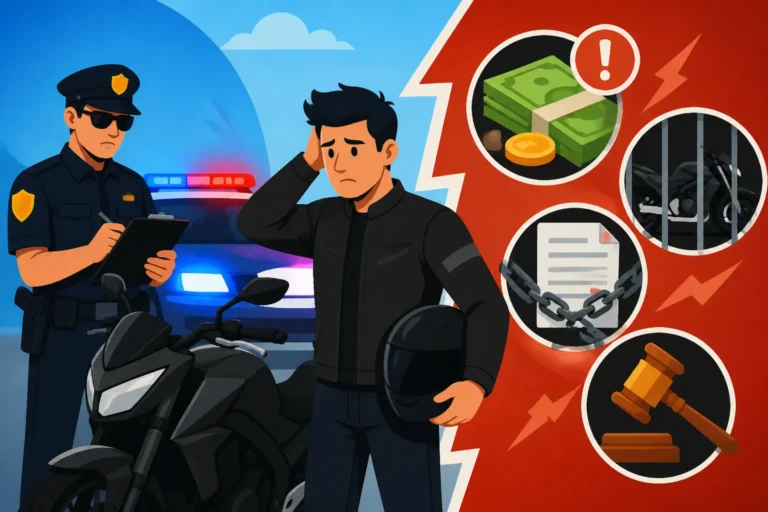
If you are buying a bike and you do not have a trailer, you are essentially forced to insure it sight-unseen if you want to ride it home legally. This can feel like a leap of faith. What if you get there and the bike is a lemon? Most insurance companies allow you to cancel a policy for a full refund or a pro-rated amount if the deal falls through. It is much better to spend ten minutes canceling a policy than to spend ten months dealing with the Penalty for No Motorcycle Insurance in Texas or whatever state you happen to be in. Some states will even suspend your driver's license for a first-time offense of riding uninsured.
| Scenario | Insurance Requirement | Recommended Action |
|---|---|---|
| Buying from a Dealership | Mandatory before leaving the lot. | Arrange policy 24 hours in advance or use a mobile comparison tool at the desk. |
| Private Sale (Riding it Home) | Mandatory by state law. | Get the VIN from the seller and start the policy before you arrive. |
| Private Sale (Trailering it) | Technically not required for transport. | Insure it immediately upon reaching home to protect against theft or garage fires. |
| Financed Purchase | Mandatory "Full Coverage" required. | Ensure the lender is listed as the lienholder on the policy. |
For those who are moving between states or buying a bike across state lines, the complexity increases. You need to make sure your policy meets the Minimum Liability Insurance Explained (The Three Numbers) for the state where the bike will be registered. For example, California Motorcycle Insurance Requirements are different than those in Florida. Using a platform like The Zebra allows you to filter by state-specific mandates so you aren't accidentally underinsured, which could lead to a rejected registration application at the DMV.
Why You Should Never Skip Pre-Purchase Coverage
The temptation to "risk it" just for the ride home is high, especially if you are only going a few miles. But the risks are astronomical. Motorcycles are statistically more likely to be involved in an incident during the first 100 miles of ownership than almost any other time. You are unfamiliar with the bike's friction zone, the brake sensitivity is different from what you practiced on, and you might be distracted by the sheer excitement of the purchase. If you drop the bike or, heaven forbid, hit someone else, and you don't have coverage, you are personally liable for every cent of damage.
There is also the question of Does Motorcycle Insurance Follow the Bike or Rider? Generally, the policy is tied to the specific VIN. If you are riding your friend's bike home that you just bought, his insurance (if he hasn't canceled it yet) might not cover you because the "permissive use" clause gets very murky the moment a bill of sale is signed. The moment you sign that document, the bike is yours, and his insurance is no longer valid for that vehicle. You are essentially riding a "ghost bike" in the eyes of the law.
Finally, consider the risk of theft. If you buy a bike, ride it home, and park it in your driveway while you "figure out insurance on Monday," and it gets stolen Saturday night, you have lost your entire investment. High-demand bikes like the Yamaha R6 or various Harley models are magnets for thieves. Having a comprehensive policy active before the bike even reaches your property is the only way to sleep soundly that first night of ownership. Avoid the What Happens If You Get Caught Riding Without Insurance? nightmare by spending the few minutes required to get a quote and activate your coverage. It is the hallmark of a responsible rider and the best way to start your journey on two wheels.
Disclaimer
This guide is intended for informational purposes only and does not constitute legal or professional insurance advice. Insurance laws and requirements vary significantly by state and are subject to change. Always consult with a licensed insurance agent or legal professional in your specific jurisdiction to ensure you are in compliance with all local regulations before purchasing or operating a motorcycle.