Selling Your Motorcycle: When to Cancel Insurance
When you're ready to part ways with your motorcycle, the last thing you want is to be caught in an insurance bind – either paying for coverage you no longer need or, worse, being uninsured during a critical transition period. Many riders feel confused about the exact moment to hit that cancellation button. This comprehensive guide will illuminate the crucial timing, legalities, and practical steps for handling your motorcycle insurance when selling your bike, ensuring a smooth, protected, and financially savvy process.
The Delicate Balance: Why Timing Your Cancellation is Crucial
Selling a motorcycle isn't just about handing over the keys and title; it's a careful dance with paperwork, finances, and, importantly, your insurance policy. Getting the timing right for your insurance cancellation is paramount to avoid both unnecessary expenses and serious legal or financial risks.
Avoiding the Coverage Gap Trap
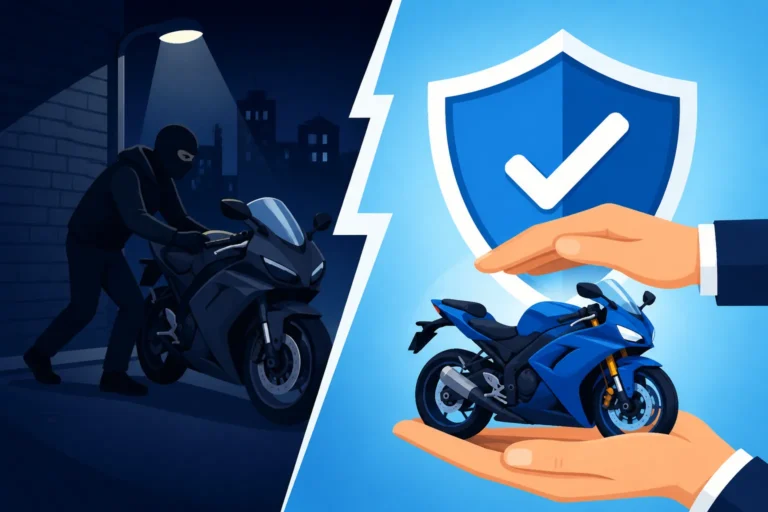
One of the biggest concerns for riders, and rightly so, is ensuring continuous coverage, even as ownership changes. You might be tempted to cancel your policy the moment you list your bike for sale to save a few bucks. However, this can leave you in a vulnerable position. What if a prospective buyer wants a test ride? What if the bike is stolen from your garage before the sale is finalized?
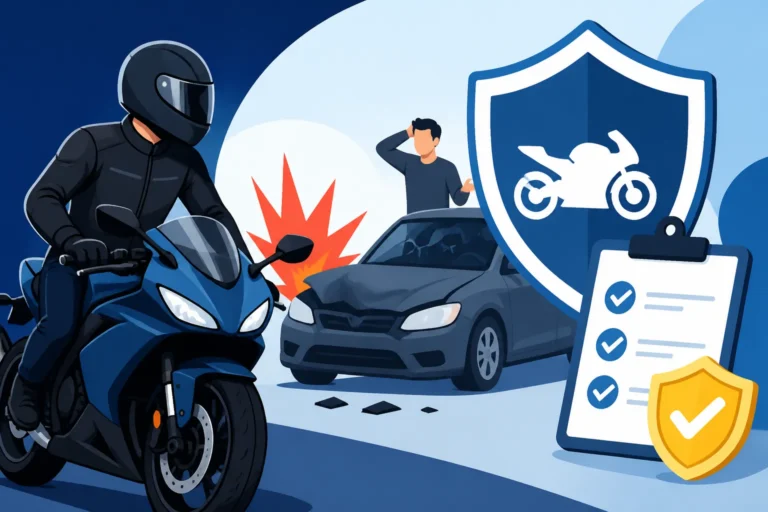
Your insurance policy is designed to protect you from liability and financial loss. If you cancel it too early, you could find yourself personally responsible for damages or injuries if something happens to the bike or involves the bike during the sales process. Imagine a scenario where a potential buyer takes your bike for a spin and gets into an accident, injuring themselves or others. If your insurance is already canceled, you could be on the hook for medical bills and property damage, even if you weren't the one riding. This is especially critical because, typically, motorcycle insurance follows the rider, not the bike. Understanding if Does Motorcycle Insurance Follow the Bike or Rider? is a common question, and the answer almost always points to the rider's policy.
Financial Implications of Poor Timing
Beyond the risk of a coverage gap, there are financial considerations. Cancelling too late means you're paying for insurance on a motorcycle you no longer own, which is a waste of money. Most insurance companies will issue a pro-rata refund for any unused premium if you cancel mid-policy, but you still want to minimize that unnecessary spend.
On the flip side, some riders might keep the policy active for a day or two after the sale, just in case. While this offers a tiny buffer, it's generally unnecessary if the transfer of ownership is complete and the buyer has their own insurance in place. The goal is to cancel as close to the actual transfer of ownership as possible, striking that perfect balance between protection and cost-efficiency. Being mindful of these nuances can save you from potential headaches and unexpected financial drains, ensuring you get the most out of your policy up until the very moment it's no longer your responsibility. If you're wondering about refunds, you can usually expect one; for more details, check out Do You Get a Refund When You Cancel Mid-Policy?.
Understanding Insurance Policies When Selling
Selling your motorcycle involves more than just a transaction; it's a shift in responsibility, both legally and financially. Your insurance policy is intrinsically tied to this shift, and it’s vital to understand its role for both you, the seller, and the new owner.
Your Responsibility as the Seller
As the seller, your primary responsibility is to ensure you're covered for any incidents that occur before the title is officially transferred and the buyer takes possession. This includes test rides, potential theft while still in your care, or accidental damage. Your personal liability coverage is crucial here. If someone is test riding your bike and causes an accident, your policy would typically respond to claims of bodily injury or property damage to third parties, provided you haven't explicitly excluded such activity. This is why having active insurance right up until the point of sale is so important.
Furthermore, if your motorcycle is financed, your lender will almost certainly require you to maintain comprehensive and collision coverage until the loan is fully paid off or transferred. Canceling your policy prematurely on a financed bike could put you in breach of your loan agreement, leading to serious repercussions. It's wise to review Motorcycle Insurance Requirements for Financed Bikes to understand these obligations fully. Make sure you have all your paperwork in order, especially the title, lien release (if applicable), and bill of sale, as these documents solidify the transfer of ownership.
The Buyer's Insurance Obligation
It's absolutely critical for the buyer to have their own insurance policy in place before they ride your motorcycle away. In most states, it is illegal to operate a motorcycle without at least minimum liability insurance. As the seller, you should always verify that the buyer has secured their own policy. While it’s not your legal responsibility to ensure they do, it's good practice for everyone's protection. If the buyer drives off uninsured and gets into an accident, the legal fallout can be messy, even if you’ve technically sold the bike. Some states might even have implied liability for the previous owner for a short period.
A quick phone call from the buyer to their insurance company or a reputable online platform like The Zebra can often get them proof of insurance almost instantly. Never let someone ride away on a motorcycle you've just sold them without confirmation of their own coverage. This ensures that the moment the bike leaves your hands, it's covered under its new owner's policy, seamlessly shifting the responsibility. Riding without insurance can lead to severe Penalties for Riding Without Insurance for the new owner, and it's best to avoid any indirect involvement.
The Risks of Cancelling Too Early or Too Late
Navigating the transition of ownership can be tricky, and the timing of your insurance cancellation holds significant weight. Making a mistake here can lead to undesirable consequences, from financial liabilities to legal headaches.
Liability During the Transfer Period
The period between agreeing to sell your motorcycle and the actual, legal transfer of ownership (title exchange, payment, and physical handover) is a high-risk zone. If you cancel your insurance before the buyer has taken full possession and legal ownership, you are exposing yourself to significant liability.
Consider this: you shake hands on the deal, the buyer pays, but they plan to pick up the bike tomorrow. You, feeling confident, cancel your insurance immediately. That night, a tree branch falls on the motorcycle, or it gets stolen from your garage. Because the bike was technically still in your possession, even if sold, and your insurance was canceled, you'd be solely responsible for the damage or loss. Even worse, if the buyer takes possession but doesn't have immediate insurance, and gets into an accident on the way home, you could potentially face legal claims, as some states have "permissive use" clauses that could extend your liability in certain circumstances, albeit rarely for sold vehicles. The safest approach is to maintain your coverage until the bike is physically gone and the title transfer is complete. This usually means verifying that the buyer has their own coverage in place the moment they take the keys.
Issues with Loaned or Financed Bikes
Selling a motorcycle that still has an outstanding loan adds another layer of complexity to the insurance cancellation process. As mentioned, your lender requires you to carry full coverage (comprehensive and collision) until the loan is satisfied. If you cancel this coverage before the loan is paid off, you'll be in violation of your loan agreement. This can trigger clauses in your contract that demand immediate payment of the entire outstanding balance, or the lender may force-place expensive insurance on your behalf and add the cost to your loan.
When selling a financed motorcycle, the sale process itself usually involves paying off the loan, either directly by the buyer or from the sale proceeds. Only after the lender has received their full payment and released the lien should you consider canceling the comprehensive and collision portions of your policy. Your liability coverage, however, should remain active until the bike is out of your possession. Always communicate with your lender throughout the sale process to ensure you meet all requirements and avoid any unwanted penalties or complications.
Your Roadmap to a Smooth Sale: A Step-by-Step Guide
Selling your motorcycle can be an exciting prospect, especially if you're upgrading or just need a change. To make sure the process is smooth and stress-free, especially concerning your insurance, follow these steps carefully.
Pre-Sale Insurance Check
Before you even list your motorcycle for sale, it's smart to do a little homework on your current insurance policy.
- Review Your Policy: Understand what types of coverage you have, your deductibles, and any specific clauses related to lending your bike for a test ride. Most policies cover permissive use, meaning if you let someone ride your bike, they're typically covered under your policy, but it's good to confirm.
- Inform Your Insurer (Optional but Recommended): You might consider giving your insurance company a heads-up that you're planning to sell the bike. They can advise you on the best practices for your specific policy and state regulations. Some insurers, like Progressive, have dedicated customer service lines for these types of inquiries, offering peace of mind and accurate information.
- Gather Documents: Make sure you have your title, registration, and any lien release documents ready. These will be crucial for the actual sale and transfer of ownership. Having Proof of Insurance: Digital vs Paper for Riders ready is also good for your records, though the buyer won't need yours.
Knowing these details upfront will help you avoid surprises and manage expectations, making the entire sales process more transparent and efficient.
During the Sale Process
This is where the rubber meets the road. Pay close attention to these steps on the day of the sale.
- Test Rides: If you allow a test ride, ensure the prospective buyer has a valid motorcycle endorsement and, ideally, their own insurance. Although your policy might cover permissive use, additional coverage from their end provides an extra layer of security. Consider taking a photo of their license and insurance card before they ride. Always accompany them, or go with a friend in another vehicle, and stick to a pre-determined, safe route.
- Finalizing the Sale: Once the deal is done, and the money has changed hands, transfer the title immediately. This legally signifies the change of ownership. Have a bill of sale signed by both parties, clearly stating the date and time of the transaction. This document is your strongest proof that the motorcycle is no longer yours.
- Verify Buyer's Insurance: Before the buyer rides away, ask them to show you proof of their new motorcycle insurance policy. This is a common and reasonable request that protects everyone involved. They should be able to pull it up on their phone or provide a paper copy. This step is not about your liability, but about ensuring a responsible transition of legal operation of the vehicle.
Post-Sale Actions
The bike is gone, the money's in the bank, but you're not quite finished yet with the insurance side of things.
- Cancel Your Policy: Immediately after the motorcycle is no longer in your possession and the title transfer is complete, contact your insurance provider to cancel the policy specific to that bike. Provide them with the exact date and time of the sale. This ensures you stop paying for coverage you don't need and avoids any lingering liability issues. For a detailed guide on the process, refer to How to Cancel Motorcycle Insurance.
- Remove the Bike from Registration: In many states, you'll need to formally notify the Department of Motor Vehicles (DMV) or equivalent agency that you've sold the vehicle. This removes your name from the registration, preventing future liability for tolls, parking tickets, or other infractions incurred by the new owner.
- Keep Records: Retain copies of the bill of sale, title transfer documents, and confirmation of your insurance cancellation for your records. These documents are your proof of the transaction and can be invaluable if any questions or disputes arise later.
By following this meticulous roadmap, you can confidently sell your motorcycle, knowing you've handled all the necessary insurance and legal steps responsibly.
What If You're Trading In or Buying Another Bike?
Selling your motorcycle isn't always a standalone transaction. Sometimes, it's part of a larger plan to get a new ride or simplify your life. The insurance implications for trade-ins or buying a new bike simultaneously are a bit different than a private sale.
Trade-Ins and Dealership Sales
When you trade in your motorcycle at a dealership, the process is generally more streamlined, but your insurance still needs attention.
- Dealership Responsibility: Once you sign the trade-in paperwork, the dealership typically takes immediate legal ownership and responsibility for your old bike. This means you can usually cancel its insurance relatively quickly, often the same day you complete the trade. The dealership will have its own insurance to cover the bikes on its lot.
- Temporary Coverage for New Bike: If you're buying a new bike from the same dealership, many insurers offer a grace period for new vehicle coverage. This means your existing policy might temporarily extend coverage to your newly acquired motorcycle for a short period (e.g., 7-30 days) while you get it formally added to your policy. However, this temporary coverage often defaults to the highest limits on your existing policy. It's crucial to contact your insurance provider on the day of purchase to confirm this grace period and add the new motorcycle to your policy. This is a perfect scenario where a company like Progressive can help you seamlessly transition coverage from your old bike to your new one, often with just a phone call or online update.
- Bundling Opportunities: If you're getting a new motorcycle, it's a great time to review your overall insurance needs. You might find better rates or multi-policy discounts by bundling your new motorcycle insurance with your auto or home policies. Companies like The Zebra can help you quickly compare different quotes for your new bike and see if bundling saves you money.
Insuring Your Next Ride
Whether you're trading in or simply selling your old bike to make room for a new one, the process of insuring your next motorcycle is a fresh start.
- Shop Around Early: Don't wait until you're at the dealership or have the new bike in your garage. Start getting quotes for your potential new motorcycle even before you finalize the purchase. Factors like the bike's make, model, engine size, and even its theft rate can significantly impact your premium.
- Know Your Coverage Needs: Consider what kind of coverage you'll need for your new bike. If it's brand new and financed, full coverage (comprehensive and collision) will be mandatory. If it's an older, paid-off bike, you might consider liability-only, though comprehensive and collision still offer valuable protection.
- Act Immediately Upon Purchase: The moment you finalize the purchase of your new motorcycle, you need to ensure it's insured. Even if there's a grace period, formalizing the policy on day one is the safest approach. You don't want to be caught riding without proper coverage. This is also covered in depth in What Happens to Insurance When You Buy a New Bike?. Adding your new motorcycle to your policy is usually a straightforward process if you're staying with the same insurer, as detailed in How to Add a New Motorcycle to Your Policy.
Navigating Unique Selling Situations
While the general rules apply, some selling scenarios have their own specific quirks when it comes to managing your motorcycle insurance. It's helpful to be prepared for these possibilities.
Selling to a Friend or Family Member
Selling your motorcycle to someone you know can feel less formal, but it's vital not to let familiarity lead to complacency with insurance.
- Maintain Formalities: Treat the sale to a friend or family member with the same level of legal formality as you would a stranger. Complete a bill of sale, transfer the title, and ensure all paperwork is correctly signed and dated. This protects both you and the buyer from future misunderstandings or liability issues.
- Buyer's Immediate Coverage: It's especially tempting to let a friend "borrow" the bike for a few days before they get their insurance sorted. Resist this urge firmly. Insist that your friend or family member secures their own policy before they take possession of the motorcycle. If they get into an accident while riding uninsured, even if you've already transferred the title, the situation can become incredibly complicated and potentially drag you into a legal dispute, damaging both your finances and your relationship.
- Timely Cancellation: Once the bike is officially theirs and they have their own insurance, cancel your policy on that specific motorcycle without delay. Don't leave your policy active as a "favor" for a friend; it exposes you to unnecessary risks and costs.
Out-of-State Sales
Selling your motorcycle to a buyer from a different state adds a few extra layers of consideration to the insurance and registration process.
- Varying State Laws: Each state has its own specific requirements for vehicle registration, title transfer, and minimum insurance coverage. What might be acceptable in your state might not be in the buyer's. While it's primarily the buyer's responsibility to understand their state's rules, being aware can help facilitate a smooth transaction. You might also want to consult Moving to Another State: How to Update Motorcycle Insurance if you're moving yourself.
- Temporary Plates/Permits: The buyer may need to obtain a temporary transport permit or transit plate from their state's DMV to legally ride the motorcycle back home. This ensures they can transport it legally without immediately registering it in their home state. Advise them to check their state's specific requirements before they travel.
- Proof of Insurance for Transport: The buyer will still need valid insurance for the journey, even if they're just transporting it. Their new insurance policy, even if issued in their home state, should cover them for the ride from your location.
- Cancellation Timing: As with any sale, your insurance cancellation should happen only after the motorcycle is officially out of your possession and the title transfer is complete, with the buyer taking on full responsibility and having their own valid insurance.
These unique situations highlight the importance of thoroughness and communication. Always prioritize legal compliance and clear documentation, regardless of who you're selling to or where they're from.
Table: When to Cancel Your Motorcycle Insurance (Scenarios)
To help you visualize the best time to cancel your motorcycle insurance, here's a quick reference table based on common selling scenarios:
| Scenario | When to Cancel Your Insurance | Key Considerations |
|---|---|---|
| Private Sale (Cash) | Immediately after funds are fully transferred, title is signed over, and buyer takes physical possession. | Ensure buyer has their own insurance before riding off. Keep a signed bill of sale with date/time. |
| Private Sale (Financed Bike) | After your lender has confirmed the loan is paid off and the lien has been released. | Coordinate with your lender to ensure full payoff. You must maintain full coverage until the loan is satisfied, even if the bike is sold. |
| Trade-In at Dealership | The same day you sign all trade-in paperwork and the dealership takes possession. | Dealership's insurance covers the bike once traded. Confirm grace period for new bike insurance if purchasing simultaneously. |
| Selling to a Friend/Family | Immediately after legal ownership transfer (title) and they take physical possession with their own insurance. | Treat it like any other sale; don't skip formalities. Absolutely ensure they have their own insurance before they ride it. |
| Bike Going to Storage (Not Sold Yet) | Consider switching to comprehensive-only or lay-up coverage, but do not fully cancel. | Full cancellation leaves you exposed to theft, fire, or vandalism. Comprehensive-only protects the bike while saving on liability/collision premiums during storage. For more details, see Canceling or Switching Mid-Policy. |
This table serves as a handy guide, but always double-check with your specific insurance provider and local DMV requirements.
Disclaimer
Please remember that this article provides general information and guidance regarding motorcycle insurance when selling your bike. Insurance laws, regulations, and policy terms can vary significantly by state and individual circumstances. It is always recommended to consult directly with your insurance provider and, if necessary, legal counsel, to discuss your specific situation and ensure compliance with all applicable laws. The information herein should not be considered professional financial or legal advice.