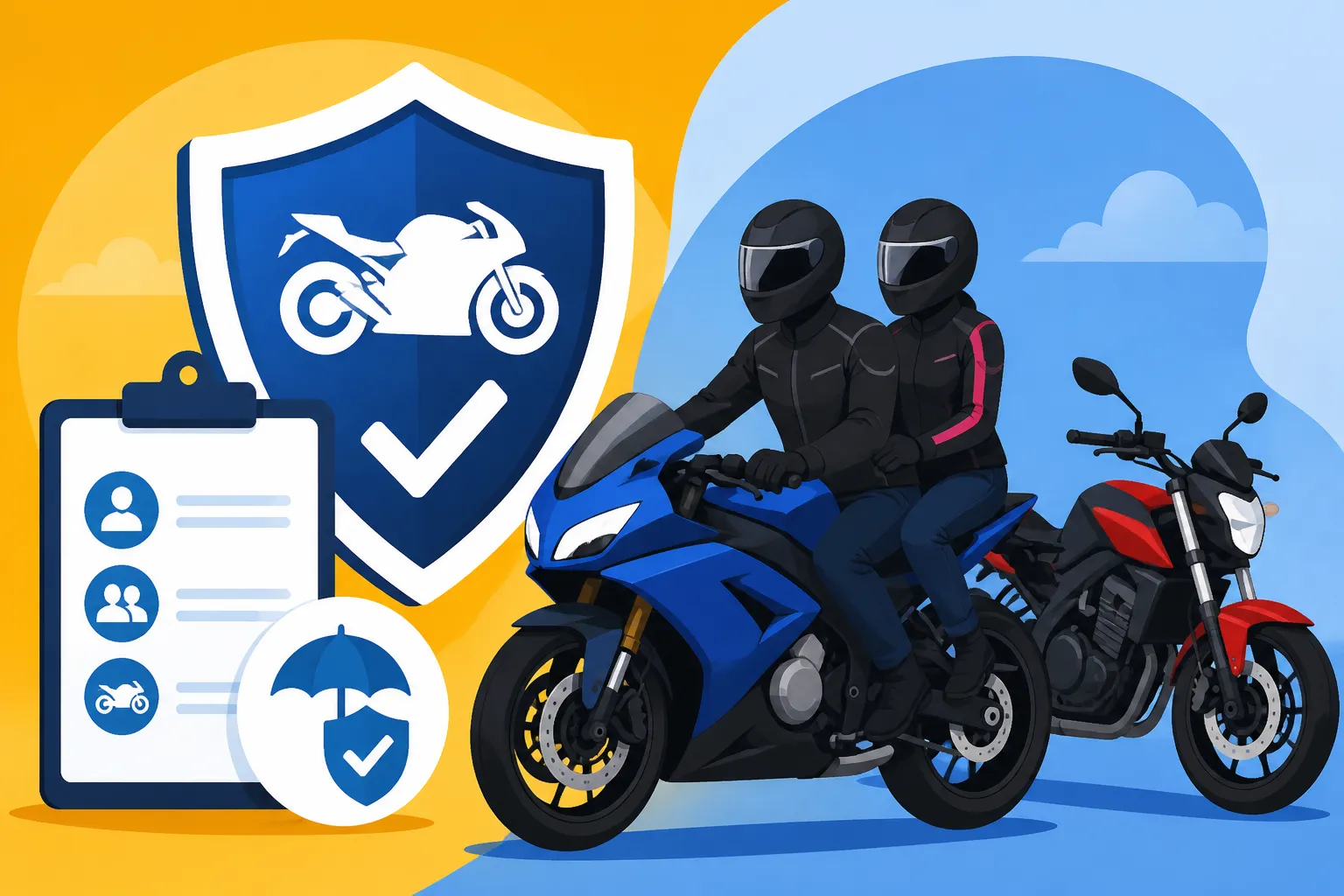
Adding a Rider or Second Bike to Your Policy
It’s a truly exciting time when you’re looking to bring another rider into your two-wheeled world or maybe even add another beautiful machine to your own garage. But let’s be real, the moment you start thinking about updating your motorcycle insurance policy, that initial excitement can quickly turn into a headache. Between deciphering paperwork and wondering how much your rates will jump, it’s enough to make anyone sigh. This guide is here to cut through the confusion and walk you through everything you need to know about adding a new rider or a second motorcycle to your existing insurance coverage, ensuring a smooth ride ahead.
Understanding Why You’d Add a Rider or Another Bike
Life on two wheels often brings with it moments of shared joy or the irresistible urge to expand your collection. Whether it's the thrill of introducing a loved one to the open road or the practical desire for a different type of ride, these changes usually mean a visit to your insurance provider. It's not just about covering your bases; it's about protecting your passion and the people who share it with you.
Welcoming a New Rider to Your Motorcycle Lifestyle
There's a special kind of bond that forms over shared rides, and often, that means bringing a new person into your riding circle – perhaps a spouse, a grown child, or even a trusted friend. The decision to add another rider to your policy isn't just a formality; it's a critical step in ensuring that anyone who might swing a leg over your bike is fully protected.
Imagine this: your partner, after years of riding pillion, finally gets their motorcycle endorsement and wants to try out your cruiser for a weekend trip. Or perhaps your son, fresh out of his motorcycle safety course, is keen to learn the ropes on your smaller starter bike. In these scenarios, simply handing over the keys without updating your insurance could lead to significant financial risk if an accident were to occur. Most policies have specific clauses regarding who is covered, and often, "permissive use" might not extend to regular or frequent use by an unnamed driver. By adding them as a named insured, you're not just covering them; you're often safeguarding your own financial future from potential liabilities that could arise from an incident. This also ensures that any medical payments or liability claims they might incur while riding your motorcycle are handled under your policy, preventing a much larger headache down the road.
Expanding Your Fleet: The Joy (and Logistics) of a Second Motorcycle
For many riders, one bike is never truly enough. There’s the daily commuter, the weekend warrior, the project bike in the garage, or maybe even a vintage beauty reserved for special occasions. Each motorcycle often serves a different purpose, offering a unique riding experience. But with the joy of expansion comes the logistical challenge of ensuring each new machine is properly covered.
Consider a rider who owns a nimble sportbike for spirited canyon carving but decides to invest in a comfortable touring motorcycle for cross-country adventures. Or perhaps you've fallen in love with a classic Harley-Davidson and want to restore it while still having your modern adventure bike for everyday use. Each of these bikes will have different values, different usage patterns, and potentially different risks associated with them. Insuring a brand-new, high-performance sportbike will undoubtedly be different from covering a restored vintage cruiser, even if they're both under your ownership. It's not just about getting a second policy; it's about making sure the right coverage is in place for each bike's specific needs, from comprehensive coverage that protects against theft and vandalism for a garaged project bike to collision and liability for your daily rider.
The Process of Adding Another Rider to Your Policy
When you decide to share the saddle, even if it's just for occasional use, the smart move is to officially add that person to your insurance policy. This isn't just about playing by the rules; it's about making sure everyone is protected should the unexpected happen. Let's dig into the details of what that entails.
Who Can Be Added and What Information Is Needed
Typically, insurance companies are most willing to add household members to your policy, such as a spouse, partner, or a child living under the same roof. Some insurers might also allow you to add regular non-household riders if they frequently operate your motorcycle, but this varies significantly between providers and might come with stricter stipulations or higher costs.
When you contact your insurer, they'll need some basic but crucial information about the new rider. This will almost always include their full legal name, date of birth, and driver's license number. They’ll also want to know if they possess a valid motorcycle endorsement on their license, which is non-negotiable for legal riding in most states. Expect questions about their riding history, including any past accidents, traffic violations, or claims. If the rider has recently completed a motorcycle safety course, be sure to mention it! Many insurers, including large ones like Progressive, offer discounts for completing such courses, as it demonstrates a commitment to safe riding practices. Having all this information ready before you call can make the process much smoother.
How Adding a Rider Impacts Your Premiums
This is often the part that makes people a bit nervous, and for good reason: adding a rider almost always affects your premium. The exact impact depends on several factors, much like how your own rate is determined. The new rider's age, riding experience, driving record, and even their credit history can all play a significant role.
For instance, adding a young, inexperienced rider (especially those under 25) will likely lead to a noticeable increase in your premium. Insurers view younger riders as a higher risk due to their statistical likelihood of being involved in accidents. Conversely, adding a seasoned rider with a clean record and years of experience might have a minimal impact, or even be offset by available discounts. If the new rider has any prior accidents, speeding tickets, or a history of DUIs, expect your rates to climb. It’s important to remember that these increases reflect the added risk the insurance company is taking on. However, don't forget to ask about potential discounts! A rider who has completed an approved motorcycle safety course, like the Motorcycle Safety Foundation (MSF) Basic RiderCourse, often qualifies for a discount. Bundling policies if the new rider also has other vehicles insured with the same company could also yield savings. Understanding What Affects Your Motorcycle Insurance Rate? can give you further insights into these calculations.
Specific Considerations for Younger or Inexperienced Riders
Adding a young or inexperienced rider requires extra attention, both for safety and insurance purposes. These riders generally represent a higher risk category for insurers, which translates to higher premiums. It's not personal; it's purely statistical.
States often have specific requirements for young riders, such as graduated licensing programs or restrictions on engine size. Your insurance company will take these into account. For example, if you're adding your 18-year-old son who just got his endorsement, his premium will likely be considerably higher than if you were adding your 45-year-old spouse with 20 years of riding under their belt. Many insurers mandate completion of a motorcycle safety course for younger riders, which, while an upfront cost, is invaluable for skill development and often leads to an insurance discount. It’s also important to clarify the nature of their use. Is it occasional permissive use, or will they be regularly riding your motorcycle? If it's the latter, naming them on the policy is almost always the safer and more responsible choice. While "permissive use" might offer some limited coverage in an isolated incident, it rarely extends to frequent operation by an unnamed driver, leaving you exposed to significant risk. You can learn more about how age impacts costs in our guide, How Much Is Motorcycle Insurance? 2026 Cost Guide.
Integrating a Second Motorcycle Into Your Existing Coverage
Bringing another bike into your life is a fantastic feeling! Whether it’s a shiny new model or a classic you’ve been dreaming of, the next step is ensuring it’s properly insured. It’s not just about having coverage; it’s about having the right coverage for your new steed.
Essential Information Your Insurer Will Need About the New Bike
Just like with adding a new rider, your insurance provider will need a comprehensive dossier on your new motorcycle. The more detailed information you can provide upfront, the smoother and faster the process will be.
First and foremost, you'll need the Vehicle Identification Number (VIN). This unique 17-character code identifies the specific motorcycle and is crucial for your insurer to verify its details. Next, they'll need the make, model, year, and engine size (in cubic centimeters, or CCs). For instance, knowing you've bought a 2023 Harley-Davidson Street Glide 107 will give them a much clearer picture than just "a Harley." The odometer reading at the time of purchase is often requested, and importantly, disclose any modifications or custom parts. If you’ve added an aftermarket exhaust, a custom paint job, or specialized electronics, these additions increase the bike's value and won't automatically be covered under a standard policy. Many riders overlook this, only to find their custom investments uninsured after an incident. You'll need to discuss specific Accessories & Custom Parts Coverage Explained to ensure these modifications are protected. Be honest and thorough; neglecting to mention a major modification could lead to a denied claim down the line.
How Your Premium Changes with an Additional Motorcycle
The impact on your premium when adding a second motorcycle is multifaceted. It’s not just an automatic doubling of your rates; several elements come into play. A significant factor is the type of motorcycle you're adding. A high-performance sportbike, known for its speed and higher accident rates, will almost certainly cost more to insure than a more sedate cruiser or a standard model.
The value of the new bike, its age, and even where and how it's stored also contribute to the cost. If you’re adding a second bike that will be garaged and only ridden occasionally for pleasure, its premium might be lower than a primary daily rider. The good news for many riders is the availability of multi-bike discounts. Most major insurers, including Progressive and Dairyland, offer these discounts, recognizing that individuals who own multiple motorcycles often ride each less frequently than someone with just one bike. Bundling your motorcycle insurance with other policies you might have, like auto or home insurance, can also lead to significant savings. Make sure to ask your agent about all applicable discounts when adding your new bike. Understanding Motorcycle Insurance Cost by Bike Type can give you a clearer picture of how different models affect rates.
The Different Approaches to Insuring Multiple Motorcycles
When it comes to insuring more than one motorcycle, you generally have a couple of primary options, and understanding the nuances of each can help you make the best choice for your situation. The most common approach is to add all your motorcycles to a single policy. This is often the most convenient and cost-effective method because it usually triggers a multi-bike discount, streamlining your payments and paperwork.
Under a single policy, you’ll typically have one premium and one renewal date, even though each bike will have its specific coverage details (e.g., agreed value for a vintage bike, full coverage for a new one). This often means you pay one deductible per incident, rather than one per bike. For instance, if you have a touring bike and a dirt bike, both could be on the same policy with appropriate coverage for their respective uses. However, some riders, especially those with vastly different types of motorcycles or those looking for highly specialized coverage, might consider separate policies. For example, if you have a custom chopper that requires very specific stated or agreed value coverage, and a standard commuter bike, some riders prefer to keep their insurance separate to avoid complicating claims or finding an insurer that can perfectly cater to both very different needs. While less common and potentially more expensive without multi-policy discounts, it offers maximum flexibility. Ultimately, the best approach depends on your specific bikes, usage patterns, and how much you value simplicity versus highly tailored coverage. This is a great time to explore Types of Motorcycle Insurance Coverage Explained and see how they apply to each of your machines.
| Feature | Single Policy (Multiple Bikes) | Separate Policies (Each Bike) |
|---|---|---|
| Convenience | High (one bill, one renewal) | Lower (multiple bills, renewal dates) |
| Cost Potential | Often lower due to multi-bike discounts | Potentially higher without multi-policy discounts |
| Discounts | Multi-bike, multi-policy, loyalty | Potentially multi-policy (if with same insurer) |
| Coverage Tailoring | Good, but limits may apply across all bikes | Excellent, highly specialized per bike |
| Deductibles | Generally one per incident | One per incident, per policy |
| Paperwork | Consolidated, easier management | Separate, more administrative work |
| Best For | Most riders with multiple common bikes | Riders with highly specialized or unique bikes |
Navigating Common Challenges and Smart Strategies
Making changes to your motorcycle insurance doesn't have to be a minefield of frustration. With a little foresight and the right strategies, you can smoothly navigate the process and even find ways to save money. The key is to be proactive and informed.
Avoiding Gaps in Coverage: The Transition Period
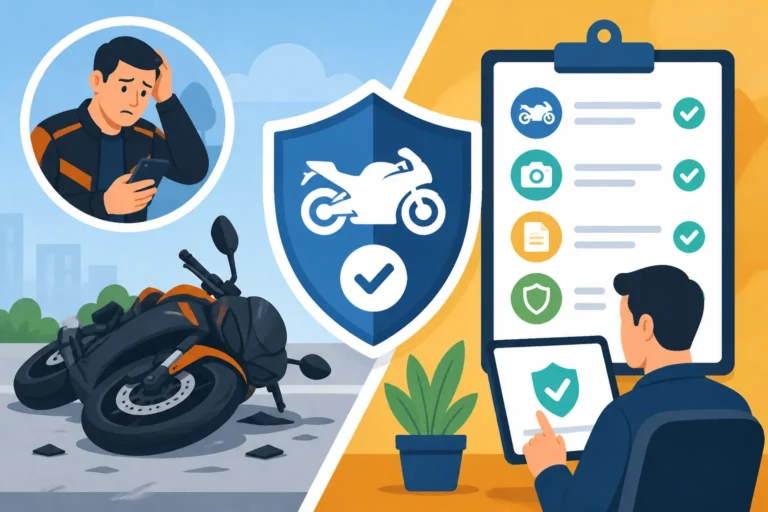
One of the most critical aspects when adding a new bike or a regular rider is ensuring there are no gaps in coverage. A lapse, even for a day, can leave you exposed to immense financial risk if an incident occurs. Imagine you just bought your dream motorcycle, picked it up, and are riding it home, only to have a fender bender. If it wasn't insured before you rode it off the lot, you're entirely on the hook for damages and liabilities.
The best strategy is to arrange for coverage before the new bike or rider is officially "active." For a new motorcycle, this means having the policy in place and effective the moment you take possession. Many dealerships require proof of insurance before you can even leave their lot, and some insurers offer a short "grace period" for newly acquired vehicles, but relying on this can be risky and varies greatly by provider and state. Always confirm the exact effective date with your insurer. If you're adding a rider, ensure they are officially listed on your policy before they start regularly riding your motorcycle. A quick call to your agent or insurer's customer service line can usually set this up in minutes, often with immediate provisional coverage. Don't assume; verify. This diligence protects both your assets and your peace of mind.
Exploring Multi-Bike and Multi-Policy Discounts
This is where being an informed consumer really pays off! Insurance companies love customers who bring them more business, and they often reward that loyalty with discounts. When adding a second motorcycle, the first thing to ask about is a multi-bike discount. As mentioned earlier, many insurers understand that having more than one bike often means each bike is ridden less frequently, reducing overall risk. So, if you're adding a cruiser to your existing sportbike policy, inquire specifically about this discount.
Beyond motorcycles, think about all your other insurance needs. Do you have car insurance, homeowner's, or renter's insurance with a different provider? Many companies, including giants like Progressive and State Farm, offer substantial "bundling" discounts when you combine multiple policies with them. For example, if you have your car and home insured with one company, adding your motorcycle policy there could save you a significant percentage on all your premiums. It's often worth getting a quote from your existing auto or home insurer for your motorcycle, even if you’ve always used a specialized motorcycle insurer. Sometimes, the combined savings from bundling can outweigh any slight difference in the individual motorcycle policy cost. Don't be shy about asking your agent about every discount imaginable—from safety course completion to anti-theft devices, veteran status, or even being a mature rider. Saving money on insurance means more money for fuel and upgrades! Our guide on Motorcycle Insurance Discounts You're Missing has a full list of potential savings.
When to Re-evaluate Your Entire Insurance Portfolio
Adding a new rider or a second motorcycle isn't just a transactional update; it's a prime opportunity to step back and re-evaluate your entire insurance portfolio. Your life changes, your bikes change, and the insurance market changes. What was the best deal or the perfect coverage five years ago might not be today.
When you're making a significant change like this, it forces you to engage with your insurer and review your existing coverage. This is the perfect time to ask yourself: Are my current liability limits still adequate given my assets? Do I need additional coverage like gap insurance for a newly financed bike or agreed value for a custom build? Is my deductible still appropriate? Furthermore, it's an ideal moment to shop around. Just because your current insurer handled the addition smoothly doesn't mean they're still offering the most competitive rates for your entire package of coverage. Websites like The Zebra allow you to compare quotes from multiple providers side-by-side, quickly showing you if another company can offer better rates or more comprehensive coverage for your updated needs. This comparison shopping is crucial, especially as insurers constantly adjust their algorithms and pricing. Don't let inertia cost you money; a small effort now can lead to substantial long-term savings and better protection. You can learn more by reading How to Compare Motorcycle Insurance Quotes.
Understanding Policy Implications and Legalities
Beyond the practical steps of adding to your policy, there are deeper implications and legalities to consider. Understanding these aspects ensures not just financial protection, but also compliance with state laws and a clear picture of your responsibilities.
Liability Concerns When Others Ride Your Bike
This is a big one, and often misunderstood. When someone else rides your motorcycle, even if they're experienced, your liability coverage is usually the primary protection if they cause an accident. Most motorcycle insurance policies include a "permissive use" clause, meaning that if you lend your bike to someone with your permission, your policy would cover damages they cause to others. However, there are significant caveats.
First, the coverage limits of your policy apply. If the damages exceed your liability limits, you, as the owner, could be held personally responsible for the remainder. This is why carrying adequate liability coverage, like 100/300/50, is so important, especially if you plan to let others ride your bike. Second, while your policy might cover the third-party damages, the collision coverage for your motorcycle would also come from your policy, meaning you'd pay the deductible. And if the permissive user causes an accident, it could still impact your insurance rates, even if they aren't named on the policy. For frequent or regular riders, adding them as a named insured is always the safest bet. It clarifies their coverage, can sometimes reduce your exposure, and ensures that the insurer is fully aware of who is operating your machine. Reviewing your Liability Coverage for Motorcycles Explained can clarify these points.
Title, Registration, and Insurance Sync for New Bikes
When you acquire a new motorcycle, getting the title, registration, and insurance synchronized is not just important; it's legally mandatory in almost every state. Each piece of this puzzle relies on the others, and a disconnect can lead to penalties, fines, and even vehicle impoundment.
In most states, you cannot legally register a motorcycle without showing proof of insurance. This means that before you even head to the DMV to get your new plates, you need to have an active insurance policy on that specific VIN. For example, if you're in Texas, you'll need to show proof of minimum liability coverage to register your new bike. Conversely, your insurance policy needs to reflect the bike's legal status. If you buy a motorcycle, get insurance, but then never register it, you could run into issues if you ever need to file a claim. The insurance company expects the vehicle to be legally operable. Similarly, the name on the insurance policy should ideally match the name on the title and registration to avoid any confusion or complications during claims processing. Always confirm your state's specific requirements, especially if you're asking, Can You Register a Motorcycle Without Insurance? or wondering about Motorcycle Insurance Requirements by State (2026 Guide). Getting all these ducks in a row ensures you’re fully compliant and your coverage is valid.
State-Specific Nuances to Keep in Mind
It's a common misconception that motorcycle insurance laws are universal across the United States. In reality, requirements and regulations can vary significantly from state to state, making it crucial to understand the local nuances where you live and ride.
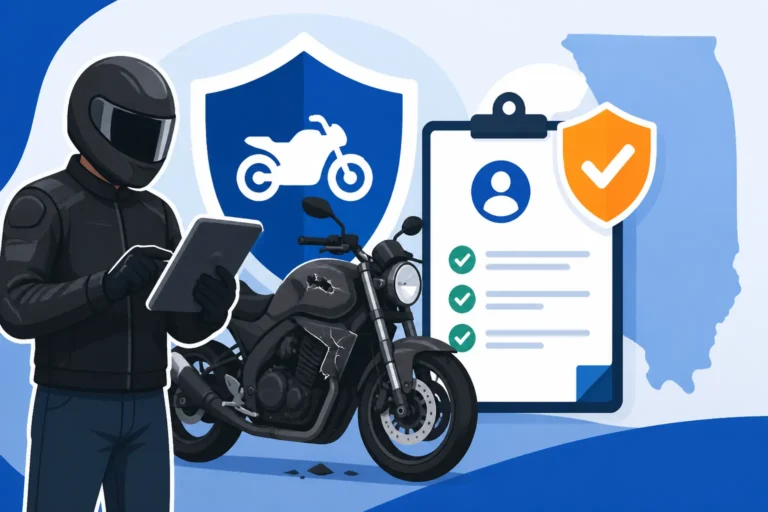
For instance, some states, like Florida, have specific requirements for Personal Injury Protection (PIP) coverage, while others focus solely on liability. Michigan operates under a unique no-fault system that applies to motorcycles differently than cars, which can dramatically affect how claims are handled. California has its own set of minimum liability requirements and rules for uninsured motorist coverage. When adding a new rider or a new bike, your insurer will automatically apply the laws of your state, but it's your responsibility to understand what those are. If you’re riding across state lines, your policy typically extends, but the minimum coverage might default to your home state's laws, or you might be subject to the minimums of the state you’re visiting. If you move, you absolutely must update your insurance, as your rates and coverage will change based on your new address and state regulations. Always check guides like Riding Across State Lines: Insurance & Helmet Rules to understand how your policy performs on the road, no matter where you are.
Step-by-Step Guide to Making the Change
Making changes to your insurance policy can feel daunting, but breaking it down into simple, actionable steps makes it much more manageable. With a bit of preparation, you can get your new rider or bike covered with minimal fuss.
Gathering All Necessary Documentation
Preparation is your best friend when dealing with insurance companies. Before you even pick up the phone or log onto an online portal, make sure you have all the necessary information readily available. This will prevent back-and-forth calls and speed up the entire process.
For adding a new rider, you'll need their full legal name, date of birth, driver's license number (and state of issue), and confirmation of their motorcycle endorsement. Also, gather details about their driving history: any recent accidents or traffic violations (speeding tickets, DUIs, etc.), and dates of any motorcycle safety courses they've completed. For a new motorcycle, the list is a bit longer: the full 17-character VIN, make, model, year, engine size (CCs), odometer reading, and the purchase date. Crucially, if you’ve added any custom parts or accessories that are not factory standard, have a list of these modifications and their approximate value. This helps ensure you discuss specific Custom Parts Coverage Explained options to protect your investments. Having these details at your fingertips will demonstrate your readiness and help your insurance representative process your request efficiently.
Contacting Your Insurance Provider
Once you have all your documents in order, it's time to reach out to your insurance provider. You typically have a few options, each with its own advantages, depending on your preference and the complexity of your request.
Many riders prefer the traditional route of calling their insurance agent or the company's customer service line. This allows for a direct conversation where you can ask specific questions, clarify coverage options, and get personalized advice. For instance, if you're discussing the nuances of Agreed Value vs Stated Value vs Actual Cash Value for a unique custom bike, a direct conversation with an agent can be invaluable. Major insurers like Progressive and Geico have dedicated motorcycle insurance departments, and their representatives are usually well-versed in these types of changes. Increasingly, many insurance companies also offer online portals or mobile apps where you can manage your policy and make simple changes. For straightforward additions like a standard second motorcycle, this can be a quick and convenient option. However, for more complex scenarios, or if you have specific questions about how your rates might change or what discounts you qualify for, a phone call is often the most effective way to ensure everything is handled correctly.
Reviewing Your Updated Policy and Confirming Changes
After you've initiated the changes, the process isn't quite over until you've thoroughly reviewed your updated policy documents. This is a crucial step that many people rush, but it’s where you verify that everything has been correctly applied and that you have the coverage you expect.
Your insurance company should send you updated policy declarations or an endorsement that details the changes. Carefully check that the new rider's name is spelled correctly and their information is accurate, or that the new motorcycle's VIN, make, and model are precisely as they should be. Crucially, scrutinize the coverage types and limits for the added rider or bike. For instance, if you specifically asked for full coverage motorcycle insurance for your new sportbike, confirm that collision and comprehensive are listed with the correct deductibles. Also, verify that any agreed-upon discounts, such as a multi-bike or safety course discount, have been applied. Pay close attention to the new premium amount and the effective date of the changes. If anything looks incorrect or unclear, don't hesitate to contact your insurer immediately for clarification. It's much easier to correct an error now than to deal with a discrepancy during a claim.
When to Consider a Different Insurance Company
Loyalty can be commendable, but in the world of insurance, sometimes it pays to shop around. Adding a new rider or a second bike is a perfect trigger to evaluate if your current insurer is still the best fit for your evolving needs.
Unfavorable Rate Changes After Adding a Rider or Bike
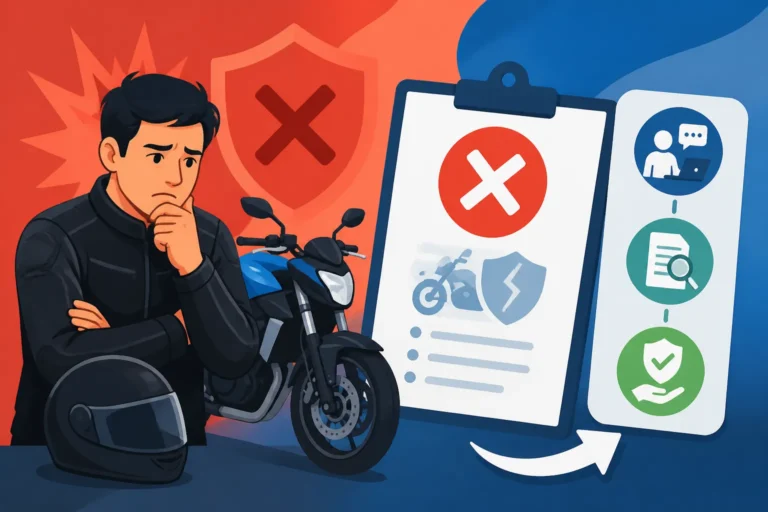
This is often the most common reason riders start looking elsewhere. You've added a new rider or your dream second motorcycle, and suddenly, your premium has jumped more than you anticipated or feel is fair. While some increase is expected due to the added risk, an exorbitant hike can be a red flag.
If the new premium feels disproportionately high, it’s a strong signal to get competitive quotes. Different insurance companies have varying algorithms for assessing risk, and what one company deems "high risk" for a new rider or a specific bike model, another might price more favorably. For instance, some insurers might specialize in classic bikes and offer better rates or agreed value coverage than a general insurer. If your long-time provider, like Progressive, gives you a quote you're not happy with, use comparison tools from companies like The Zebra. They can quickly show you rates from multiple insurers side-by-side, potentially revealing significant savings from another provider like Dairyland or Markel for the exact same coverage. This isn't about being disloyal; it's about being financially savvy and ensuring you're getting the best value for your hard-earned money and the comprehensive protection you need. Our guide, How to Lower Your Motorcycle Insurance Premium, offers more strategies for keeping costs down.
Lack of Desired Coverage Options for Your New Needs
Sometimes, it’s not just about the price; it’s about whether your current insurer can even provide the specific coverage you now require. Your existing policy might have been perfect for your solo commuter bike, but a second, highly customized motorcycle or a rider with unique needs might expose limitations in your current plan.
For example, if you've just invested in a vintage motorcycle and need robust agreed value coverage, or if your new sportbike will see occasional track day use, not all standard insurers offer these specialized endorsements. Some companies might have lower limits for Accessories & Custom Parts Coverage Explained, which won't be sufficient for your heavily modified chopper. Or perhaps you're planning a cross-country trip with your new touring bike and want trip interruption coverage, which your current provider doesn't offer. In these situations, sticking with your current insurer means compromising on vital protection. This is when it's absolutely essential to explore what other companies, particularly those that specialize in motorcycle insurance, can offer. You might find that a different insurer, even if their base rates are similar, provides a wider range of relevant add-ons and deeper expertise that perfectly aligns with your expanded riding lifestyle. Check out Best Motorcycle Insurance Companies (2027) for some highly-rated options.
Seeking Better Customer Service or Bundling Opportunities
While cost and coverage are paramount, customer service and the convenience of bundling can also be powerful motivators to switch insurers. When you're adding complexity to your policy with a new rider or bike, good customer service becomes even more critical.
If you found the process of adding your new rider or bike frustrating, filled with long hold times, unhelpful agents, or confusing paperwork, it might be a sign that your current insurer isn't delivering the experience you deserve. A smooth claims process, for example, is invaluable if you ever need it, and a proactive, responsive insurer makes a huge difference. Furthermore, as discussed earlier, adding a new element to your policy is the perfect time to explore bundling. If your current motorcycle insurer can't offer competitive rates for your auto, home, or even life insurance policies, or if another company like Nationwide or State Farm can offer a fantastic multi-policy discount that saves you money across the board, it's definitely worth making the switch. The convenience of having all your policies under one roof, often with a single payment and renewal date, combined with potential savings, can significantly enhance your overall financial management and peace of mind. This is why many riders find Bundling Motorcycle and Auto Insurance: Worth It? to be a compelling reason to consolidate their coverage.
Disclaimer
Please remember that this article provides general information about motorcycle insurance. Insurance policies, laws, and regulations can vary significantly by state and over time. It is always recommended to consult directly with a licensed insurance professional to discuss your specific needs and to obtain personalized advice and quotes.