Arizona Motorcycle Helmet Law
Navigating Arizona’s vast deserts on two wheels offers an unmatched sense of freedom, yet many riders find themselves confused by the state’s specific safety mandates. Whether you're a local or just passing through, understanding the nuances of helmet and eye protection laws is crucial for staying legal and protected. This guide breaks down Arizona's helmet requirements and how they impact your safety and insurance.
Understanding the Core Arizona Helmet Mandate
Arizona is often categorized as a "freedom" state when it comes to motorcycle legislation, but that doesn't mean it’s a total free-for-all. The law is quite specific about who must wear a lid and who can choose to let the wind through their hair. If you are under the age of 18, Arizona law is non-negotiable: you must wear a helmet that is securely fastened and meets federal safety standards. This applies whether you are the person twisting the throttle or a passenger enjoying the view from the pillion seat.
For those of us who have celebrated our 18th birthday, the legal requirement to wear a helmet disappears. You are legally allowed to ride without one, provided you meet other safety criteria. However, just because you can doesn't always mean the decision is simple. Veteran riders often debate the trade-off between the sensory experience of a helmetless ride and the reality of Arizona's abrasive asphalt. It is also important to note that this age-based rule is strictly enforced. If you are 17 and riding through Scottsdale without a helmet, you are asking for a flashing light in your rearview mirror.
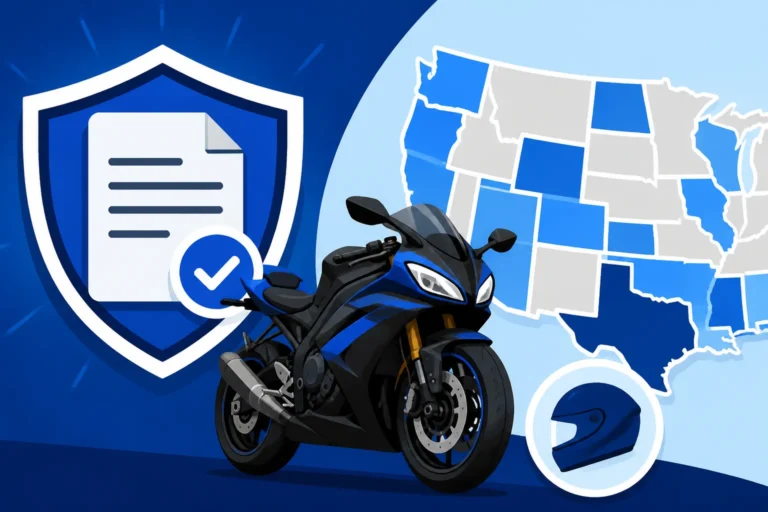
When we talk about "legal" helmets, the state refers to Department of Transportation (DOT) standards. This is a critical point because "novelty" helmets—those thin, plastic shells that look cool but offer the structural integrity of a cereal bowl—do not count. If you are under 18, wearing a non-DOT-approved helmet is legally equivalent to wearing no helmet at all. This distinction matters deeply when considering Motorcycle Helmet Laws by State because every jurisdiction has its own way of defining what constitutes "protection."
Beyond the Helmet: The Eye Protection Rule
While the helmet law in the Grand Canyon State is partial, the eye protection law is nearly universal. This is a detail that catches many out-of-state visitors off guard. According to Arizona Revised Statutes, all operators of motorcycles must wear protective glasses, goggles, or a transparent face shield unless the motorcycle is equipped with a protective windshield. Notice the phrasing there: it specifies "operators." While the law is a bit more relaxed for passengers regarding eye protection, any experienced rider will tell you that a pebble at 65 mph doesn't care if you're the driver or the passenger.
Why is Arizona so strict on eyes? If you’ve ever ridden through the Sonoran Desert during monsoon season or even on a standard windy afternoon, you know the air is filled with more than just heat. Dust, sand, and those massive Arizona beetles can become projectiles. Losing your vision for even a fraction of a second while leaning into a curve on SR-89A near Sedona can be catastrophic. The law is designed to prevent "vision-related" accidents, which are surprisingly common in the Southwest.
If your bike has a windshield, you are legally in the clear to go without goggles. However, the height of that windshield matters. If it's a short, "sport" style screen that directs air (and bugs) right into your forehead, you might still want those glasses. From a law enforcement perspective, if a cop sees you squinting or rubbing your eyes, they have a valid reason to check your setup. This plays a role in the broader Motorcycle Insurance Requirements by State (2026 Guide), as staying compliant with equipment laws is often a prerequisite for maintaining a clean riding record.
The Financial and Insurance Impact of Helmet Choices
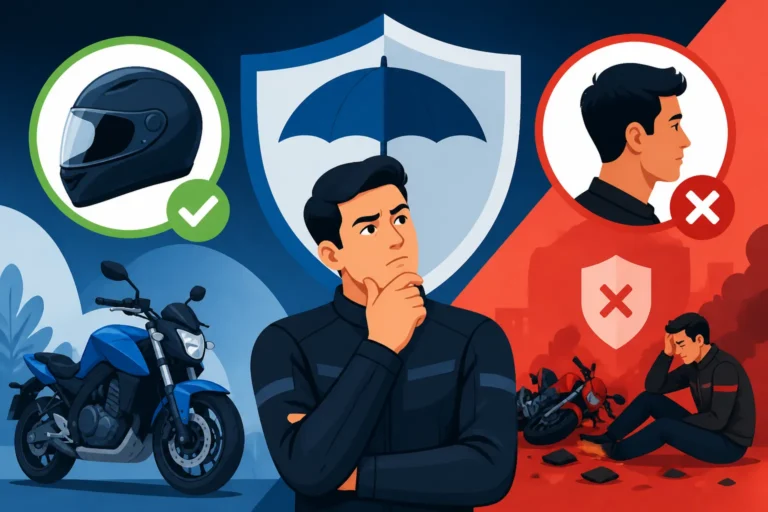
Here is where things get a bit complicated and, frankly, a bit stressful. Many riders assume that because Arizona doesn't require a helmet for adults, choosing not to wear one won't affect their insurance or a potential legal claim. That is a dangerous assumption. Arizona follows a "comparative negligence" rule in personal injury cases. This means if you are involved in an accident that wasn't your fault, but you weren't wearing a helmet, the opposing insurance company could argue that your injuries were made worse by your choice.
For example, if a car pulls out in front of you in Phoenix and you suffer a head injury, the defense will almost certainly bring up your lack of a helmet. If a jury decides you are 30% responsible for the severity of your injuries because you opted out of safety gear, your total compensation could be slashed by 30%. This makes the question of Helmet Law & Insurance: Does Not Wearing One Affect Claims? a vital one for every Arizona rider to study. Saving a few bucks on a helmet could cost you tens of thousands in a settlement down the road.
Furthermore, your choice of gear can influence what coverage you should carry. If you prefer to ride without a helmet, you should look closely at What Is Medical Payments (MedPay) for Riders?. MedPay can help cover immediate medical bills regardless of who caused the accident. Given that head injuries are significantly more expensive to treat than road rash, having higher limits on your medical coverage is a smart move for the "freedom-loving" rider. You can also research How Much Is Motorcycle Insurance in Arizona? to see how different coverage levels affect your monthly premium.
| Feature | Requirement for Under 18 | Requirement for 18 and Over |
|---|---|---|
| Helmet | Mandatory (DOT Approved) | Optional |
| Eye Protection | Mandatory (unless windshield exists) | Mandatory (unless windshield exists) |
| Passenger Helmet | Mandatory | Optional |
| DOT Standards | Must be met | Recommended for safety |
| Insurance Impact | Non-compliance voids many claims | May reduce settlement via comparative negligence |
Navigating Cross-Border Rides and State Lines
Arizona is a gateway to some of the best riding in the country, but as soon as you cross the Colorado River or head west toward California, the rules change drastically. If you’re planning a trip, you need to be aware of Riding Across State Lines: Insurance & Helmet Rules. Arizona’s neighbors have very different philosophies on rider safety, and the "I didn't know" excuse rarely works with the Highway Patrol.
California and Nevada are "universal" helmet law states. This means the second you cross the border, that helmet needs to be on your head, regardless of your age or how many years you've been riding. I’ve seen riders get pulled over just yards past the state line because they forgot to pull over and gear up. Conversely, New Mexico and Utah have partial laws similar to Arizona’s, though Utah’s age limit is actually 21, not 18. This discrepancy is why understanding Is Motorcycle Insurance Required in Arizona? and the accompanying gear laws is just the first step in a multi-state tour.
It’s also worth noting that your Motorcycle License, Endorsement & Insurance status is checked during these stops. If a Nevada officer pulls you over for a helmet violation, they are going to run your endorsement too. If you’re riding a bike that’s bigger than what your license allows, or if your insurance has lapsed, a simple helmet stop can result in your bike being impounded. Always check the local requirements of your destination before you kick up the kickstand.
Passenger Safety and Legal Responsibilities
If you’re the type of rider who loves to bring a friend along, Arizona law puts a lot of responsibility on your shoulders. If your passenger is under 18, you are legally responsible for ensuring they are wearing a helmet. It doesn't matter if they "forgot" theirs or if "it’s just a short ride to the store." As the operator, you get the ticket and the potential points on your license.
Beyond the legal aspect, there’s the insurance side of things. If you have a passenger and you’re involved in an accident, your liability coverage is what usually pays for their injuries. However, if your passenger wasn't wearing a helmet and sustained a head injury, you might find yourself in a messy legal battle with your own insurance company or the passenger's family. Some policies have specific exclusions or reduced limits if safety laws aren't followed.
I always tell people that even though the law allows adults to ride without a helmet, I never let a passenger on my bike without one. It’s a matter of protecting my own financial future as much as their physical safety. Dealing with the fallout of an accident is hard enough without adding legal negligence into the mix. If you're curious about how this affects your overall standing, check out the Motorcycle Insurance Requirements by State (2026 Guide) to see how Arizona compares to the rest of the nation in terms of liability and passenger protection.
Safety Gear and Long-Term Practicality
While we've focused heavily on what is legally required, there is a massive gap between being "legal" and being "safe." Arizona's heat is legendary, and many riders ditch their gear because they don't want to sweat. But here’s the reality: sweat dries, but skin doesn't grow back quite as easily. A "full-face" helmet doesn't just protect your skull; it protects your jaw, your teeth, and your skin from the sun.
In Arizona, the sun is a constant enemy. Long-term riders often suffer from skin cancer on their faces and necks because they rode for decades without protection. A helmet provides a consistent shade that no amount of sunscreen can match. Moreover, modern helmets are designed with incredible ventilation systems that actually use the wind to pull heat away from your head. Sometimes, wearing a white or silver helmet can actually keep you cooler than letting the sun beat directly onto your dark hair.
If you are a new rider, I highly recommend looking into the Motorcycle Insurance Requirements by State (2026 Guide) and investing in the best gear you can afford. Many insurance companies offer discounts for riders who complete safety courses or who use specific types of protective equipment. While the Arizona helmet law gives you the choice, the smartest choice is usually the one that brings you home in one piece after every ride.
Arizona Motorcycle Helmet Law Disclaimer
This guide provides a general overview of the Arizona motorcycle helmet and eye protection laws for informational purposes only. Statutes and local ordinances can change, and legal interpretations vary. This information does not constitute legal advice. For specific legal concerns or the most current legislative updates, please consult the Arizona Department of Transportation (ADOT) or a qualified legal professional in the state of Arizona. Additionally, always review your individual insurance policy to understand how gear usage may affect your coverage or claims.