Is Motorcycle Insurance Required in Wisconsin?
Navigating the world of motorcycle insurance can feel like a maze, especially when you're just trying to figure out the basic legal requirements in your home state. If you're a rider in Wisconsin, you've probably wondered, "Do I really need motorcycle insurance here?" The short answer is yes, absolutely. While some states have quirks, Wisconsin is pretty straightforward: you need to be able to prove financial responsibility, and for most of us, that means carrying a valid motorcycle insurance policy. This guide is here to cut through the confusion and explain exactly what Wisconsin requires, what happens if you don't comply, and how you can ride legally and with peace of mind.
The Short Answer: Is Motorcycle Insurance Required in Wisconsin?
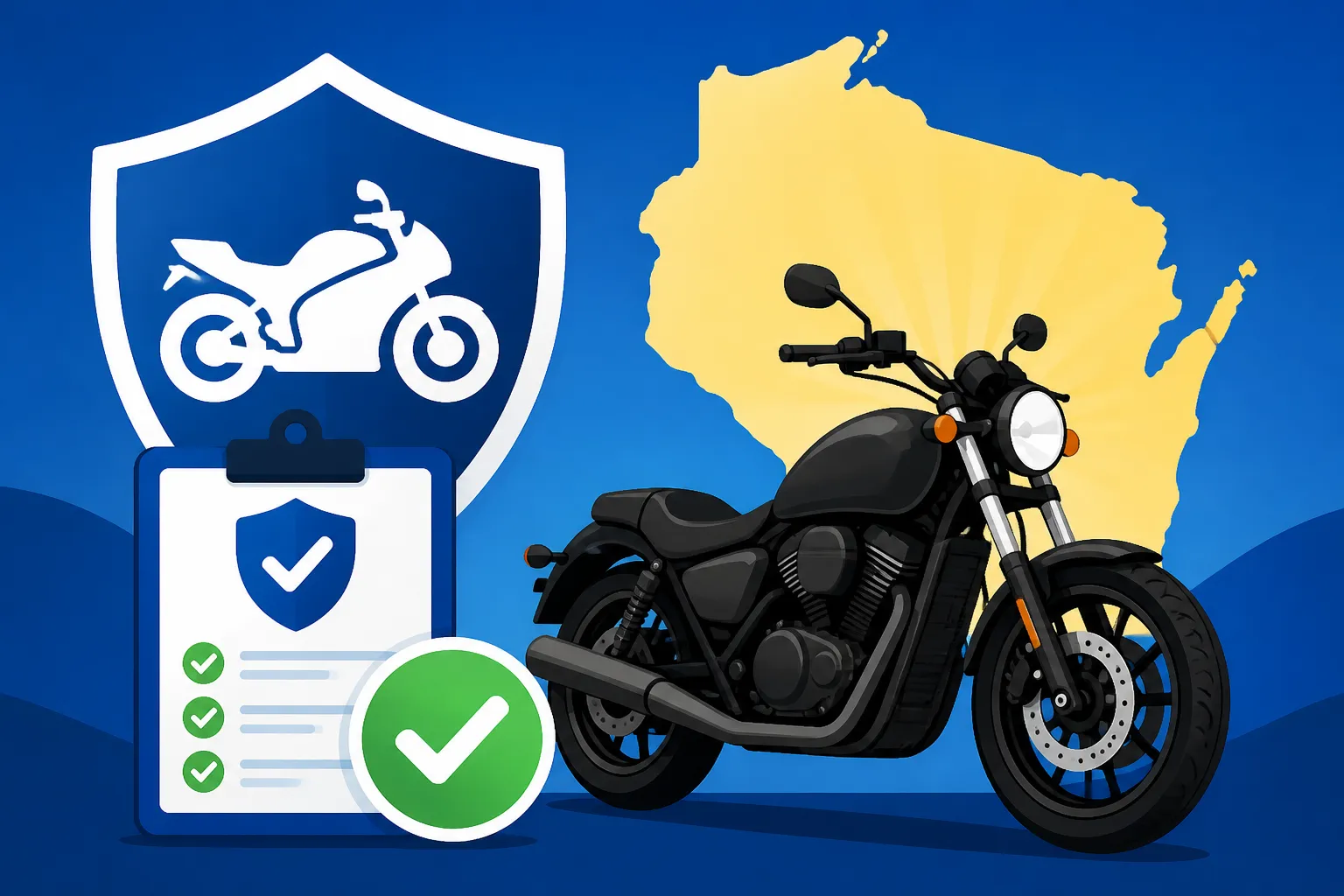
Let's get right to it, because nobody wants to be caught off guard. Yes, motorcycle insurance is absolutely required in Wisconsin. It's not just a good idea; it's the law. The state operates under a "financial responsibility" system, which means every driver and rider on public roads must be able to prove they can cover damages if they cause an accident. For 99% of us, that proof comes in the form of a liability insurance policy. Without it, you're not just risking a ticket; you're risking your financial future.
Wisconsin's Financial Responsibility Law
At its core, Wisconsin's motor vehicle laws, including those for motorcycles, are built around the concept of financial responsibility. This means that if you're operating a vehicle, you must be able to pay for any bodily injury or property damage you cause to others in an accident. While there are a few less common ways to prove this, like posting a bond with the Department of Transportation or having a certificate of self-insurance (which is really only for huge fleets, not individual riders!), a standard liability insurance policy is the practical, accessible, and overwhelmingly common method. This mandate isn't about protecting your bike; it's about protecting other people on the road from your potential mistakes. It ensures that victims of accidents aren't left high and dry, facing medical bills or repair costs through no fault of their own.
Minimum Liability Coverage Requirements
So, what does that required insurance policy actually look like? Wisconsin specifies minimum liability limits that your policy must meet. These are typically expressed as three numbers, like 25/50/10, representing different aspects of coverage. These numbers are non-negotiable if you want to ride legally.
Here’s a breakdown of Wisconsin’s minimum motorcycle insurance requirements:
- $25,000 for bodily injury liability per person: This is the maximum your insurance will pay for injuries to a single person you injure in an accident where you are at fault. Imagine you cause an accident, and the other rider ends up with a broken leg and a hospital stay. Your insurance would cover up to $25,000 for their medical bills and related expenses.
- $50,000 for total bodily injury liability per accident: This is the total maximum your insurance will pay for all injuries if multiple people are hurt in an accident you cause. So, if you hit a car with two passengers, and both are injured, your insurance would pay up to $25,000 for each, but not exceeding $50,000 combined. If their injuries total $60,000, you'd be personally responsible for the remaining $10,000.
- $10,000 for property damage liability per accident: This covers the cost of repairing or replacing property you damage in an at-fault accident, such as another vehicle, a fence, or even a building. If you accidentally lay down your bike and slide into someone's parked car, your policy would cover up to $10,000 for the car's damages.
It’s crucial to understand that these are the absolute minimums. While they make your policy cheaper, they often fall far short of covering the actual costs in a serious accident. Many seasoned riders, myself included, will tell you that bumping up these limits is one of the smartest investments you can make. The peace of mind alone is worth it, not to mention the protection from potentially bankrupting lawsuits. You might want to learn more about Minimum Liability Insurance Explained (The Three Numbers).
What Happens If You Ride Without Insurance in Wisconsin?
Riding uninsured isn't just a minor infraction; it's a gamble with severe, life-altering consequences. While the open road calls and the thought of saving a few bucks might be tempting, the risks far outweigh any perceived benefits. Wisconsin takes its financial responsibility laws seriously, and the penalties for non-compliance can be steep.
Penalties and Consequences
Getting caught riding without insurance in Wisconsin isn't just a slap on the wrist. Here's what you could be facing:
- Fines: Expect a hefty fine, which can often run into several hundred dollars for a first offense. These aren't just minor traffic tickets; they're designed to be a deterrent.
- License and Registration Suspension: Your motorcycle license (or endorsement) and vehicle registration can be suspended. This means you legally cannot ride any motorcycle until you provide proof of insurance and potentially pay reinstatement fees. Imagine having your bike in the garage, but no legal way to ride it for months.
- SR-22 Requirement: If you're caught without insurance, the state will likely require you to file an SR-22 certificate for a certain period, usually three years. An SR-22 isn't insurance itself, but a certification from your insurance company to the state, proving you carry the minimum liability coverage. Because it flags you as a "high-risk" driver, obtaining SR-22 insurance will almost certainly make your premiums skyrocket. You can dive deeper into SR-22 for Motorcycles: When It's Required.
- Impoundment: In some cases, especially if it's not your first offense, your motorcycle could be impounded. Getting it back means paying towing fees, storage fees, and proving you have insurance, which can quickly add up to a significant financial burden.
- Criminal Charges: While typically a civil offense, repeated offenses could escalate to more serious legal trouble.
These penalties are designed to prevent riders from putting others at risk. The state wants to ensure that if an accident happens, there's a mechanism in place to compensate those who are harmed. Knowing What Happens If You Ride Without Insurance? is critical for any rider.
The Real-World Risks of Being Uninsured
Beyond the legal penalties, the true terror of riding without insurance comes to light if you're involved in an accident where you are at fault. This is where the term "financial responsibility" truly hits home.
- Personal Financial Ruin: If you cause an accident and don't have insurance, you are personally liable for all damages. This means medical bills for injured parties, property damage to vehicles or other property, lost wages for those unable to work, and potentially pain and suffering. These costs can easily run into the tens or hundreds of thousands of dollars. Imagine hitting a brand new truck or causing severe injuries to another rider – you could be facing a lifetime of debt, wage garnishments, and even bankruptcy.
- No Coverage for Your Own Injuries or Damages: If you're uninsured, your policy (or lack thereof) won't help cover your own medical bills or repair costs for your motorcycle. Even if the accident isn't your fault, if you don't have certain coverages like Uninsured/Underinsured Motorist or Collision, you could be left with nothing. This can be a particularly nasty surprise for riders.
- Stress and Legal Headaches: Dealing with the aftermath of an accident is stressful enough. Doing it without insurance means you'll be navigating legal battles, collections agencies, and potentially lawsuits all on your own, with no insurance company to advocate for you or handle the claims process. It's a lonely, terrifying road.
The risks are simply too high to justify saving a few dollars on premiums. It's not just about protecting others, but ultimately, protecting yourself and your family from financial catastrophe.
Beyond the Basics: Understanding Your Coverage Options
Meeting Wisconsin's minimum liability requirements is a great start, but it's really just the bare minimum. True peace of mind, and robust protection for both you and your motorcycle, comes from exploring additional coverage options. Think of it like this: the minimum covers other people and their property if you mess up. But what about you and your beloved bike?
Recommended Coverages for Wisconsin Riders
If you're serious about riding safely and protecting your investment, you'll want to consider these valuable add-ons:
- Collision Coverage: This coverage steps in to repair or replace your motorcycle if it's damaged in an accident, regardless of who is at fault. Whether you hit a guardrail, another vehicle, or lay your bike down, collision coverage helps cover the costs after your deductible. This is pretty much non-negotiable for most riders, especially if you have a financed bike.
- Comprehensive Coverage: This is your knight in shining armor for non-collision incidents. Think theft, vandalism, fire, natural disasters (like hail or floods), or even hitting an animal. If your bike gets stolen from your garage or a deer jumps out in front of you on a country road, comprehensive coverage helps foot the bill. It's a crucial layer of protection when your bike isn't moving or when Mother Nature decides to throw a curveball. You can learn more by reading What Is Comprehensive Motorcycle Insurance?.
- Uninsured/Underinsured Motorist (UM/UIM) Coverage: This coverage is incredibly important, especially with the number of uninsured drivers on the road. If you're hit by a driver who doesn't have insurance (or doesn't have enough insurance) and they're at fault, your UM/UIM policy will help cover your medical bills, lost wages, and potentially even damage to your motorcycle. It's protection for you against those who don't follow the rules. This really highlights the wisdom in seeking Uninsured & Underinsured Motorist Coverage (UM/UIM).
- Medical Payments (MedPay): Also known as MedPay, this coverage helps pay for medical expenses for you and any passengers, regardless of who is at fault in an accident. It's a no-fault coverage that can kick in quickly, covering things like ambulance rides, emergency room visits, and hospital stays, up to your policy limit. This can be a lifesaver, as even minor accidents can result in significant medical bills.
- Accessories and Custom Parts Coverage: If you've invested in chrome, custom paint, saddlebags, or a fancy exhaust system, your standard policy might not cover their full value. This add-on specifically protects those aftermarket parts and customizations, ensuring your investment is covered in case of damage or theft. Many riders find Accessories & Custom Parts Coverage Explained to be invaluable.
- Roadside Assistance: Imagine breaking down on a remote Wisconsin highway. Roadside assistance can be a lifesaver, covering towing services, tire changes, fuel delivery, or even battery jumps. It's a small expense for a huge convenience when you need it most.
When choosing coverage, think about your riding habits, the value of your bike, and your personal financial situation. It's always a good idea to chat with an insurance professional to tailor a policy that truly fits your needs, rather than just grabbing the cheapest option.
How to Prove Financial Responsibility
When you're out on the open road in Wisconsin, you need to be ready to prove that you meet the state's financial responsibility requirements. Typically, law enforcement will ask for proof of insurance during a traffic stop or after an accident.
Here's how you usually show you're covered:
- Insurance ID Card: Your insurance company will issue you an insurance ID card, which usually includes your policy number, effective dates, and the minimum coverages. Keep this card (or a clear copy) in your wallet or with your registration documents.
- Digital Proof: Most insurance companies now offer digital ID cards through their mobile apps. Wisconsin generally accepts electronic proof of insurance displayed on a smartphone or other electronic device. This can be super convenient, but make sure your phone is charged! You can learn more about Proof of Insurance: Digital vs Paper for Riders.
- Policy Declarations Page: While less common for routine stops, a copy of your full policy declarations page, which details all your coverages and limits, can also serve as proof. This is usually kept at home but is good to have for your records.
Remember, if you can't provide immediate proof of insurance when requested by law enforcement, you could face penalties even if you do have coverage. It’s always best to be prepared.
Navigating Wisconsin's Motorcycle Laws
Riding a motorcycle in Wisconsin involves more than just insurance. It's about understanding the complete legal landscape to ensure every ride is safe and legal. Beyond the insurance card in your wallet, there are other considerations that can impact your riding experience and even your insurance.
Helmet Laws and Their Impact
Wisconsin has what's known as a "partial" helmet law. This means that not all riders are legally required to wear a helmet. Specifically, only riders under the age of 18, and riders who possess an instructional permit, are legally obligated to wear a helmet. If you're 18 or older and have a full motorcycle endorsement, you have the choice.
However, just because you can ride without a helmet doesn't mean it's a good idea, nor does it mean it won't impact your insurance or potential accident claims.
- Safety First: Helmets dramatically reduce the risk of head injury and death in an accident. While the choice is yours if you're over 18, prioritizing your safety with a DOT-approved helmet is always the wisest decision.
- Insurance Claims: This is where it gets tricky. Even if you're legally allowed to ride without a helmet, if you're involved in an accident and sustain a head injury, your insurance company or the opposing party's insurer might argue that your injuries would have been less severe had you been wearing a helmet. This could potentially reduce the amount of compensation you receive for medical expenses and other damages, even if the accident wasn't your fault. This concept often ties into the idea of comparative negligence. This is a point to consider when thinking about Helmet Law & Insurance: Does Not Wearing One Affect Claims?.
- Personal Choice: Ultimately, for adult riders, the helmet choice is personal. But it’s a decision that carries significant implications for your safety and potential financial recovery after a crash.
It's always a good idea to stay informed about Motorcycle Helmet Laws by State, as these can change.
Getting Your Policy: Key Considerations
Once you understand what's required and what's recommended, the next step is actually getting that motorcycle insurance policy. This isn't just about picking the cheapest option; it's about finding the right fit for your bike, your riding style, and your budget.
- Shop Around: Don't just go with the first quote you get. Different companies specialize in different types of bikes or riders. Companies like Progressive, Geico, and Dairyland are popular choices for motorcycle insurance, but local independent agents can often find hidden gems. It's worth comparing several quotes to find the best balance of coverage and cost. You can learn How to Compare Motorcycle Insurance Quotes.
- Be Honest About Your Riding Habits: Your annual mileage, where you store your bike, and even if you take a motorcycle safety course can affect your rates. Being upfront about these details ensures you get accurate quotes and appropriate discounts. For example, completing a Motorcycle Safety Foundation (MSF) course can often lead to significant discounts, as it shows you're a responsible rider.
- Consider Bundling: If you already have car insurance or homeowner's insurance, many companies offer a discount if you bundle your motorcycle policy with them. This can be a great way to save money and simplify your insurance management. You might want to consider Bundling Motorcycle and Auto Insurance: Worth It?.
- Deductibles: A higher deductible usually means a lower premium. However, make sure you can comfortably afford your deductible if you ever need to make a claim. There’s no point in saving $10 a month on your premium if a $2,000 deductible would break your bank in an accident.
- Read the Fine Print: Always understand what you're buying. Pay attention to policy limits, exclusions, and how custom parts or accessories are covered. Don't be afraid to ask questions until you're completely clear on your coverage.
By being diligent and informed, you can secure a comprehensive policy that protects you financially and allows you to enjoy the unparalleled freedom of riding in Wisconsin.
Wisconsin Motorcycle Insurance Requirements Summary
To help keep everything straight, here's a quick overview of the essential motorcycle insurance requirements and key considerations for riding in the Badger State.
| Requirement Type | Wisconsin Minimum Standard | Notes |
|---|---|---|
| Mandatory Coverage | Yes, proof of financial responsibility (typically liability insurance) is required. | This is non-negotiable for all riders on public roads. Without it, you face significant legal and financial consequences. |
| Bodily Injury Liability (per person) | $25,000 | This is the maximum your insurance will pay for injuries to a single person you injure in an at-fault accident. While it meets the legal minimum, consider higher limits for better protection against serious injury costs. |
| Bodily Injury Liability (per accident) | $50,000 | This is the total maximum your insurance will pay for all injuries if multiple people are hurt in an at-fault accident. Again, for robust financial security, especially in multi-party accidents, increasing this limit is highly advisable. |
| Property Damage Liability (per accident) | $10,000 | This covers damage to other people's property (like vehicles, fences, etc.) you cause in an at-fault accident. Given the cost of vehicle repairs today, $10,000 can be quickly exhausted, leaving you on the hook for the remainder. Many riders opt for higher limits. |
| Proof of Insurance | Must be carried at all times (physical card or accepted digital proof on a device). | Failing to provide proof upon request can lead to fines and other penalties, even if you are insured. Ensure your digital proof is easily accessible and your device is charged. |
| Helmet Law | Mandatory for riders under 18 and those with an instructional permit. Optional for riders 18 and over with a full endorsement. | While optional for adults, wearing a DOT-approved helmet is strongly recommended for safety. Not wearing one, even where legal, could impact the settlement of claims if you sustain a head injury, due to arguments of comparative negligence. |
| Recommended Additional Coverages | Collision, Comprehensive, Uninsured/Underinsured Motorist (UM/UIM), Medical Payments (MedPay), Accessories Coverage, Roadside Assistance. | These coverages protect you, your motorcycle, and your passengers from various risks not covered by basic liability. They offer crucial financial protection against theft, damage to your bike, your own medical bills, or costs incurred if hit by an uninsured driver. Consider these for comprehensive peace of mind. |
Riding a motorcycle in Wisconsin is a fantastic experience, but it comes with the responsibility of understanding and adhering to the state's laws. Being properly insured isn't just a legal obligation; it's a fundamental part of being a responsible rider, protecting yourself and everyone else on the road.
Disclaimer
This article is for general informational purposes only and does not constitute professional advice. Laws, prices and regulations vary by location and change over time. Consult a qualified professional for guidance on your specific situation.