Do You Need Uninsured Motorist Coverage on a Motorcycle?
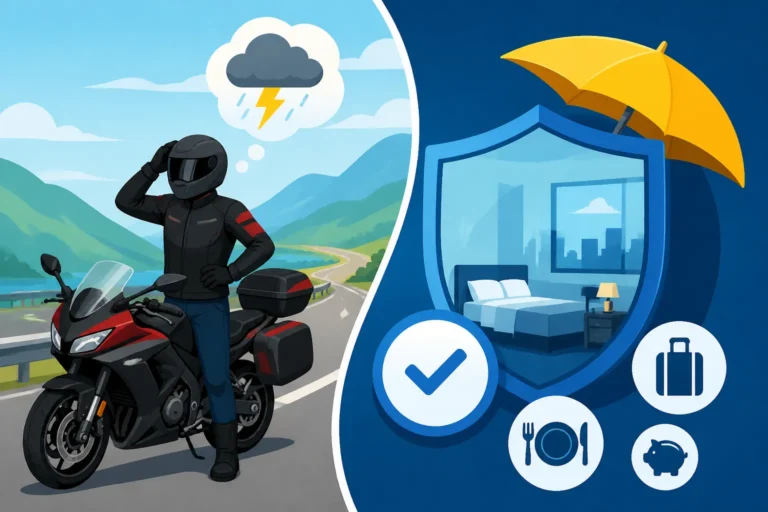
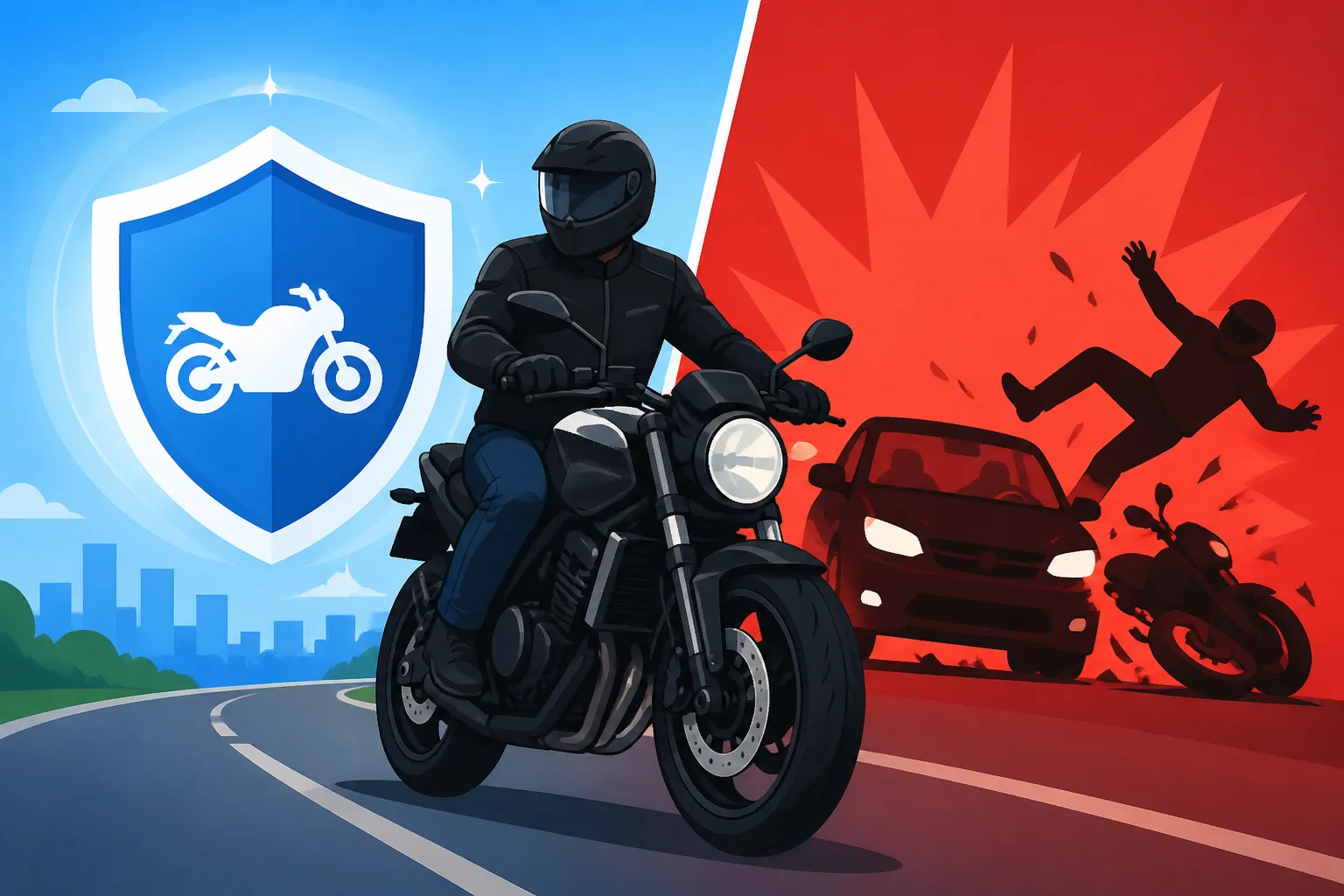
Picture this: you're out on the open road, the sun on your face, the roar of your engine a symphony to your ears. Life is good. Then, in an instant, a car swerves, a deer jumps out, or worse, another driver, distracted and uninsured, blindsides you. Your heart sinks. Beyond the immediate physical danger, a chilling thought sets in: "Who's going to pay for this?" This is a terrifying reality for many riders, and it's precisely why understanding uninsured motorist (UM) coverage on your motorcycle policy isn't just a suggestion; for many, it's a lifeline. This guide is going to walk you through everything you need to know about UM coverage, helping you decide if it's the right shield for your two-wheeled adventures.
Understanding the Reality of Uninsured Motorists on Two Wheels
Riding a motorcycle comes with an inherent sense of freedom, but also a heightened sense of vulnerability. Unlike a car, there's no steel cage, no airbags to cushion the blow. When an accident happens, especially one caused by someone else, the consequences can be devastating, both physically and financially. And here's the kicker: far too many drivers on the road today are operating without valid insurance, leaving you in a very precarious position if they're the one who causes a crash.
The Alarming Statistics and Why They Matter to Riders
It's a sobering thought, but the statistics on uninsured drivers are genuinely alarming. Nationally, about one in eight drivers, or roughly 12.6%, is uninsured. That's millions of vehicles on the road without proper coverage. And this number isn't static; it fluctuates, and in some states, it's significantly higher. For example, states like Florida, Mississippi, and New Mexico often see uninsured motorist rates well over 20%. Imagine for a moment that every fifth or sixth vehicle you pass could potentially offer no financial recourse if they cause an accident.
As a motorcyclist, these figures should make your radar ping. Why? Because when a car hits a motorcycle, the rider almost always bears the brunt of the impact. The injuries are often more severe, leading to higher medical bills, longer recovery times, and significant damage to your bike. If the at-fault driver has no insurance, or only minimum liability coverage in a state with low requirements (which is often woefully inadequate for severe motorcycle injuries), you're left holding the bag. Your personal health insurance might cover some medical costs, but what about your lost wages, pain and suffering, or the custom parts on your beloved bike? That's where uninsured motorist coverage steps in.
How Uninsured Motorist Coverage Works for Motorcycles
Uninsured motorist (UM) coverage on a motorcycle insurance policy is designed to protect you when the at-fault driver either has no insurance at all, or their insurance limits are insufficient to cover your damages. It essentially acts as a safety net, paying out as if the other driver did have adequate coverage.
There are typically two main components to UM coverage:
- Uninsured Motorist Bodily Injury (UMBI): This is the part that covers your medical expenses, lost wages from not being able to work, and sometimes even pain and suffering if you're injured by an uninsured driver. It also often extends to your passengers and other family members covered under your policy.
- Uninsured Motorist Property Damage (UMPD): This component is specifically for the damage to your motorcycle itself, as well as any personal belongings that might have been on it. If an uninsured driver totals your bike, UMPD would help cover the repair or replacement costs, subject to your policy's limits and deductible.
It's also important to consider underinsured motorist (UIM) coverage. This is often bundled with UM or offered as a separate but related option. UIM kicks in when the at-fault driver does have insurance, but their liability limits are too low to fully compensate you for your injuries and damages. Let's say a driver only has the minimum liability coverage of $25,000 for bodily injury, but your medical bills alone hit $75,000. Their insurance would pay out their maximum $25,000, and then your UIM coverage could potentially cover the remaining $50,000, up to your policy's UIM limits. Understanding the nuances of Uninsured & Underinsured Motorist Coverage (UM/UIM) is crucial for any rider.
The Financial Risks of Riding Without UM Coverage
Opting out of uninsured motorist coverage might seem like a way to shave a few bucks off your premium, but it's a gamble with potentially catastrophic financial consequences. When you're involved in an accident with an uninsured driver, the burden of proof and the costs of recovery can fall squarely on your shoulders.
Covering Your Medical Bills and Lost Wages
Let's be blunt: motorcycle accidents can be brutal. Even a low-speed impact can result in broken bones, road rash requiring extensive skin grafts, head injuries, or worse. The medical bills can skyrocket into the tens or even hundreds of thousands of dollars faster than you can say "emergency room." Without UMBI, who's going to foot that bill?
Your health insurance might cover some of it, but think about deductibles, co-pays, and out-of-pocket maximums. What if you have a high-deductible plan? What about all the therapies and rehabilitation that health insurance might not fully cover? Beyond direct medical costs, if your injuries prevent you from working, those lost wages can quickly deplete your savings. Imagine being off work for months, unable to ride, and watching your bank account drain while you're still recovering. UMBI coverage is designed to step into that void, providing crucial financial support when you need it most. It’s a huge relief to know you won't be battling medical debt while also trying to heal.
Protecting Your Prized Possession: Bike Damage and Repair Costs
For many of us, our motorcycle isn't just a vehicle; it's an extension of our personality, a piece of art, a source of joy. The thought of it being damaged or, heaven forbid, totaled, is heart-wrenching. But if an uninsured driver is at fault, and you don't have UMPD, who pays for the repairs?
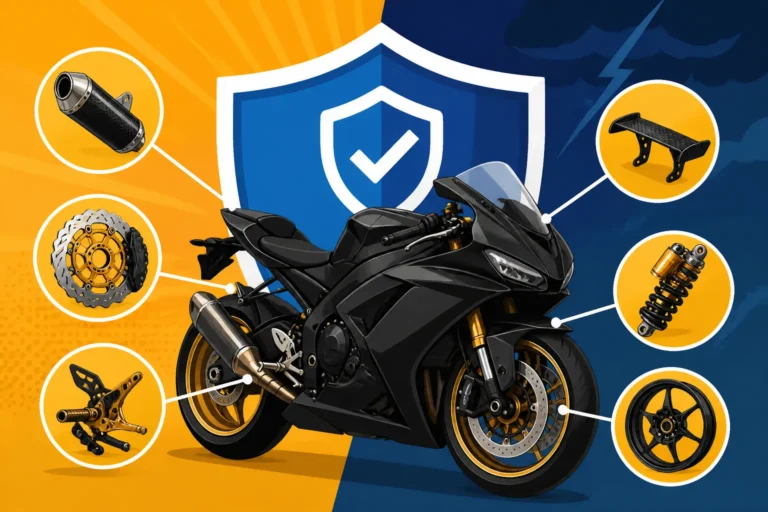
You might have collision coverage on your own policy, which would indeed cover the damage to your bike, regardless of who is at fault. However, you'd still pay your collision deductible, and depending on your policy, your rates might increase as a result of filing a collision claim. With UMPD, if the at-fault driver is uninsured, your UMPD deductible is often lower than your collision deductible, or sometimes even waived. More importantly, it ensures that your bike, whether it's a vintage Harley-Davidson or a modern Ducati, gets the repairs it needs without you having to chase down a negligent, uninsured driver in small claims court, which is often a fruitless endeavor. It's truly a nightmare scenario if you have a brand new bike and then get into an accident with an uninsured motorist and don't have the proper coverage. This is particularly important for those who've poured time and money into custom modifications, as Accessories & Custom Parts Coverage Explained might also be tied into how UMPD helps.
The Burden of Legal Fees and Recovery Efforts
If you're injured or your bike is damaged by an uninsured driver and you don't have UM coverage, your only recourse is often to sue the at-fault driver directly. This is where things get really ugly. Legal battles are expensive, time-consuming, and emotionally draining. You'll incur attorney fees, court costs, and a significant amount of stress.
Even if you win a judgment against the uninsured driver, collecting that money can be incredibly difficult, if not impossible. If they don't have assets or a steady income to garnish, that judgment can be essentially worthless. Many uninsured drivers are uninsured precisely because they lack the financial means to carry insurance, meaning they often lack the assets to pay a judgment. UM coverage sidesteps this entire messy, frustrating, and often futile process. Instead of pursuing the negligent party, you deal directly with your own insurance company, which is a much smoother and more reliable path to recovery.
Is UM Coverage Mandatory for Motorcycles? State-by-State Breakdown
The question of whether you need uninsured motorist coverage often boils down to where you live. Insurance laws vary wildly from state to state, creating a confusing patchwork of requirements for riders. What's mandatory in one state might be optional in another, or even completely unavailable.
States Where UM is Required or Offered as an Opt-Out
Many states recognize the significant risk posed by uninsured drivers and have taken steps to protect their citizens. In some states, UM/UIM coverage is mandatory for all auto insurance policies, including motorcycles. For instance, states like Maryland and New York typically require UM/UIM coverage. This means your insurer must include it in your policy, and you don't have a choice in the matter, at least for minimum limits.
Other states, while not strictly requiring UM/UIM, operate on an "opt-out" system. This means that your insurance company is legally obligated to offer you UM/UIM coverage and include it in your policy unless you specifically and formally reject it in writing. This is a common approach, seen in states like California, Texas, and Florida. The idea here is to ensure that consumers are at least made aware of the coverage and actively choose not to have it, rather than just passively missing out. It's always wise to understand your state's specific Motorcycle Insurance Requirements by State (2026 Guide) to avoid any surprises.
Here's a simplified look at the general categories for UM/UIM requirements across the U.S. Keep in mind that specific limits and variations can apply.
| State Category | UM/UIM Requirement | Example States (General) |
|---|---|---|
| Mandatory | UM/UIM is legally required as part of your policy. | Maryland, New York |
| Opt-Out (Mandatory Offer) | Insurer must include UM/UIM in quote/policy unless explicitly rejected in writing. | California, Texas, Florida, Illinois, Georgia, North Carolina |
| Optional | UM/UIM is offered, but you have no obligation to accept or reject it in writing. | Alaska, New Hampshire, Virginia (though Virginia has unique laws) |
Note: This table provides general examples and laws can change. Always verify current requirements for your specific state.
The States Where It's Entirely Optional
Then there's the category of states where uninsured motorist coverage is entirely optional. In these places, your insurer will offer it to you as an additional coverage option, but there's no legal requirement for them to include it by default, nor do you typically need to sign a waiver if you decline it. States like New Hampshire are famously known for not requiring any auto insurance, though if you choose to get it, UM/UIM would be an optional add-on. Even in states where it's optional, it's a strongly recommended layer of protection, especially for motorcyclists who face greater risks.
Even if your state doesn't mandate it, considering the prevalence of uninsured drivers, it's a coverage that could save you from financial ruin. Remember, just because something isn't legally required doesn't mean it's not a smart choice for your financial well-being and peace of mind. For a deeper dive, you can explore whether Do You Need Uninsured Motorist Coverage on a Motorcycle? is specifically necessary in your region.
Deciding If Uninsured Motorist Coverage is Right for Your Ride
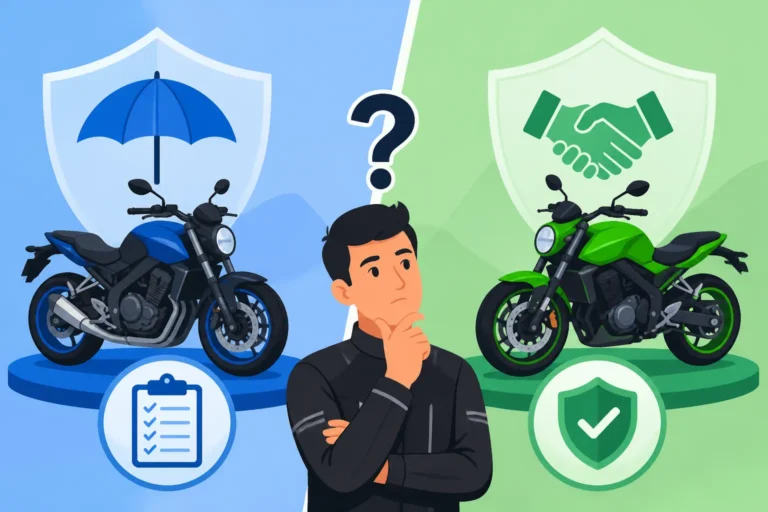
So, now that you know what UM coverage is and the potential pitfalls of riding without it, how do you decide if it's genuinely "right" for you? It's not a one-size-fits-all answer, but by looking at your personal risk, financial situation, and how you typically ride, you can make an informed decision.
Assessing Your Personal Risk Factors
Before you make any decisions, take an honest look at your personal risk profile. This isn't about fear-mongering; it's about being realistic.
- Where do you ride? If you primarily cruise through rural areas with less traffic, your risk might feel lower than someone who commutes daily through dense urban centers like Los Angeles or Miami, which tend to have higher accident rates and higher concentrations of uninsured drivers.
- What's your financial safety net? Do you have significant savings that could comfortably cover a substantial medical bill or the replacement cost of your bike if you were severely injured and your bike totaled? Do you have robust health insurance with a low deductible? If your financial cushion isn't particularly thick, UM coverage becomes even more critical.
- How much do you rely on your bike? Is your motorcycle your primary mode of transportation, essential for getting to work? Or is it a weekend toy? If you depend on your bike, having UMPD means you can get back on two wheels faster after an incident with an uninsured driver.
- Your tolerance for risk: Some riders are naturally more risk-averse, while others are willing to take more chances. What's your comfort level with potentially having to pay for everything out-of-pocket if an uninsured driver causes a crash?
Consider a scenario: you're riding your custom Indian Scout through downtown Nashville, and a driver in a beat-up pickup truck, with no insurance, pulls out in front of you from a side street. You have minimal liability and collision on your policy, but no UM. The accident is severe; your leg is broken, requiring surgery, and your beautiful bike is a write-off. Without UM, you're looking at your health insurance covering some of the leg costs (after your deductible), but you're likely on the hook for lost wages, pain and suffering, and the significant gap between what your collision coverage pays and the true value of your custom bike (unless you have excellent Agreed Value vs Stated Value vs Actual Cash Value coverage). This is where UM/UIM truly shines, providing that critical buffer.
What to Look for When Choosing UM/UIM Limits
If you decide that uninsured motorist coverage is a smart move (and for most riders, it absolutely is), the next step is to choose appropriate coverage limits. Just like with liability insurance, UM/UIM coverage comes with different limits, often expressed as split limits (e.g., 25/50/25) or a combined single limit.
- Bodily Injury Limits: These are usually expressed as two numbers: per person and per accident. For example, $100,000/$300,000 UMBI means the policy will pay up to $100,000 for one person's injuries and a maximum of $300,000 for all injuries in a single accident. Consider your potential medical costs, your income, and how long you might be out of work. Many financial experts recommend carrying UMBI limits at least equal to your liability limits, if not higher.
- Property Damage Limits: This is typically a single number, like $50,000 UMPD. This amount would cover the damage to your motorcycle. If your bike is new, expensive, or has significant custom work, you'll want to ensure your UMPD limit is high enough to cover its full value.
Don't just default to the minimums. While tempting to save a few dollars, those minimums are often insufficient for serious motorcycle accident injuries. Think about the peace of mind that comes with knowing you're adequately protected. It's often surprising how little extra it costs to significantly increase your UM/UIM limits.
Shopping for the Best Coverage and Value
Once you've decided on the type and limits of uninsured motorist coverage you want, it's time to shop around. Don't just stick with your current provider out of habit. The motorcycle insurance market is competitive, and different companies specialize in different types of risks and offer varying rates.
- Get multiple quotes: Contact several insurance providers. Companies like Progressive, Geico, Dairyland, and Markel are well-known in the motorcycle insurance space. Don't forget local independent agents who can shop multiple carriers for you.
- Compare apples to apples: When comparing quotes, ensure you're getting the exact same coverage types and limits from each insurer. A lower premium might mean lower coverage, which defeats the purpose of adequate protection.
- Ask about discounts: Many insurers offer discounts for motorcycle safety courses, multi-policy bundles (if you also insure your car or home with them), being a safe driver, or even belonging to certain motorcycle clubs. These can significantly reduce your premium.
- Use online comparison tools: Websites like The Zebra can be incredibly helpful. They allow you to input your information once and receive multiple quotes from various providers, streamlining the comparison process and often uncovering competitive rates you might miss otherwise. It’s an efficient way to find out Which Motorcycle Insurance Companies Are Cheapest?.
Finding the right balance between comprehensive coverage and an affordable premium is key. Remember, the goal isn't just to get the cheapest policy, but the best value — meaning adequate protection at a price that fits your budget. Your peace of mind on the road is truly priceless. If you're wondering What Motorcycle Coverage Do You Actually Need?, UM/UIM should definitely be high on your list.
Wrapping Up: Protecting Your Ride and Your Future
Ultimately, the decision of whether to carry uninsured motorist coverage on your motorcycle policy rests with you. But given the statistics of uninsured drivers on the road, the severe nature of motorcycle accident injuries, and the financial chaos that can ensue, it's difficult to argue against its value. For most riders, UM and UIM coverage isn't just a smart choice; it's an essential safeguard for their health, their finances, and their ability to get back on the road after an unfortunate encounter with an unprotected driver. Don't leave your future to chance—take the time to understand your options and secure the protection you deserve.
Disclaimer
This article is for general informational purposes only and does not constitute professional advice. Laws, prices and regulations vary by location and change over time. Consult a qualified professional for guidance on your specific situation.