What Add-On Coverages Are Worth It for Riders?
Riding a motorcycle offers unparalleled freedom, but let's be real: navigating insurance can feel like trying to find your way through a dense fog without a GPS. Beyond the mandatory liability, you're faced with a dizzying array of add-on coverages, and it's tough to know which ones genuinely protect you and your ride, and which might be overkill. This guide is here to cut through the confusion, exploring the most valuable add-on coverages for riders so you can make informed decisions and hit the road with confidence.
Beyond Basic: Protecting Your Motorcycle Itself
When you're deeply invested in your motorcycle, either financially or emotionally, basic liability coverage simply isn't enough. Liability only covers damage and injuries you cause to others. Your own bike? That's on you, unless you've opted for more robust protection. This is where add-on coverages step in to guard your prized possession against the unexpected.
Custom Parts and Accessories Coverage
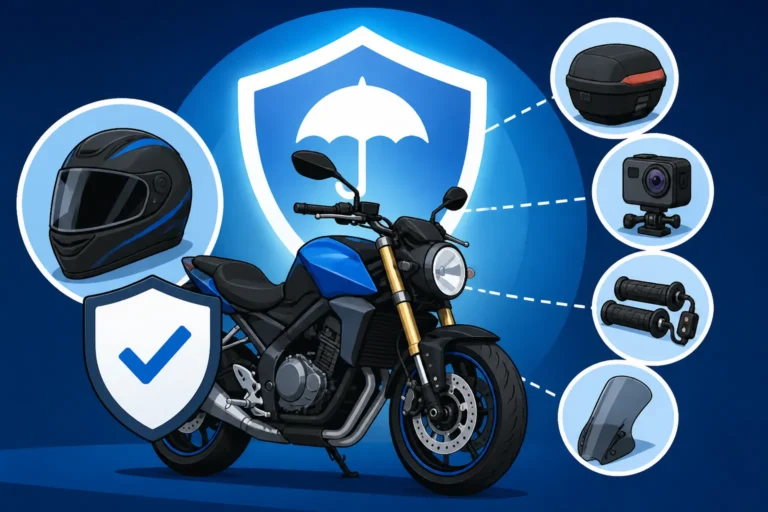
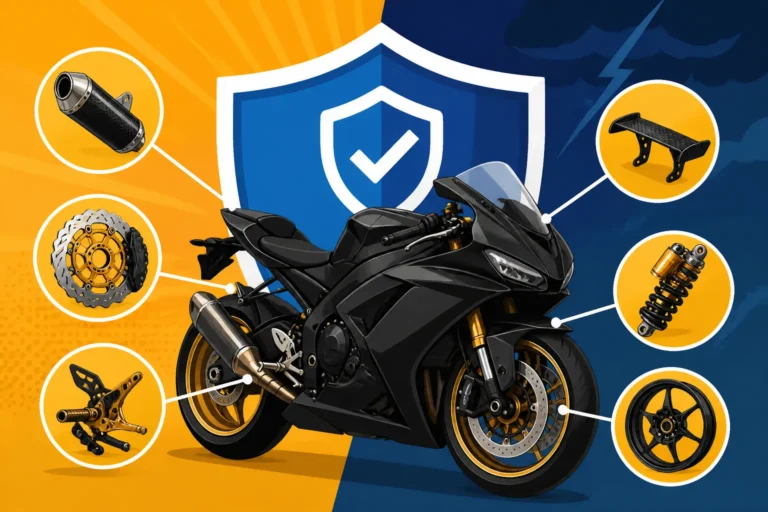
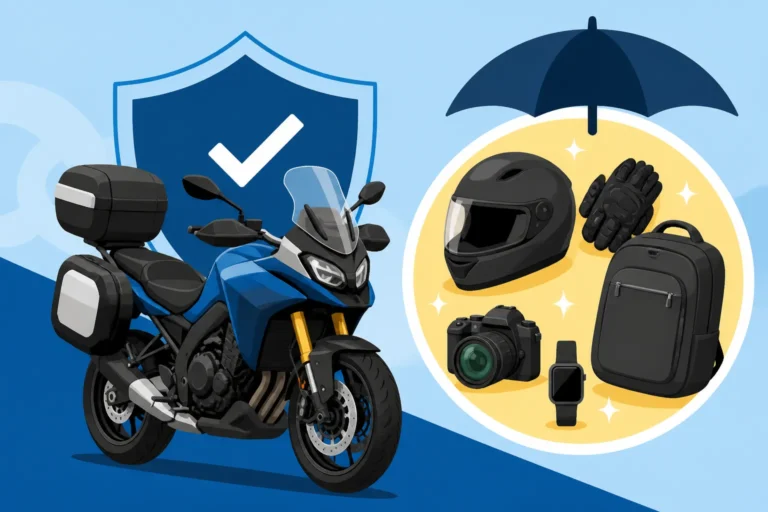
If you've spent any time or money personalizing your bike, whether it's with a gleaming chrome exhaust, aftermarket saddlebags, a custom paint job, or even just some quality LED lighting, you know these additions aren't cheap. Standard motorcycle insurance policies typically include only a very minimal amount of coverage for custom parts and accessories, often just a few hundred or a thousand dollars. When you think about the cost of a full fairing kit, upgraded suspension, or a premium GPS system, that paltry amount quickly becomes insignificant.
This add-on is absolutely essential for anyone whose bike is more than just a stock model. Imagine a scenario: your custom-built Harley-Davidson, complete with a performance exhaust, a sissy bar, and bespoke grips, is stolen right out of your garage. Without adequate custom parts and accessories coverage, your insurer might only pay out for the stock value of those components, leaving you hundreds or even thousands of dollars out of pocket to replace your unique modifications. It's a frustrating reality for many riders who assume their "full coverage" naturally extends to everything they've invested in. Be sure to discuss the exact value of your modifications with your insurer, as many companies like Progressive or Dairyland offer different tiers of this coverage, allowing you to tailor it to your specific needs. Understanding your options here can truly save you a huge financial headache after a theft or an accident that damages your customized components.
Agreed Value vs. Actual Cash Value Options
This one can be a real game-changer, especially for riders with classic, vintage, or highly customized motorcycles. Most standard insurance policies operate on an Actual Cash Value (ACV) basis. This means that if your bike is totaled or stolen, the insurer will pay you what they determine the bike was worth at the time of the incident, minus depreciation. For a newer bike, this might be fine. But for an older, well-maintained classic or a bike with significant custom work, ACV can be a nightmare. The market value might not reflect the true cost of rebuilding or replacing it, nor your emotional attachment.
Enter Agreed Value coverage. With this add-on, you and the insurance company agree on a specific value for your motorcycle before the policy begins. If your bike is then totaled or stolen, that's the amount you'll receive, without deductions for depreciation. This provides immense peace of mind, knowing that your beloved machine's worth is recognized and protected. For example, if you own a meticulously restored 1970 Triumph Bonneville and have invested significant time and money into its condition, the market's ACV might be far less than its actual value to you. Agreeing on a specific figure of, say, $15,000 beforehand ensures that if something happens, you're not left fighting for fair compensation. This type of coverage often requires an appraisal or detailed documentation of your bike's condition and modifications, but for the right rider, it's an invaluable safeguard. For more in-depth information, check out our guide on Agreed Value vs Stated Value vs Actual Cash Value.
Gap Insurance for Financed Bikes
If you're like many riders, you financed your motorcycle. It's an exciting purchase, but it also comes with a unique financial risk: depreciation. As soon as you ride that new bike off the lot, it starts losing value. In the unfortunate event that your financed motorcycle is totaled in an accident or stolen, your standard collision or comprehensive coverage will typically only pay out its Actual Cash Value (ACV). The problem? The ACV might be significantly less than the remaining balance on your loan.
This difference between what your insurance pays and what you still owe the bank is called the "gap." And without gap insurance, you'd be stuck paying that remaining loan balance out of your own pocket for a motorcycle you no longer possess. Imagine totaling your brand-new Indian Scout just six months after purchase. Your insurance company might deem its ACV to be $12,000, but you still owe $15,000. Gap insurance would cover that $3,000 difference, sparing you from a crushing financial burden. This coverage is especially worthwhile if you made a small down payment, financed for a long term, or purchased a motorcycle that depreciates quickly. It's a small premium to pay for protection against a potentially huge financial setback. If you're wondering, Do You Need Gap Insurance on a Motorcycle?, the answer is almost certainly yes if your bike is financed.
Safeguarding Yourself and Others: Essential Personal Coverages
Beyond protecting your two-wheeled investment, it's paramount to protect yourself, your passengers, and your financial future in the event of an accident. The road can be unpredictable, and while we all ride defensively, unforeseen circumstances can lead to serious injuries and astronomical medical bills. These add-on coverages provide a crucial safety net for your health and solvency.
Uninsured/Underinsured Motorist (UM/UIM) Coverage
This is, hands down, one of the most critical add-on coverages a rider can have, yet it's often overlooked or minimized. The reality is, not everyone on the road carries adequate insurance – or any insurance at all. According to some reports, a significant percentage of drivers nationwide are uninsured, and many more carry only the bare minimum liability. If you're involved in an accident where the at-fault driver either has no insurance (uninsured) or their insurance limits are too low to cover your damages (underinsured), who pays for your medical bills, lost wages, and bike repairs? Without UM/UIM coverage, you might be left holding the bag.
For motorcyclists, this risk is even greater because our injuries tend to be more severe in collisions. Imagine getting hit by a distracted driver who blows a stop sign, and they only carry the state minimum liability, which might be as low as $15,000 for bodily injury. Your medical bills alone could easily far exceed that, not to mention the damage to your bike and your lost income. Your UM/UIM coverage would step in to cover the difference, up to your policy limits. It’s essentially insurance for you against the irresponsible actions of other drivers. Don't cheap out on this one; higher limits for UM/UIM are generally a wise investment for any rider. To understand this further, read our article on Uninsured & Underinsured Motorist Coverage UM/UIM.
Medical Payments MedPay or Personal Injury Protection PIP
In the chaos following an accident, one of the most immediate concerns is often medical attention. Even if you have health insurance, deductibles, co-pays, and gaps in coverage can quickly accumulate, adding financial stress to an already traumatic experience. Medical Payments (MedPay) or Personal Injury Protection (PIP), depending on your state, are designed to cover your immediate medical expenses, regardless of who was at fault in the accident.
MedPay typically covers medical and funeral expenses for you and your passengers up to a certain limit. It kicks in quickly, often without a deductible, which means you can get treatment without waiting for fault to be determined or for your health insurance to process claims. This is invaluable if you're injured and need immediate care. PIP, found primarily in "no-fault" states, is a broader form of coverage that can also include lost wages and essential services you can't perform due to your injuries, in addition to medical bills. While some riders might rely solely on their health insurance, MedPay or PIP can fill crucial gaps, especially if you have a high-deductible plan or if your health insurance is slow to pay. For a rider, facing steep medical bills after an accident is a terrifying prospect, and this coverage can significantly alleviate that burden. If you're unsure, delve into What Is Medical Payments MedPay for Riders?.
Passenger Liability Coverage
Riding with a passenger adds another layer of responsibility, and it's essential your insurance reflects that. While your basic liability coverage will typically cover injuries your passenger sustains if another driver is at fault, or if you are at fault for causing damage to another vehicle, it's not always clear-cut when it comes to injuries your own passenger might suffer due to your negligence. This is where specific passenger liability coverage comes into play.
This add-on ensures that if you are deemed at fault for an accident and your passenger is injured, their medical bills and other related expenses are covered by your policy, up to the limits you choose. It's a crucial protection for both you and your riding companion, sparing you from potentially devastating out-of-pocket costs and legal battles. For instance, if you misjudge a turn on a winding road and lay the bike down, causing injury to your pillion passenger, this coverage would help manage their medical care. Always confirm with your insurer whether your standard liability extends sufficiently to passengers, or if a dedicated add-on is recommended or required to ensure they are fully protected. Don't forget to ask Does Motorcycle Insurance Cover a Passenger? when setting up your policy.
Convenience and Peace of Mind: Extras for the Road
Motorcycling is an adventure, but sometimes adventures hit a snag. From a flat tire on a deserted highway to an unexpected breakdown far from home, these situations can quickly turn an enjoyable ride into a stressful ordeal. Thankfully, there are add-on coverages designed purely for convenience and to provide peace of mind, ensuring you're never truly stranded.
Roadside Assistance and Towing
Picture this: you're out on a beautiful scenic route, miles from the nearest town, and suddenly, your tire goes flat or your battery dies. Or perhaps your clutch cable snaps. These things happen, and they're always a headache. Without roadside assistance and towing coverage, you'd be scrambling to find a local tow truck, potentially paying exorbitant fees, and waiting hours for help.
This add-on is like having a guardian angel on call. It typically covers things like towing your disabled motorcycle to the nearest repair shop, battery jump-starts, flat tire assistance, fuel delivery if you run out of gas, and even locksmith services if you lose your keys. Many insurance companies, including national providers and specialists like Markel, offer robust roadside assistance programs. For a relatively small annual fee, this coverage can save you significant stress, time, and money when the unexpected occurs. It's especially valuable for touring riders who frequently venture far from home, or for anyone who values the convenience of a quick solution when trouble strikes. Knowing that help is just a phone call away lets you focus on enjoying the ride. Consider this a no-brainer addition to your policy, and learn more about Roadside Assistance & Towing for Motorcycles.
Trip Interruption Coverage
For those who love to embark on long-distance motorcycle tours, trip interruption coverage is an unsung hero. Imagine you're halfway through a planned cross-country ride from California to New York, and your bike suffers a major mechanical breakdown or you're involved in a minor accident that renders it unrideable. Not only do you have to deal with repairs, but now you're stranded in an unfamiliar city, facing unexpected lodging, food, and alternative transportation costs.
Trip interruption coverage is specifically designed to reimburse you for these unforeseen expenses if your trip is interrupted due to a covered incident (like a breakdown or accident) a certain distance from your home – often 100 miles or more. This can include costs for lodging, meals, and even alternative transportation (like a rental car or flight) to continue your journey or return home. It's a small premium that offers huge peace of mind for avid touring riders, protecting your travel budget from being derailed by unfortunate events. It allows you to continue your adventure, even if your bike can't.
Rental Reimbursement
Sometimes, your motorcycle might be out of commission for a while, whether it's undergoing repairs after a covered accident or theft, or perhaps it's simply being serviced. If your motorcycle is your primary mode of transportation, being without it can throw a serious wrench in your daily routine. That's where rental reimbursement coverage steps in.
This add-on pays for a rental vehicle while your motorcycle is being repaired or replaced due to a covered loss. The coverage typically has a daily limit and an overall maximum limit per incident. So, if your beloved Ducati is in the shop for two weeks after a fender bender, this coverage could help you rent a car or even another motorcycle to get around. While it might seem less critical if you have other vehicles available, for single-bike households or those who genuinely prefer two wheels for commuting, it's an invaluable convenience. It helps maintain your independence and routine without incurring significant out-of-pocket costs for alternative transportation.
Making the Right Choice: Factors to Consider
Deciding which add-on coverages are "worth it" isn't a one-size-fits-all answer. What's essential for one rider might be unnecessary for another. It all boils down to your personal circumstances, riding habits, the value of your bike, and your comfort level with risk. Taking the time to honestly assess these factors will help you build a policy that truly serves your needs.
Assessing Your Riding Habits and Bike Value
Your riding profile is probably the biggest determinant of what coverages you should prioritize. Are you a weekend warrior who only puts a few hundred miles on your custom Harley-Davidson annually? Or are you a daily commuter on a standard Honda, racking up thousands of miles each year, regardless of weather? Do you tour cross-country on a fully loaded BMW GS, or do you stick to local roads on a smaller cruiser? Each scenario presents different risks and therefore different insurance needs.
Consider the value of your bike, too. For a new, financed sport bike, What Does Full Coverage Motorcycle Insurance Mean? including collision, comprehensive, and potentially gap insurance, is a must. If you've invested heavily in Accessories & Custom Parts Coverage Explained, that's a non-negotiable add-on. For an older, paid-off bike with low market value, you might opt for a more minimal "comprehensive-only" plan during winter storage, or even just liability if you're comfortable with the risk of self-insuring against damage. Your riding frequency, typical routes, and even where you park your bike (secure garage vs. street parking) should all inform your choices.
Comparing Providers and Bundling Options
Never settle for the first quote you receive. The motorcycle insurance market is competitive, with many reputable providers offering a wide range of coverages and discounts. Companies like Progressive, Geico, Dairyland, and Markel are well-known in the motorcycle space, but even larger insurers like State Farm and Allstate offer competitive motorcycle policies. Each company has its own underwriting criteria, so rates for the exact same coverage can vary significantly from one insurer to another.
This is where comparison shopping really pays off. Websites like The Zebra can be incredibly helpful for gathering multiple quotes quickly, allowing you to compare policies side-by-side and see which add-ons are available from different providers. Beyond that, don't forget the power of bundling. If you already have car insurance, homeowners insurance, or even RV insurance with one company, bundling your motorcycle policy with them can often unlock substantial multi-policy discounts. Many insurers also offer discounts for motorcycle safety courses, having an alarm system, being a mature rider, or insuring multiple bikes. Always ask about all available discounts; it's one of the best ways to get How to Get Cheap Motorcycle Insurance.
The Cost vs. Benefit Analysis
Ultimately, every add-on coverage comes with a cost. Your goal is to find the sweet spot where you're adequately protected without overpaying for coverage you'll likely never use. Start by understanding your budget and what you can comfortably afford for your annual premium. Then, consider the potential financial impact of various scenarios.
Table: Common Motorcycle Insurance Add-Ons & Their Value
| Add-On Coverage | What It Primarily Covers | Who It's Best For | Cost Impact (Estimate) | Peace of Mind Level |
|---|---|---|---|---|
| Custom Parts & Accessories | Damage or theft of aftermarket parts, paint, and modifications. | Riders with highly customized bikes; those who upgrade frequently. | Low to Moderate | High |
| Agreed Value | Ensures payout for an agreed amount if totaled, not depreciated ACV. | Owners of classic, vintage, or rare/highly customized bikes. | Moderate | Very High |
| Gap Insurance | Covers the difference between ACV and loan balance if a financed bike is totaled. | Riders with financed bikes, especially new ones with low down payments. | Low | High |
| Uninsured/Underinsured Motorist (UM/UIM) | Your medical bills, lost wages, and bike damage if hit by an uninsured or underinsured driver. | All riders, given the prevalence of uninsured drivers. | Low to Moderate | Very High |
| Medical Payments (MedPay) | Immediate medical expenses for you and passengers after an accident, regardless of fault. | Riders with high health insurance deductibles or no health insurance. | Low | High |
| Passenger Liability | Injuries sustained by your passenger if you are at fault in an accident. | Riders who frequently carry passengers. | Low | High |
| Roadside Assistance & Towing | Towing, jump-starts, flat tire changes, fuel delivery for disabled bikes. | All riders, especially touring or daily commuters. | Very Low | High |
| Trip Interruption | Expenses like lodging, meals, alternative transport if your trip is halted by a covered event far from home. | Long-distance touring riders. | Very Low | Moderate |
| Rental Reimbursement | Costs for a rental vehicle while your bike is being repaired or replaced after a covered loss. | Riders who rely on their bike as their primary transportation. | Low | Moderate |
For instance, the cost of adding UM/UIM coverage is typically quite low compared to the potential multi-thousand-dollar medical bills and lost wages you could face if an uninsured driver hits you. That's a strong benefit-to-cost ratio. On the other hand, if you only ride your 20-year-old, paid-off standard bike occasionally and have a separate reliable car, paying for rental reimbursement might not offer enough benefit to justify the cost.
It’s about balancing potential risks with financial preparedness. Don't be afraid to ask your insurance agent direct questions about scenarios that worry you. Sites like The Zebra can help you visualize these costs against the peace of mind they offer. Armed with this knowledge and a clear understanding of your own needs, you can confidently choose the add-on coverages that are truly worth it for your riding journey.
Disclaimer
Please remember that insurance policies and coverages can vary significantly by state, insurer, and individual policy terms. This information is for general guidance only and should not be considered legal or financial advice. Always consult with a qualified insurance professional to discuss your specific needs and obtain personalized recommendations. Policy details, availability, and costs are subject to change.