What Happens if I Total a Financed Motorcycle Without Gap?
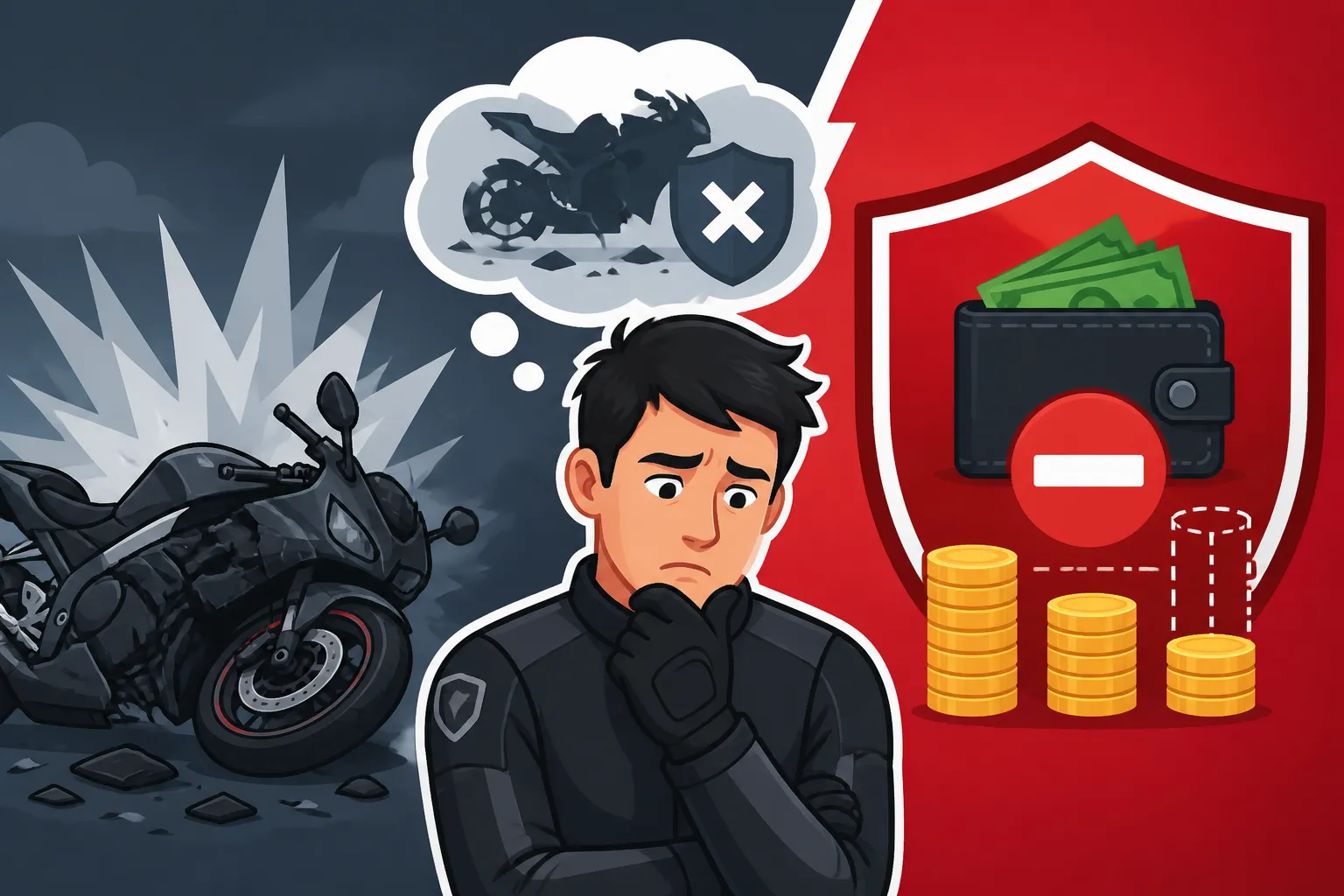
Picture this: you’ve just had a devastating accident, your beloved motorcycle is a crumpled mess, and to add insult to injury, you still owe money on it. The initial shock of the crash eventually gives way to a sickening dread when you realize your insurance payout might not even cover what you owe, leaving you with no bike and a mountain of debt. It’s a terrifying scenario many riders don’t consider until they’re living it. This guide will walk you through the harsh realities of totaling a financed motorcycle without gap insurance and what steps you can take.
The Harsh Reality of Depreciation and the Loan Balance
It’s a tale as old as time: you ride a new bike off the lot, and the moment your tires hit the asphalt outside the dealership, it depreciates. Motorcycles, much like cars, lose value quickly, especially in the first few years. This rapid depreciation is the silent enemy for anyone financing their ride, particularly if they don't have gap insurance.
Understanding Actual Cash Value (ACV)
When your motorcycle is totaled, your insurance company doesn't pay you what you originally paid for the bike. They pay out based on its Actual Cash Value (ACV). So, what exactly is ACV? It’s basically what your bike was worth in the open market just before the accident. Think of it as the used market price.
To determine ACV, insurers consider a bunch of factors: the make and model of your motorcycle, its age, its overall condition, mileage, any pre-existing damage, and even local market demand for that specific bike. They might look at recent sales of similar motorcycles in your area. For instance, if you bought a brand-new Harley-Davidson Street Glide for $23,000, and six months later it's totaled with 3,000 miles on it, the insurance company isn't going to cut you a check for $23,000. They'll assess what a similar six-month-old Street Glide with 3,000 miles would fetch on a dealership lot or from a private seller, which could easily be several thousand dollars less than your purchase price. This is a critical distinction that often catches riders off guard, as detailed in our guide on Agreed Value vs Stated Value vs Actual Cash Value.
The Loan Balance Versus Market Value Dilemma
Here's where the real pain sets in: your loan balance rarely mirrors the Actual Cash Value of your motorcycle. More often than not, especially in the early years of a loan, you owe more money on the bike than it’s worth. This is what's commonly known as being "upside-down" or "underwater" on your loan.
Why does this happen? Well, many financing agreements include things like sales tax, registration fees, extended warranties, and even dealership add-ons that are rolled into the total loan amount. These costs don't add to the motorcycle's market value, and they don't depreciate at the same rate. So, you might borrow $25,000 for a bike that immediately starts depreciating from its sticker price of $23,000, while your loan includes that extra $2,000 in fees. If you also financed it for a longer term, say 60 or 72 months, the principal balance might not decrease fast enough to keep pace with the depreciation. This becomes an even bigger issue if you made a small down payment, or worse, no down payment at all. Imagine a scenario where you put $0 down on a new Kawasaki Ninja 400. Even a year later, the amount you still owe could easily be several thousand dollars more than what the insurance company is willing to pay out for its actual cash value. This discrepancy is a primary reason to consider what coverage you actually need, a topic explored further in Do You Need Gap Insurance on a Motorcycle?.
The Financial Pitfalls You'll Face
When your financed motorcycle is totaled and you lack gap insurance, you’re not just dealing with the loss of your ride; you're also staring down a significant financial hole. It's a double whammy that can leave you feeling utterly defeated.
The Out-of-Pocket Difference The "Gap"
The "gap" in gap insurance refers to the financial difference between your motorcycle's Actual Cash Value (ACV) and the remaining balance on your loan. Without gap coverage, this difference becomes your personal responsibility, coming directly out of your pocket. This isn’t a small sum, either; it can easily be thousands of dollars, depending on how new your bike was, how much you financed, and its depreciation rate.
Let's illustrate with an example:
| Item | Without Gap Insurance | With Gap Insurance |
|---|---|---|
| Original Motorcycle Purchase Price | $15,000 | $15,000 |
| Loan Balance at Time of Accident | $13,500 | $13,500 |
| Insurance ACV Payout | $10,000 | $10,000 |
| Insurance Deductible (Collision) | -$500 | -$500 |
| Total Payout to You/Lender | $9,500 | $9,500 |
| Remaining Loan Balance After Payout | $4,000 | $0 (Gap covered) |
| Your Out-of-Pocket Cost | $4,000 | $0 |
In this scenario, even with a decent payout from your insurer, you're still on the hook for a whopping $4,000. That’s $4,000 you have to find, often unexpectedly, just to settle a loan on a motorcycle that no longer exists. This is why understanding What Happens When Your Motorcycle Is Totaled? is so important.
Remaining Loan Payments and Your Credit Score
It's a brutal reality: your loan agreement is still very much in effect, even if the collateral (your motorcycle) is gone. The insurance company pays your lender what they deem the bike is worth, but if that amount is less than what you owe, you’re still obligated to pay the difference. The lender isn’t going to just forgive the remaining balance; they expect you to continue making those monthly payments.
Failing to make those payments isn't an option unless you want to destroy your credit score. Missed payments will be reported to credit bureaus, severely impacting your ability to get future loans for a house, a car, or even another motorcycle. Your credit score could plummet, leading to higher interest rates and stricter approval criteria for years to come. In worst-case scenarios, the lender might even sell the outstanding debt to a collections agency, leading to relentless calls and further damage to your financial standing. It’s a vicious cycle that can feel impossible to escape, especially when you’re already reeling from the accident itself.
No Motorcycle, Still Paying
Perhaps the most frustrating aspect of this whole ordeal is the psychological toll of continuing to pay for something you no longer own or can ride. You're making payments every month for a totaled motorcycle that’s either in a junkyard or being rebuilt with a salvage title. This isn't just about the money; it’s about the emotional burden of debt without the benefit of the asset.
This situation can seriously hinder your ability to get back on two wheels. If you're struggling to pay off the "gap" from your totaled bike, trying to secure a new loan for a replacement motorcycle becomes incredibly difficult, if not impossible. Lenders will see your existing debt and potentially damaged credit score, making you a higher risk. You could be stuck in a holding pattern, unable to replace your ride and feeling the sting of monthly payments for a ghost bike. Websites like The Zebra can help you understand these complex scenarios by comparing different insurance providers and policy coverages, often highlighting the importance of gap insurance for financed vehicles.
What Are Your Options When Faced with the Gap?
Finding yourself upside down on a totaled motorcycle loan without gap insurance is a terrible spot to be in. But don't despair completely; while there's no magic wand, there are steps you can take to try and mitigate the damage and work towards a solution.
Negotiating with Your Insurer and Lender
This is often your first line of defense, and it requires a calm, prepared approach. You might feel overwhelmed, but being proactive can make a difference.
First, focus on your insurance company. The Actual Cash Value (ACV) offered by your insurer isn't always set in stone. Do your homework. Gather evidence of your motorcycle’s true market value just before the accident. This means looking at classifieds, online marketplaces, and dealership listings for bikes of the same make, model, year, mileage, and condition in your geographic area. If you had any recent upgrades or custom parts that weren't included in your accessories coverage, gather receipts and documentation for those too, as this might help in negotiating a slightly higher payout. Sometimes, even highlighting a meticulously maintained service record can sway an adjuster. Be polite but firm in presenting your case, showing comparable sales that are higher than their initial offer. If you've been working with a reliable broker, they might also offer advice. Services like The Zebra can also provide comparative data that might bolster your case.
Second, if the insurance payout still leaves a significant gap, it's time to talk to your lender. Explain your situation clearly and honestly. Many lenders understand that accidents happen and are willing to work with you, within reason. You can ask if they offer any hardship programs, payment deferrals, or if they would consider reducing the principal balance. Some might be open to a structured payment plan for the remaining debt that's more manageable for you. They’d rather get some money back over time than nothing at all. Remember, the goal is to avoid defaulting, which is bad for both you and the lender. Building a good relationship and communicating openly from the start can be incredibly beneficial here.
Personal Funds and Payment Plans
Sometimes, the unfortunate truth is that you’ll have to tap into your own resources to cover the gap. It's not ideal, but it’s often the fastest way to resolve the debt and protect your credit score.
If you have savings, this is precisely the kind of emergency they're for. Using a portion of your emergency fund, if you have one, to pay off the remaining balance can be painful but can prevent a longer-term financial headache. However, not everyone has a readily available cash cushion for such an unexpected expense.
Other options, though less desirable, might include using a credit card or seeking a personal loan. Be extremely cautious with these. Credit cards often come with very high interest rates, which can quickly turn a few thousand dollars of debt into a much larger, crippling amount. A personal loan might offer a lower interest rate than a credit card, but you'll still be taking on new debt to cover old debt. Before pursuing either of these, calculate the total cost, including interest, and ensure the monthly payments are truly affordable within your budget. The last thing you want is to spiral into more financial trouble.
Legal Implications and Avoiding Further Debt
Ignoring the problem is arguably the worst thing you can do. If you stop making payments on the remaining loan balance, the lender will eventually declare it in default. This will lead to severe negative marks on your credit report, making it incredibly difficult to obtain any kind of financing in the future. The lender can also pursue legal action to collect the debt, which might include wage garnishment or placing a lien on other assets you own.
In extreme cases, if the debt is overwhelming and you have no other recourse, bankruptcy might be an option. However, this is a very serious decision with long-lasting consequences for your financial future and should only be considered as a last resort after consulting with a qualified financial advisor or bankruptcy attorney. The key is proactive communication and exploring all avenues before things escalate. Facing this situation head-on, no matter how daunting, is always better than letting it fester and cause more problems.
Why Gap Insurance Is a Lifesaver And How to Get It
If you're reading this before an accident, consider yourself lucky. Understanding the peril of being upside-down on a totaled bike without gap insurance highlights just how crucial this specific coverage can be for many riders.
What Gap Insurance Actually Does
Simply put, gap insurance closes the "gap" between what your motorcycle is worth (its Actual Cash Value, or ACV, which your standard collision or comprehensive coverage pays) and the outstanding balance of your loan or lease. When your bike is totaled, your primary insurance policy will pay out its ACV, minus your deductible. If that amount is less than what you still owe to your lender, gap insurance steps in to cover that difference.
Imagine this: You financed a new Triumph Bonneville for $12,000. Six months later, it’s totaled in an accident. Your comprehensive coverage determines its ACV is $9,000, and after your $500 deductible, you get a payout of $8,500. But you still owe $11,000 on the loan. That's a $2,500 gap. Without gap insurance, you’d be on the hook for that $2,500. With gap insurance, it covers that remaining $2,500, essentially settling your loan completely. You walk away with no debt on a bike you no longer own, which is a massive relief during an already stressful time. For more information, check out our detailed guide on Do You Need Gap Insurance on a Motorcycle?.
When to Consider Gap Coverage
Gap coverage isn't necessary for every rider, but it's a smart consideration for several situations:
- New Motorcycles: If you just bought a brand-new bike, it will depreciate the fastest in the first few years.
- Small or No Down Payment: The less money you put down, the higher your initial loan balance, and the more likely you'll be upside down.
- Longer Loan Terms: Financing your motorcycle for 60 months or more means it takes longer to build equity and get ahead of depreciation.
- High Interest Rates: A high interest rate means more of your early payments go towards interest, not the principal, keeping your loan balance high.
- Specific Bike Models: Some motorcycles, particularly certain sport bikes or limited editions, might depreciate differently.
- Rolling Over Old Debt: If you rolled the negative equity from a previous vehicle into your new motorcycle loan, you're starting significantly upside down.
You can often purchase gap insurance directly from your motorcycle insurance provider like Progressive or Dairyland, or sometimes through the dealership when you buy the bike. However, always compare quotes from different sources. Dealerships sometimes mark up the price, so checking with your insurance company or an independent comparison site like The Zebra can often get you a better deal. It's usually a relatively inexpensive add-on that provides immense peace of mind.
Other Protective Coverages to Consider
While gap insurance is critical for financed bikes, it’s not the only coverage that can protect your investment and your wallet. Here are a few others worth looking into:
- New Bike Replacement Coverage: This is a fantastic option, especially for new motorcycles. Instead of just paying out ACV, if your new bike is totaled within a certain timeframe (e.g., the first year or 12,000 miles), this coverage will pay for a brand-new replacement of the same make and model. This means you don't lose value to depreciation. It's different from gap insurance because it helps you replace the bike, not just pay off the loan.
- Custom Parts and Accessories Coverage: Many riders spend a lot of money customizing their bikes, adding aftermarket exhaust systems, custom paint, saddlebags, or upgraded suspension. Standard policies might only offer minimal coverage for these modifications, if any. Dedicated Accessories & Custom Parts Coverage Explained ensures that your unique additions are properly valued and covered in case of damage or theft.
- Roadside Assistance and Towing: While not directly related to a totaled bike, this coverage can be a lifesaver in less severe situations. If your bike breaks down or you get a flat tire, it ensures you’re not stranded and that your motorcycle can be safely transported to a repair shop. This is a practical add-on that enhances overall peace of mind on the road.
- Uninsured/Underinsured Motorist (UM/UIM) Coverage: This is incredibly important. Even if you have full coverage on your bike, what if an uninsured driver hits you and totals your motorcycle? Your collision coverage would pay for your bike, but UM/UIM helps cover your medical expenses and potentially the "gap" in your loan if the at-fault driver has no insurance or not enough. This is especially vital given the number of drivers on the road without adequate coverage. Our article on Uninsured & Underinsured Motorist Coverage (UM/UIM) goes into more detail.
When you're shopping for motorcycle insurance, whether it's for a new bike or simply reviewing your current policy, take the time to understand these options. A quick quote comparison on a site like The Zebra can help you see how different policies stack up and ensure you're getting the comprehensive protection you need, especially for a financed motorcycle.
Disclaimer
Please remember that this article is intended for informational purposes only and does not constitute financial or legal advice. Insurance policies and state regulations vary, so it's always best to consult with a qualified insurance professional or financial advisor to discuss your specific needs and circumstances. The information provided here is general in nature and may not apply to your individual situation.