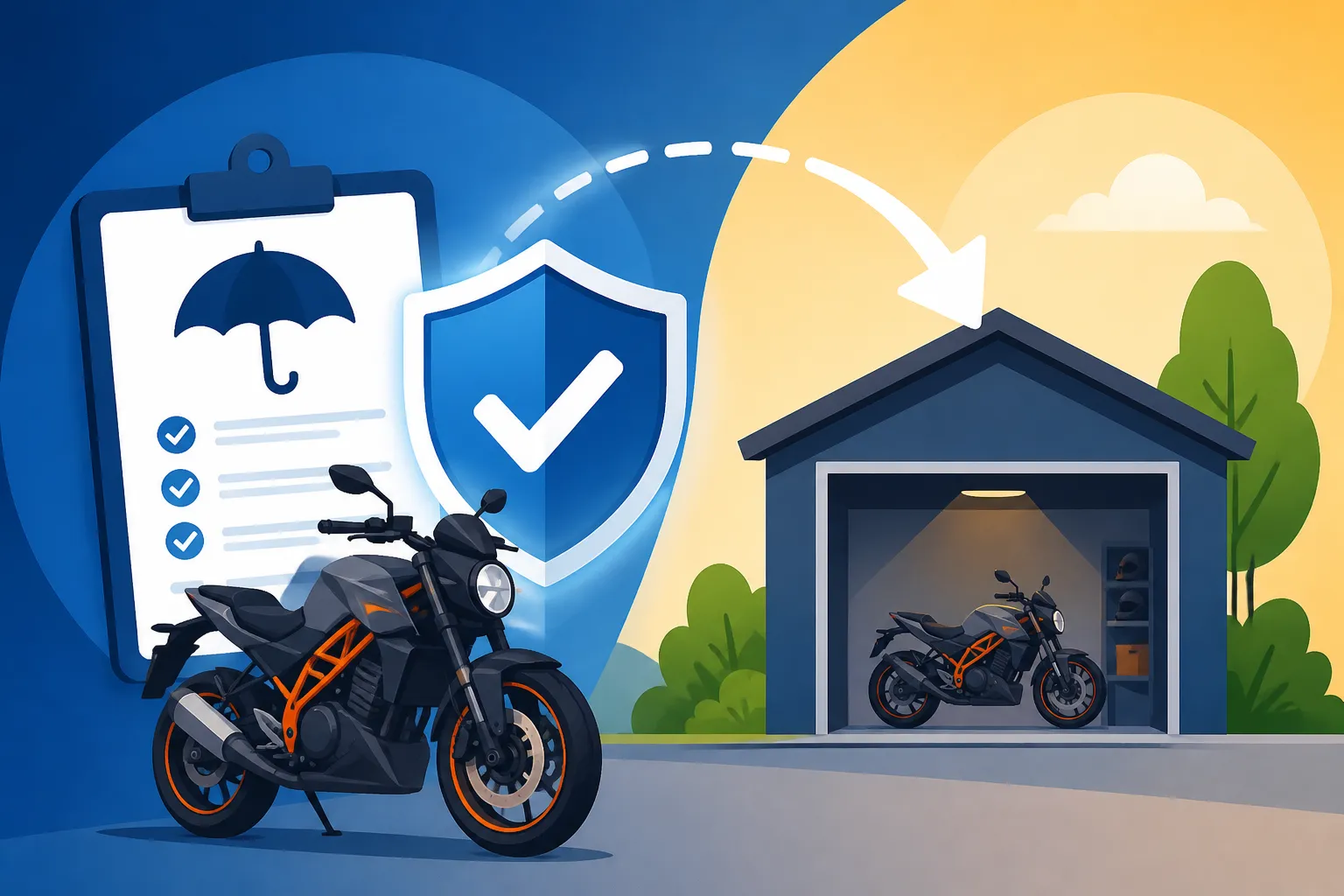
Does Insurance Cover a Motorcycle Stored at Another Address?
It’s a common scenario: life throws a curveball, or maybe you’re just looking for a safer spot for your beloved motorcycle, and suddenly your bike isn't tucked away in your usual garage. The thought inevitably crosses your mind: "Does my motorcycle insurance still cover it if it's stored at a friend's house, a storage unit, or some other temporary spot?" It’s a valid concern, and navigating the nuances of insurance coverage for a bike not at its primary residence can feel like trying to solve a puzzle while riding a twisty mountain road – confusing and a little nerve-wracking. This guide will help demystify how your motorcycle insurance handles storage at an alternate address and what steps you need to take to ensure your prized possession remains protected.
Understanding Your Motorcycle Insurance Beyond Your Primary Address
When your motorcycle isn't at its usual stomping grounds, the standard assumptions about your insurance policy can go right out the window. It's not just about where you ride, but where your bike rests its tires, especially when it's away from the address listed on your policy. Insurers assess risk based on many factors, and the storage location is a big one.
The Standard Coverages and Storage Implications
Let's break down the basic types of coverage and how they typically apply when your motorcycle is stored away from home.
Liability Coverage
Your liability coverage is designed to protect you financially if you're at fault in an accident, covering damages and injuries to other people or their property. When your motorcycle is in storage, presumably not being ridden, liability coverage usually isn't the primary concern, but it's still essential to understand. If someone else were to somehow take your bike from storage and cause an accident, or if a passive leak from your stored bike damaged someone else's property, the specifics of how liability might respond would depend heavily on the circumstances and your policy wording. Generally, if the bike isn't being operated, liability becomes less critical for that specific period, but it doesn't mean it's entirely irrelevant, especially if the bike is accessible. Remember, liability insurance exists to cover incidents you cause while operating your motorcycle. For a bike just sitting there, its direct relevance for liability is minimal unless there's an unforeseen incident linked to its presence.
Comprehensive Coverage
This is truly the unsung hero of motorcycle storage, especially when your bike is parked somewhere other than your main residence. Comprehensive coverage protects against non-collision damages, such as theft, vandalism, fire, falling objects, natural disasters (like floods or hail), and even animal strikes. If you're storing your motorcycle at a friend's house in a different part of town, or in a dedicated storage unit, this is the coverage that will typically step up if the worst happens. Imagine a scenario where a pipe bursts in the storage unit building, damaging your bike, or if the unit is broken into and your motorcycle is stolen. Without comprehensive coverage, you’d be left footing the bill for repairs or replacement. This type of coverage is often optional unless your bike is financed, but for anyone storing their motorcycle off-site, it's practically a necessity. Many riders consider Comprehensive vs Collision Motorcycle Coverage separately, but for storage, Comprehensive is the clear winner for protection.
Collision Coverage
Collision coverage pays for damages to your motorcycle resulting from a collision with another vehicle or object, or if it tips over. While less likely to be triggered when your bike is in static storage, it's not impossible. If, for instance, a forklift in a commercial storage facility accidentally backs into your unit and hits your motorcycle, or if the bike somehow falls over due to an unstable stand within the unit, collision coverage could potentially apply. However, its primary purpose is for incidents that occur while the motorcycle is in motion or being actively operated. If your bike is truly just sitting there, untouched, collision claims are rare. It's more about protecting your bike while you're actually out on the road.
The Importance of Your Declared Garaging Location
Your insurance policy is fundamentally based on the "garaging address" you provide. This is the primary location where your motorcycle is stored when not in use. Insurers calculate your premiums based on the risk profile of this specific location – things like local theft rates, population density, and even weather patterns.
If your motorcycle is regularly stored at an address different from the one listed on your policy, you could inadvertently create a gap in your coverage or even risk a claim being denied. Think of it this way: if your policy is rated for a secure, low-theft suburban garage, but you’re storing your high-value sport bike in a less secure, high-theft urban storage facility, the insurer's risk assessment is significantly off. It’s always best to be transparent. Some policies may implicitly cover temporary storage at an alternate location for a short period, but "temporary" is often ill-defined and varies by insurer. For anything more than a brief overnight stay, communication with your insurance provider is paramount.
Factors Influencing Coverage at Different Locations
The question of whether your insurance covers a motorcycle stored at another address isn't a simple yes or no; it depends on a multitude of factors. Each detail can sway how your insurer views the risk and, ultimately, whether your claim will be approved.
Type of Storage Location
The kind of place you choose to stash your bike makes a huge difference. An insurer will look at the inherent risks associated with each.
Friend's or Family Member's Garage
This is often a go-to for many riders needing temporary storage, especially during winter months or a long trip. If your bike is stored in a private, locked garage at a friend's or family member's residence, your comprehensive coverage might extend to that location without issue, assuming it's a temporary arrangement (say, a few weeks or months). However, if this becomes a semi-permanent arrangement or a new primary storage location, you absolutely need to inform your insurer. Their homeowner's policy generally won't cover your motorcycle, even if it's in their garage, because it's not their vehicle. Your own policy needs to be the one covering it. Neglecting to update your garaging address if it becomes a long-term situation could lead to issues if you ever need to How to File a Motorcycle Insurance Claim.
Dedicated Storage Unit
Commercial storage units are built for this purpose, offering various levels of security from basic padlock access to sophisticated alarm systems and surveillance. While these facilities are designed for storage, your motorcycle insurer still needs to know about it. Some policies may have specific clauses or limitations regarding vehicles stored in commercial units. You might also find that the storage facility itself offers some form of basic insurance, but it's typically minimal and may not cover the full value of your motorcycle or all perils. You don't want to rely on their coverage. Always check your personal motorcycle policy first. When evaluating options, comparison tools like The Zebra can help you see which insurers offer the best flexibility for specific storage situations.
Public Parking Garages or Unsecured Lots
This is generally the riskiest option and one that insurers view with the most skepticism. Storing your motorcycle long-term in a public parking garage or an unsecured lot significantly increases the risk of theft, vandalism, and accidental damage. While comprehensive coverage is designed for these perils, an insurer might argue that storing it in such a high-risk location without notifying them constitutes a material change in risk, potentially impacting a claim. It's far less likely your insurer would cover a bike regularly kept in such a vulnerable spot unless specifically declared and underwritten at a much higher premium. Most experts would strongly advise against storing a motorcycle in an unsecured public area for any extended period.
Duration of Storage
The length of time your motorcycle is stored at an alternate address is another critical factor.
Short-Term Storage (Days to Weeks)
For brief periods, like a weekend trip where you leave your bike at a friend's house, or a short vacation where it's kept at a family cabin, your existing policy's comprehensive coverage is likely to extend, especially if the new location is secure. However, it’s always a good practice to quickly check with your provider if you have any doubts. Most policies offer some grace for temporary situations, but "temporary" is subjective.
Long-Term Storage (Months or Seasonal)
If you plan to store your motorcycle at a different address for an extended period, such as over the winter or while you're deployed, it's not just a good idea to inform your insurer – it's often a requirement. Many riders consider Seasonal Lay-Up & Winter Storage Insurance for this exact reason. Your insurer might want to re-evaluate the risk based on the new location and potentially adjust your premium. Some companies offer specific "storage" or "lay-up" coverage that reduces your premium during months when you're not riding, often removing collision and liability but keeping comprehensive for protection against static risks like fire or theft. You definitely want to ensure your coverage aligns with your usage.
Policy Language and State Regulations
Every insurance policy is a legal contract, and the devil is often in the details. Carefully review the "Declarations Page" of your policy, which lists your garaging address, and read the policy's terms and conditions regarding storage locations, notification requirements, and how claims are handled away from the primary address. Some policies might have a clause stating that coverage is only valid at the address listed unless otherwise specified.
State laws can also play a role, although most directly impact liability requirements rather than storage. For instance, some states have specific regulations about proof of insurance, and if your bike is stored out of state, this could become relevant. If you're pondering Moving to Another State: Motorcycle Insurance, it's a completely different conversation that absolutely requires an insurance update.
To illustrate how various scenarios impact your coverage, consider this table:
| Storage Scenario | Key Coverage Needed | Action Required for Rider | Potential Risk if Undisclosed |
|---|---|---|---|
| Primary Home Garage | Comprehensive, Collision, Liability | None (if primary address) | Minimal |
| Friend/Family Garage (Short-Term) | Comprehensive | Inform insurer, confirm temporary nature, secure garage. | Claim denial if seen as long-term, material misrepresentation. |
| Friend/Family Garage (Long-Term) | Comprehensive | Mandatory: Update garaging address or get special endorsement. | Severe risk of claim denial, policy cancellation. |
| Dedicated Storage Unit (Secured) | Comprehensive, (Optional Collision) | Inform insurer of exact address, confirm security features. | Claim denial if undisclosed, insurer rates based on lower risk. |
| Unsecured Public Lot/Street | Comprehensive, Collision, Liability | High Risk: Inform insurer, expect higher premiums/potential denial. | Very high risk of claim denial due to heightened, undisclosed risk. |
| Seasonal Storage (e.g., Winter) | Comprehensive (Lay-Up Option) | Discuss "lay-up" or "storage-only" options with insurer. | Paying full premium for non-use, or no coverage for theft/fire if basic liability only. |
Steps to Ensure Your Motorcycle is Properly Covered
It might seem like a lot to consider, but ensuring your motorcycle is covered, no matter where it's stored, is crucial for your peace of mind and financial protection. It all boils down to proactive communication and understanding your options.
Contact Your Insurance Provider Directly
This is the golden rule, no matter the situation. Don't assume anything. As soon as you know your motorcycle will be stored at an address other than the one listed on your policy, pick up the phone and talk to your insurance agent or a representative.
Be Specific About the New Location
When you call, provide precise details. Is it a locked private garage, a shared commercial storage facility, or an open carport? What is the exact address? How long do you anticipate the bike being there? The more information you give, the better your insurer can assess the risk and advise you on the necessary steps. For example, storing a Do You Need Insurance to Store a Motorcycle? in a climate-controlled unit in Phoenix is very different from parking it in a public alley in downtown Chicago.
Clarify Coverage Types and Limits
Ask specific questions about which types of coverage will apply at the new storage location. Will your comprehensive coverage still cover theft and vandalism? Are there any limitations on the payout if the bike is stolen from a storage unit? What about damages from natural disasters at that specific address? It’s also a good time to review your Types of Motorcycle Insurance Coverage Explained to ensure you have adequate protection for your bike's value, including any custom parts or accessories you may have.
Update Your Policy Information If Necessary
Based on your conversation with the insurer, you might need to make some formal changes to your policy.
Changing Your Garaging Address
If the alternate storage location becomes your motorcycle's primary home for an extended period (more than a few weeks or a month, depending on your insurer), you'll likely need to update your garaging address on your policy. This might affect your premium, either increasing or decreasing it, depending on the risk profile of the new location. While this sounds like a hassle, it's far better than having a claim denied down the road because of a misrepresentation of risk.
Adding Specific Endorsements
Sometimes, standard policies might not perfectly fit every unique storage situation. Your insurer might offer specific endorsements or riders designed for particular scenarios. For example, if you're storing a high-value classic motorcycle, they might recommend an Agreed Value vs Stated Value vs Actual Cash Value policy or a specific storage endorsement to guarantee a payout that reflects its true worth, regardless of where it's stored. Don't be afraid to ask about all available options to fortify your coverage.
Consider a Policy Review
This situation is an excellent prompt for a broader review of your entire motorcycle insurance policy. Have you added new custom parts? Is your bike older now, perhaps warranting a different coverage level?
Shop Around Periodically
Even if your current insurer can accommodate your storage needs, it’s always smart to compare quotes from different providers every year or two, or whenever you have a significant life change like moving or storing your bike elsewhere. Online platforms like The Zebra can be incredibly useful for this. They allow you to input your specific details, including garaging locations, and get multiple quotes quickly, helping you ensure you're getting the best value and coverage for your unique needs. Comparing How to Compare Motorcycle Insurance Quotes isn't just about price; it's about finding the right balance of coverage and cost.
Document Everything
Keep a detailed record of your motorcycle, especially if it's stored away from home. Take photos of its condition before storage, keep receipts for any custom parts or recent maintenance, and maintain a log of where it's stored, along with any communication you've had with your insurance provider. In the event you need to Motorcycle Theft Claim: How It Works, having robust documentation can significantly streamline the process.
The bottom line is this: never assume. The small amount of time it takes to call your insurance provider and confirm coverage for an alternate storage address is a tiny investment compared to the potential financial disaster of an uncovered loss. Your peace of mind and your motorcycle's protection are absolutely worth it.
Disclaimer
Please remember that this article provides general information and guidance regarding motorcycle insurance. Insurance policies and state regulations can vary significantly. It is crucial to consult directly with your insurance provider or a qualified insurance agent to discuss your specific policy details, coverage needs, and any questions related to storing your motorcycle at an alternate address. This information should not be considered legal or professional insurance advice.