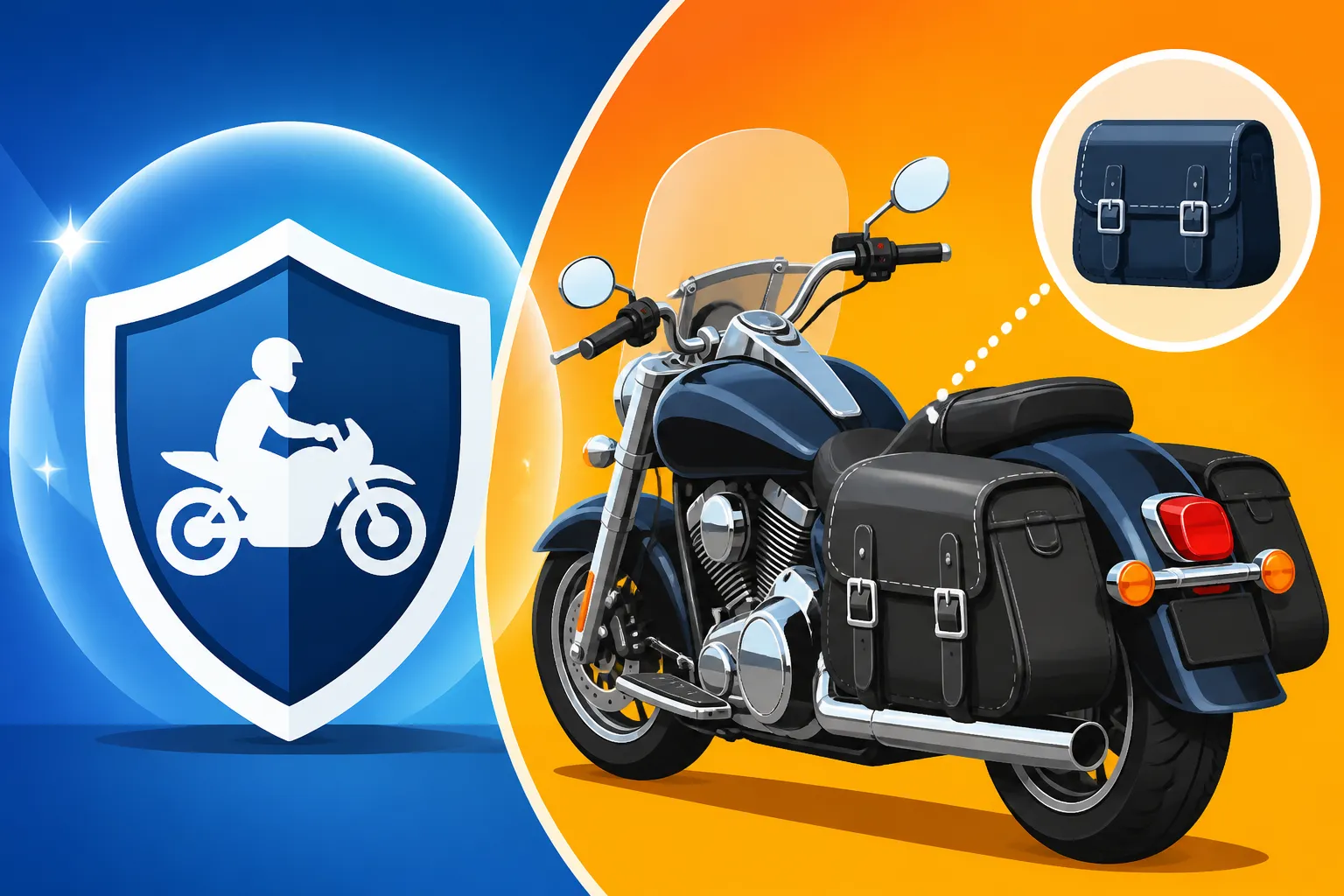
Does Motorcycle Insurance Cover Your Saddlebags?
It's a familiar gut punch for any rider: you've lovingly outfitted your bike with those perfect saddlebags, whether they came stock or you painstakingly chose and installed them yourself. They're not just storage; they're part of your motorcycle's identity, a practical necessity, and often a significant investment. So, when disaster strikes—a parking lot tip-over, a fender bender, or worse, theft—a crucial question immediately pops into your mind: "Does my motorcycle insurance even cover these?" It's a valid concern, and navigating the nuances of accessory coverage can feel like riding through a maze. This guide is here to shed some light on whether your saddlebags are protected and how to ensure they are.
Understanding How Motorcycle Insurance Views Saddlebags
Many riders assume that if something is attached to their motorcycle, it's automatically covered by their standard policy. Unfortunately, that's not always the case, especially when it comes to accessories like saddlebags. Insurance companies categorize parts and accessories differently, and understanding these distinctions is key to knowing what's protected.
Factory vs. Aftermarket Saddlebags: The Key Distinction
The first, and often most critical, distinction an insurance company will make is whether your saddlebags are factory-installed or aftermarket additions.
- Factory-Installed Saddlebags: These are the saddlebags that came directly from the manufacturer as original equipment on your motorcycle. Think of a Harley-Davidson Street Glide with its hard-shell bags, or a touring bike from Honda or BMW that includes integrated luggage systems right off the assembly line. Because these are considered original components of the motorcycle, their value is typically factored into the bike's overall Actual Cash Value (ACV) and, by extension, your standard comprehensive and collision coverage. If your policy provides coverage for the motorcycle itself, these factory bags generally fall under that umbrella. This means if your bike is damaged in a covered incident, the factory saddlebags are usually part of the repair or replacement calculation.
- Aftermarket Saddlebags: This is where things can get a bit trickier. Aftermarket saddlebags are those you've purchased and installed yourself after buying the bike. They could be anything from high-end leather bags from a custom shop to hard-shell cases you ordered online. The crucial point here is that these items were not part of the original motorcycle as the manufacturer intended it. Standard motorcycle insurance policies often have very limited, if any, automatic coverage for aftermarket parts and accessories. Many policies might include a small, baseline amount of coverage (perhaps $1,000 to $3,000) for accessories, but if your custom saddlebags cost more than that—and let's be honest, many do—you could be significantly underinsured without specific additional coverage. It’s essential to remember that while they’re on your bike, an insurer might view them more like separate personal property unless explicitly declared.
When Standard Coverage Might Kick In
While dedicated accessory coverage is often the best bet, there are situations where your standard comprehensive and collision coverages might offer some protection for your saddlebags, especially if they are factory-installed.
If you have a robust full coverage policy, including both comprehensive and collision, and your factory saddlebags are damaged in an incident like a collision, a fire, or theft, they would generally be covered as part of the overall motorcycle damage. For example, if you're involved in an accident and your motorcycle tips over, crushing a factory-installed saddlebag, the collision coverage would typically apply to the repair or replacement of that bag, up to your policy limits and after your deductible. Similarly, if your entire bike is stolen, including its factory saddlebags, comprehensive coverage would usually kick in to cover the loss. The challenge arises when only the saddlebags themselves are stolen or damaged, especially if they are aftermarket, and the rest of the bike is untouched. This is where the specific language of your policy and any additional endorsements become critical. Understanding these distinctions is crucial, and it's always a good idea to know what your Types of Motorcycle Insurance Coverage Explained entail.
Diving Deep into Relevant Coverage Types
To fully understand if your saddlebags are covered, we need to look at the specific types of coverage available. Standard policies typically offer liability, comprehensive, and collision, but it's the specialized add-ons that truly protect your precious extras.
Comprehensive Coverage and Your Saddlebags
Comprehensive coverage is designed to protect your motorcycle from damages that aren't caused by a collision with another vehicle or object. This includes events like theft, vandalism, fire, natural disasters (hail, floods, wind), and even hitting an animal.
When it comes to saddlebags, comprehensive coverage is a lifesaver if they are stolen from your parked bike, vandalized while you're grabbing a coffee, or damaged by a falling tree limb. For instance, imagine you've parked your bike overnight and wake up to find your saddlebags slashed by vandals. If you have comprehensive coverage, this type of damage would typically be covered, assuming the saddlebags are part of your insured motorcycle's value or specifically added as an accessory. The key here is that it's "non-collision" damage. However, as we discussed, if those saddlebags are aftermarket and not properly declared, their coverage might be minimal. It’s a good idea to review your specific policy details, especially your Comprehensive vs Collision Motorcycle Coverage to see what falls under each.
Collision Coverage and Accidental Damage
Collision coverage, on the other hand, steps in when your motorcycle is damaged as a result of an impact with another vehicle or object, or if it overturns. This is the coverage that handles the "oops" moments that can happen to any rider.
Let's say you misjudge a turn and lay your bike down, or perhaps you're in a low-speed parking lot incident that knocks your motorcycle over. If your saddlebags are crushed or scraped in that process, collision coverage would typically cover the cost of their repair or replacement, assuming they're considered part of your motorcycle's insured value. This applies whether the saddlebags are factory stock or aftermarket, provided you have adequate Accessories and Custom Parts Coverage (which we'll discuss next) to cover the value of the aftermarket bags. Without that specific add-on, standard collision might only cover a very limited amount for aftermarket items, leaving you to pay the difference out of pocket. Many riders mistakenly believe that any damage from dropping their bike is covered without special add-ons, but that's not always true for accessories.
Specialized Accessories and Custom Parts Coverage
This is truly the "hero" coverage when it comes to protecting your saddlebags, especially if they are aftermarket, custom, or simply expensive. Many standard policies offer a small, almost token, amount of coverage for accessories—sometimes as low as $1,000 or $2,000. For riders with premium leather saddlebags, custom painted hard bags, or specialized luggage systems that cost thousands of dollars, this baseline coverage is woefully inadequate.
- How it Works: This add-on coverage, often called "Accessories and Custom Parts Coverage" or "Custom Equipment Coverage," allows you to increase the limit of coverage specifically for non-factory additions to your bike. You declare the value of these additions to your insurance provider, and they'll adjust your premium accordingly. For example, if your saddlebags cost $2,500, and your policy only includes $1,000 of standard accessory coverage, you'd want to add at least $1,500 more to your accessories coverage limit. This ensures that in a covered event, the full value of your saddlebags (up to the new limit) is protected, minus your deductible. This coverage extends to other common modifications too, like custom exhaust systems, upgraded seats, paint jobs, or chrome additions. If you’re unsure about this specific add-on, you might want to learn more about What Is Accessories Coverage on a Motorcycle? to clarify its benefits. When shopping for this kind of specific protection, platforms like The Zebra can be incredibly useful for comparing options across different providers to make sure you're getting the right amount of coverage for your specific needs.
Practical Scenarios and Coverage Realities
Let's dig into some real-world situations that often leave riders scratching their heads about their saddlebag coverage. Knowing these scenarios can help you proactively ensure your gear is protected.
Theft and Vandalism of Saddlebags
The thought of your motorcycle being stolen is bad enough, but what if only your saddlebags are targeted? This is a common concern, especially with easily detachable soft bags or valuable contents.
If your entire motorcycle is stolen, and your saddlebags (whether factory or aftermarket with proper coverage) are on it, your comprehensive coverage would likely apply to the total loss of the bike, including the bags. The situation gets a bit murky when only the saddlebags are stolen, or if they are vandalized while the bike remains intact. For factory saddlebags, comprehensive coverage usually extends to them as part of the motorcycle. However, for aftermarket saddlebags, if they are stolen while your bike is parked, your standard comprehensive coverage might only pay out up to that low baseline accessory limit we discussed, typically $1,000 or $2,000. If you have a specific endorsement for Custom Parts Coverage on a Motorcycle, then you'd be covered up to your declared limit. Without that, you might be out of luck for the full value. This highlights why declaring and insuring your valuable aftermarket accessories separately is so crucial. A rider in downtown Seattle, for example, might find their quick-release leather bags an easy target for opportunistic thieves; without specific coverage, that loss could be entirely out of pocket.
Damage from a Tip-Over or Accident
It happens to the best of us: a momentary lapse of judgment, a slick patch of gravel, or a strong gust of wind, and your bike tips over. Or perhaps you’re involved in a minor collision. How do your saddlebags fare?
If your motorcycle is damaged in a collision or an incident where it falls over, your collision coverage would typically cover the damage to factory-installed saddlebags as part of the overall repair to the bike. Again, for aftermarket saddlebags, the situation depends heavily on whether you've purchased additional custom parts and accessories coverage. Imagine you're riding through the scenic routes of the Blue Ridge Mountains and encounter unexpected debris, causing you to swerve and lay the bike down. Your custom hard-shell saddlebags are scraped and cracked. Without sufficient accessory coverage, even with collision, the repair or replacement cost for those bags might exceed what your standard policy covers for aftermarket additions. This means you might pay a significant portion of the repair out of pocket, even after meeting your deductible. This is why many seasoned riders emphasize getting robust coverage for What Does Full Coverage Motorcycle Insurance Mean? beyond just the basics, especially if they've invested heavily in their bike's aesthetics and utility.
The Importance of Documenting Your Add-ons
Insurance claims are all about proof. When you're trying to get your damaged or stolen saddlebags covered, having solid documentation is your best friend.
- Photos, Receipts, and Appraisals: Keep detailed records of all your aftermarket additions. This means taking clear photos of your saddlebags (and other accessories) on your bike, saving all purchase receipts, and even getting an appraisal for particularly expensive custom pieces. These documents serve as undeniable proof of ownership and value. When you speak with your insurance agent or file a claim, this information will be invaluable in substantiating your loss. Without it, the insurance company might dispute the value of your items, leading to a lower payout. Many riders underestimate the power of a good photo album of their bike, detailing every modification.
- Regular Policy Reviews: Life changes, and so do motorcycles. As you add new accessories, upgrade parts, or even remove certain items, it's critical to review and update your policy. Don't wait until an incident occurs. A quick call to your insurance provider, perhaps through a comparison service like The Zebra, to review your current accessory limits and discuss any new additions, can save you a huge headache down the road. It ensures that your policy accurately reflects the current value of your motorcycle and all its beloved additions. You'll want to ensure that if you ever need to file How to File a Motorcycle Insurance Claim, you have all your ducks in a row.
How to Ensure Your Saddlebags Are Fully Protected
Alright, so you’ve got expensive saddlebags, and you want to make sure they're covered. What are the concrete steps you can take right now to protect your investment?
Reviewing Your Policy and Talking to Your Agent
The absolute first step is to dig out your current motorcycle insurance policy documents. Don't just skim them; look specifically for sections related to "accessories," "custom parts," "modifications," or "personal property." Pay close attention to the dollar limits stated for these coverages. Many policies include a minimal amount by default, as low as $1,000 or $2,000.
Once you have a good understanding of what your policy currently says, pick up the phone and talk to your insurance agent. This isn't just about making a change; it's about getting clarity and personalized advice. Be transparent about your saddlebags: whether they're factory-installed or aftermarket, their estimated value, and how important they are to you. Ask specific questions:
- "Are my specific saddlebags (mention brand/type) covered under my current comprehensive and collision?"
- "What is my current limit for aftermarket accessories?"
- "If I want to increase that limit to, say, $5,000, how much would that cost?"
- "Do I need to provide receipts or photos now, or just if I file a claim?"
- "What is the deductible for accessory claims?"
A good agent will walk you through the options, explain the impact on your premium, and ensure you understand the terms. They can help you determine the appropriate coverage level for your valuable additions. This conversation is far better to have proactively than in the stressful aftermath of an incident.
Getting Specific Quotes for Accessories Coverage
If your current policy's accessory coverage is insufficient, or if you're a new rider looking for your first policy, it's time to shop around for quotes that include robust accessory coverage. Don't just settle for the first quote you get. Different insurance companies approach accessory coverage differently, and their pricing can vary significantly.
- Comparison Shopping: Utilize online comparison tools, or reach out to multiple reputable insurance providers directly. When requesting quotes, be very clear about the value of your saddlebags and any other custom parts you want to insure. This transparency upfront ensures you get accurate quotes. For example, tell them you have a Honda Rebel 500 with $3,000 worth of aftermarket saddlebags and a custom exhaust. Companies like Progressive, Dairyland, and Markel are well-known in the motorcycle insurance space and often have specific options for custom parts. Websites like The Zebra can be a great starting point for comparing multiple quotes side-by-side, making it easier to see which companies offer the best value and most comprehensive accessory coverage for your specific needs.
- Understanding the Cost vs. Risk: Yes, adding extra coverage for accessories will increase your premium. However, consider the replacement cost of your saddlebags if they were stolen or totaled. For an extra $50-$100 a year, you might protect a $2,000 investment. That's usually a small price to pay for peace of mind and financial protection against a significant loss. Think of it as an essential part of your motorcycle's How Much Is Motorcycle Insurance? 2026 Cost Guide, ensuring all parts are covered.
By taking these proactive steps, you can ride confidently, knowing that your beloved saddlebags—and the memories they hold—are adequately protected, no matter what the road throws your way.
| Coverage Type | Factory Saddlebags (OEM) | Aftermarket/Custom Saddlebags (Non-OEM) | Common Scenarios Covered | Key Consideration |
|---|---|---|---|---|
| Comprehensive | Typically Included | Limited (often default $1-2k) | Theft (bike/saddlebags), Vandalism, Fire, Animal Strike | Must have specific "Accessories Coverage" add-on for full value |
| Collision | Typically Included | Limited (often default $1-2k) | Accident, Tip-over, Single-vehicle crash | Must have specific "Accessories Coverage" add-on for full value |
| Accessories & Custom Parts | N/A | Specifically Designed For | Extends Comprehensive/Collision coverage for add-ons | Declare full value of items; increases premium |
| Liability | Not Relevant | Not Relevant | Damage to others' property or injuries | Does not cover your bike or its parts |
Disclaimer
Please remember that this article provides general information about motorcycle insurance and accessory coverage. Insurance policies can vary significantly by state, provider, and individual policy terms. Always consult with a licensed insurance professional and review your specific policy documents to understand your coverage fully. The information presented here should not be considered legal or financial advice.