Does Motorcycle Insurance Cover Riding Gear?
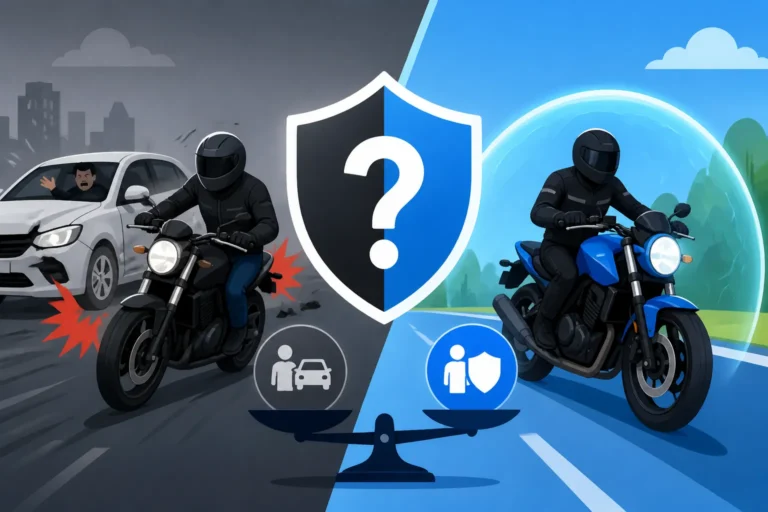
It’s a heart-wrenching thought for any rider: you’ve just been in an accident, or maybe your bike was stolen, and as you assess the damage, your mind immediately goes to your cherished riding gear. That expensive helmet, the custom leather jacket, the boots that finally broke in perfectly – are they gone forever, or will your motorcycle insurance actually help you replace them? It’s a common frustration and source of confusion, especially when you consider how much we invest in keeping ourselves safe and stylish on two wheels. This comprehensive guide is here to shed light on whether your motorcycle insurance covers your riding gear and how you can ensure your valuable investments are protected.
The Significant Investment in Your Riding Gear
Let's be honest, riding isn't just about the bike; it's about the entire experience, and a huge part of that is the gear we wear. From head to toe, we meticulously choose items that offer protection, comfort, and a reflection of our personal style. But this essential equipment comes with a hefty price tag, and many riders don't fully realize just how much they've invested until something goes wrong.
Why Quality Gear Matters for Every Rider
When you hit the open road, your gear is often your primary line of defense. A helmet isn't just a fashion statement; it's a meticulously engineered piece of safety equipment designed to absorb impact and protect your brain in a crash. Jackets, gloves, and riding pants are typically made from abrasion-resistant materials like leather or specialized textiles, equipped with CE-rated armor in critical areas to shield against scrapes and fractures. Boots are designed to protect your ankles and feet, offering crucial support and impact resistance. This isn't just about personal preference; it’s about survival and minimizing injury.
Think about a high-end Shoei or Arai helmet. You're easily looking at $500 to $1,000, sometimes more, for top-tier protection and features like advanced ventilation or integrated communication systems. A quality leather riding jacket from brands like Dainese or Alpinestars can run anywhere from $400 to over $1,000. Then add specialized gloves, protective riding pants or jeans, and sturdy boots, and you quickly realize that your personal riding ensemble can rival the cost of a decent used motorcycle. Losing all of that in a single incident is not just an inconvenience; it's a significant financial hit that can put you off getting back on your bike, or at least delay your return to riding safely.
The Emotional and Financial Impact of Losing Gear
Beyond the monetary value, there's often an emotional attachment to our gear. It's not just stuff; it's part of our identity as riders. That jacket has seen countless miles, that helmet has been with you through amazing adventures. Losing it, especially in a crash, can feel like losing a piece of your riding history. The financial burden of replacing it all at once can be overwhelming. Imagine having just paid off a new set of tires, only to have your entire gear collection disappear in a garage break-in. It leaves you feeling vulnerable and frustrated, wondering if there was anything you could have done to protect those essential items. This is precisely why understanding your insurance coverage is so vital.
The Reality of Standard Motorcycle Insurance for Gear
It’s a common misconception among riders that "full coverage" on their motorcycle automatically extends to everything they wear while riding. Unfortunately, for most standard motorcycle insurance policies, this isn't the case. Your riding gear is usually considered personal property, separate from the motorcycle itself, and therefore often falls outside the scope of basic collision or comprehensive coverage.
What Standard Policies Typically Exclude
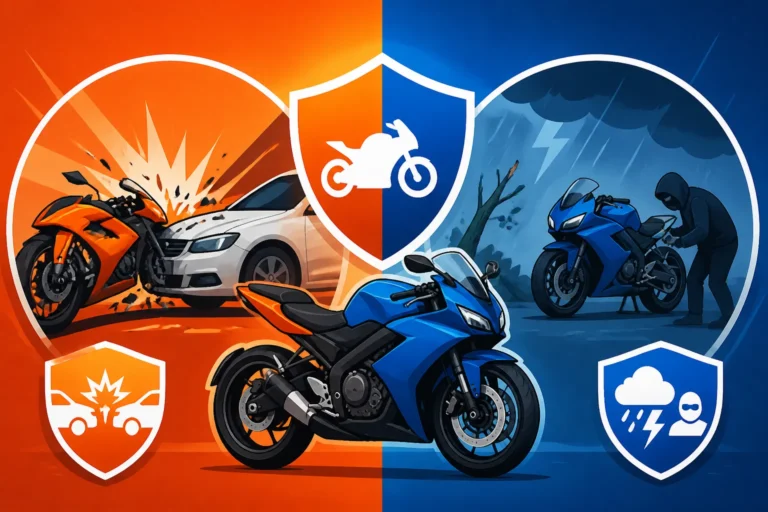
Most standard motorcycle insurance policies focus primarily on the motorcycle itself – covering damage to the bike (collision), or loss due to non-collision events like theft, fire, or vandalism (comprehensive). They also include liability coverage, which protects you financially if you cause an accident that injures others or damages their property.
However, items like your helmet, jacket, gloves, pants, and boots are typically not included under these primary coverages. If your bike is totaled in a crash, your collision coverage will help pay for the bike's repairs or replacement, but it won’t automatically cut a check for your ruined riding outfit. Similarly, if your bike is stolen and your helmet was locked to it, comprehensive coverage might kick in for the bike, but your helmet could be left out in the cold. It’s a harsh reality that many riders only discover after an incident has already occurred, leading to immense disappointment and unexpected expenses.
The Distinction Between "Bike Accessories" and "Personal Riding Gear"
This is where a lot of confusion lies. Many motorcycle insurance policies offer what they call "accessories and custom parts" coverage. This sounds promising, right? You might assume your helmet and jacket fall under "accessories." However, insurers typically define "accessories" as items that are permanently attached to the motorcycle or specifically designed for it, not items worn by the rider.
Here's a quick breakdown of the difference:
- Bike Accessories: Think custom exhaust systems, upgraded seats, chrome additions, saddlebags, aftermarket fairings, GPS mounts, sissy bars, or even a fancy new windshield. These items are integral to the bike's appearance or function and are typically covered by an "accessories and custom parts" endorsement if you've added it to your policy.
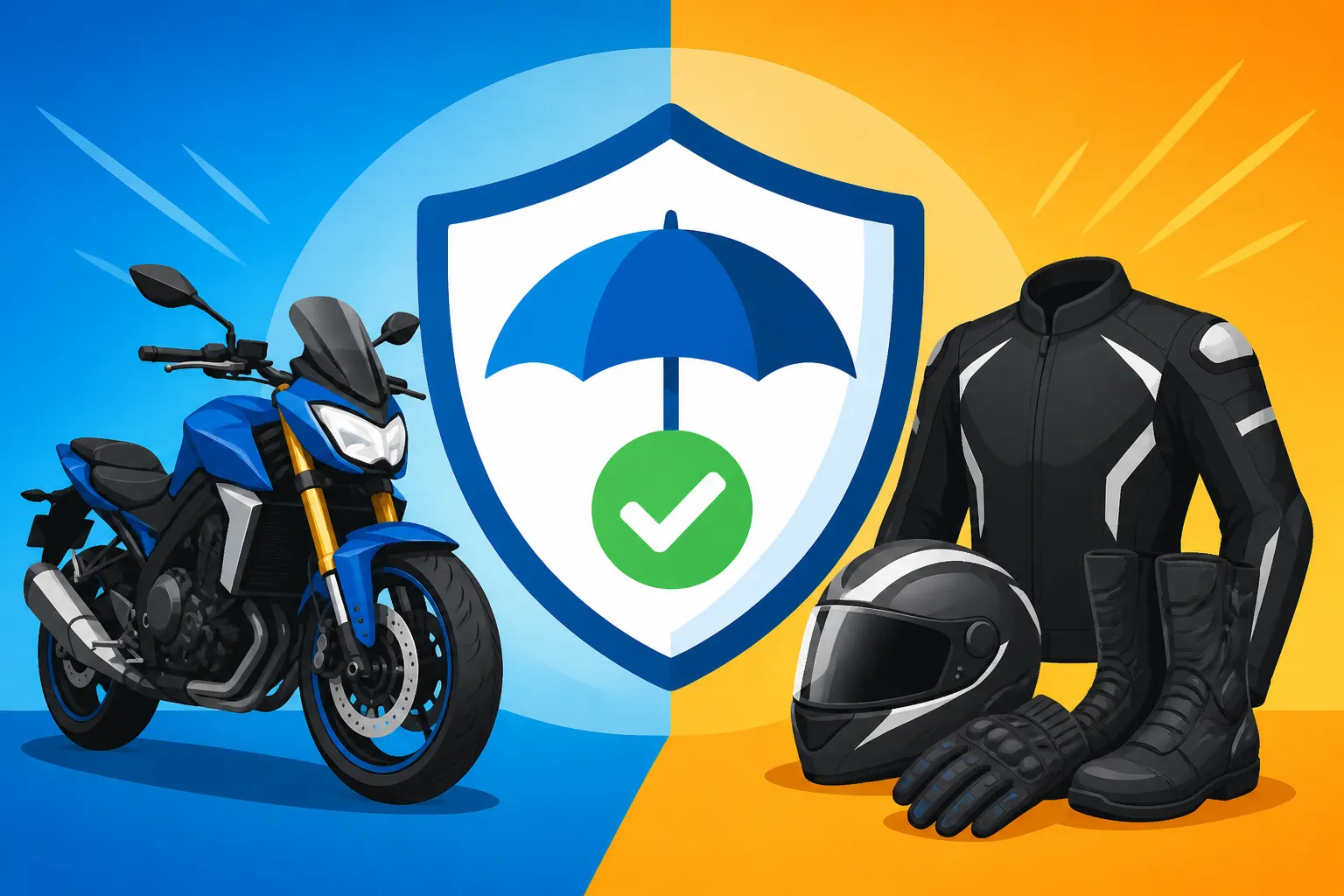
- Personal Riding Gear: This includes your helmet, riding jacket, pants, gloves, boots, armored vests, and even specialized communication systems worn inside your helmet. These items are designed for the rider, not the bike.
So, while that new set of Vance & Hines pipes might be covered, the Alpinestars race suit you bought might not be. It’s a crucial distinction, and one you absolutely need to clarify with your insurer.
Unlocking Coverage for Your Riding Gear
Given that standard policies often leave your personal riding gear unprotected, what are your options? Thankfully, there are specific coverages and strategies available that can help ensure your valuable helmet, jacket, and other protective items are covered against damage or theft.
Specialized Personal Effects or Gear Coverage Endorsements
The most direct way to protect your riding gear through your motorcycle insurance is by adding a specific endorsement for personal effects or riding gear. Many insurance companies, including major providers like Progressive, Geico, and Dairyland, offer these types of add-ons. They aren't always standard, and you usually have to specifically request and pay for them.
This specialized coverage is designed to cover personal property, including your riding apparel and helmet, when it is damaged in a covered accident or stolen along with your motorcycle. The coverage limits can vary, often ranging from a few hundred dollars to several thousand, depending on what you select and what the insurer offers. For instance, you might be able to add an endorsement that provides $2,500 in coverage for your gear for an additional annual premium. It's essential to ensure the limit you choose adequately reflects the true replacement cost of all your gear. Remember, if your custom helmet alone costs $800, a $500 coverage limit for all your gear won't do much good.
When considering options, it's wise to explore How to Compare Motorcycle Insurance Quotes from various providers. Online tools from services like The Zebra can be incredibly useful for quickly seeing what different companies offer in terms of these specialized endorsements. They let you input your specific needs, including coverage for riding gear, and compare options side-by-side without the hassle of going to each insurer individually.
Leveraging Homeowners or Renters Insurance
While not directly part of your motorcycle policy, your existing homeowners or renters insurance policy can sometimes offer a safety net for your riding gear. These policies typically cover personal property against perils like theft, fire, and sometimes even accidental damage, regardless of where the property is located (with certain limitations).
For example, if your motorcycle is stolen from your garage along with your helmet, jacket, and gloves, your homeowners insurance might cover the gear, even if your motorcycle policy only covers the bike. However, there are important caveats:
- Deductibles: Homeowners/renters insurance deductibles can often be higher than motorcycle policy deductibles. If your gear is worth $1,500 but your deductible is $1,000, you'll only receive $500.
- Coverage Limits: There might be sub-limits for certain types of personal property, or your overall personal property limit might not be sufficient if you have many other valuable items.
- Depreciation: Many policies pay out on an Actual Cash Value (ACV) basis, meaning they factor in depreciation. That 5-year-old leather jacket, even if it cost $700 new, might only be valued at $200 by the insurer. Some policies offer Replacement Cost Value (RCV) for an additional premium, which pays out enough to buy a brand new item.
- Claim Impact: Filing a claim on your homeowners or renters policy could potentially impact those premiums, which might be higher than a motorcycle-specific claim.
It's always a good idea to review your existing policies or speak with your agent to understand the specifics of your coverage for personal belongings and how it might apply to your riding gear. You can often find details on Types of Motorcycle Insurance Coverage Explained to understand these nuances better.
What About the "Accessories and Custom Parts" Coverage?
As mentioned earlier, this coverage is primarily for items attached to the bike. However, it's worth noting because some items that blur the line, like permanently installed GPS devices, integrated communication systems hard-wired into the bike, or specialized motorcycle luggage attached to the frame, might fall under this. If you have custom paint on your helmet that matches your bike, it's still generally considered personal gear, not a bike accessory. Always clarify with your insurance provider what specifically is included under their "accessories and custom parts" definition to avoid surprises.
Ultimately, for most riders, adding a dedicated "personal effects" or "riding gear" endorsement to their motorcycle policy is the most straightforward and reliable way to protect their helmets, jackets, and other protective apparel.
Navigating the Claim Process for Gear Loss
So, you've taken the proactive step and added specific coverage for your riding gear. Now, what happens if the unthinkable occurs and you need to file a claim? Understanding the process can make a difficult situation a little less stressful.
Steps to Take Immediately After an Incident
Whether it's an accident or theft, your first priorities remain the same: ensure your safety, call emergency services if needed, and report the incident to the police. Once the immediate crisis is managed, there are specific steps to take regarding your gear:
- Document Everything: Take photos and videos of the damaged gear, the accident scene, or the location of the theft. Be as thorough as possible. This visual evidence will be crucial for your claim.
- Make a List: Create a detailed inventory of all damaged or stolen gear, including brand, model, approximate age, and original purchase price. If you have receipts, even better.
- Contact Your Insurer: Report the incident to your motorcycle insurance company as soon as possible. Explain that your riding gear was also damaged or stolen and that you have a specific endorsement for it. Be clear and direct. For incidents involving theft, refer to our guide on Motorcycle Theft Claim: How It Works.
The adjuster will guide you through the next steps, but having your documentation ready will significantly speed up the process.
What to Expect During the Claim Assessment
Once you've reported the claim, an adjuster will be assigned. Their job is to assess the damage or loss and determine the payout. Here’s what you can generally expect:
- Evidence Review: The adjuster will review your photos, police report, and your inventory list. They may ask for further documentation, such as receipts or credit card statements, to verify ownership and value.
- Valuation: This is a critical step. If your policy pays out Actual Cash Value (ACV), the adjuster will factor in depreciation based on the age and condition of your gear. For example, a helmet that's 3 years old will not be valued at its new purchase price. If you have Replacement Cost Value (RCV) coverage, they will aim to provide enough to buy a new, equivalent item. This is why understanding Agreed Value vs Stated Value vs Actual Cash Value is so important.
- Settlement Offer: The adjuster will present you with a settlement offer. Review it carefully. If you believe the valuation is too low, you have the right to negotiate, especially if you have strong evidence of your gear's value and condition before the incident.
- Deductible Application: Remember, your gear coverage endorsement will likely have its own deductible, which you will need to pay before the insurance kicks in.
It's not uncommon for the process to take a little time. According to our insights, How Long Does a Motorcycle Insurance Claim Take can vary widely depending on the complexity and the insurer, but proactive communication and organized documentation can certainly help.
Smart Strategies for Protecting Your Investment
Beyond simply adding coverage, there are several smart strategies you can employ to further protect your riding gear and streamline any potential claims. These tips focus on proactive measures and making informed choices.
Keeping Detailed Records of Your Gear
This is perhaps the simplest yet most overlooked tip. Think of your gear like collectible items. For each major piece – your helmet, jacket, expensive boots, communication system – keep a record.
- Take Photos: Snap clear pictures of each item, especially showing any unique features or brands.
- Store Receipts: Digitally or physically, keep copies of your purchase receipts. These are golden when proving value to an insurance company.
- Note Details: Write down the brand, model number, size, and date of purchase.
- Update Your Inventory Annually: Just like you review your overall policy, take a moment each year to update your gear inventory, especially if you've bought new items or retired old ones.
This meticulous record-keeping makes filing a claim much smoother and helps ensure you get a fair settlement for your lost or damaged items. It takes away the guesswork for both you and the adjuster.
Choosing the Right Coverage Limits
When you add a personal effects or gear endorsement, you'll be asked to choose a coverage limit. This is crucial. If your total gear value (helmet, jacket, gloves, pants, boots, comms) is $2,000, but you only elect $1,000 in coverage, you're out of pocket for the remaining $1,000.
- Calculate True Replacement Cost: Don't just guess. Add up the current retail prices of all your significant gear items. Aim for a coverage limit that matches or slightly exceeds this total.
- Consider Future Purchases: If you plan on upgrading your gear soon, factor that into your desired limit. It’s usually easier to increase your coverage limit mid-policy than to wish you had more after an incident.
- Review Regularly: As gear wears out and gets replaced, or as new, more expensive items are purchased, review and adjust your coverage limits accordingly. The extra few dollars a month for adequate coverage is a small price to pay for peace of mind.
Remember, services like The Zebra can help you get quotes that allow you to customize these limits, helping you compare costs across various providers for comprehensive protection that truly meets your needs. This way, you can easily see what different Best Motorcycle Insurance Companies (2027) are offering.
General Security Best Practices
While insurance helps with financial recovery, preventing loss in the first place is always the best strategy.
- Lock Your Helmet: When leaving your helmet with your bike, use a dedicated helmet lock or pass a cable lock through the chin bar and secure it to the bike frame. A quick grab-and-go thief is less likely to bother if it’s secured.
- Don't Leave Gear Unattended: Avoid leaving jackets, gloves, or other loose gear lying on your bike, especially in public places. Take them with you, even for a short coffee stop.
- Secure Storage at Home: If your garage is where your bike and gear reside, ensure it's locked and secure. Consider additional security measures like motion-activated lights or cameras. Thieves often scout for easy targets.
- Travel Smart: When touring, always secure your gear inside locked saddlebags or top cases, or take it into your hotel room. Leaving it strapped to the bike overnight is an open invitation for theft.
By combining proactive security measures with appropriate insurance coverage, you create a robust defense for your valuable riding gear. It means less worry for you and more focus on enjoying the ride.
When Other Policies Can Step In
Sometimes, the lines between motorcycle insurance, homeowners/renters insurance, and even travel insurance can blur, offering multiple layers of protection for your gear. It's vital to understand these overlaps to ensure you're fully covered without unnecessary duplication.
The Role of Homeowners or Renters Insurance for Gear Theft
As discussed, your homeowners or renters policy can be a powerful backup for personal property loss, including your riding gear, especially in cases of theft. If your entire gear ensemble is stolen from your locked garage at home, your homeowners policy is often the first place to look for recovery, particularly if the motorcycle itself wasn't stolen (and thus, your motorcycle insurance isn't triggered for the bike portion).
However, remember to weigh the deductible and potential impact on your premiums against the value of the claim. For a minor loss, it might not be worth filing a claim if your deductible is high. But for a complete set of high-end gear, it can be a lifesaver. This coverage is generally for theft and fire while the items are on your property or sometimes even away from home, but it typically won't cover damage from a motorcycle accident. Always check your specific policy documents for "off-premises" coverage details.
How Travel Insurance Might Apply to Extended Trips
If you're a serious touring rider undertaking long-distance or international journeys, specialized travel insurance policies might offer an additional layer of protection for your personal belongings, including riding gear. While not directly replacing motorcycle insurance, a comprehensive travel insurance plan might cover the loss or damage of personal items, sometimes including specialized sports equipment, during your trip.
This could be particularly relevant if your gear is lost or damaged by an airline, stolen from a hotel room, or suffers damage in a scenario not directly linked to a motorcycle accident. These policies often have specific limits and conditions for high-value items, so reading the fine print is paramount. For example, some policies might cover the loss of baggage during air travel, which could include your riding gear if it was packed within. For more details on covering your bike and gear during journeys, it's worth reviewing Riding Across State Lines: Insurance & Helmet Rules.
The Importance of Coordinating Your Coverage
The key takeaway here is to avoid assuming one policy covers everything. The best approach is to speak with your insurance agents for both your motorcycle policy and your homeowners/renters policy.
- Identify Gaps: Ask them directly: "If my helmet and jacket are damaged in a motorcycle accident, which policy covers it?" and "If my gear is stolen from my garage, which policy applies?"
- Avoid Duplication: While having multiple policies that could cover an item seems good, it can complicate claims and might mean you're paying for redundant coverage. Coordinate with your agents to ensure you have comprehensive protection without unnecessary overlap.
- Understand Deductibles: Know which deductible applies in which scenario. Sometimes, a higher deductible on one policy makes claiming on another more sensible for smaller losses.
By understanding the distinct roles each policy plays, you can build a comprehensive safety net for your motorcycle, yourself, and all the valuable gear that makes your riding possible. Don't be afraid to ask questions, explore options like those offered by The Zebra for easy comparison, and secure your peace of mind before you hit the road.
Conclusion
The open road is calling, and your riding gear is an indispensable part of that adventure – offering both crucial protection and a statement of your personal style. It's a significant financial and emotional investment, and the last thing any rider wants is to discover, after an accident or theft, that their valuable helmet, jacket, and boots aren't covered by their motorcycle insurance.
While standard motorcycle insurance policies primarily focus on the bike itself, leaving your personal riding gear unprotected, there are clear, actionable steps you can take. By adding a specific "personal effects" or "riding gear" endorsement to your motorcycle policy, you can ensure that these essential items are covered against damage or theft. Additionally, your homeowners or renters insurance can serve as a valuable backup for certain types of losses, especially theft, reinforcing the importance of coordinating your coverage across all your policies.
Remember to keep meticulous records of your gear, including photos and receipts, and choose coverage limits that truly reflect the replacement cost of your equipment. Proactive steps like securing your gear when not riding also go a long way in preventing loss. Don't let uncertainty about insurance detract from the joy of riding. Take the time to review your options, consult with your insurance provider, and ensure your entire riding experience – including your gear – is adequately protected.
Disclaimer
Please remember that insurance policies, coverage options, and state requirements can change. This article provides general information and should not be considered legal or financial advice. Always consult with a licensed insurance professional to discuss your specific needs and obtain personalized recommendations for your motorcycle insurance coverage.