How to Handle a Motorcycle Insurance Claim in Washington
Riding a motorcycle in Washington state, with its stunning scenic routes from the Olympic Peninsula to the Cascades, is an incredible experience. But even the most careful rider can find themselves in the nightmare scenario of an accident. When that happens, the last thing you want is to be adrift, wondering how to even begin dealing with your motorcycle insurance claim. This guide is here to cut through the confusion and walk you through every critical step of handling a motorcycle insurance claim right here in Washington.
Immediate Steps After a Motorcycle Accident in Washington
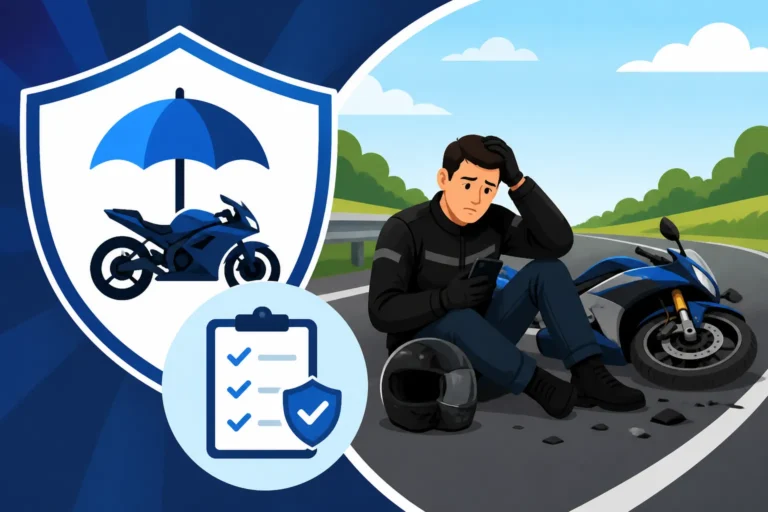
The moments directly following a motorcycle accident can be chaotic and frightening. Your first priority, above all else, must be the safety and well-being of yourself and anyone else involved. Panicking or making rash decisions in the immediate aftermath can complicate your insurance claim down the line, so taking a deep breath and following a clear process is essential.
Prioritizing Safety and Seeking Medical Attention
First things first: assess yourself and anyone else involved for injuries. Even if you feel shaken but generally okay, the adrenaline from the crash can mask serious injuries. If there are any visible injuries, or even if you're just experiencing pain or disorientation, call 911 immediately. Emergency services in Washington will dispatch law enforcement and paramedics. It's always, always better to get checked out by medical professionals at the scene or shortly after. Don't wave off paramedics or refuse transport to an urgent care facility or hospital if they recommend it. Undiscovered injuries can manifest days or even weeks later, and having immediate medical documentation is crucial for any potential personal injury claim. Remember, your health is paramount, and your insurance claim will heavily rely on accurate medical records.
If you are able to move and it's safe to do so, try to move your motorcycle out of the flow of traffic to prevent further accidents. If you can't move it, activate your hazard lights and set up any warning triangles or flares you might carry. Staying visible and safe from oncoming traffic is critical until law enforcement arrives.
Reporting to Law Enforcement and Gathering Information
In Washington, if an accident results in injury, death, or property damage exceeding $1,000 to any one vehicle, you are legally required to report it to law enforcement. This usually means calling 911. When the Washington State Patrol or local police arrive, they will secure the scene, interview those involved, and generate an official accident report. This police report is an absolutely vital piece of evidence for your insurance claim. Make sure you get the police report number and the name and badge number of the responding officer.
While waiting for law enforcement or once they've taken control, if you're physically able, start gathering as much information as possible. This includes:
- Other Driver's Information: Get their full name, contact number, driver's license number, license plate number, and insurance policy details.
- Witness Information: Ask anyone who saw the accident for their names and phone numbers. Independent witnesses can provide unbiased accounts that are invaluable.
- Photographs and Videos: Use your phone to take extensive photos and videos of the accident scene. Capture the positions of all vehicles, the damage to your motorcycle and other vehicles, skid marks, road conditions, traffic signs, weather, and any contributing factors like debris. Don't forget to take photos of your injuries, if any, as well as your riding gear.
- Location Details: Note the exact street address or intersection, and any distinguishing landmarks.
Having this detailed information on hand will greatly streamline the process when you eventually connect with your insurance provider. It's easy to forget details later, so write everything down if you can.
Notifying Your Insurance Company and Understanding Washington's Laws
Once you've handled the immediate aftermath and ensured safety, your next critical step is to inform your motorcycle insurance provider. This isn't just a suggestion; it's a fundamental obligation outlined in your policy. Delays can lead to complications, so don't put it off.
The Prompt Notification Requirement
As soon as you are safe and able, you need to notify your own motorcycle insurance company about the accident. Many policies have clauses that require "prompt notification" or "as soon as practicable." What this means is, don't wait days or weeks. Even a quick phone call to initiate the claim process is better than nothing. You don't need to have every single detail finalized; just get the ball rolling.
When you call, your insurer will open a claim file and assign a claims adjuster. This person will be your primary point of contact and will guide you through the rest of the process. They'll ask for all the details you gathered at the scene, so having your notes handy will be incredibly helpful. Companies like Progressive, known for their large network and experience, often have efficient online and phone systems to make this initial reporting as smooth as possible. Failing to report an accident promptly could potentially jeopardize your coverage, so prioritize this step. Even if you think the other party is entirely at fault, you should still report it to your own insurer. This allows them to protect your interests, especially if the other driver's insurance is slow to respond or tries to dispute liability.
Understanding Washington's Fault and Minimum Coverage Laws
Washington is an "at-fault" state for motor vehicle accidents. This means that the driver determined to be legally responsible for causing the accident is also responsible for paying for the damages and injuries that result. This is a crucial distinction, as it directly impacts how your claim will be handled and who ultimately bears the financial burden.
Because Washington is an at-fault state, it's mandatory for all riders to carry certain minimum liability insurance coverage. As of 2024, the minimum liability coverage requirements in Washington are:
- $25,000 for bodily injury liability per person
- $50,000 for total bodily injury liability per accident
- $10,000 for property damage liability per accident
You might see these numbers referred to as "25/50/10." You can learn more about these requirements in our detailed guide on Minimum Liability Insurance Explained The Three Numbers. This minimum coverage is designed to protect other people and their property if you cause an accident. It does not cover your own injuries or damage to your motorcycle.
Considering Washington's at-fault system, having sufficient coverage, including beyond the state minimums, is highly recommended. For instance, Uninsured/Underinsured Motorist (UM/UIM) coverage is incredibly important for riders. This coverage protects you if you're hit by a driver who doesn't have insurance or whose insurance isn't enough to cover your damages. In an at-fault state, if the at-fault driver has no insurance, you could be left with huge medical bills and repair costs out of your own pocket without UM/UIM. Check out our in-depth article on Uninsured & Underinsured Motorist Coverage UM/UIM to understand its full value. While companies like The Zebra can help you compare policies, ensuring you understand these fundamental coverages is critical no matter who you choose as your provider.
| Washington Minimum Coverage | What it Covers | Why It's Crucial |
|---|---|---|
| $25,000 Bodily Injury | Injuries to one person in an accident you cause | Legal requirement, protects your assets from lawsuits |
| $50,000 Total Bodily Injury | Total injuries to all people in an accident you cause | Legal requirement, essential for multi-person accidents |
| $10,000 Property Damage | Damage to property (vehicles, fences) you cause | Legal requirement, covers repairs to other vehicles or structures |
| Recommended Addition | Why you need it in Washington | Impact |
| Uninsured/Underinsured Motorist | Your medical bills and bike damage if an at-fault driver has no/low insurance | Washington is at-fault, so this protects you from financially irresponsible drivers. |
| Collision Coverage | Damage to your bike from a crash, regardless of fault | Essential for repairing or replacing your bike, especially if you're at fault or can't collect from others. |
| Comprehensive Coverage | Theft, vandalism, fire, weather, animal strikes, etc. | Protects your investment from non-collision damages, vital year-round. |
Navigating the Motorcycle Insurance Claim Process in Washington
Once your initial notification is made and you understand Washington's specific laws, you'll begin the core of the claims process. This involves a thorough investigation, damage assessment, and ultimately, reaching a settlement that allows you to get back on the road.
The Investigation and Damage Assessment Phase
After you've filed your claim, your insurance company's adjuster will spring into action. Their job is to investigate the accident, determine fault (if liability is disputed), and assess the damages. This isn't always a quick process; sometimes it can take a while to gather all the necessary information, especially if other parties or multiple vehicles are involved. For more on the timeline, refer to our post, How Long Does a Motorcycle Insurance Claim Take?.
The adjuster will typically:
- Review the Police Report: This is often the first document they seek out, as it contains an official account and often an initial determination of fault.
- Interview Involved Parties and Witnesses: They'll want to hear your side of the story, as well as the other driver's, and any independent witnesses.
- Examine Evidence: They'll look at the photos and videos you provided, and possibly visit the scene themselves if the damage is extensive or liability is complex.
- Assess Motorcycle Damage: This is where the physical inspection of your bike comes in. You'll work with the adjuster to arrange for your motorcycle to be inspected. This might be at a repair shop of your choice, one from their approved network, or even by a mobile appraiser. The adjuster will then generate an estimate for the repairs. If your bike has custom parts, accessories, or modifications, make sure you highlight these and have documentation (receipts, photos before the accident). Without proper coverage for these, they might not be included in the settlement. It's crucial to review our guide on Accessories & Custom Parts Coverage Explained beforehand to ensure you're covered.
During this phase, it's really important to be honest and provide all the information requested. However, you are not obligated to give recorded statements to the other driver's insurance company without first consulting your own insurer or a legal professional. Your own adjuster is there to advocate for you within the bounds of your policy.
Settlement, Repairs, or Total Loss Determination
Once the investigation and damage assessment are complete, your insurance company will either authorize repairs or declare your motorcycle a total loss.
- Repairs: If your motorcycle is repairable, the adjuster will provide you with a repair estimate. You typically have the right to choose your repair shop in Washington. Once repairs are completed and you've paid your deductible, your insurance company will pay the shop directly, or reimburse you for the cost.
- Total Loss: A total loss occurs when the cost to repair your motorcycle exceeds a certain percentage of its Actual Cash Value (ACV) or if the damage is so severe it's deemed unsafe to repair. In Washington, there isn't a fixed percentage, but insurers generally consider a bike a total loss when repair costs approach 70-75% of its ACV. If your motorcycle is declared a total loss, the insurance company will pay you the ACV of your bike, minus your deductible. This can be a tough pill to swallow, especially if you have an emotional attachment or customizations. It’s absolutely vital to understand how Actual Cash Value works versus other valuation methods like Agreed Value or Stated Value. Our guide on How to Negotiate a Motorcycle Total Loss Settlement offers great strategies for ensuring you get a fair offer. If your bike was financed, any settlement funds will typically go directly to your lender first. If the settlement amount is less than what you owe on the loan, you could be left with a balance. This is where Do You Need Gap Insurance on a Motorcycle? becomes critical, as it can cover that difference.
Throughout this stage, companies like The Zebra can provide resources for understanding market values, helping you to evaluate if the ACV offer is fair. While Progressive is a major carrier in Washington, offering various policy types, always remember that the settlement process involves negotiation and understanding your policy's terms. Don't be afraid to ask questions and seek clarification.
Common Pitfalls and How to Avoid Them in Washington Claims
Dealing with an insurance claim can feel like navigating a maze, and it's easy to make mistakes that could impact your settlement. Being aware of these common pitfalls can help you avoid them.
Documentation and Communication Mistakes
One of the biggest issues riders face during a claim is insufficient documentation. If you didn't take enough photos or videos at the scene, or if the police report is incomplete, it can make it harder to prove what happened and the extent of the damage. Always aim for overkill with your evidence collection right after an accident.
Another common misstep is inconsistent communication or delays. Providing different accounts of the accident to different parties (e.g., police, your insurer, the other driver's insurer) can raise red flags. Stick to the facts, and if you're unsure about something, state that you're unsure rather than guessing. Delays in reporting or responding to your insurer's requests can also slow down the process, or even lead to denial if your policy has strict timelines. Keep a log of all communications, including dates, times, names, and a summary of what was discussed. This creates a clear paper trail, which is especially important for Proof of Insurance & Registration for Motorcycles if you ever need to demonstrate compliance.
Dealing with Uninsured Drivers or Claim Denials
It's an unfortunate reality that not every driver on Washington roads carries adequate insurance, or any insurance at all. If you're involved in an accident with an uninsured motorist, the situation becomes more complex. Without Uninsured Motorist (UM) coverage, you might have to pursue the at-fault driver directly, which can be a long and difficult process. This is precisely why How to File a Claim When Hit by an Uninsured Driver is a must-read for all riders, as it explains how your UM/UIM policy can protect you in such scenarios. Remember, in Washington, even though it's an at-fault state, if the at-fault party can't pay, your own UM/UIM is your safety net.
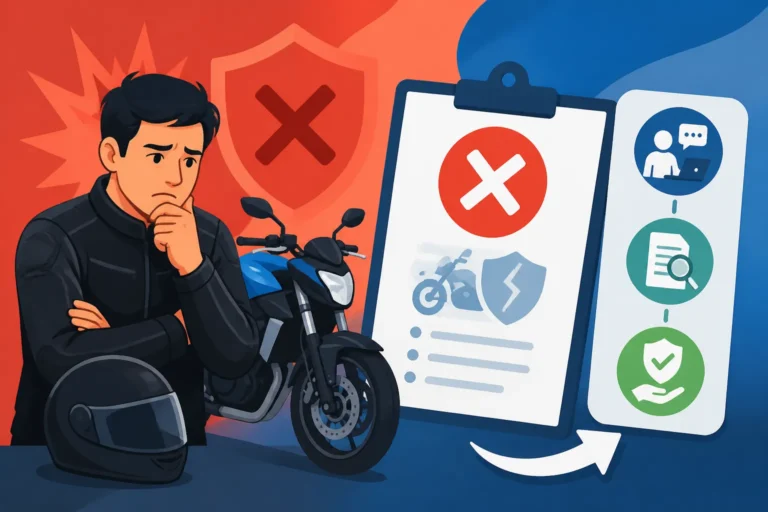
What if your claim is denied, or the settlement offer feels unfairly low? This is incredibly frustrating. First, understand the reason for the denial or low offer. Your insurer should provide a clear explanation. If you disagree, you have the right to appeal the decision within the company. Gather any additional evidence that supports your position. If internal appeals fail, you can reach out to the Washington State Office of the Insurance Commissioner (OIC), which regulates insurance companies and handles consumer complaints. They can mediate or investigate on your behalf. In some cases, especially with serious injuries or complex liability disputes, consulting with a personal injury attorney experienced in motorcycle accidents can be a wise move.
Lastly, remember that some incidents, like theft or vandalism, fall under comprehensive coverage, not collision. If your bike is stolen or damaged while parked, you’d file a comprehensive claim. Knowing What Is Comprehensive Motorcycle Insurance? and ensuring you have it is essential for protection against non-collision incidents.
Preparing for a Smooth Claim Process
While no one ever wants to file an insurance claim, being prepared beforehand can significantly ease the burden if the unthinkable happens. Think of it as investing in your future peace of mind.
Pre-Accident Preparation
The best time to prepare for a motorcycle insurance claim is before an accident ever occurs. This means choosing the right coverage when you first buy your policy. Don't just opt for the cheapest, bare-minimum liability coverage to meet Washington's legal requirements. Consider the value of your motorcycle, your financial situation, and your personal risk tolerance. Adequate coverage like collision, comprehensive, and especially robust Uninsured/Underinsured Motorist limits, can be a lifesaver. Our guide on What Motorcycle Coverage Do You Actually Need? can help you make informed decisions.
Keep all your vital motorcycle documents organized and easily accessible. This includes your registration, driver's license with motorcycle endorsement, and your insurance card. It’s also a good idea to have photos of your motorcycle, especially if it has any custom parts or expensive aftermarket accessories, stored on your phone or in the cloud. These photos, along with receipts for custom parts, can be invaluable in proving their value to your adjuster. Regularly review your policy with your agent to ensure your coverage is still appropriate for your bike and riding habits. If you add new modifications or move to a different area of Washington, your policy may need updating.
Knowing Your Rights as a Washington Rider
As a motorcycle insurance policyholder in Washington, you have rights, and knowing them empowers you during the claims process. The Washington State Office of the Insurance Commissioner (OIC) is your go-to resource for understanding these rights and for filing complaints if you feel your insurer isn't treating you fairly. They have a consumer protection division specifically designed to help citizens with insurance issues.
You have the right to a timely investigation and settlement of your claim. Insurers are required to respond to communications promptly and to pay undisputed claims quickly. You also typically have the right to choose where your motorcycle is repaired, not just be steered to a shop chosen by the insurance company. If your motorcycle is declared a total loss, you have the right to negotiate the Actual Cash Value (ACV) offered, providing your own evidence of market value from sources like Kelley Blue Book, NADAguides, or recent sales listings for similar bikes in your area. Don't assume the first offer is the only offer. Being informed and assertive, but always polite, can make a significant difference in the outcome of your motorcycle insurance claim.
Disclaimer
This article is for general informational purposes only and does not constitute professional advice. Laws, prices and regulations vary by location and change over time. Consult a qualified professional for guidance on your specific situation.