Is It Better to Have One Policy for Car and Motorcycle?
Juggling multiple insurance policies can feel like a real headache, right? One bill here, another login there, and trying to remember which company covers your car versus your beloved motorcycle can get confusing fast. Many riders wonder if it's simpler, or even cheaper, to just consolidate everything under one roof. This guide will dive deep into whether having one policy for your car and motorcycle is truly a better solution, exploring the benefits, drawbacks, and how to figure out what's best for your specific situation.
Understanding Bundling: What Does It Really Mean for Riders?
When you hear "one policy for car and motorcycle," it often conjures up an image of a single document, one premium, and a truly unified insurance plan. While the idea of simplifying your financial life is incredibly appealing, the reality of bundling is a little more nuanced, especially in the world of motorcycle insurance.
The Allure of a Single Policy
The desire for a single, overarching insurance policy is completely understandable. We live in a busy world, and anything that can streamline our finances and reduce administrative clutter is often seen as a win. For many, the dream scenario involves: one insurance card, one monthly payment, one customer service line to call, and one renewal date to track. It promises a sense of calm and control over what can often feel like a complicated and ever-changing expense. You just want to ride, not spend hours poring over insurance documents!
This perceived simplicity is a huge draw, and insurance companies know it. They actively promote "bundling" because it encourages customer loyalty and allows them to capture more of your business. The marketing often highlights the ease and potential savings, making it sound like a no-brainer. But as any seasoned rider knows, the devil is often in the details, and what looks simple on the surface might have layers you need to peel back.
How Bundling Works in Practice
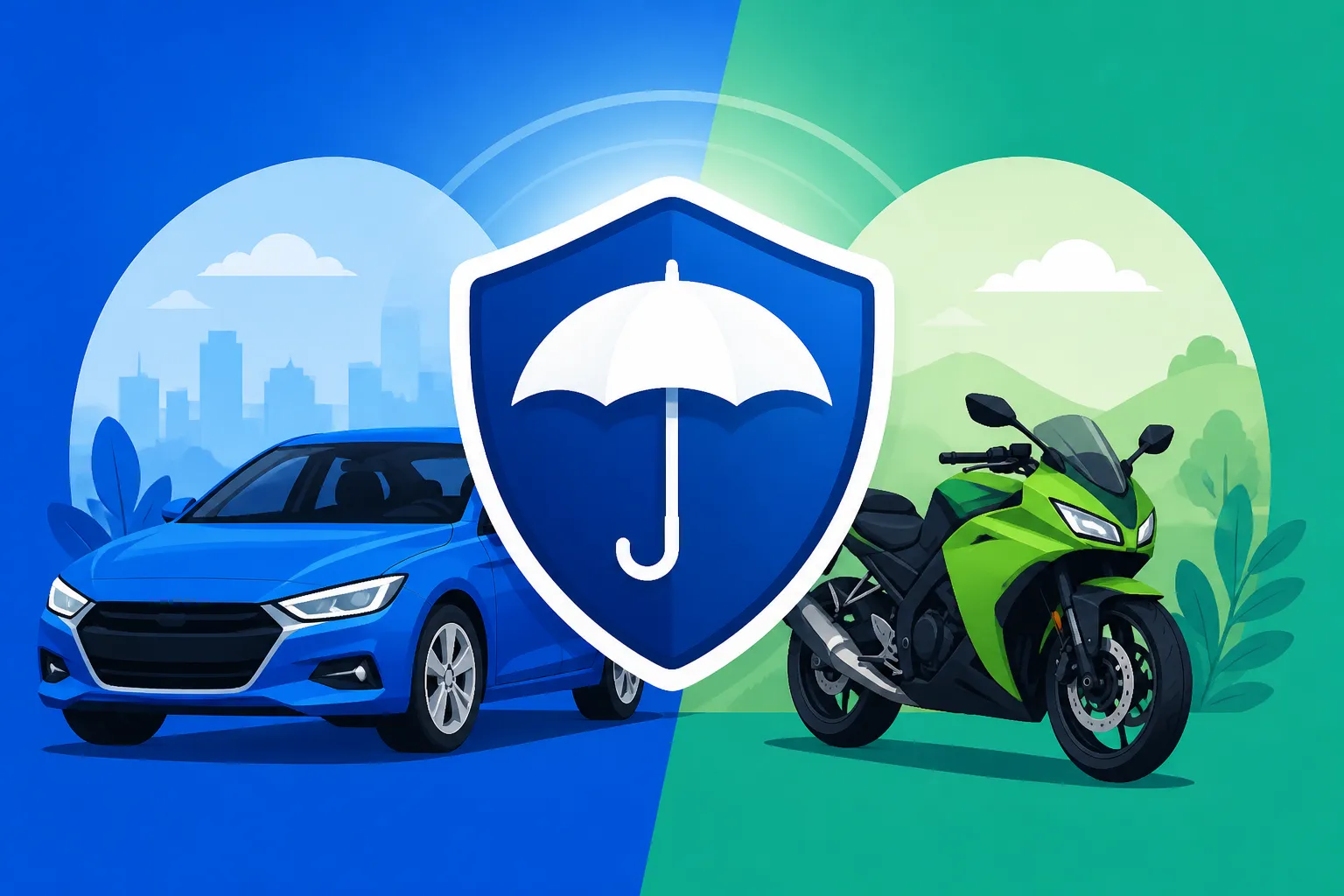
Here's the thing about bundling: it's not always a literal "single policy" that covers both your car and motorcycle on one piece of paper. More often than not, "bundling" means that you're purchasing separate car insurance and motorcycle insurance policies from the same insurance provider. The "bundle" part comes in the form of a discount applied to one or both of those premiums because you're giving all your business to that single company.
For example, you might have a car insurance policy with Progressive, and then also purchase your motorcycle policy through Progressive. Because you're a multi-policy holder, they'll give you a discount on both. This can be great for convenience, as you'll likely manage both policies through the same online portal, receive a single consolidated bill, and deal with the same customer service team. However, it's crucial to understand that the terms, coverages, and conditions for your car policy are distinct from those for your motorcycle. They operate independently, even if they're "bundled" for billing and discount purposes.
The Potential Benefits of Bundling Your Car and Motorcycle Insurance
There's a good reason why so many people consider bundling their insurance policies: it offers some genuinely attractive advantages. When it works out, it can be a real win-win situation for both your wallet and your peace of mind.
Cost Savings and Discounts
Let's be real, the biggest driver behind anyone considering bundling is usually the promise of a lower premium. Insurance companies are fiercely competitive, and they use multi-policy discounts as a powerful incentive to get and keep your business. Insurers like Progressive, Geico, Allstate, and State Farm are well-known for offering these types of discounts. They essentially reward you for being a loyal customer who entrusts them with more of your assets.
These discounts can vary widely, but they often range from 5% to 25% off your total premium. Imagine saving 10-15% on both your car and motorcycle insurance just by having them with the same provider. Over a year, or even several years, those savings can really add up, freeing up more cash for gear, modifications, or just plain riding. It's not uncommon for a rider to realize significant savings that make the combined monthly payment noticeably lower than paying for two separate policies with different companies. If you're looking for How to Get Cheap Motorcycle Insurance, bundling is often one of the first avenues people explore.
Streamlined Management and Convenience
Beyond the financial benefits, the sheer convenience of having one insurance company for all your vehicles is a huge draw. No more trying to remember which insurer to call after a fender bender in your car, or who to contact if your motorcycle gets a flat tire and needs roadside assistance. Everything is centralized.
This means you'll likely have one online account to manage all your policy documents, pay bills, and review your coverage details. When it comes time to make changes, like adding a new vehicle, updating your address, or filing a claim, you have a single point of contact. This can drastically reduce the mental load and the time spent dealing with administrative tasks, leaving you more time to actually enjoy your rides. For many, the value of reducing stress and simplifying their life is just as important as the dollar savings.
Building a Stronger Relationship with Your Insurer
While it might sound a bit abstract, building a long-term relationship with a single insurer can sometimes pay off in unexpected ways. When you're a valued, long-standing customer with multiple policies, you might find that the company is more willing to work with you during certain situations. For instance, if you have a minor claim, they might be more flexible, or you might find yourself eligible for additional loyalty discounts or perks that aren't available to single-policy holders.
Some insurers even assign you a dedicated agent who gets to know your insurance needs over time, providing a more personalized service experience. This can be particularly helpful if you have specific coverage needs for your motorcycle, such as custom parts coverage or agreed value coverage, where having an agent familiar with your overall profile can make the process smoother. This stability can offer a sense of security, knowing you have a consistent point of contact for all your vehicular insurance needs.
The Downsides and Hidden Pitfalls to Consider
While bundling sounds fantastic on paper, it's not a universal solution that works for everyone. There are definitely some potential drawbacks and hidden pitfalls that riders should be aware of before committing all their insurance eggs to one basket.
Not Always the Cheapest Option
This is arguably the biggest misconception about bundling: that it automatically guarantees the lowest price. The truth is, that's not always the case. Insurance companies specialize. Some excel at car insurance, offering incredibly competitive rates and extensive discounts for drivers. Others, however, might be better known for their motorcycle insurance offerings, providing more specialized coverage options, better rates for certain bike types (like sport bikes versus cruisers), or superior claims service specifically for riders.
If you choose an insurer that's fantastic for your car but only mediocre for your motorcycle, the bundled discount might not be enough to offset a higher base rate for your bike. You might find that by purchasing your car insurance from one top-tier auto insurer and your motorcycle insurance from a top-tier motorcycle specialist like Dairyland or Markel, your total combined cost is actually lower than a bundled rate from a single provider. It really pays to shop around, and tools like The Zebra can be incredibly useful for comparing various quotes, both bundled and separate, to see where the real savings lie. Don't assume the bundle is king; always verify.
Coverage Limitations and Specialization
Motorcycles aren't just smaller cars; they have unique insurance needs. A generic insurance company that primarily focuses on auto insurance might not offer the robust, specialized coverage that a dedicated motorcycle insurer provides. For instance, you might find that their "motorcycle policy" is fairly basic, lacking important add-ons like:
- Accessories & Custom Parts Coverage: Many riders invest heavily in aftermarket parts, custom paint jobs, or performance upgrades. A standard policy might only cover a very limited amount, or none at all, leaving you out of pocket if your customized bike is damaged or stolen.
- Agreed Value vs. Actual Cash Value: For classic, vintage, or highly customized bikes, "agreed value" coverage ensures that you and the insurer agree on a specific payout amount before a loss occurs. Many standard insurers only offer "actual cash value," which depreciates your bike's value over time, often resulting in a much lower payout than you'd expect or need to replace it.
- Riding Gear Coverage: Your helmet, jacket, and specialized riding boots are expensive. Some motorcycle-specific policies offer coverage for your gear in an accident, which a more general policy might omit.
These specialized coverages are crucial for many riders, and sacrificing them for a bundled discount might be a costly mistake in the long run. When considering different types of motorcycle insurance coverage explained, make sure your potential bundled policy truly meets all your specific needs.
The "All Eggs in One Basket" Risk
Putting all your insurance with one company means you're heavily reliant on their performance and pricing. What happens if that insurer raises their rates significantly across the board next year? Or if their customer service takes a nosedive? Or if they suddenly change their underwriting policies that negatively impact motorcycle riders? You're essentially locked in, and switching everything becomes a much bigger hassle.
If you have separate policies, you have more flexibility. You can switch your car insurance to a new provider if you find a better deal, without affecting your motorcycle coverage, and vice-versa. This flexibility gives you more bargaining power and allows you to always seek out the best value and service for each of your vehicles independently. Having all your insurance with one company means any issues or disappointments with that provider impact all your insurance, which can be frustrating and leave you feeling stuck.
When Bundling Makes Sense (and When It Doesn't)
Deciding whether to bundle your car and motorcycle insurance isn't a one-size-fits-all answer. It truly depends on your individual circumstances, priorities, and the specifics of your vehicles and riding habits.
Ideal Scenarios for a Combined Policy
Bundling can be a fantastic choice under a few key conditions where the stars align for both convenience and value:
- When a Major Insurer Offers Competitive Rates for Both: If you get quotes from a large, reputable insurer like Progressive, Allstate, or State Farm, and they genuinely offer excellent rates for both your car and your motorcycle, with a significant multi-policy discount, then bundling is definitely worth considering. This means their base rates for each vehicle are already good, and the discount sweetens the deal even further. You've essentially found a unicorn: a provider that excels in both areas for your profile. This is often the case for riders with fairly standard motorcycles (like cruisers or touring bikes) and average driving records, as these bikes are generally less expensive to insure than, say, a high-performance sport bike.
- When Convenience is Your Top Priority and Savings are Decent: For some, the sheer ease of managing everything through one company outweighs getting the absolute rock-bottom price on each policy separately. If the bundled rate isn't much higher than the lowest separate rates you can find, and the convenience factor is huge for you, then it makes perfect sense to go with a single provider. Think about the time saved, the reduced mental clutter, and the simplicity of having one bill. If the total cost difference is minimal (say, less than $50-$100 per year), the convenience might be worth that small premium.
- When You Have Standard Vehicles and Few Special Needs: If your car is a common model and your motorcycle is a standard cruiser or touring bike without extensive, high-value customizations, a major bundled insurer might offer perfectly adequate coverage. These vehicles often fit well into their standard underwriting models, making it easier for them to provide competitive pricing and standard coverages without much hassle. In such cases, the generalized policy might cover all your basic needs without requiring highly specialized add-ons.
When to Keep Policies Separate
On the flip side, there are definite situations where it's almost always better to keep your car and motorcycle insurance policies with different providers:
- If a Specialized Motorcycle Insurer Offers Significantly Better Coverage or Rates: This is a big one. Companies like Dairyland or Markel specialize in motorcycle insurance. They understand the nuances of various bike types, riding gear, custom parts, and the unique risks associated with two wheels. Because of this specialization, they can often offer more comprehensive coverage options, better claims service for motorcycles, and, critically, lower rates for riders – especially for those with sport bikes, custom builds, or specific needs. If you find a dedicated motorcycle insurer that offers a dramatically better rate or more robust coverage than what you'd get by bundling, it's a no-brainer to go with them, even if it means managing two policies.
- If You Own a High-Value or Highly Customized Bike: Your pride and joy, especially if it's a unique custom build, a vintage beauty, or a high-performance machine, demands specialized protection. As discussed, generic insurers might not offer the crucial Agreed Value vs Stated Value vs Actual Cash Value coverage you need, nor sufficient Accessories & Custom Parts Coverage Explained. If your bike is worth a lot of money or has significant modifications, a dedicated motorcycle insurer is usually your best bet, even if you keep your car insurance elsewhere. They understand how to properly value and cover these unique assets, ensuring you're fully protected if the worst happens.
- If You're a High-Risk Rider or Have a Spotty Driving/Riding Record: For riders who have had accidents, tickets, or even a DUI, finding affordable insurance can be tough. Some insurers are more lenient or better equipped to handle high-risk profiles than others. You might find that one company is willing to insure your car at a decent rate, while another, perhaps a specialized non-standard insurer, is the only one offering affordable motorcycle coverage. In these scenarios, trying to bundle everything with one provider might result in prohibitively high rates or even a denial of coverage for one of your vehicles. Keeping them separate allows you to find the best possible rate from different providers who cater to different risk levels.
- If You Prioritize the Absolute Cheapest Rate for Each Vehicle: If your primary goal is to minimize every single dollar spent on insurance, and you're willing to put in the legwork to compare extensively, then separate policies will often lead to greater savings. You're effectively pitting different insurers against each other for each vehicle, ensuring you get the most competitive quote for your car and the most competitive quote for your motorcycle. This strategy requires more active management but can result in the lowest overall cost.
How to Compare and Make the Best Decision
Navigating the world of insurance to figure out the best approach for your car and motorcycle can feel overwhelming. But with a strategic approach, you can make an informed decision that saves you money and gives you peace of mind.
Get Multiple Quotes (Both Bundled and Separate)
This is the golden rule of insurance shopping, whether you're bundling or not. Don't settle for the first quote you receive, and definitely don't assume that a bundled quote from your current car insurer is automatically the best. Here's a smart strategy:
- Start with Your Current Car Insurer: Get a bundled quote for your car and motorcycle. Ask specifically about any multi-policy discounts they offer.
- Reach Out to Other Major Bundlers: Contact other big-name insurance companies like Geico, Allstate, Nationwide, or State Farm and get their bundled quotes. Many of these allow you to get quotes online, which is super convenient.
- Contact Motorcycle-Specific Insurers: This is a crucial step often overlooked. Get quotes from companies that specialize in motorcycle insurance, such as Dairyland or Markel. These companies often understand the specific needs of riders better and might offer more competitive rates or specialized coverage for your bike. For instance, if you have a unique Harley-Davidson, an insurer specializing in bikes might offer more tailored coverage.
- Use Comparison Tools: Websites like The Zebra are incredibly useful here. You can input your information once and get multiple quotes from various providers, allowing you to easily compare both bundled and separate options side-by-side. This saves a tremendous amount of time and ensures you're seeing a broad spectrum of what's available.
When you're getting these quotes, ensure you're comparing apples to apples. Make sure the coverage limits, deductibles, and any add-on coverages (like roadside assistance or custom parts coverage) are identical across all quotes. This ensures you're truly comparing price for the same level of protection. You might be surprised at how much your Motorcycle Insurance Cost by Bike Type can vary between providers.
Compare More Than Just the Price Tag
While cost is a huge factor, it shouldn't be your only consideration. A cheap policy that leaves you underinsured or struggling with poor customer service isn't a good deal in the long run. When reviewing your quotes, pay close attention to:
- Coverage Details: Does the motorcycle policy offer all the specific coverages you need, such as Uninsured & Underinsured Motorist Coverage, Collision vs Comprehensive Motorcycle Coverage, or even specific coverage for your riding gear? Make sure the liability limits (Minimum Liability Insurance Explained) are sufficient to protect your assets in case of an at-fault accident.
- Deductibles: A lower premium often comes with a higher deductible. Can you comfortably afford to pay that deductible out of pocket if you need to make a claim?
- Customer Service and Claims Reputation: Research the insurer's reputation for customer service and how they handle claims. Look at online reviews, J.D. Power ratings, and talk to other riders. A smooth claims process can make a huge difference during a stressful time after an accident or theft. You can often find detailed reviews of major carriers, like a Progressive Motorcycle Insurance Review or a Geico Motorcycle Insurance Review, to get a sense of their reputation.
- Financial Stability: Ensure the insurance company is financially sound. You want to be confident they'll be there to pay out a claim when you need them.
Remember, the lowest price doesn't always equal the best value. A slightly higher premium for superior coverage and excellent service is often a much wiser investment. For a more in-depth look at what affects your rates, check out our guide on What Affects Your Motorcycle Insurance Rate.
Don't Forget the Details: Discounts and Customizations
Before making your final decision, take a deep dive into all the potential discounts and ensure your motorcycle's unique aspects are properly accounted for.
- Available Discounts: Beyond the multi-policy discount, inquire about other ways to save. Many insurers offer discounts for completing a motorcycle safety course, having an anti-theft device, being part of a rider's association, or having a clean riding record. Even paying your premium in full annually can sometimes net you a discount. Don't forget to ask about a Multi-Bike Discount: Insuring More Than One Motorcycle if you have more than one bike. Always ask what Motorcycle Insurance Discounts You're Missing.
- Custom Parts and Accessories: If your motorcycle has any custom work, aftermarket parts, or expensive accessories, explicitly discuss how these are covered. Get it in writing. Many standard policies have very low limits for custom parts unless you specifically add extra coverage. This is especially important for Harley-Davidson Insurance Cost or any highly customized bike.
- Annual Mileage and Usage: Some insurers offer discounts if you ride fewer miles annually or if your motorcycle is primarily a weekend pleasure vehicle rather than a daily commuter. Be honest about your usage, as this can impact your rates and potential discounts.
By meticulously comparing all these factors, you'll be well-equipped to decide whether bundling your car and motorcycle insurance is truly the best path for you, or if separate policies offer a better combination of coverage, cost, and service. It takes a little effort, but protecting your vehicles and your financial future is definitely worth the time.
Disclaimer
Please remember that insurance policies, laws, and rates can change frequently. This information is intended for general guidance only and should not be considered legal or financial advice. Always consult with a licensed insurance professional to discuss your specific needs and obtain personalized quotes. State insurance requirements and regulations vary significantly, so it's essential to confirm the most current information for your location.