How Much Is Motorcycle Insurance in New Jersey?
Trying to figure out how much motorcycle insurance will set you back in New Jersey can feel like navigating the Garden State Parkway during rush hour—confusing, crowded with options, and you're not always sure you're on the right track. Many riders worry about the high cost of living in New Jersey bleeding into their insurance premiums, making them wonder if riding their dream bike is even affordable. This guide is here to untangle those complexities, break down what truly influences your rates, and arm you with the knowledge to find the best possible coverage without breaking the bank.
The Reality of New Jersey Motorcycle Insurance Costs
Let's be real, New Jersey isn't known for being the cheapest place to live, and motorcycle insurance rates can sometimes reflect that. Riders often find themselves scratching their heads, wondering why their premiums seem higher than what their friends pay in other states. The truth is, a multitude of factors, unique to both the state and your personal profile, come into play when insurance companies calculate your rate. There isn't a single, flat answer to "how much," but we can give you a clear picture of what to expect and why.
When we look at averages, motorcycle insurance in New Jersey can range significantly, but many riders might see annual premiums falling anywhere from $700 to $1,800 or more for a comprehensive policy, depending on a host of variables we'll dive into. This range is broad because what you ride, where you live, and your personal history all sculpt the final number. It’s definitely not a "one size fits all" situation, and understanding these nuances is your first step to getting a fair deal.
Average Costs by Rider Profile
Your personal riding history and demographic details play a massive role in how much you'll pay. Insurance companies assess risk, and certain profiles are statistically considered more of a risk than others.
- Age and Experience: Younger riders, especially those under 25, typically face the highest premiums. Why? Because statistics show they have less riding experience and a higher likelihood of being involved in accidents. As you gain more years on the road and a clean riding record, your rates tend to decrease. A 20-year-old on their first bike in a busy urban area like Jersey City will almost certainly pay more than a 45-year-old seasoned rider in a more rural part of the state, even with similar bikes. Learning How Much Is Motorcycle Insurance for a Beginner? or specifically How Much Is Motorcycle Insurance for an 18 Year Old? can give you more insight into these age-related costs.
- Riding Record: This is huge. A history of traffic violations, especially speeding tickets or, heaven forbid, a DUI, will send your rates soaring. Insurance providers look at your driving record as a direct indicator of your future risk. A clean record, on the other hand, can lead to significant savings. It pays to ride responsibly, both for your safety and your wallet!
Average Costs by Bike Type
The type of motorcycle you ride is another primary determinant of your insurance cost. Not all bikes are created equal in the eyes of an insurer.
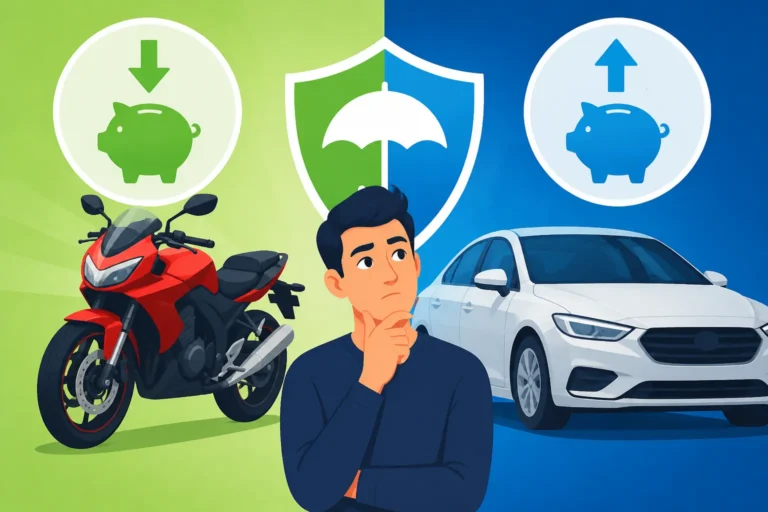
- Sport Bikes vs. Cruisers: This is a classic example. High-performance sport bikes, like a Kawasaki Ninja or a Yamaha R6, are often associated with higher speeds and increased accident risk, making them more expensive to insure. Cruisers, such as a Harley-Davidson Street Glide or an Indian Scout, generally have lower premiums because they're perceived as being ridden more cautiously and are less frequently involved in high-speed incidents. If you're eyeing a sport bike, prepare for potentially steeper insurance costs. You can learn more about Sport Bike Insurance Cost (Why So High) compared to Cruiser Motorcycle Insurance Cost.
- Engine Size (CC): Generally, the larger and more powerful the engine (higher CCs), the higher the insurance cost. A 1000cc superbike will almost always be more expensive to insure than a 300cc beginner bike. This is tied to the perceived performance capabilities and potential for higher damage or injury in an accident.
- Value and Theft Risk: More expensive motorcycles, or those with a higher theft rate, will also carry higher comprehensive and collision premiums. Think about specialized models or highly coveted bikes. Where you park your motorcycle can also influence this, especially if you live in an area with higher vehicle theft rates.
Key Factors Driving Your New Jersey Rates
Beyond your personal profile and your bike, several other significant factors specifically influence how much you'll shell out for motorcycle insurance in the Garden State. These elements often catch riders by surprise, but understanding them can help you budget more accurately and find ways to save.
Location, Location, Location within New Jersey
It’s not just that you live in New Jersey, but where you live in New Jersey that really matters. The density of traffic, crime rates, and even local weather patterns can subtly shift your premiums.
- Urban vs. Rural Areas: Riders living in densely populated urban areas like Newark, Jersey City, or Paterson generally face higher insurance rates. There's more traffic, a higher likelihood of accidents, and often increased rates of theft and vandalism in these areas. On the flip side, if you reside in a more rural part of the state, perhaps down in Cape May County or out in Warren County, your rates might be noticeably lower due to less traffic exposure and lower crime statistics.
- Local Claims History: Insurance companies analyze claims data right down to the ZIP code. If your area has a higher incidence of motorcycle accidents or thefts, everyone in that area might see slightly elevated rates, regardless of their personal record. This isn't personal, it's statistical.
Coverage Choices and Deductibles
The type and amount of coverage you choose are perhaps the most direct levers you have over your premium. Opting for minimum coverage versus full protection will yield vastly different costs.
- Minimum Coverage Requirements: Every state, including New Jersey, mandates a minimum level of liability insurance. While these minimums might seem appealingly cheap, they often don't provide adequate protection in a serious accident. If you're only carrying the bare minimum, you're exposing yourself to significant financial risk should you cause an accident. We'll detail New Jersey's specific requirements shortly. Choosing only the Minimum Liability Insurance Explained (The Three Numbers) is a common way people try to save, but it can be a risky gamble.
- Full Coverage Considerations: "Full coverage" typically refers to a policy that includes liability, collision, and comprehensive coverage. Collision covers damage to your bike in an accident (regardless of fault), and comprehensive covers non-collision events like theft, vandalism, fire, or hitting an animal. While more expensive upfront, these coverages offer far greater peace of mind and financial protection. For many riders, especially those with newer or financed bikes, this investment is well worth it. You can explore the differences between Liability-Only vs Full Coverage Cost to see which makes sense for you.
- Deductibles: Your deductible is the amount you pay out-of-pocket before your insurance kicks in for collision or comprehensive claims. A higher deductible generally means a lower premium, and a lower deductible means a higher premium. This is a balancing act: how much are you comfortable paying upfront if you have to file a claim, versus how much you want to save on your monthly payments?
Your Riding Record and History
As mentioned, your past actions on the road are a crystal ball for insurers. A clean record is your best friend when it comes to affordable rates.
- Accidents and Violations: Any at-fault accidents, speeding tickets, or other moving violations will likely increase your premiums for several years. The severity and number of these incidents directly correlate to the rate hike.
- Motorcycle Safety Course: Many insurance companies offer discounts if you've completed a state-approved motorcycle safety course, such as those offered by the New Jersey Motor Vehicle Commission or through private organizations. This demonstrates a commitment to safe riding and can often reduce your rates by 5-15%. It's a smart investment not just for skill improvement but for saving money. Does a Motorcycle Safety Course Lower Insurance?. Absolutely, in most cases!
Here's a quick look at how various factors can impact average monthly costs in New Jersey:
| Factor | Impact on Average Monthly Cost (Estimate) | Notes |
|---|---|---|
| Rider Age 20-24 | $100 – $180+ | Higher risk, less experience. |
| Rider Age 35-55 | $50 – $120 | Lower risk, more experience, stable record. |
| Sport Bike (e.g., Ninja 600) | $80 – $200+ | Higher performance, higher perceived risk. |
| Cruiser (e.g., Harley Street Glide) | $40 – $100 | Lower performance, lower perceived risk. |
| Urban Area (e.g., Newark) | $70 – $150+ | High traffic density, higher theft rates. |
| Rural Area (e.g., Cape May) | $35 – $90 | Lower traffic, lower theft rates. |
| Liability Only (NJ Minimum) | $30 – $70 | Cheapest option, but provides minimal protection. |
| Full Coverage | $60 – $150+ | Includes Collision, Comprehensive, better financial protection. |
| Clean Riding Record | Significant savings | No tickets or accidents, often qualifies for good driver discounts. |
| Recent Accident/Violation | 20-50% increase | Can significantly raise premiums for 3-5 years. |
Note: These are estimated ranges. Actual rates will vary based on your specific profile, bike, chosen coverages, and insurer.
Navigating New Jersey's Insurance Requirements
Understanding what's legally required in New Jersey is the foundation of getting insured. You can't just hop on your bike and ride; the state has specific rules you must follow to stay on the right side of the law. Ignoring these can lead to severe Penalties for Riding Without Insurance, including fines, license suspension, and even jail time. It’s not worth the risk, trust me.
Minimum Liability Coverage in New Jersey
New Jersey operates under a "no-fault" car insurance system, but motorcycles are generally treated differently and operate under a "tort" system for liability purposes, similar to most other states. This means that if you cause an accident, you are generally responsible for the damages and injuries of the other parties involved. To legally ride your motorcycle in New Jersey, you must carry at least the following liability coverage:
- $15,000 for bodily injury liability per person: This covers medical expenses and lost wages for a single person injured in an accident you cause.
- $30,000 for bodily injury liability per accident: This is the maximum amount your insurance will pay for all injuries in an accident you cause, regardless of how many people are hurt.
- $5,000 for property damage liability per accident: This covers damage to other people's property (like their vehicle, a fence, or a building) that you cause in an accident.
These are often expressed as 15/30/5. While these are the legal minimums, as a veteran rider, I'll tell you straight: these amounts are very low. A single hospital visit for a severe injury could easily exceed $15,000, leaving you on the hook for the rest out of your own pocket. Most experienced riders opt for significantly higher liability limits to truly protect their assets. You can delve deeper into Minimum Motorcycle Insurance in New Jersey and understand why these numbers are just the starting point.
Optional but Smart Coverages
While not legally required, several additional coverages are highly recommended for New Jersey riders. These go a long way in protecting you and your bike from the unpredictable nature of the road.
- Uninsured/Underinsured Motorist (UM/UIM) Coverage: New Jersey, like many states, has its share of uninsured drivers. If you're hit by someone who doesn't have insurance, or doesn't have enough insurance, Uninsured & Underinsured Motorist Coverage (UM/UIM), can protect you and your passengers. It covers your medical bills, lost wages, and even damage to your motorcycle in such scenarios. Given the risks, this is almost a non-negotiable for smart riders.
- Medical Payments (MedPay) Coverage: This coverage pays for your and your passengers' medical expenses resulting from a motorcycle accident, regardless of who was at fault. It can be a lifesaver, covering hospital stays, doctor visits, and even funeral expenses up to your policy limits. It’s an immediate buffer before health insurance or liability claims kick in. What is Medical Payments MedPay for Riders?. It's crucial for your personal protection.
- Collision Coverage: As discussed, this pays for damage to your motorcycle if it collides with another vehicle or object, or if you simply lay it down yourself. Essential if you have a newer, expensive, or financed bike.
- Comprehensive Coverage: This covers non-collision events like theft, vandalism, fire, natural disasters (hail, flood), or hitting an animal. Given the potential for bike theft, especially in more urban parts of New Jersey, this is a very wise investment. Learn about Does Motorcycle Insurance Cover Theft?.
- Accessories and Custom Parts Coverage: If you've invested in customizing your ride with aftermarket pipes, a new seat, or custom paint, standard policies might not cover their full value. This add-on ensures your unique modifications are protected. Accessories & Custom Parts Coverage Explained is a must-read for any rider who's put their personal touch on their bike.
Smart Strategies to Lower Your NJ Motorcycle Insurance Bill
Nobody wants to pay more than they have to, especially for insurance. The good news is there are plenty of proactive steps you can take to bring down those New Jersey motorcycle insurance premiums without sacrificing essential coverage. It takes a little effort, but the savings can be substantial. For a general overview, check out our guide on How to Get Cheap Motorcycle Insurance.
Shop Around and Compare Quotes
This is, hands down, the most effective strategy. Rates vary significantly between insurance companies for the exact same coverage. Don't make the mistake of sticking with the first quote you get or just renewing with your current auto insurer without checking competitors.
- Get Multiple Quotes: I always recommend getting at least 3-5 quotes from different providers. Companies like Progressive, Geico, Dairyland, and Markel are major players in the motorcycle insurance market and have a strong presence in New Jersey. Each insurer uses its own unique algorithms to assess risk and price policies, so what's expensive with one might be affordable with another.
- Use Comparison Tools: Online comparison platforms, like The Zebra, can be incredibly helpful. You enter your information once, and they'll pull quotes from multiple carriers, saving you a ton of time and effort. It's like having an insurance agent do the legwork for you, but at your fingertips. They're designed to show you a side-by-side comparison, highlighting potential savings. Don't underestimate the power of platforms like The Zebra to quickly identify which companies are offering the most competitive rates for your specific needs in New Jersey.
- Regularly Re-shop: Don't just shop once and forget about it. Your circumstances change, and so do insurance rates. I advise riders to compare quotes every year or two, or whenever you have a significant life event (new bike, move, marriage, tickets falling off your record). You might be surprised at the savings you can find just by taking an hour to re-evaluate your options.
Leverage Discounts
Insurance companies offer a surprising number of discounts, but they won't always automatically apply them. It's up to you to ask and ensure you're getting every credit you deserve.
- Multi-Policy/Bundling Discounts: This is one of the most common and significant discounts. If you have your car insurance, home insurance, or renters insurance with a particular provider, they'll often give you a discount for bundling your motorcycle policy with them. It streamlines your coverage and saves you money. Is Bundling Motorcycle and Auto Insurance: Worth It?. For most, yes, absolutely.
- Motorcycle Safety Course Discount: As mentioned earlier, completing an approved motorcycle safety course is a win-win. You become a better, safer rider, and you usually get a discount on your insurance.
- Experienced Rider/Good Driver Discount: If you have several years of riding experience with a clean record, you're likely eligible for a good driver discount. Don't be shy about asking your insurer about this.
- Anti-Theft Device Discount: If your motorcycle is equipped with an alarm system, GPS tracker, or other approved anti-theft devices, many insurers will reward you with a discount. This is especially valuable in areas of New Jersey where motorcycle theft might be a concern.
- Lay-Up or Seasonal Policy: If you're a fair-weather rider in New Jersey and store your bike for the winter months, some companies offer "lay-up" or seasonal coverage. This allows you to temporarily reduce your coverage (often keeping only comprehensive to protect against theft, fire, or vandalism) during the off-season, saving you money on collision and liability when you're not riding. This is a smart move for riders who garage their bikes from November to March. You can learn more about Seasonal Lay-Up & Winter Storage Insurance.
- Riding Association Discounts: Are you a member of the American Motorcyclist Association (AMA) or another recognized riding club? Some insurers offer discounts for members of these organizations, recognizing their commitment to responsible riding and community involvement.
By actively pursuing these strategies, New Jersey riders can significantly impact their insurance costs. Remember, being informed and proactive is your best tool for getting comprehensive protection at a price that works for your budget. Don't hesitate to use tools like The Zebra to make comparing quotes an easy and efficient process.
Understanding the Details of Your Policy
When you receive quotes, don't just look at the bottom-line number. Take the time to understand exactly what you're getting.
- Coverage Limits: Are you meeting the New Jersey state minimums, or are you opting for higher limits for better protection? Remember, those minimums might save you a little upfront, but they could cost you a fortune in a serious accident. For most riders, I always advocate for carrying more than the minimums for bodily injury and property damage.
- Deductibles: Review your collision and comprehensive deductibles. A higher deductible means a lower premium, but it also means more out-of-pocket if you make a claim. Make sure it's an amount you're comfortable paying.
- Exclusions: Know what's not covered. Some policies might exclude certain types of riding (like track days), or have limits on custom parts unless specifically added.
- Claims Process: Understand How to File a Motorcycle Insurance Claim should you ever need to. Knowing the steps beforehand can reduce stress during an already difficult time.
Making an informed decision means looking at the whole picture, not just the price tag. Your policy is your financial safety net, and in a state like New Jersey, with its diverse riding conditions and traffic, a good net is essential.
Disclaimer
Please remember that this article provides general information and estimates. Motorcycle insurance rates and requirements can change, and your specific situation will dictate your final premium. It's always best to get personalized quotes from multiple insurance providers and consult with a licensed insurance agent to ensure you have the coverage that best suits your individual needs and complies with current New Jersey laws.