Cheapest Motorcycle to Insure: Top Picks
Riding a motorcycle is an absolute freedom, but the joy can sometimes be overshadowed by the steep price tag of insurance. Many riders, especially those just starting out or looking to save some cash, quickly discover that insuring a bike can be surprisingly expensive, making them wonder if there's a secret formula to finding a more affordable ride. If you’re nodding your head, this guide is for you. We’re going to dive deep into which motorcycles typically offer the cheapest insurance rates and why, so you can hit the open road without breaking the bank.
Why Certain Motorcycles Are Cheaper to Insure
It’s not just random chance; insurance companies have very specific data points and risk assessments that determine your premium. Understanding these factors can help you choose a bike that won't punish your wallet every month.
Engine Size and Performance Metrics
When you talk about insurance costs, the engine is often the first thing an underwriter looks at. Larger, more powerful engines often mean higher speeds, greater acceleration, and, unfortunately, a statistically higher chance of severe accidents. Bikes with powerful engines also tend to be favored by riders who are more likely to push the limits, which translates to increased risk for insurers.
Consider a sportbike with a 1000cc engine, like a Yamaha R1 or a Kawasaki Ninja ZX-10R. These machines are designed for speed and aggressive riding. They accelerate incredibly fast and can reach very high top speeds, which makes them statistically riskier in the eyes of an insurance provider. Compare that to a 300cc cruiser, like a Honda Rebel 300. The Rebel has a much smaller engine, less horsepower, and is generally ridden at more moderate speeds. It’s seen as less of a risk, and therefore, the insurance premium tends to be significantly lower. It's a direct correlation: less power often equals less risk, which in turn means cheaper insurance. This is why you often hear that engine size (CC) affects insurance cost.
Bike Type and Intended Use
The category of motorcycle you choose plays a huge role in its insurance cost. Broadly, motorcycles are grouped into categories like cruisers, touring bikes, sportbikes, standards, dual-sports, and scooters. Each category carries a different risk profile for insurers.
- Sportbikes are almost universally the most expensive to insure. Their aggressive styling, high-performance engines, and association with younger, riskier riders push premiums sky-high. Think Ducati Panigale or Suzuki GSX-R.
- Cruisers (like Harley-Davidson models, Indian Scouts, or smaller metric cruisers) are typically much cheaper to insure. They’re designed for comfortable, relaxed riding, generally have lower top speeds, and are often ridden by more experienced, statistically safer riders. You can learn more about Cruiser Motorcycle Insurance Cost in a dedicated guide.
- Standard and Naked Bikes often fall somewhere in the middle. They offer a balance of performance and practicality. A Yamaha MT-07 or Kawasaki Z650 might be more expensive than a cruiser but still significantly less than a pure sportbike.
- Dual-Sport and Adventure Bikes (especially lower displacement ones) are also usually on the more affordable end, primarily because their performance is often more moderate, and they're built for versatility rather than outright speed.
- Scooters and Mopeds are almost always the cheapest to insure, often due to their small engines, low speeds, and urban-focused use. In fact, many states have different Moped & Scooter Insurance Requirements by State because of their lower risk profile.
Insurance companies are essentially looking at the likelihood of a claim and the potential cost of that claim. A high-speed crash on a sportbike is likely to result in more severe injuries and more expensive damage than a low-speed incident on a cruiser or scooter.
Value and Repair Costs
The sticker price of your motorcycle and the cost of its parts directly impact your comprehensive and collision coverage premiums. If a bike is expensive to buy, it’s expensive to replace or repair after an accident, vandalism, or theft.
Take, for instance, a brand-new, high-end touring bike with complex electronics and specialized fairings, or a custom build with unique, costly components. Replacing a fairing on a modern sportbike, with all its integrated sensors and lights, can easily run into thousands of dollars. An older, simpler motorcycle, perhaps a used Honda Nighthawk from the 90s, would have much cheaper parts and a lower overall value. If the bike is totaled, the payout from the insurer would be significantly less for the older, cheaper model. This difference in potential payout risk directly affects your premium. Companies like The Zebra often highlight how the depreciated value of older bikes contributes to lower insurance costs. Even for a financed bike, its initial value plays a role in Motorcycle Insurance Cost for a Financed Bike.
Top Picks for Cheapest Motorcycles to Insure
Based on the factors we just discussed—smaller engines, relaxed riding styles, and lower overall value—certain types and models of motorcycles consistently emerge as the cheapest to insure. These aren't necessarily the flashiest or fastest bikes, but they offer incredible value and accessibility for riders conscious of their budget.
Entry-Level Cruisers
These bikes are built for comfort and style, with engines designed for smooth power delivery rather than blistering speed. They're often seen as less aggressive and are popular among new and experienced riders alike who prefer a laid-back ride.
- Honda Rebel 300/500: The Honda Rebel series, particularly the 300 and 500cc models, is a fantastic choice. These bikes are lightweight, have low seat heights, and their engines are manageable for beginners. The 300cc single-cylinder and 500cc parallel-twin offer enough power for city riding and highway cruises without being intimidating. Their classic cruiser styling is timeless, and their reliability is legendary. Insurance companies love them because they're not typically associated with high-risk riding.
- Kawasaki Vulcan S: While a bit larger at 650cc, the Kawasaki Vulcan S is still considered an entry-level friendly cruiser due to its ergonomic adjustability (Kawasaki Ergo-Fit allows you to tailor the seat, pegs, and handlebars) and user-friendly parallel-twin engine. Its modest power output and comfortable riding position contribute to lower insurance rates compared to sportier bikes of similar displacement.
- Suzuki Boulevard S40: This bike is a bit of a throwback with its single-cylinder thumper engine. At 652cc, it might sound big, but it’s a very mild-mannered, air-cooled engine that's easy to handle. The Boulevard S40 is lightweight, simple, and has a very traditional cruiser feel. Its lower performance profile makes it quite affordable to insure.
Standard and Naked Bikes (Smaller Displacement)
Standard or naked bikes are versatile, upright motorcycles without extensive fairings. Smaller displacement models in this category offer a great balance of performance and practicality, often making them a sweet spot for affordable insurance.
- Kawasaki Z400 / Ninja 400: These twin bikes share the same fantastic 399cc parallel-twin engine. The Z400 is the naked version, and the Ninja 400 is the fully-faired sportbike. While the Ninja 400 might look like a sportbike, its smaller engine keeps insurance costs significantly lower than its larger 600cc+ brethren. The Z400, being a naked standard, often has even slightly lower rates. Both are incredibly fun and capable bikes, perfect for learning or commuting.
- Honda CB300R / CB500F: Honda's CB series naked bikes are known for their reliability, ease of use, and modern styling. The 300R features a lightweight single-cylinder engine, making it super nimble and forgiving. The 500F offers a bit more power with its parallel-twin, but it's still a very approachable and sensible bike. Both bikes provide a comfortable upright riding position, which generally translates to lower risk in the eyes of insurers.
- Yamaha MT-03: The MT-03 is Yamaha's entry-level naked bike, sharing its 321cc parallel-twin engine with the R3 sportbike. Like the Kawasaki 400s, the MT-03 offers a sporty feel without the exorbitant insurance premiums of larger sportbikes. Its aggressive styling is tempered by its manageable power, making it a popular choice for new riders.
Dual-Sport and Adventure Bikes (Lower CCs)
Dual-sport and adventure bikes are designed to handle both paved roads and light off-road trails. Lower displacement models in this category are often incredibly practical, durable, and, thankfully, cheap to insure. Their less aggressive on-road performance is a key factor.
- Kawasaki KLX230/300 / KLR650: The KLX series, particularly the 230 and 300, are excellent entry-level dual-sports. They are lightweight, tall, and have simple, reliable engines. Even the legendary KLR650, despite its larger engine, is known for its utilitarian nature and mild-mannered performance, making it surprisingly affordable to insure for its size. These bikes are built for exploration, not speed records, which insurance companies appreciate.
- Honda CRF300L: Similar to Kawasaki's offerings, the Honda CRF300L is a fantastic lightweight dual-sport. Its 286cc single-cylinder engine is dependable and easy to manage. It’s built for fun on backroads and trails, and its road performance isn't going to set any speed records, which helps keep insurance costs down.
- Suzuki DR200S / DR-Z400S: Suzuki offers compelling dual-sport options. The DR200S is a super lightweight and beginner-friendly option, making it very cheap to insure. The DR-Z400S, with its slightly larger 398cc engine, is a long-standing favorite known for its reliability and off-road prowess, but its on-road performance is still modest enough to keep insurance premiums reasonable.
Scooters and Mopeds
If your primary need is inexpensive, practical transportation, scooters and mopeds are almost unbeatable for low insurance costs.
- Honda PCX / ADV150: Honda's scooters are renowned for their efficiency and reliability. The PCX and ADV150 offer comfortable rides, ample storage, and fantastic fuel economy. Their small engines (150cc) and low top speeds make them among the cheapest two-wheelers to insure.
- Yamaha Zuma 125 / NMAX 155: Yamaha's scooters provide a sporty edge while maintaining practicality. The Zuma 125 is rugged and fun, while the NMAX 155 offers a more premium, comfortable ride. Both fall into the ultra-low insurance cost bracket due to their small engines and urban-focused design.
- Vespa (Various 50cc-150cc models): While Vespas might have a higher purchase price due to their iconic styling and brand appeal, their smaller engine sizes mean their insurance premiums remain very low. They are symbols of relaxed, stylish urban commuting, not high-speed risk. Check out if Do You Need Insurance for a 50cc Scooter? for specific requirements.
These bikes represent the general categories and specific models that tend to be the most insurance-friendly. However, remember that specific quotes will vary based on your individual circumstances.
Factors Beyond the Bike That Influence Insurance Costs
Even if you pick one of the cheapest bikes to insure, your premium isn't solely determined by your choice of motorcycle. Several other significant factors related to you, your history, and your environment play a massive role. It’s a holistic picture, and every piece contributes to the final quote.
Rider Demographics and Experience
This is one of the most critical elements. Insurance companies are big on statistics, and they’ve found clear correlations between certain demographics and risk.
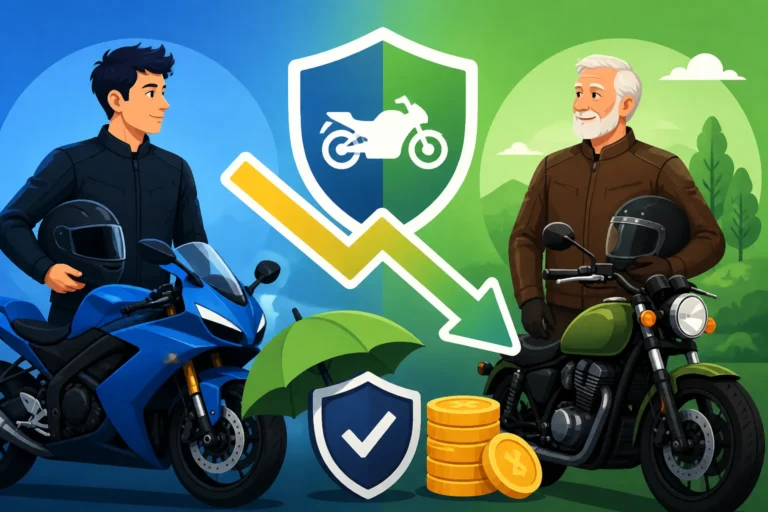
- Age: Younger riders, especially those under 25, typically face the highest premiums. Statistics show they are more prone to accidents due to less experience and sometimes riskier behavior. As you get older and gain more riding experience, your rates tend to decrease, often significantly once you hit your mid-20s and beyond. For instance, you might wonder How Much Does Motorcycle Insurance Go Down at 25?.
- Riding Experience: Insurers love experienced riders. Having several years under your belt with a clean record demonstrates responsibility. A new rider, regardless of age, will generally pay more. This is why getting your motorcycle endorsement early and maintaining a clean record is crucial.
- Motorcycle Safety Courses: Completing an approved motorcycle safety course, like those offered by the Motorcycle Safety Foundation (MSF), often qualifies you for a discount. It shows insurers you're serious about safe riding and have received professional training. Many companies offer a discount for this, which can help offset some of the initial costs, and it's a topic we cover in depth in Does a Motorcycle Safety Course Lower Insurance?.
Location and Storage
Where you live and how you store your motorcycle also weigh heavily on your insurance rates.
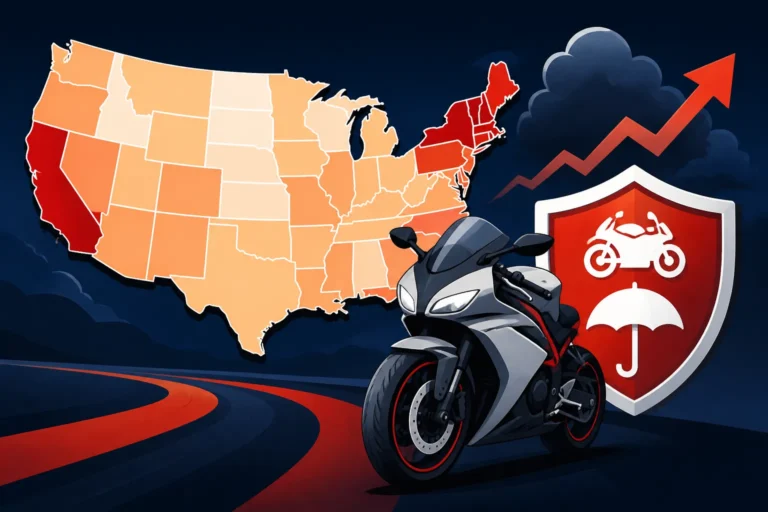
- Geographic Location: Living in a densely populated urban area, like Los Angeles or Miami, usually means higher premiums than living in a rural area in, say, Montana. More traffic, more opportunities for accidents, and higher rates of theft in urban centers contribute to this. Even within a state, rates can vary drastically from one zip code to another. You can dive deeper into Average Motorcycle Insurance Cost by State to see these differences.
- Storage: How you park your bike matters. If your motorcycle is stored in a locked garage overnight, it's considered less of a theft risk than if it's consistently parked on the street. Providing proof of secure storage can sometimes lead to a discount on your comprehensive coverage.
Coverage Choices and Deductibles
The type and amount of coverage you choose have a direct and substantial impact on your premium.
- Liability Only vs. Full Coverage: This is perhaps the biggest differentiator. Basic liability insurance, which covers damage and injuries you cause to others, is typically the cheapest. Full coverage, which adds collision (damage to your own bike in an accident) and comprehensive (theft, vandalism, natural disaster, animal strikes), will significantly increase your premium. While liability is often the legal minimum, you might need more. Understanding Minimum Liability Insurance Explained The Three Numbers is a good starting point.
- Deductibles: A deductible is the amount you pay out-of-pocket before your insurance kicks in for a claim. Choosing a higher deductible (e.g., $1000 instead of $250) will lower your premium, but means you'll pay more upfront if you have a claim. It’s a balancing act: save on premiums now, or save on potential repair costs later?
- Optional Coverages: Add-ons like roadside assistance, custom parts and accessories coverage, or gap insurance will also increase your premium. While some are incredibly valuable, adding too many without careful consideration can quickly inflate your costs.
Driving Record and Claims History
Your past behavior on the road is a crystal ball for insurers. They use it to predict your future risk.
- Traffic Violations: Speeding tickets, reckless driving citations, or other moving violations will almost certainly lead to higher insurance rates. Insurers see these as indicators of risky behavior.
- Accidents: If you've been involved in previous motorcycle or even car accidents, especially if you were at fault, your rates will likely be higher. Too many accidents can make you a "high-risk" driver, sometimes requiring an SR-22 filing. We have a detailed guide on How Much Is Motorcycle Insurance After an Accident?.
- DUIs/DWIs: A DUI or DWI is a major red flag for insurance companies and will result in a substantial increase in your premiums, often requiring an SR-22 filing for several years, which itself adds to the cost.
All these factors combine to create your unique rider profile, and that profile, along with your chosen bike, determines your final insurance premium.
Strategies to Secure the Best Rates
Finding affordable motorcycle insurance isn't just about picking the right bike; it's also about being a smart shopper and a responsible rider. Even with a typically "expensive" bike, these strategies can help you shave dollars off your annual premium.
Shop Around and Compare Quotes
This is, hands down, the most crucial step you can take. Never settle for the first quote you receive. Insurance rates vary wildly between providers for the exact same coverage because each company has its own underwriting algorithms and risk assessments. One company might specialize in sportbike insurance and offer competitive rates, while another might be better for cruisers.
Think about it like this: if you were buying a new helmet, would you just walk into the first store and buy the first one you saw? Probably not. You'd compare brands, features, and prices. The same goes for insurance. Use online comparison tools or work with an independent agent who can shop multiple carriers for you. Websites like The Zebra allow you to input your information once and receive quotes from several different insurance providers, giving you a comprehensive overview of the market. This saves you a ton of time and ensures you’re seeing a wide range of options, from national carriers like Progressive and Geico to more specialized motorcycle insurers like Dairyland or Markel. Don't be afraid to ask for quotes from at least 3-5 different companies. Comparing Cheapest Motorcycle Insurance Companies is a great place to start.
Take a Motorcycle Safety Course
As mentioned earlier, completing an approved motorcycle safety course is not just about becoming a better, safer rider—it's also often a direct path to lower insurance premiums. The Motorcycle Safety Foundation (MSF) Basic RiderCourse is recognized nationwide and can significantly reduce your risk profile in the eyes of insurers.
When you complete a safety course, you gain valuable skills in hazard avoidance, braking, and cornering, which makes you less likely to be involved in an accident. Insurance companies reward this proactive approach to safety. Most major insurers offer a discount for course completion, and some might even mandate it for young or inexperienced riders. It’s an investment that pays off both in terms of your safety and your wallet. Be sure to ask your insurance provider about their specific safety course discounts when you're getting quotes.
Inquire About Discounts
Discounts are your best friend when it comes to lowering insurance costs. Many riders leave money on the table simply because they don't know what discounts are available or don't ask for them. Here's a quick rundown of common discounts you should always inquire about:
- Multi-Policy/Bundling: If you insure your car, home, or even renters' insurance with the same company, you can often get a significant discount on your motorcycle policy. This is why it’s worth considering Bundling Motorcycle and Auto Insurance Worth It?.
- Experienced Rider: Long-term, claim-free riders often qualify for loyalty or experienced rider discounts.
- Anti-Theft Devices: If your bike has an alarm system, GPS tracker, or is stored in a locked garage, you might be eligible for a discount on your comprehensive coverage.
- Paid-in-Full: Paying your annual premium upfront, rather than in monthly installments, can often net you a small discount.
- Motorcycle Club/Association: Some insurers offer discounts to members of approved motorcycle organizations or clubs.
- Safety Features: Bikes with anti-lock braking systems (ABS) or other advanced safety features may also qualify for discounts.
Always ask your agent or check online for a full list of available discounts. You’d be surprised how much you can save!
Adjust Coverage Levels
While you never want to be underinsured, especially on a motorcycle, carefully reviewing your coverage levels and deductibles can lead to significant savings.
- Re-evaluate Full Coverage on Older Bikes: If you have an older, less valuable bike, or one that’s fully paid off, you might consider if comprehensive and collision coverage are still worth the cost. If the annual premium for these coverages starts to approach or exceed a significant percentage of the bike's actual cash value, it might make sense to switch to liability-only. Just remember, this means you’ll be responsible for all repair or replacement costs for your own bike if something happens. This decision is also crucial if you're wondering Do You Need Full Coverage on a Paid-Off Motorcycle?.
- Higher Deductibles: We touched on this, but it's worth reiterating. By increasing your deductible for collision and comprehensive coverage, you can lower your monthly premiums. Just make sure you have enough in savings to cover that deductible if you ever need to file a claim.
- Uninsured/Underinsured Motorist Coverage: While highly recommended, especially given the number of uninsured drivers out there, you can adjust the limits of this coverage. Make sure you understand Uninsured & Underinsured Motorist Coverage UM/UIM before making changes.
- Medical Payments (MedPay): Some states offer MedPay, which covers medical expenses for you and your passengers regardless of fault. While beneficial, adjusting this coverage might also affect your premium.
Always remember that the goal is to find the sweet spot between adequate protection and affordable cost. Don't strip away essential coverage to save a few bucks if it leaves you vulnerable to massive out-of-pocket expenses later.
Motorcycle Insurance Cost Comparison Table: Example Bike Types
To give you a clearer picture, here's a simplified table comparing how different bike types generally fare in terms of insurance costs. Keep in mind, these are illustrative and real costs vary widely.
| Motorcycle Type | Typical Engine Size | Risk Profile for Insurers | General Insurance Cost Tendency | Example Models |
|---|---|---|---|---|
| Scooter/Moped | 50cc – 150cc | Very Low: Low speed, urban use, minimal damage potential. | Lowest | Honda PCX, Yamaha Zuma, Vespa Primavera |
| Entry-Level Cruiser | 250cc – 650cc | Low: Moderate power, relaxed riding style, often ridden by experienced riders. | Low | Honda Rebel 300/500, Kawasaki Vulcan S, Suzuki S40 |
| Small Standard/Naked | 300cc – 500cc | Low to Medium: Good balance of power and handling, upright position, less emphasis on extreme speed than sportbikes. | Low to Medium | Honda CB300R/CB500F, Kawasaki Z400, Yamaha MT-03 |
| Lower CC Dual-Sport/ADV | 250cc – 650cc | Low to Medium: Versatile but typically moderate road performance, durable, not primarily speed-focused. | Low to Medium | Kawasaki KLX300, Honda CRF300L, Suzuki DR-Z400S |
| Mid-Size Cruiser | 750cc – 1200cc | Medium: More power than entry-level, but still designed for comfort and touring. | Medium | Harley-Davidson Iron 883, Indian Scout, Yamaha V-Star |
| Mid-Size Standard/Naked | 600cc – 900cc | Medium to High: More performance-oriented than smaller standards, higher top speeds, but not full sportbike aggression. | Medium to High | Kawasaki Z650, Yamaha MT-07, Suzuki SV650 |
| Large Touring | 1300cc+ | Medium: High value and complex repairs can increase comprehensive/collision, but rider demographic tends to be older/safer. | Medium | Honda Gold Wing, Harley-Davidson Ultra Limited |
| Sportbike | 600cc – 1000cc+ | Very High: Extreme performance, high accident rates, favored by younger/riskier demographics, very expensive to repair. | Highest | Yamaha R6/R1, Suzuki GSX-R, Kawasaki Ninja ZX-6R |
Disclaimer
Please remember that this article is for informational purposes only and should not be considered financial or legal advice. Motorcycle insurance requirements and costs vary significantly by state, individual circumstances, and specific policy details. Always consult with a licensed insurance professional to get personalized quotes and understand the exact coverage that is right for you. Prices and availability of coverage are subject to change.