How to File a Motorcycle Insurance Claim in Michigan
Dealing with a motorcycle accident is one of the most stressful things a rider can experience, and the aftermath of an incident, especially navigating insurance claims, can feel incredibly overwhelming. In Michigan, the unique complexities of our state's no-fault laws add an extra layer of confusion that often leaves motorcyclists scratching their heads. This comprehensive guide is here to walk you through exactly how to file a motorcycle insurance claim in Michigan, demystifying the process and providing actionable steps to help you get back on the road.
Understanding Michigan's Unique No-Fault System for Motorcyclists
Michigan is famous (or infamous, depending on who you ask) for its no-fault insurance system. However, for those of us on two wheels, it's crucial to understand that motorcycles are treated quite differently than passenger vehicles under these laws, especially when it comes to personal injury protection (PIP) benefits. This distinction can be a major source of frustration and misunderstanding, but knowing the rules upfront is your best defense.
How Michigan No-Fault Differs for Riders
When you're involved in a car accident in Michigan, your own auto insurance typically pays for your medical expenses and lost wages, regardless of who was at fault. This is the core of "no-fault." However, this doesn't directly apply to motorcycle policies in the same way. If you're injured in a motorcycle accident, your motorcycle insurance policy itself generally does not provide PIP benefits. This is a critical piece of information that many riders overlook until it's too late.
Instead, if your motorcycle accident involves a motor vehicle (like a car or truck), you might be eligible to claim PIP benefits from the auto insurer involved in the accident. This could be the insurer of the car you collided with, the car that hit you, or even your own personal auto insurance policy if you have one. If you or a resident relative has a car insurance policy, that's often where your PIP benefits would come from in a motorcycle-car collision. If you're involved in a motorcycle-only accident, like laying your bike down or hitting a deer, your health insurance would typically cover your medical expenses, not your motorcycle policy's PIP. This can be a rude awakening for riders who assume their motorcycle policy offers the same medical protection as a car policy. It underscores the importance of understanding all aspects of your coverage, including your health insurance plan and your auto policy, if applicable.
Key Coverages Essential for Michigan Motorcycle Claims
Navigating the claim process effectively means knowing what your policy actually covers. In Michigan, while the no-fault aspects for motorcycles are unique, the fundamental types of coverage remain vital for financial protection. It's not just about what's legally required, but what truly protects you.
- Liability Coverage: This is the bedrock of any insurance policy and is mandatory in Michigan for motorcycles, much like it is for cars. It covers damages and injuries you might cause to other people or their property if you are at fault in an accident. Michigan's minimum liability limits are 20/40/10, meaning $20,000 for bodily injury per person, $40,000 for bodily injury per accident, and $10,000 for property damage. For those who want a deeper dive, understanding what these numbers really mean can be found in our guide on Minimum Liability Insurance Explained The Three Numbers. However, many riders choose to carry higher limits than the state minimums because accident costs can quickly exceed these amounts, leaving you personally liable for the difference.
- Collision Coverage: This pays for damages to your own motorcycle if you're involved in a collision, regardless of who was at fault. Whether you hit another vehicle, a stationary object, or even lay your bike down, collision coverage helps with the repair or replacement costs of your motorcycle. For financed bikes, this coverage is almost always required by the lender.
- Comprehensive Coverage: This is your shield against non-collision incidents. Think theft, vandalism, fire, natural disasters, or hitting an animal (which is surprisingly common for riders, especially deer in Michigan's rural areas). If your bike is stolen, comprehensive coverage is what will help you recover. It's a lifesaver when the unexpected happens outside of a typical crash scenario.
- Uninsured/Underinsured Motorist (UM/UIM) Coverage: Given Michigan's unique no-fault landscape for motorcycles, this coverage becomes exceptionally important for riders. UM/UIM protects you if you're injured or your bike is damaged by a driver who has no insurance, or not enough insurance to cover your costs. Since your motorcycle policy doesn't typically provide PIP for your injuries, your UMBI (Uninsured Motorist Bodily Injury) coverage can be a crucial source of funds for medical bills and lost wages if an uninsured driver hits you. This is a vital conversation to have with your insurer, and we have a dedicated guide on Uninsured & Underinsured Motorist Coverage UM/UIM that you might find incredibly helpful.
Immediate Steps After a Motorcycle Accident in Michigan
The moments immediately following a motorcycle accident are often chaotic and frightening. Your adrenaline is pumping, and it can be hard to think clearly. However, taking the right steps in these critical minutes can significantly impact the success of your insurance claim later on. It’s about protecting your health, documenting the scene, and ensuring you have the necessary information.
Prioritizing Safety and Seeking Medical Attention
Your safety and well-being are paramount. Before anything else, assess yourself and anyone else involved for injuries. Even if you feel fine, adrenaline can mask pain, and some injuries might not be immediately apparent.
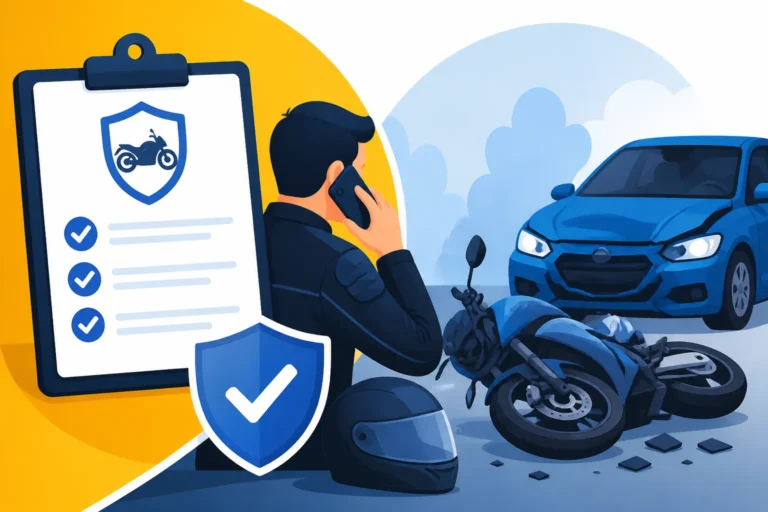
First, check yourself for injuries. Seriously, take a moment. If you're injured, or if anyone else is, call 911 immediately. Don't try to tough it out. In Michigan, especially with the unique no-fault rules for motorcycles, getting medical attention promptly not only ensures your health but also creates an official record of your injuries, which is vital for any subsequent claim. If you can, move yourself and your motorcycle out of the flow of traffic to a safer location, but only if it's safe to do so. If your bike is leaking fluids or blocking traffic in a dangerous spot, it might be safer to leave it and get yourself to safety first. The police will create an accident report, which is an indispensable document for your insurance claim. This report details the accident's circumstances, involved parties, and often includes initial findings on fault, making it a cornerstone for understanding What to Do After a Motorcycle Accident Insurance Steps.
Gathering Crucial Information at the Scene
Once immediate safety and medical needs are addressed, the next step is to gather as much information as possible. This is where your inner detective comes out. The more details you collect at the scene, the smoother your claim process will be.
Make sure to get the full contact and insurance information from any other drivers involved. This includes their name, phone number, email, driver's license number, license plate number, and their insurance company and policy number. Don't just take their word for it; snap photos of their driver's license and insurance card with your phone. You should also collect contact information from any witnesses who saw the accident. Their unbiased accounts can be invaluable, especially in Michigan where fault can be a contested issue for property damage and certain injury claims. Crucially, take photos and videos of everything: your motorcycle, the other vehicles, the accident scene from various angles, road conditions, traffic signs, and any visible injuries you or your passenger sustained. Documenting tire marks, debris on the road, and the position of vehicles can also be incredibly helpful. Finally, get the police report number and the names and badge numbers of the officers who responded. This report will be critical when dealing with insurance companies like Progressive or any other insurer involved.
Notifying Your Insurance Company Promptly
As soon as you've handled the immediate aftermath and are in a safe place, contact your insurance provider. Don't delay. Most policies require you to notify them of an accident within a specific timeframe, and delaying can sometimes complicate your claim.
When you call your insurance company, they will open a claim and assign a claims adjuster to your case. Be prepared to provide the details you gathered at the scene. Stick to the facts you know and avoid speculating or admitting fault, even if you think you might be partially responsible. Let the investigation determine fault. The first call is typically just to initiate the process. You'll likely need to provide the police report number, contact information for other parties, and a general overview of what happened. They might ask about your injuries and the damage to your motorcycle. Remember, this isn't the time to negotiate or make final decisions; it's simply to inform them of the incident. Prompt notification ensures your claim gets into the system quickly, helping to avoid any potential issues down the line regarding timely reporting.
The Motorcycle Insurance Claim Process in Michigan: A Step-by-Step Guide
Once the initial shock and immediate steps are behind you, the real work of filing your insurance claim begins. This process involves a series of steps, from formally initiating the claim to getting your bike repaired and ultimately receiving a settlement. While it can feel daunting, breaking it down makes it much more manageable.
Initiating Your Claim and Working with an Adjuster
After your initial notification, your insurance company will officially open your claim. You'll be assigned a claims adjuster, who is essentially the primary point of contact for your claim and will oversee the entire process. This person will investigate the accident, determine coverage, and ultimately authorize repairs or settlement payouts.
Your adjuster will need all the documentation you've collected: the police report, photos, witness statements, and any initial medical records. They might also want a detailed statement from you about how the accident occurred. Be thorough and honest, but again, stick to the facts and don't speculate on fault. The adjuster's job is to gather all the necessary information to make a decision, which includes assessing the damage to your motorcycle and understanding the full extent of your injuries. Maintaining open communication with your adjuster is key; respond to their requests promptly and keep detailed records of all your interactions, including dates, times, and summaries of conversations. This proactive approach helps ensure your claim progresses smoothly.
Damage Assessment and Repair Estimates
One of the most immediate concerns after a motorcycle accident is getting your beloved bike fixed. This stage focuses on evaluating the damage and determining the cost of repairs.
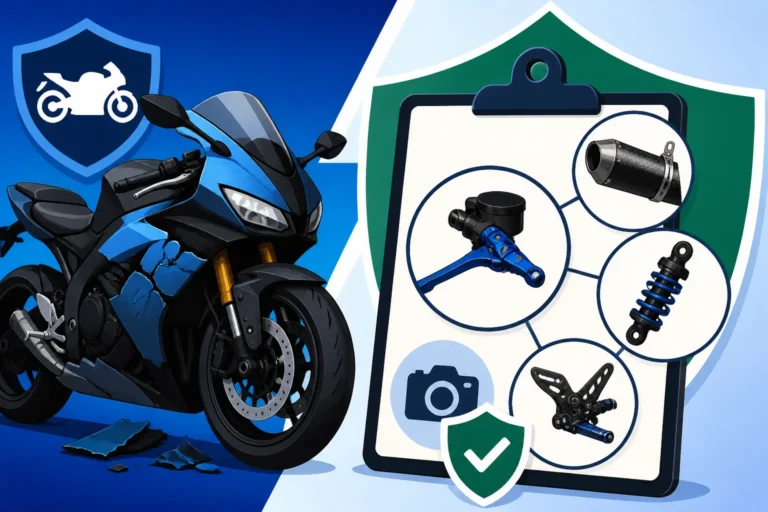
Your adjuster will arrange for your motorcycle to be inspected. This might involve taking it to a preferred repair shop, or you might be able to choose a shop yourself and have the adjuster work with them. The repair shop will provide an estimate for the necessary repairs, including parts and labor. Sometimes, especially with severe damage, your motorcycle might be deemed a "total loss." This means the cost to repair it exceeds a certain percentage of its actual cash value (ACV) or an agreed-upon threshold set by the state or your policy. If your motorcycle is totaled, understanding What Happens When Your Motorcycle Is Totaled? is crucial. The insurer will then offer you a settlement based on your bike's value before the accident, factoring in depreciation. It's important to review this offer carefully, especially if you have custom parts or modifications. Our guide on Agreed Value vs Stated Value vs Actual Cash Value can help you understand how your bike's value is determined in these situations.
Settlement and Payout
The final stage of the claim process is the settlement and payout. This is where the insurance company provides compensation for your damages and injuries, based on their investigation and your policy's terms.
Once the repair estimates are approved or a total loss value is agreed upon, the insurance company will issue payment. For repairs, they might pay the repair shop directly, or they might send a check to you, which you then use to pay the shop. If your bike is a total loss, they will send you a check for the agreed-upon value, less your deductible. If other parties were involved, and you suffered injuries or property damage caused by them, their liability insurance would come into play. In Michigan, if another driver is at fault for your property damage, their insurance will cover the repairs to your motorcycle. For injuries, as mentioned, it gets more complex, often involving auto PIP or your health insurance. If you are hit by an uninsured driver, your UM/UIM coverage will be vital here. Always review the settlement offer carefully. If you believe it's too low or doesn't cover all your damages, don't hesitate to negotiate. Sometimes, especially in complex injury cases or total loss situations, having a lawyer review the offer can be beneficial. It's not uncommon for negotiations to take some time, so understanding How Long Does a Motorcycle Insurance Claim Take? can help manage your expectations.
| Michigan Motorcycle Accident Claim Checklist |
|---|
| Immediate Steps (At Scene) |
| 1. Check for injuries (yours and others) |
| 2. Call 911 (Police & Ambulance) |
| 3. Move to a safe location (if possible) |
| 4. Exchange driver/insurance info |
| 5. Collect witness contact details |
| 6. Take extensive photos/videos |
| 7. Get police report number & officer details |
| Post-Scene Actions |
| 8. Notify your insurance company ASAP |
| 9. Seek medical evaluation (even if minor injury) |
| 10. Document all medical treatments & expenses |
| 11. Provide adjuster with all gathered info |
| 12. Cooperate with damage assessment/estimates |
| 13. Review settlement offer carefully |
| 14. Keep detailed records of all communications |
Common Challenges and Tips for Michigan Motorcycle Claims
Even with a clear understanding of the steps, filing a motorcycle insurance claim in Michigan can present unique hurdles. The state's distinct insurance laws, combined with the nuances of motorcycle claims, mean that riders often face challenges that require extra diligence and knowledge.
Navigating Michigan's Unique No-Fault Nuances
The biggest hurdle for Michigan motorcyclists is the no-fault system itself, specifically how it applies (or doesn't apply directly) to personal injury protection on your motorcycle policy. It's a common misconception that your motorcycle insurance automatically covers your medical bills in a no-fault state. As we discussed, if your accident involves a car, your PIP benefits for your injuries typically come from an auto insurance policy—either the other driver's, your own auto policy, or a resident relative's auto policy. If no car is involved, your health insurance is usually the primary payer for your medical treatment. This means you need to be acutely aware of all your insurance coverages—motorcycle, auto, and health—to ensure you're adequately protected.
This complex interplay can lead to delays or denials if not handled correctly, often requiring you to deal with multiple insurance companies. If you're involved in a collision with an uninsured or underinsured motorist, the situation becomes even more complicated, making How to File a Claim When Hit by an Uninsured Driver an essential read. In these situations, your own UM/UIM coverage on your motorcycle policy is your lifeline for medical expenses, lost wages, and pain and suffering. If you find yourself in a particularly complex situation, especially involving significant injuries or disputes over fault, consulting with a personal injury attorney experienced in Michigan motorcycle accidents can be invaluable. They can help navigate the specific tort thresholds for suing for non-economic damages and ensure all avenues for compensation are explored.
Maximizing Your Claim and Avoiding Pitfalls
Successfully navigating your claim isn't just about following steps; it's about being proactive and informed. There are several strategies you can employ to help ensure you receive a fair settlement and avoid common mistakes that could jeopardize your claim.
First and foremost, be meticulous with documentation. Every piece of information—photos, medical records, police reports, repair estimates, communication logs with your insurer—should be carefully organized and accessible. This evidence is your strongest advocate. Secondly, never admit fault at the scene or to anyone other than your lawyer. Even a casual apology can be misconstrued as an admission of guilt, which can significantly impact liability determinations. It's the job of the insurance companies to investigate and determine fault. Third, understand your policy limits and coverages before an accident happens. This foresight is incredibly powerful. Knowing what your policy covers, including specifics like Accessories & Custom Parts Coverage Explained, helps you assess settlement offers realistically. Many riders, especially those with custom bikes or expensive gear, find that standard coverage limits might not be enough. This is where tools from companies like The Zebra can be incredibly useful when you're initially shopping for insurance. They allow you to compare various quotes and coverage options from different providers, like Progressive, ensuring you get the right balance of protection and cost. Being proactive about your coverage choices means you're not caught off guard when a claim needs to be filed. Finally, if you feel your claim is being undervalued or unfairly denied, don't hesitate to push back or seek professional legal advice. Your voice matters in this process, and you have rights as a policyholder.
Disclaimer
The information provided in this article is for general informational purposes only and does not constitute legal, financial, or insurance advice. Motorcycle insurance laws and regulations, particularly in Michigan, are complex and subject to change. Always consult with a qualified insurance professional or legal expert to discuss your specific situation and ensure compliance with all applicable laws.