How to File a Motorcycle Insurance Claim in Ohio
Getting into a motorcycle accident is a heart-stopping, terrifying experience, and dealing with the aftermath can feel overwhelming, especially when you’re trying to navigate the complexities of insurance claims. When you're trying to heal and get back on the road, the last thing you need is a confusing, drawn-out process. This comprehensive guide will walk you through exactly how to file a motorcycle insurance claim in Ohio, detailing the steps, requirements, and what to expect so you can focus on what truly matters: your recovery.
Understanding Ohio's Insurance Landscape for Riders
Before you even think about filing a claim, it's crucial to understand the ground rules here in Ohio. The state has specific regulations that dictate how insurance claims are handled, and knowing these details upfront can save you a lot of headaches and potential financial surprises down the line.
At-Fault State Rules and Your Responsibility
Ohio operates under an "at-fault" or "tort" insurance system, which means that the person who causes the accident is financially responsible for the damages and injuries that result. This is a significant difference from "no-fault" states, where your own insurance would typically pay for your medical expenses regardless of who caused the crash. In an at-fault state like Ohio, establishing fault is paramount. If you're involved in a collision, your insurance company, or the other driver's insurance company, will investigate to determine who was primarily responsible. The higher the percentage of fault assigned to the other party, the more of their insurance coverage will apply to your damages.
It's not always a black-and-white situation, either. Ohio also has what's called a "modified comparative fault" rule with a 50% bar. This means that if you are found to be 50% or more at fault for the accident, you won't be able to recover any damages from the other party. If you are found to be less than 50% at fault (e.g., 20% at fault), your compensation will be reduced by your percentage of fault. For example, if you sustained $10,000 in damages but were 20% at fault, you would only be able to recover $8,000 from the other driver's insurance. This is why thorough documentation and clear communication are absolutely critical.
Minimum Coverage Requirements in Ohio
Every rider on Ohio roads needs to carry at least the state's minimum liability insurance. It’s not just a good idea; it's the law, and failing to have it can lead to serious penalties, as outlined in guides like Penalties for Riding Without Insurance. In Ohio, these minimums are often referred to as 25/50/25:
- $25,000 for bodily injury liability per person: This covers medical expenses, lost wages, and pain and suffering for one person injured in an accident you cause.
- $50,000 for total bodily injury liability per accident: This is the maximum amount your insurance will pay for all injuries if more than one person is hurt in an accident you cause.
- $25,000 for property damage liability per accident: This covers damage to other people's vehicles or property in an accident you cause.
While these are the legal minimums, many experienced riders will tell you they are often insufficient. An accident can easily result in medical bills and property damage that far exceed these amounts. If your damages exceed the other driver's liability limits, you could be left footing the bill yourself. This is where your own Uninsured & Underinsured Motorist Coverage (UM/UIM) becomes a lifesaver, covering your costs when the at-fault driver either has no insurance or not enough. For a deeper dive into these figures, check out Minimum Liability Insurance Explained (The Three Numbers).
Immediate Steps After a Motorcycle Accident in Ohio
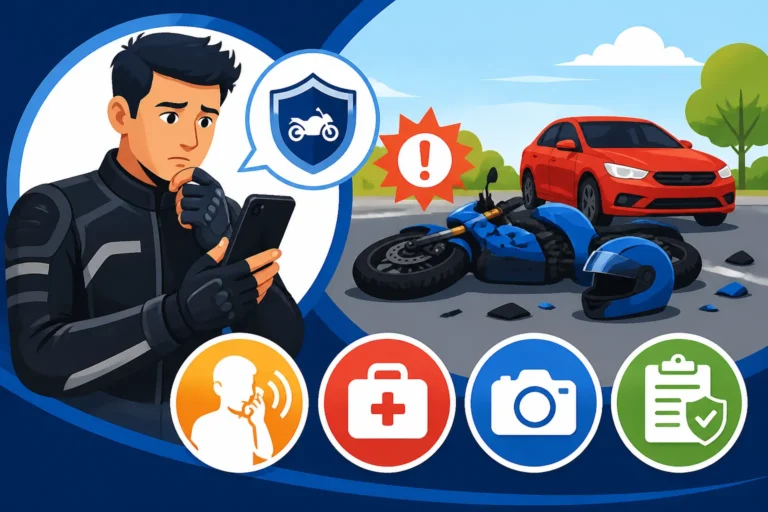
The moments immediately following a motorcycle accident are often chaotic and frightening. Your adrenaline is pumping, you might be injured, and it can be hard to think clearly. However, taking the right steps at this critical juncture can significantly impact the success of your insurance claim down the road.
Prioritizing Safety and Seeking Medical Attention
First and foremost, your safety and health are paramount. If you're able to, move yourself and your motorcycle to a safe location away from oncoming traffic. Turn on your hazard lights if your bike is still operational. Even if you feel fine, it's crucial to seek medical attention. Adrenaline can mask injuries, and some serious conditions, like internal bleeding or whiplash, may not manifest symptoms until hours or even days later. Ignoring potential injuries can not only compromise your health but also weaken your insurance claim, as insurance companies often look for immediate medical documentation. Get checked out by paramedics at the scene or go to an urgent care center or hospital as soon as possible. Your health records will serve as vital evidence for your claim, detailing the extent of your injuries and their direct link to the accident.
Remember, what you do right after a crash can really set the tone for your claim. Even if you only feel a little sore, get it checked out. That slight discomfort could be a sign of something more serious, and having that documented by a medical professional is invaluable when it comes to proving your injuries to an insurance company. For a more comprehensive guide on what to do after a crash, refer to our article on What to Do After a Motorcycle Accident (Insurance Steps).
Documenting the Scene for Your Claim
With safety secured and medical needs addressed, the next critical step is to document everything at the scene. This means collecting as much evidence as possible, as this information will be the backbone of your insurance claim.
- Take Photos and Videos: Use your smartphone to take extensive photos and videos of everything. Capture damage to all vehicles involved (including yours, even if it's just a scratched fairing), the accident scene from multiple angles, road conditions, skid marks, traffic signs, and any relevant landmarks. Don't forget to photograph your riding gear and helmet for damage, as that can also be part of your claim.
- Gather Contact Information: Exchange contact and insurance information with all parties involved, including drivers, passengers, and witnesses. Get names, phone numbers, email addresses, and insurance company names and policy numbers. Ask witnesses if they'd be willing to provide a statement to the police or your insurer.
- Note Key Details: Write down the date, time, and exact location of the accident. Make a mental note (or quick written note) of the weather conditions, road conditions, and anything else that might have contributed to the crash. The more details you have, the stronger your case will be.
It's tempting to think you'll remember everything, but the stress of the situation can make details fuzzy later. A quick note on your phone or even a voice memo can capture crucial information that you might otherwise forget. This meticulous documentation is especially important when you consider that your motorcycle might be categorized as a total loss. Understanding What Happens When Your Motorcycle Is Totaled? will help you realize the importance of documenting its condition prior to any repairs.
Notifying Law Enforcement
In Ohio, if an accident results in injury, death, or property damage exceeding $1,000, you are legally required to report it to law enforcement. Even if the damage seems minor, it’s always a good idea to call the police. A police report is an objective, official record of the incident and will be invaluable for your insurance claim. The responding officer will document the scene, gather statements, and potentially determine fault.
Make sure to get the officer's name, badge number, and the report number before they leave. This information will be vital when you or your insurance company need to retrieve the official report. Don't engage in arguments about fault at the scene; simply provide factual information to the police. Let them do their job. Remember, the police report often forms a critical part of the initial investigation for all insurance companies involved, including those like Progressive, so ensuring it is accurate and complete can significantly smooth your path forward.
Initiating Your Motorcycle Insurance Claim in Ohio
Once you've secured the scene and your immediate well-being, the next critical step is to formally start the insurance claim process. This involves reaching out to the right people and providing them with all the detailed information you've gathered.
Contacting Your Insurance Provider
As soon as reasonably possible after the accident, you need to contact your own motorcycle insurance provider. Don't delay, even if you believe the other driver is at fault. Most policies have a clause requiring prompt notification of an accident. You can typically find their claims contact information on your insurance card, policy documents, or their website. Companies like Progressive make it relatively straightforward to report a claim online or through their app, but a phone call is often best for immediate discussion and clarification.
When you call, be prepared to provide all the information you collected at the scene: date, time, location, details of other drivers/vehicles involved, police report number, and a brief description of what happened. Stick to the facts and avoid speculating or admitting fault. Your insurance company will open a claim file and assign a claims adjuster to your case. This adjuster is your primary point of contact and will guide you through the rest of the process.
Essential Information and Documentation for Filing
To ensure your claim proceeds smoothly, having all your ducks in a row with documentation is key. This isn't just about what happened at the scene; it extends to your personal and policy details.
- Your Policy Information: Have your policy number readily available.
- Proof of Insurance and Registration: You’ll need to confirm you had active coverage. This is especially important as states like Ohio require proof of insurance & registration for motorcycles.
- Accident Details: Provide the police report number, photos, videos, witness contact information, and details of all parties involved (names, insurance information, license plate numbers).
- Medical Records: Submit any medical bills, diagnoses, and treatment plans related to your injuries. Keep a running tally of all medical expenses.
- Damage Estimates: For your motorcycle, you'll need repair estimates. Your adjuster will likely direct you to an approved repair shop or arrange for an appraisal. If your gear was damaged, include receipts or estimates for replacement costs.
- Lost Wages: If your injuries prevent you from working, gather documentation of your lost income.
The more thoroughly you document everything, from the initial accident to every doctor's visit and repair estimate, the better position you'll be in to support your claim. Insurance companies rely heavily on verifiable evidence, so make it easy for them to see the full picture.
What to Expect from the Claims Adjuster
Once your claim is filed, a claims adjuster will be assigned. This person's job is to investigate the accident, determine fault (if not already clear from the police report), assess damages, and ultimately approve or deny your claim. They will review all the documentation you provide, potentially interview witnesses, and examine your damaged motorcycle.
The adjuster will likely contact you for a detailed statement about the accident. Again, stick to the facts and avoid discussing fault or speculating. They might also want to inspect your motorcycle personally to assess the damage. It’s important to cooperate fully with your adjuster, but also to be firm about your rights and clearly communicate your injuries and losses. If there are custom parts on your bike, ensure you have documentation for them, as these often require specific Accessories & Custom Parts Coverage Explained. Understanding What Is the Deductible on Motorcycle Insurance? is also crucial, as you'll likely be responsible for that amount before your policy kicks in.
Navigating the Claims Process and Potential Hurdles
Filing the claim is just the beginning. The real work often starts as you navigate the investigation, deal with potential disputes, and wait for a resolution. It's a marathon, not a sprint, and understanding what lies ahead can help you manage your expectations and advocate for yourself effectively.
Understanding Your Policy and Coverage Limits
It’s astonishing how many riders don't truly understand their own motorcycle insurance policies until they need to file a claim. Before you speak extensively with an adjuster, take the time to review your policy documents. Know exactly what types of coverage you have – whether it's just liability, or if you also carry comprehensive, collision, medical payments, or even specific coverage for custom parts. Our article on Types of Motorcycle Insurance Coverage Explained can be a great resource here. Understand your deductibles for collision and comprehensive, and know your coverage limits.
Knowing your policy inside and out empowers you. It allows you to ask informed questions, challenge anything that doesn't seem right, and ensure you're getting all the benefits you're entitled to. For example, if you have roadside assistance coverage, you'll want to use that for towing your damaged bike from the scene, rather than paying out of pocket. Many insurance providers, like Progressive, make policy documents readily accessible online, so take advantage of those resources.
Dealing with Uninsured or Underinsured Motorists
Unfortunately, not every driver on Ohio's roads plays by the rules. You might find yourself in an accident with someone who has no insurance at all (uninsured motorist) or someone whose policy limits are too low to cover your damages (underinsured motorist). This is a frustrating reality, but it doesn't mean you're out of luck, if you've planned ahead.
This is precisely why Uninsured & Underinsured Motorist Coverage (UM/UIM) is so important for riders in Ohio. If the at-fault driver is uninsured or underinsured, your UM/UIM coverage kicks in to cover your medical expenses, lost wages, and potentially property damage, up to your policy limits. Filing a claim in this scenario is very similar to filing with an insured driver, but you'll be claiming under your own policy rather than theirs. You can find more specific guidance in How to File a Claim When Hit by an Uninsured Driver. This coverage is your safety net against irresponsible drivers, and it can truly be the difference between a smooth recovery and a financial disaster.
The Timeline for Claim Resolution in Ohio
There’s no one-size-fits-all answer for how long a motorcycle insurance claim in Ohio will take to resolve. Minor property damage claims can sometimes be settled in a few weeks. However, claims involving significant injuries, complex fault disputes, or large payouts can drag on for months, or even over a year.
Several factors influence the timeline: the severity of injuries, the clarity of fault, the responsiveness of all parties (including medical providers and other insurance companies), and the thoroughness of the investigation. Be prepared for a process that requires patience. Your adjuster will keep you updated, but don't hesitate to reach out if you haven't heard from them in a while. Maintaining regular communication and providing requested documents promptly can help expedite the process. Keep detailed records of all your communications with the insurance company, including dates, times, and summaries of conversations.
What if Your Claim is Denied or Undervalued?
It's a gut punch when your claim is denied or when the offer you receive is laughably low, barely covering your costs. This is a common frustration for many riders, and it’s important to remember that a denial or lowball offer isn't necessarily the final word. You have options to fight for what you deserve.
Appealing a Denied Claim
If your insurance claim is denied, or if the other party's insurance company refuses to pay, don't panic. The first step is to understand why it was denied. Ask your adjuster for a clear, written explanation. Common reasons for denial include:
- Disputed fault (the other party claims you were at fault).
- Lack of sufficient documentation (e.g., no police report, insufficient medical records).
- Policy exclusions (your policy might not cover certain types of incidents or damages).
- Lapsed policy (your coverage wasn't active at the time of the accident).
Once you understand the reason, you can begin to build an appeal. Gather any additional evidence that addresses the denial reason. For instance, if fault is disputed, retrieve detailed witness statements or traffic camera footage. If documentation is lacking, get those medical bills or repair estimates in order. Present this new information to your insurance company, clearly outlining why their initial decision should be reconsidered. Sometimes, a detailed letter from you, backed by solid evidence, is enough to get them to re-evaluate. It’s a process, but a fair settlement for your How to Negotiate a Motorcycle Total Loss Settlement is worth the effort.
Seeking Legal Counsel if Necessary
There are times when appealing on your own just isn't enough, or the insurance company remains uncooperative. If your claim involves severe injuries, significant property damage, a complex liability dispute, or persistent lowball offers, it might be time to consider consulting with a personal injury attorney experienced in motorcycle accidents in Ohio. An attorney can act as your advocate, negotiating with the insurance company on your behalf, gathering additional evidence, and if necessary, filing a lawsuit. They understand the intricacies of Ohio law and insurance practices, and they can protect your rights and help you secure a fair settlement. Many attorneys offer free initial consultations, so there’s no harm in exploring your options. Brands like The Zebra can help you find different insurance providers, but a good lawyer can help you navigate the claim itself.
Key Steps in Filing an Ohio Motorcycle Insurance Claim
| Step | Description | Importance |
|---|---|---|
| 1. Prioritize Safety & Medical | Move to a safe location. Call 911 if injured. Seek medical attention immediately, even for minor symptoms. | Essential for your well-being and establishing a clear link between injuries and the accident. |
| 2. Document the Scene | Take extensive photos/videos of all vehicles, road conditions, and injuries. Collect contact and insurance info from all parties and witnesses. Note date, time, and specific location. | Provides crucial evidence to support your claim and establish fault. |
| 3. Notify Law Enforcement | Call the police to file an official report, especially if injuries or significant damage occurred. Obtain the officer's name, badge number, and report number. | Creates an objective, third-party record of the accident. |
| 4. Contact Your Insurer | Report the accident to your own motorcycle insurance company as soon as possible, providing all collected details. Do not admit fault. | Initiates the claims process and avoids potential policy violations for delayed reporting. |
| 5. Cooperate with Adjuster | Provide all requested documentation (medical records, repair estimates, lost wages) to your assigned claims adjuster. Be truthful and factual in your statements. | Facilitates the investigation and allows for accurate assessment of damages. |
| 6. Review Your Policy | Understand your coverage types, limits, and deductibles before discussing settlement. | Ensures you receive all benefits you are entitled to under your policy. |
| 7. Appeal if Necessary | If your claim is denied or undervalued, get a written explanation and gather additional evidence to support an appeal. Consider legal counsel for complex cases. | Protects your right to fair compensation and prevents being shortchanged. |
Disclaimer
Please remember that this article provides general information and is not a substitute for professional legal advice. Motorcycle insurance laws and regulations, especially in Ohio, can be complex and are subject to change. Always consult with a qualified insurance agent or legal professional for advice tailored to your specific situation.