What Do I Do if I’m Hit by an Uninsured Motorist?
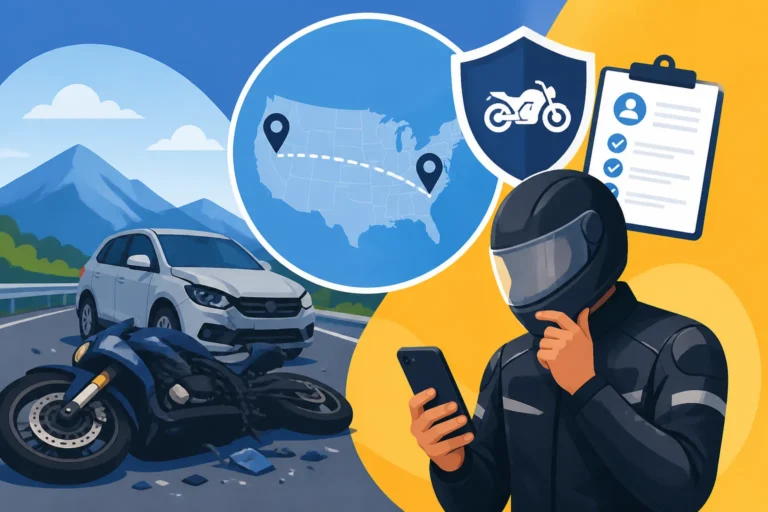
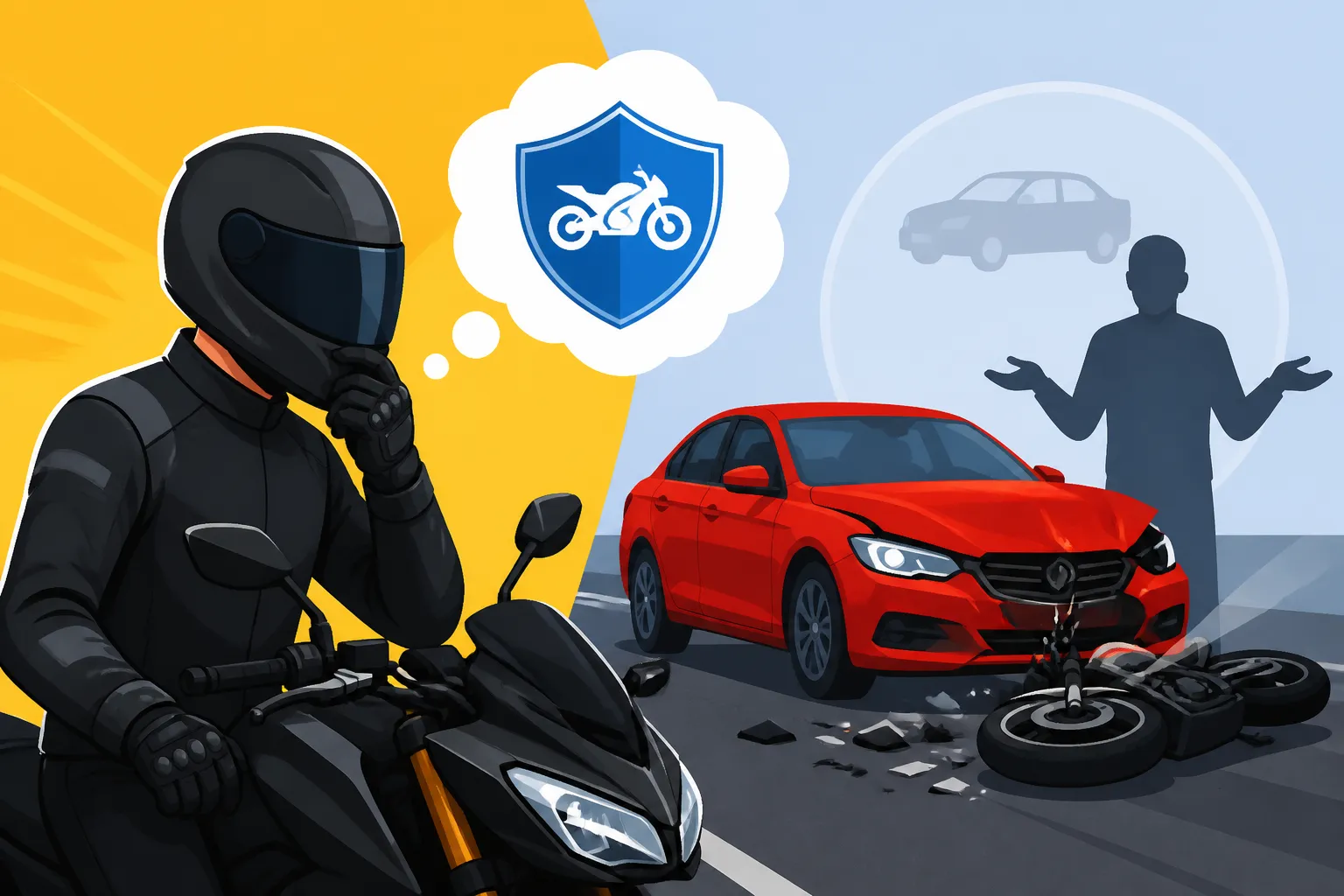
Getting hit by a car on your motorcycle is every rider's nightmare. It’s a moment that flashes from exhilarating freedom to terrifying vulnerability in an instant. But what if, after the dust settles and the initial shock wears off, you discover the person who hit you doesn't even have insurance? It's a frustrating, terrifying scenario that far too many motorcyclists face. This comprehensive guide will walk you through exactly what to do if you find yourself in this incredibly difficult situation, from the immediate aftermath to navigating the complex world of insurance claims and potential legal action.
Immediate Steps After an Uninsured Motorist Accident
When an accident happens, especially on a motorcycle, your first priority is always your safety and well-being. The initial moments can be chaotic and disorienting, but taking the right steps immediately can make a massive difference in your recovery and any subsequent insurance claims. Don't let the stress of the situation prevent you from securing crucial information.
Prioritizing Safety and Seeking Medical Attention
First and foremost, assess your physical condition. Even if you feel okay, the adrenaline from the crash can mask injuries. Check yourself for any obvious pain, bleeding, or inability to move. If you can, move yourself and your motorcycle to a safe location away from traffic. This might mean getting to the shoulder or a nearby parking lot if it's safe to do so. Your bike might be damaged, but your life and limb are far more valuable. If you suspect any serious injury, or even if you're just feeling shaken up, call 911 immediately. Don't try to tough it out. Paramedics can assess you on the scene, and seeking medical attention promptly creates an official record of any injuries sustained in the accident, which is incredibly important for your insurance claim later. Even a seemingly minor ache can turn into a serious issue in the days following an accident, so getting checked out by a medical professional is non-negotiable. Remember, your health insurance can help cover costs initially, but your motorcycle insurance will need that documentation.
Documenting the Scene and Gathering Information
Once your immediate safety and medical needs are addressed, it's time to become a meticulous documentarian. Even though the other driver is uninsured, you still need to collect as much information as possible about them, their vehicle, and the accident scene. Start by taking extensive photographs and videos with your phone. Get wide shots showing the position of both vehicles, close-ups of damage to your motorcycle and the other vehicle, skid marks, road conditions, traffic signs, and any debris on the road. Capture the other driver's license plate, vehicle make/model, and any distinguishing features.
Ask for the other driver's name, contact information, and any ID they might have. Even if they admit to not having insurance, gather whatever details they can provide. If they flee the scene, make sure to tell the police everything you remember about the vehicle and driver. You should always call the police to the scene, regardless of the other driver's insurance status. A police report is an official, unbiased account of the accident and will be invaluable for your insurance claim. It documents the facts, identifies the parties involved, and often assigns fault, which is critical when dealing with an uninsured driver. Without a police report, proving what happened can become your word against theirs, especially if they later dispute responsibility. For a more detailed guide on initial steps, refer to our article on what to Do After a Motorcycle Accident Insurance Steps.
Understanding Uninsured and Underinsured Motorist Coverage
The term "uninsured motorist" can strike fear into any rider, primarily because it implies you're left holding the bag for someone else's negligence. This is precisely where specific types of motorcycle insurance coverage become your heroes. Understanding these coverages before an accident happens is key, but it's never too late to learn how they can protect you.
What is Uninsured/Underinsured Motorist UM/UIM Coverage
Uninsured Motorist (UM) and Underinsured Motorist (UIM) coverage are designed to protect you financially when the at-fault driver either has no insurance or not enough insurance to cover your damages. Think of it as insurance for when the other guy doesn't have it.
- Uninsured Motorist (UM): This coverage kicks in when the at-fault driver has absolutely no liability insurance. It typically covers your medical expenses, lost wages, and pain and suffering (known as bodily injury) resulting from the accident. In some states, it might also cover damage to your motorcycle (property damage), though this often requires a separate UM Property Damage (UMPD) component or can be covered by your collision insurance. Many states, like North Carolina and South Carolina, mandate UM coverage, ensuring that you have some form of protection against drivers who ignore the law.
- Underinsured Motorist (UIM): This coverage comes into play when the at-fault driver does have insurance, but their liability limits aren't high enough to cover the full extent of your injuries and damages. For instance, if your medical bills are $50,000, but the other driver only has the state minimum of $25,000 in bodily injury liability, your UIM coverage would step in to cover the remaining $25,000 (up to your UIM policy limits, of course). It bridges the gap between the at-fault driver's inadequate coverage and your actual losses. For a deeper dive into these crucial protections, check out our guide on Uninsured & Underinsured Motorist Coverage UM/UIM.
How UM/UIM Protects You
Having UM/UIM coverage is like having a financial safety net specifically for these high-stress situations. Without it, if an uninsured driver totals your bike and lands you in the hospital, you could be left with enormous medical bills and repair costs out of pocket, even if the accident wasn't your fault.
Your UM/UIM policy can cover a range of expenses:
- Medical Bills: This is often the largest component. UM/UIM can pay for your hospital stays, doctor visits, surgeries, physical therapy, and prescription medications related to your injuries.
- Lost Wages: If your injuries prevent you from working, UM/UIM can reimburse you for the income you lose during your recovery period.
- Pain and Suffering: This compensates you for the non-economic damages you experience, such as physical pain, emotional distress, and reduced quality of life due to your injuries.
- Property Damage: In some cases (depending on your specific policy and state laws), UM/UIM or a separate UMPD component can cover the costs to repair or replace your damaged motorcycle. If you don't have UMPD, your collision coverage would be the primary avenue for bike damage, but you'd still need UM for your bodily injuries.
It’s important to note that the specifics of what UM/UIM covers can vary by state and by insurance provider. For example, some states require insurers to offer UM/UIM, while others make it optional. It's always a good idea to review your policy documents or speak with your insurance agent to fully understand your coverage limits and what's included. Companies like Progressive and The Zebra can help you understand these options and compare policies to ensure you have adequate protection. While it might seem like an extra expense, the peace of mind and financial security it offers in an accident with an uninsured motorist is truly invaluable.
Filing a Claim with Your Own Insurance Company
Even though the other driver was at fault, your path to recovery will primarily involve working with your own motorcycle insurance company when an uninsured motorist is involved. This process can feel daunting, but knowing the steps and what to expect can ease some of the burden.
Notifying Your Insurance Company and Understanding the Process
As soon as reasonably possible after the accident (and after seeking medical attention and documenting the scene), you need to notify your own insurance company. Don't delay. Most policies have specific clauses requiring prompt notification of accidents. You can typically call their claims department, use their mobile app, or submit a claim online.
When you call, be prepared to provide all the information you gathered at the scene:
- The date, time, and location of the accident.
- Details about the other driver and their vehicle (name, contact, license plate, vehicle description).
- A description of how the accident occurred.
- Information about any witnesses and their contact details.
- The police report number, if available, and the name of the responding officer.
- Details about your injuries and the damage to your motorcycle.
Your insurance company will open a claim, usually assigning it a claim number and an adjuster. This adjuster will be your main point of contact throughout the process. They will investigate the claim, review the evidence, and determine what your policy covers. Since the at-fault driver is uninsured, your claim will likely fall under your Uninsured Motorist (UM) bodily injury coverage and potentially your Uninsured Motorist Property Damage (UMPD) or collision coverage for your bike. Understanding the intricacies of filing a motorcycle insurance claim can be complex, so having this initial conversation with your insurer is crucial.
Working with Your Adjuster and Providing Documentation
Your insurance adjuster's role is to evaluate your claim and ensure it's handled fairly according to your policy terms. This means they will ask for a lot of documentation. Be diligent in providing everything they request:
- Medical Records: Submit all bills, diagnoses, treatment plans, and any documentation from doctors, hospitals, and therapists related to your injuries. Keep a meticulous record of all your medical appointments and treatments.
- Lost Wage Documentation: If you missed work, provide pay stubs, employment verification, and a statement from your employer detailing your lost income.
- Photos and Videos: Share all the visual evidence you collected at the scene. These can be incredibly persuasive in illustrating the accident's impact.
- Police Report: Provide the police report number so your adjuster can obtain a copy.
- Witness Statements: If you have witness contact information, provide it to your adjuster. They may reach out to gather their accounts.
- Repair Estimates: For damage to your motorcycle, you'll need to get estimates from qualified repair shops. Your adjuster might require you to use a preferred network shop or get multiple estimates. If your motorcycle is severely damaged, you might face a "total loss" scenario, which involves a different process for valuation and payout.
Communication is key. Be honest and thorough with your adjuster, but also be an advocate for yourself. Keep copies of all correspondence and documents you submit. If you're struggling to gather information or feel overwhelmed, don't hesitate to ask for clarification from your adjuster or seek advice from a personal injury attorney. It's important to know that while your own insurer is there to help, they also have a business to run, and clear, documented evidence helps them process your claim efficiently and fairly.
| Coverage Type | What It Primarily Covers (UM Scenario) | Deductible Typically Applies? | Who Pays It? |
|---|---|---|---|
| Uninsured Motorist Bodily Injury (UMBI) | Your medical bills, lost wages, pain & suffering | No (often) | Your insurance, up to your policy limits |
| Uninsured Motorist Property Damage (UMPD) | Damage to your motorcycle if the at-fault driver is uninsured | Yes | Your insurance, up to your policy limits |
| Collision Coverage | Damage to your motorcycle from impact | Yes | Your insurance, up to your bike's actual cash value |
| Medical Payments (MedPay) | Your immediate medical expenses (small claims) | No | Your insurance, up to MedPay limits |
| Health Insurance | Your medical expenses generally (primary payer usually) | Yes | Your health insurance provider |
When Your Coverage Isn't Enough or You Don't Have It
Facing an uninsured motorist accident without adequate UM/UIM coverage on your motorcycle policy is a tough spot, and unfortunately, it happens more often than you'd think. Even with UM/UIM, there are times when your damages exceed your policy limits. In these situations, you might feel like you're out of options, but there are still potential avenues to explore for recovery.
Pursuing Legal Action Against the At-Fault Driver
If your UM/UIM coverage is insufficient to cover your total losses, or if you don't carry this type of coverage at all, you might consider pursuing a civil lawsuit against the uninsured at-fault driver. In theory, if you can prove their negligence caused the accident and your injuries, a court can order them to pay for your damages. This includes medical bills, lost wages, pain and suffering, and property damage.
However, pursuing a lawsuit against an uninsured driver comes with significant challenges:
- Collection Issues: The primary reason people are uninsured is often that they lack financial resources. Even if you win a judgment against them, actually collecting the money can be incredibly difficult, if not impossible. They might not have assets, significant income, or a steady job that allows for wage garnishment.
- Time and Expense: Lawsuits are time-consuming and expensive. You'll need legal representation, and the process can drag on for months or even years, incurring legal fees, court costs, and other expenses, with no guarantee of recovery.
- Stress: The emotional toll of a lengthy legal battle, especially while recovering from injuries, can be substantial.
Despite these hurdles, a personal injury attorney can assess your specific situation and advise whether a lawsuit is a viable option. They can look into the at-fault driver's assets, if any, and help you understand the realistic chances of recovering your losses. For complex situations, particularly those involving severe injuries, it's always wise to consult with legal counsel experienced in motorcycle accidents.
Other Potential Avenues for Recovery
Beyond your motorcycle insurance policy and direct legal action, there might be other financial lifelines available to help cover your expenses:
- Medical Payments MedPay Coverage: If you have Medical Payments (MedPay) coverage on your motorcycle policy, it can kick in to cover your medical bills, regardless of who was at fault. This coverage typically has lower limits than UMBI, but it can provide quick funds for immediate medical expenses, deductibles, or co-pays that your health insurance might require.
- Your Health Insurance: Your primary health insurance provider will usually cover your medical treatment after a motorcycle accident, regardless of fault or the other driver's insurance status. However, be aware that your health insurance company may have subrogation rights, meaning they can seek reimbursement from any settlement you receive from your motorcycle insurance or the at-fault driver.
- Liens and Payment Plans: If you undergo extensive medical treatment without immediate coverage, some medical providers might agree to place a lien on any future settlement you receive or work out a payment plan. This is less ideal, but it can prevent immediate financial distress from overwhelming medical bills.
- State Victim Compensation Funds: In very specific and tragic circumstances, some states offer victim compensation funds. These are typically reserved for victims of violent crimes, but in some instances (like a hit-and-run where the driver is never identified), they might offer limited assistance. This is highly dependent on state law and specific circumstances.
- Additional Personal Policies: Review any other insurance policies you or family members might have. Sometimes, personal umbrella policies can offer an additional layer of liability protection that could potentially extend to certain accident scenarios, although this is less common for your own injury recovery in a UM situation.
Ultimately, preventing this dire situation is always better than dealing with it. That's why carrying sufficient Uninsured and Underinsured Motorist coverage on your motorcycle insurance policy is one of the smartest financial decisions you can make as a rider. It’s an investment in your peace of mind and financial security against the irresponsible actions of others on the road. Many riders seek to balance costs and coverage, and understanding different types of motorcycle insurance coverage explained is paramount. When considering your options, checking out resources like The Zebra can help you compare what various carriers, including larger ones like Progressive, offer in terms of UM/UIM and how it impacts your overall premium. Don't assume you're covered until you've confirmed it with your agent.
Disclaimer
The information provided in this article is intended for general informational purposes only and does not constitute legal, financial, or insurance advice. Motorcycle insurance laws and regulations vary significantly by state and can be complex. You should consult with a qualified insurance professional or legal expert for advice tailored to your specific situation. This article is not a substitute for professional advice.